

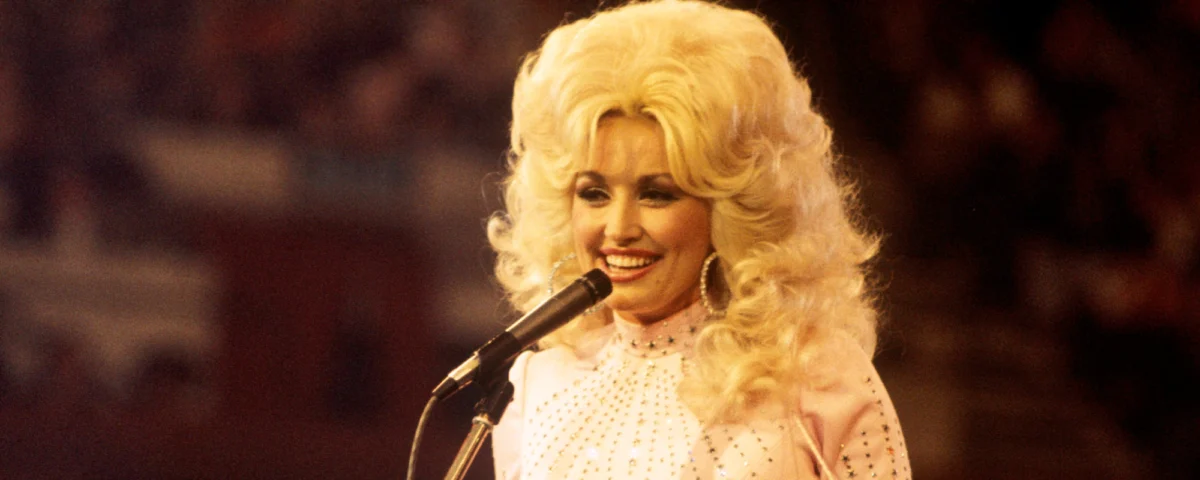
On this day in 1981, Dolly Parton’s conceptual masterpiece, 9 To 5 And Odd Jobs, ascended to the number one position on the Billboard Top Country Albums chart, marking a definitive moment in the convergence of country music, Hollywood cinema, and labor politics. Released in late 1980 as a companion piece to the blockbuster film 9 to 5, the album served as more than just a promotional vehicle; it solidified Parton’s status as a cross-industry powerhouse and provided a sophisticated commentary on the American workforce during a period of significant economic transition. While the title track remains one of the most recognizable anthems in the history of popular music, the album in its entirety represents a deep exploration of the dignity of labor, the struggles of the working class, and the specific hurdles faced by women in professional environments.
The Genesis of a Cultural Phenomenon
The development of 9 To 5 And Odd Jobs was inextricably linked to Parton’s foray into acting. Cast alongside Jane Fonda and Lily Tomlin in the 1980 comedy 9 to 5, Parton was tasked with portraying Doralee Rhodes, a secretary enduring the whims of a "sexist, egotistical, lying, hypocritical bigot" of a boss. Fonda, who also produced the film, had been inspired by the real-life organization "9to5," founded in 1973 by Karen Nussbaum to advocate for better wages and treatment for female office workers.
Recognizing Parton’s songwriting prowess, the production team invited her to compose the film’s theme song. Parton famously developed the iconic, percussive "typewriter" rhythm of the song "9 to 5" by clicking her acrylic fingernails together on set—a technique she used to mimic the clatter of office machinery. This rhythmic innovation provided the backbone for a track that would eventually earn Parton two Grammy Awards and an Academy Award nomination. However, the success of the single prompted the creation of a full-length concept album that expanded the film’s themes into a broader narrative about the American labor experience.
Chart Performance and Industry Impact
9 To 5 And Odd Jobs was Parton’s 23rd solo studio album and arguably her most commercially significant release of the early 1980s. Upon its release, it signaled the successful culmination of her "pop crossover" period, which had begun in the late 1970s with hits like "Here You Come Again." The album’s ascent to the top of the Country charts in February 1981 was accompanied by impressive performance on the Billboard 200, where it peaked at number 11.
The title track "9 to 5" achieved a rare feat in the music industry, reaching number one on the Billboard Hot 100, the Billboard Hot Country Singles, and the Adult Contemporary charts. At the time, this "triple crown" of chart-topping was nearly unprecedented for a country artist, placing Parton in the company of crossover legends like Kenny Rogers and Eddie Rabbitt. The Recording Industry Association of America (RIAA) eventually certified the album Gold, and later Platinum, reflecting sustained sales and its status as a staple in American households.
A Narrative of Labor: Beyond the Title Track
While "9 to 5" addressed the frustrations of the "pink-collar" workforce, the "Odd Jobs" portion of the album explored the wider landscape of blue-collar life. The tracklist was a mix of Parton originals and carefully selected covers that paid homage to the traditional work songs of the Appalachian region and the industrial Midwest.
One of the standout original compositions, "Working Girl," offers a nuanced look at the burgeoning class of professional women in the 1980s. Parton’s lyrics describe a woman who is "elegant and stylish," wearing "designer clothes by Halston and Diane Von Furstenberg," yet she is characterized by an aggressive ambition that makes her peers uncomfortable. This song captured the tension of the era: as women entered higher levels of management, they were often scrutinized for the very same assertiveness that was praised in their male counterparts.
In contrast, the album also included a cover of the Merle Travis classic "Dark as a Dungeon," a somber reflection on the life of coal miners. By including this track, Parton connected her contemporary office-based narrative to the historical struggles of her own ancestors in the Smoky Mountains. Similarly, her rendition of "Detroit City" spoke to the displacement of rural workers who moved to urban centers for factory work, only to find themselves longing for home.
Universal Respect: The Philosophy of the Album
In a series of retrospective discussions, including a notable interview with actress and producer Reese Witherspoon, Parton has emphasized that the core message of 9 To 5 And Odd Jobs is universal respect. While the album is frequently cited as a feminist landmark, Parton’s approach has always been rooted in a broader humanism.
"You know you need to be paid for what you do, you need to be respected for what you do," Parton told Witherspoon during a conversation regarding the film’s legacy. "You need to be appreciated for what you do, whether you’re a woman or a man. It doesn’t matter about any of that."
This sentiment is most clearly articulated in the song "Sing For The Common Man." In this track, Parton pays tribute to the "unsung heroes" of society—the laborers, builders, and service workers who form the backbone of the economy. This song was deeply personal for Parton, who often cited her father, Robert Lee Parton, as her primary example of work ethic. Despite being illiterate, her father was a skilled farmer and laborer whose persistence provided for a family of twelve children. By including "Sing For The Common Man," Parton ensured that the album did not alienate male listeners but rather invited them into a shared conversation about the value of work.
Socio-Political Context and the 1980s Workforce
The release of 9 To 5 And Odd Jobs coincided with a transformative period in American labor history. The early 1980s saw a sharp increase in the number of women participating in the labor force, rising from approximately 43% in 1970 to over 51% by 1980. However, the gender pay gap remained stark, and legal protections against workplace harassment were still in their infancy.
The album and the accompanying film acted as a catalyst for public discourse. The organization 9to5 reported a surge in interest and membership following the film’s release, as office workers across the country began to organize for better conditions. Parton’s music provided the soundtrack for this movement, turning the "daily grind" into a shared experience of resilience.
Chronology of Key Events
To understand the full scope of the album’s impact, it is necessary to look at the timeline surrounding its release and peak:
- September 1979: Filming begins for the movie 9 to 5. Parton begins composing the title track on set.
- November 1980: The single "9 to 5" is released to radio, quickly climbing both Country and Pop charts.
- December 19, 1980: The film 9 to 5 premieres in theaters, eventually becoming the second highest-grossing film of the year.
- December 1980: The album 9 To 5 And Odd Jobs is released by RCA Nashville.
- February 1981: The single "9 to 5" hits No. 1 on the Billboard Hot 100.
- February 1981: The album 9 To 5 And Odd Jobs reaches No. 1 on the Billboard Top Country Albums chart.
- February 1982: Parton wins two Grammy Awards for Best Country Song and Best Country Vocal Performance, Female, for "9 to 5."
Critical Analysis and Legacy
Music critics of the era praised Parton for her ability to weave social commentary into catchy, radio-friendly arrangements. The production, handled by Gregg Perry, utilized a polished "Nashville Sound" that incorporated synthesizers and pop sensibilities without losing the organic storytelling central to country music. This balance allowed the album to appeal to a wide demographic, from rural listeners who identified with "Dark as a Dungeon" to urban professionals who saw themselves in "Working Girl."
The legacy of 9 To 5 And Odd Jobs extends into the 21st century. The title track has been covered by numerous artists across genres and was the basis for a successful Broadway musical that debuted in 2009. In 2022, a documentary titled Still Working 9 to 5 explored the continued relevance of the song and the film, noting that many of the issues Parton sang about—such as pay inequity and childcare—remain central to the modern political platform.
By reaching number one on this day in 1981, 9 To 5 And Odd Jobs did more than just sell records. It validated the experiences of millions of workers and proved that country music could be a potent vehicle for social observation. Dolly Parton’s "working girl" wasn’t just a character in a movie; she was a representation of a shifting American identity, demanding respect and a seat at the table, all while maintaining the grace and humor that have defined Parton’s legendary career.
