

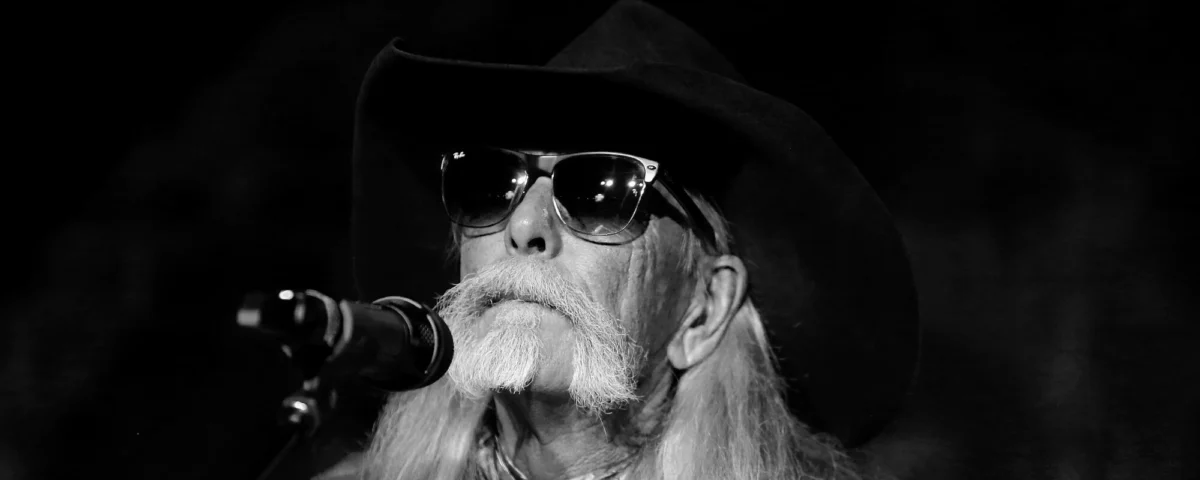
Born on March 26, 1955, in the small town of Rocky Top, Tennessee—then known as Lake City—Dean Dillon has spent the better part of five decades shaping the sonic landscape of American country music. While his name may not always grace the marquee in neon lights, his pen has authored the soundtrack of the genre’s neotraditionalist movement. As the industry celebrates another year of his life and contributions, a retrospective of his career reveals a man whose influence is inextricably linked to the success of some of the biggest icons in music history, most notably George Strait. Dillon’s journey from a teenage hitchhiker to a Country Music Hall of Fame inductee is a testament to the enduring power of the "three chords and the truth" philosophy.
The Formative Years: From Rocky Top to Nashville
Dean Dillon’s affinity for music was forged in the Appalachian foothills of East Tennessee. His trajectory toward Nashville was set in motion at the age of seven in 1962, a pivotal year that saw him receive both a new surname, Rutherford, from his stepfather and his first guitar. These two gifts provided him with a new identity and a tool for expression. By the age of 14, Dillon was already displaying a professional drive that exceeded his years, performing on local television programs like the "Cas Walker Farm and Home Hour" and attempting to pitch his original compositions to established country stars passing through the region.
The conviction that music was his sole calling led an 18-year-old Dillon to hitchhike from East Tennessee to Nashville in 1973. Like many aspiring artists of the era, his initial years in Music City were defined by a dual pursuit: seeking a recording contract while laboring in the trenches of the entertainment industry. He found early employment as a performer at the Opryland USA theme park, a common training ground for young talent at the time. During this period, he briefly performed under the pseudonym Dean Dalton, releasing his debut single, "Las Vegas Girl," in 1974. Although the single did not ignite the charts, it established his presence in the Nashville ecosystem and allowed him to refine his craft as both a vocalist and a songwriter.
The Recording Career and the Transition to Songwriting Prominence
Throughout the late 1970s and early 1980s, Dillon maintained a respectable, if not explosive, career as a recording artist. In 1979, he achieved his first charting success with "I’m Into the Bottle (To Get You Out of My Mind)," which reached No. 30 on the Billboard country charts. This was followed by his highest-charting solo effort, "Nobody in His Right Mind (Would’ve Left Her)," which peaked at No. 25 in 1980. Between 1982 and 1993, Dillon released six studio albums, including two notable collaboration records with the "King of Honky Tonk," Gary Stewart.
Despite his vocal talent and traditionalist sensibilities, Dillon’s greatest impact would come from the other side of the glass. The late 1970s marked his breakthrough as a songwriter for other artists. In 1977, Barbara Mandrell recorded three of his songs for her album Lovers, Friends, and Strangers. His first major commercial success as a writer arrived in 1979 when Jim Ed Brown and Helen Cornelius took "Lying in Love with You" to the No. 2 spot on the country charts. This success signaled to the Nashville establishment that Dillon possessed a rare ability to capture the complexities of romance and heartbreak through a traditional lens, just as the industry was beginning to pivot away from the polished "Countrypolitan" sound toward a more grounded, neo-traditional approach.
The Architect of a King: The Strait-Dillon Partnership
The most significant turning point in Dillon’s career occurred in the early 1980s when he was introduced to a young Texan singer named George Strait. At the time, Strait was a newcomer seeking a sound that could bridge the gap between Western swing and modern country. Dillon, along with co-writer Frank Dycus, provided Strait with his debut single, "Unwound." The song reached No. 6 in 1981, launching Strait’s legendary career and initiating a creative partnership that would span decades.
Dillon became the primary architect of George Strait’s repertoire, contributing more than 50 songs to Strait’s catalog, many of which became definitive hits. The depth of this partnership is evidenced by a list of songs that have become standards in the country music canon:
- "The Chair" (1985): A masterclass in conversational songwriting, the song reached No. 1 and is frequently cited by critics as one of the greatest country songs ever written.
- "Marina Del Rey" (1982): A Top 10 hit that showcased Dillon’s ability to blend coastal imagery with traditional country longing.
- "Ocean Front Property" (1987): A No. 1 hit that utilized classic country wordplay and irony.
- "Easy Come, Easy Go" (1993): Another chart-topper that solidified the duo’s dominance in the 1990s.
Industry analysts often note that Dillon’s writing provided the foundation for Strait’s "King of Country" persona. By delivering songs that were sophisticated yet accessible, Dillon helped Strait maintain a consistent presence on the radio for over thirty years, an almost unheard-of feat in the volatile music industry.
"Tennessee Whiskey" and the Longevity of a Masterpiece
Beyond his work with George Strait, Dean Dillon is responsible for one of the most resilient compositions in American music: "Tennessee Whiskey." Co-written with Linda Hargrove, the song was originally recorded by David Allan Coe in 1981, reaching No. 77. It was later immortalized by George Jones in 1983, who took it to No. 2 and turned it into a signature ballad of the era.
The song’s extraordinary longevity was further proven three decades later when Chris Stapleton performed a soulful, blues-inflected version of the track at the 2015 CMA Awards alongside Justin Timberlake. Stapleton’s version became a multi-platinum crossover hit, reaching a new generation of listeners and topping the Billboard Hot Country Songs chart. The success of "Tennessee Whiskey" across different decades and sub-genres highlights Dillon’s fundamental strength: the ability to write melodies and lyrics that are "genre-proof" and emotionally universal.
Chronology of Major Career Milestones
- 1955: Born Dean Rutherford in Rocky Top, Tennessee.
- 1973: Hitchhikes to Nashville to pursue a music career.
- 1979: Achieves first major songwriting hit with "Lying in Love with You."
- 1981: George Strait releases "Unwound," Dillon’s first cut for the future legend.
- 1983: George Jones releases "Tennessee Whiskey," cementing Dillon’s status as a premier songwriter.
- 1985: "The Chair" reaches No. 1, becoming a career-defining moment for both Dillon and Strait.
- 2002: Inducted into the Nashville Songwriters Hall of Fame.
- 2020: Inducted into the Country Music Hall of Fame, the highest honor in the genre.
Analysis of Impact and Industry Recognition
Dean Dillon’s impact on country music extends beyond chart positions. He is credited with helping to save traditional country music during the "Urban Cowboy" era of the early 1980s, when the genre was leaning heavily into pop-crossover production. Along with peers like Whitey Shafer and Hank Cochran, Dillon insisted on maintaining the integrity of the honky-tonk tradition while updating the lyrical themes for a modern audience.
His peers and the industry at large have frequently recognized his contributions. Dillon has received numerous BMI Awards, including the prestigious BMI Icon Award in 2013, joining the ranks of Dolly Parton, Willie Nelson, and Merle Haggard. Upon his induction into the Country Music Hall of Fame in 2020, George Strait remarked on Dillon’s influence, stating that his career would not have been the same without Dillon’s "uncanny ability to say what every man wants to say, but doesn’t know how."
From a data perspective, Dillon’s success is quantifiable. He has been associated with over 25 No. 1 hits and has seen his songs recorded by a diverse array of artists including Kenny Chesney, Lee Ann Womack, Brooks & Dunn, and Keith Whitley. This versatility has allowed him to remain relevant through multiple shifts in the Nashville "sound," from the neotraditionalist boom of the 80s to the stadium-country era of the 2000s and the soul-country revival of the 2010s.
The Enduring Legacy of the "Dean" of Country Music
As Dean Dillon celebrates another year, his legacy remains as vibrant as ever. He continues to mentor younger songwriters and remains an active participant in the Nashville creative community. His story—one of a young boy from the Tennessee hills who hitchhiked his way to the pinnacle of the music industry—serves as a blueprint for aspiring artists.
Dillon’s work serves as a bridge between the legends of the past and the superstars of today. By focusing on the timeless elements of storytelling—loss, love, pride, and the human condition—he has ensured that his songs will continue to be covered, sampled, and celebrated for generations to come. In the history of country music, few figures have been as instrumental in defining the genre’s identity as Dean Dillon, a songwriter whose pen has truly been mightier than the sword.
