

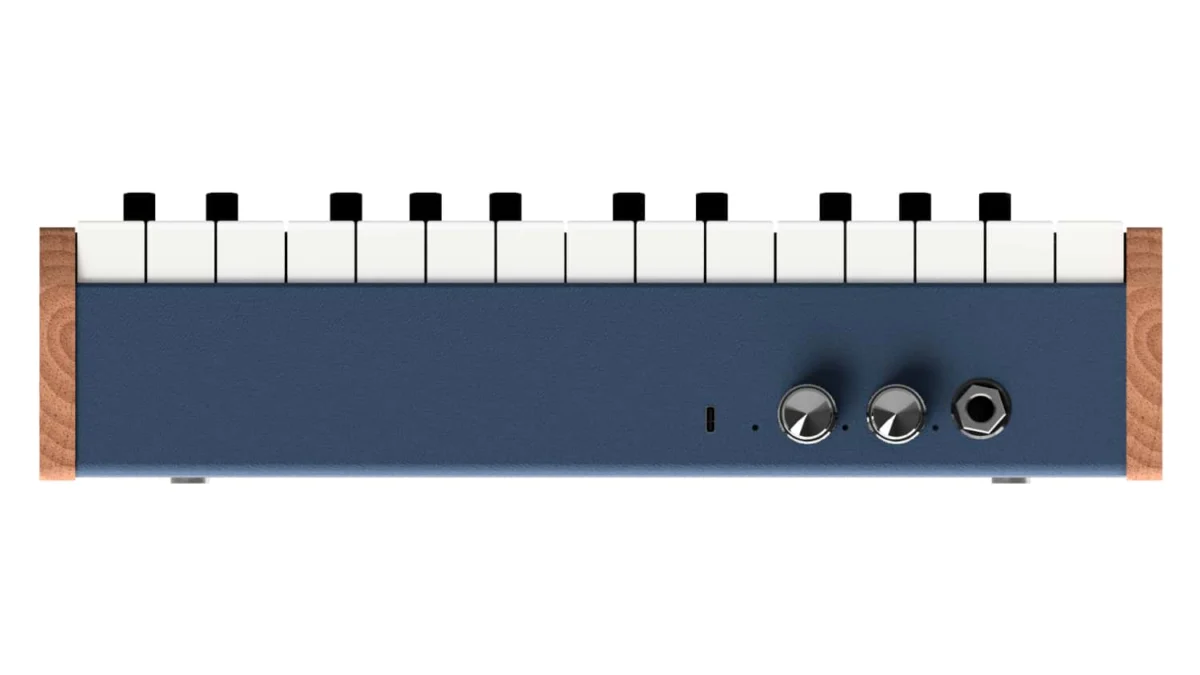
Tentij Instruments has officially announced the release of the Orb Optical Reed Bass (ORB MK1), a boutique, fully analog instrument designed to bridge the gap between mid-century electromechanical engineering and modern studio requirements. The ORB MK1 is a two-octave bass piano specifically engineered to capture the iconic, growling low-end character associated with vintage Wurlitzer electric pianos, yet it utilizes a radical new internal architecture to achieve this. By combining carbon-fiber reeds with optical amplification and a genuine hammer action, the Dutch-based manufacturer seeks to provide a tactile, responsive alternative to digital samples and traditional synthesizers for bass-heavy compositions.
The Engineering Philosophy Behind the ORB MK1
The development of the ORB MK1 represents a significant departure from traditional electromechanical instrument design. Historically, electric pianos like the Wurlitzer 200A or the Rhodes used metal tines or reeds that vibrated within an electromagnetic field created by pickups, similar to those found on an electric guitar. While this method produced the classic "bark" and "growl" loved by musicians, it also introduced challenges such as 60-cycle hum, electromagnetic interference, and the physical degradation of metal components over time.
Tentij Instruments has addressed these legacy issues by pivoting to an optical amplification system. In the ORB MK1, the vibration of the reeds is captured by light-based sensors rather than magnets. This optical approach virtually eliminates the noise floor typically associated with vintage reed pianos, allowing for a pristine signal that retains the organic, non-linear harmonic distortion of a physical vibrating body. Furthermore, the use of carbon-fiber reeds marks a material science advancement in the field. Unlike the tempered steel reeds of the 20th century, which are prone to fatigue and pitch drift due to temperature fluctuations, carbon fiber offers high structural integrity and a unique elastic modulus that contributes to the instrument’s "distinctive low-end growl."
Mechanical Precision and Tactile Response
At the core of the ORB MK1 is a true hammer action mechanism. In an era where many portable keyboards rely on plastic synth-action keys or spring-loaded semi-weighted beds, Tentij Instruments has prioritized the physical relationship between the player and the sound source. The hammer action provides a light yet highly responsive touch, allowing for nuanced velocity control that is essential for expressive bass playing.
The two-octave range is a deliberate design choice, positioning the ORB MK1 as a specialist tool rather than a general-purpose keyboard. This range is optimized for the "money notes" of the bass register, providing enough melodic room for complex basslines while maintaining a compact footprint that fits easily into modern, space-conscious studio environments. The physical feedback of the hammers striking the carbon-fiber reeds gives the player a level of dynamic expression that is often lost in software emulations or even high-end digital stage pianos.
Innovative Tuning and Maintenance Solutions
One of the most significant pain points for owners of vintage reed pianos is the difficulty of maintenance and tuning. Traditionally, tuning a Wurlitzer involved adding or filing away small amounts of lead solder from the tip of each reed—a delicate and time-consuming process that required opening the entire chassis. Tentij Instruments has revolutionized this workflow with the ORB MK1.
The instrument features an external tuning system that can be accessed without disassembly. Using an included specialized tool, musicians can calibrate the pitch of each note from the exterior of the casing. This feature is particularly valuable for professional touring musicians and studio engineers who require perfect intonation across different environmental conditions. Additionally, the internal mechanism allows for adjustments to the action and voicing, ensuring that the instrument can be tailored to the specific playing style of the user. This focus on "new engineering with old-school aesthetics" ensures that the ORB MK1 is a sustainable, long-term investment rather than a fragile vintage relic.
Connectivity and Studio Integration
While the internal sound generation is purely analog, the ORB MK1 includes modern features to ensure it thrives in a contemporary production environment. The instrument is equipped with a standard 1/4” jack output providing a line-level signal, making it compatible with pedalboards, DI boxes, and audio interfaces.

A USB-C port is integrated into the design, primarily serving as a power source and potentially for future firmware-related enhancements to the control system. The interface is rounded out by high-quality tone and volume knobs, which are accompanied by color-coded LEDs. These visual indicators provide immediate feedback on the instrument’s status and settings, a helpful feature during low-light live performances. The combination of these features makes the ORB MK1 a "studio-ready" device that balances the tactile joy of an acoustic instrument with the convenience of modern electronics.
Historical Context and Market Positioning
The release of the ORB MK1 coincides with a broader "analog renaissance" in the music industry. As digital synthesis and VST (Virtual Studio Technology) have become ubiquitous, a growing segment of musicians has sought out instruments with physical presence and unique sonic imperfections. The ORB MK1 follows in the footsteps of the Rhodes Piano Bass—famously used by Ray Manzarek of The Doors to provide the band’s basslines—but updates the concept for the 21st century.
By focusing specifically on the bass register, Tentij Instruments is tapping into a niche market. Producers in genres ranging from neo-soul and jazz to indie rock and electronic music often struggle to find bass sounds that have both the weight of a synthesizer and the percussive "knock" of a piano. The ORB MK1 occupies this middle ground. Its handmade construction and premium materials position it as a high-end tool for serious creators, contrasting with the mass-produced MIDI controllers that dominate the entry-level market.
Technical Specifications and Availability
Tentij Instruments has confirmed that each ORB MK1 is handmade, ensuring high quality-control standards and attention to detail. The instrument’s exterior is vintage-inspired, featuring a classic aesthetic that pays homage to the mid-century design of the original electric pianos.
Key Specifications of the ORB MK1:
- Sound Generation: Fully analog, optically amplified carbon-fiber reeds.
- Keybed: Two-octave range with true hammer action.
- Outputs: 1/4” Line-level output.
- Power/Data: USB-C connectivity.
- Controls: Dedicated tone and volume knobs with LED feedback.
- Tuning: External access for pitch adjustment (tool included).
- Portability: Compact chassis designed for studio and stage versatility.
The Tentij Instruments Orb is currently available for purchase through the company’s official website at a retail price of €1,499.00. For power users and professional facilities, Tentij also offers a "Pro" edition, which presumably includes expanded features or enhanced connectivity options, though the MK1 remains the flagship for most independent creators.
Broader Implications for the Music Industry
The introduction of the ORB MK1 signals a shift in how boutique manufacturers are approaching instrument design. Rather than simply cloning vintage gear, Tentij Instruments is using modern materials like carbon fiber and optical sensors to solve age-old problems. This "fresh, modern approach" suggests a future where electromechanical instruments are no longer seen as high-maintenance museum pieces, but as reliable, innovative tools for the modern era.
Industry analysts suggest that the success of instruments like the ORB MK1 could encourage other manufacturers to explore optical sensing technology. Because optical sensors do not rely on the magnetic properties of the vibrating element, they open the door for a wider variety of materials—such as glass, advanced polymers, or exotic composites—to be used in sound generation. This could lead to an entirely new category of "hybrid" instruments that offer the soul of analog sound with the precision of digital-age manufacturing.
As the first units of the ORB MK1 reach studios, the musical community will likely begin to see its impact on modern arrangements. Its ability to provide a deep, growling analog bass that cuts through a mix with the clarity of an optical signal makes it a formidable competitor to both traditional bass guitars and analog synthesizers. For Tentij Instruments, the Orb is not just a tribute to the past, but a definitive statement on the future of analog bass.
