

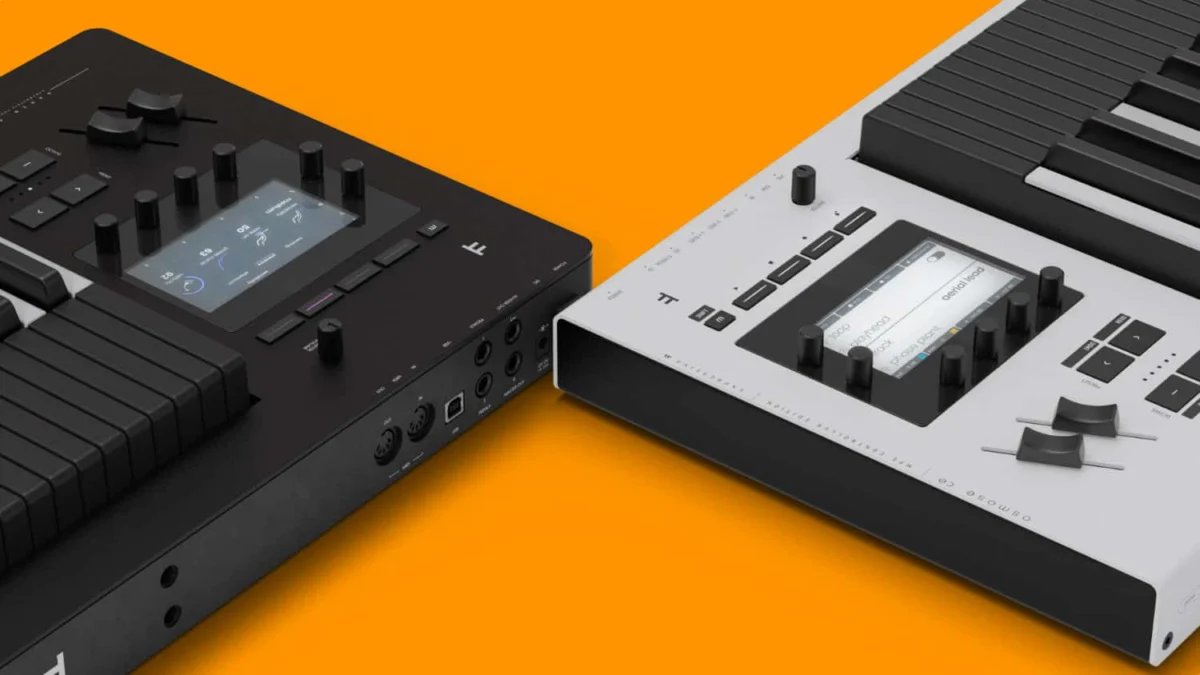
The landscape of electronic music production and performance has undergone a significant transformation with the official introduction of the Osmose CE by Expressive E. This next-generation expressive MIDI controller represents a pivotal moment in the evolution of digital instruments, bridging the gap between traditional keyboard layouts and the nuanced, multidimensional control typically reserved for acoustic instruments. By integrating advanced sensor technology with a familiar physical interface, the Osmose CE aims to redefine how musicians interact with digital sound engines, offering a level of tactile feedback and gestural sensitivity that has historically been difficult to achieve in a MIDI environment.
At its core, the Osmose CE is built upon Expressive E’s proprietary Augmented Keyboard Action. Unlike standard MIDI controllers that rely on simple velocity and mono-aftertouch, the Osmose CE provides per-note expressive control, allowing performers to manipulate pitch, volume, and timbre through intuitive physical gestures. This includes the ability to perform polyphonic pitch bends by moving keys laterally, as well as managing complex modulation through varying degrees of pressure. The result is an instrument that feels less like a trigger for samples and more like a living, breathing extension of the performer’s intent.
The Integration of Ctrl-e and Software Synergy
A central component of the Osmose CE experience is the introduction of Ctrl-e, a dedicated companion software designed to streamline the workflow between hardware and digital workstations. Recognizing the technical hurdles often associated with MIDI Polyphonic Expression (MPE), Expressive E has developed Ctrl-e to provide immediate, "plug-and-play" access to over 900 expressive presets. These sounds have been meticulously curated to take full advantage of the controller’s unique mechanical capabilities, ensuring that users can begin performing without the need for extensive MIDI mapping or software configuration.
The software acts as a bridge, allowing the Osmose CE to integrate seamlessly with industry-standard Digital Audio Workstations (DAWs). While many MPE controllers require complex setup procedures to route per-note data correctly, the Osmose CE and Ctrl-e ecosystem simplify this process. This integration is particularly beneficial for studio professionals who require high-speed workflows but do not wish to sacrifice the depth of their performances. The presets included cover a vast sonic territory, from organic, string-like textures to aggressive, modern synthesizer leads, all of which respond dynamically to the subtlest changes in finger pressure and position.
Advanced Performance Tools and Gestural Mechanics
The Osmose CE distinguishes itself through a suite of performance tools that leverage its unique hardware architecture. One of the most notable features is the "Pressure Glide" function, which allows for smooth, continuous transitions between notes based on the amount of force applied to the keybed. This enables performers to execute glissandos and legato passages with a fluidity that mimics the behavior of a fretless string instrument or a human voice.
Furthermore, the instrument features an expressive arpeggiator that goes beyond the standard rhythmic patterns found in traditional synthesizers. By utilizing the per-note pressure and movement data, the arpeggiator can be manipulated in real-time, allowing users to emphasize specific notes within a sequence or alter the rhythmic swing through physical gestures. The inclusion of per-note pitch bend and polyphonic aftertouch ensures that every finger on the keyboard acts as an independent controller, providing a level of harmonic complexity that was previously unattainable on a standard 12-tone keyboard.
Chronology and the Evolution of Expressive E
The release of the Osmose CE is the culmination of years of research and development by the French company Expressive E. The firm first gained international recognition with the release of the Touché, a unique wooden controller designed to add gestural expression to existing synthesizers. The success of the Touché demonstrated a clear market demand for more tactile control in electronic music, leading to the initial development of the Osmose project.
The original Osmose was first announced in late 2019, generating significant buzz within the industry for its collaboration with Haken Audio, the creators of the EaganMatrix sound engine. While the original Osmose functioned as a standalone synthesizer, the CE (Control Edition) focuses on optimizing this technology for the modern MIDI-centric studio. This evolution reflects a broader trend in the music technology industry toward specialized controllers that offer high-end mechanical action while delegating sound generation to powerful external software or specialized hardware modules.
The development timeline of the Osmose series has been marked by a commitment to mechanical excellence. Unlike many manufacturers who use off-the-shelf keybeds, Expressive E designed the Osmose mechanism from the ground up. This involved overcoming significant engineering challenges, particularly in maintaining the structural integrity of the keys while allowing for the lateral movement required for pitch bending.

Market Context and the Rise of MPE
To understand the impact of the Osmose CE, it is necessary to look at the broader context of MIDI Polyphonic Expression (MPE). For decades, the MIDI standard was limited by its "channel-wide" messages, meaning that a pitch bend or modulation applied to one note would affect every other note being held. MPE changed this by assigning each note its own MIDI channel, allowing for independent control of every finger.
While other manufacturers have explored this space—notably ROLI with the Seaboard and Roger Linn with the LinnStrument—the Osmose CE takes a different approach by retaining the traditional piano-key shape. This design choice is strategic; it lowers the barrier to entry for trained pianists and keyboardists who may find the "squishy" surfaces of other MPE controllers difficult to master. By providing a familiar physical interface, Expressive E is positioning the Osmose CE as the primary choice for professional musicians who want expressive power without relearning their instrument from scratch.
Supporting data from industry analysts suggests that the market for expressive controllers is growing as software synthesizers become more sophisticated. As virtual instruments (VSTs) gain the ability to model complex physical behaviors, the need for controllers that can trigger those behaviors becomes paramount. The Osmose CE arrives at a time when major DAWs like Ableton Live, Logic Pro, and Bitwig Studio have fully embraced MPE, creating a fertile environment for the adoption of such hardware.
Professional Implications and Sound Design
The introduction of the Osmose CE has significant implications for film scoring, game audio, and live performance. For composers working on tight deadlines, the ability to "perform" a realistic cello swell or a haunting woodwind vibrato on a keyboard saves hours of tedious automation programming. The physical feedback of the Osmose CE allows for a more "human" feel in digital scores, which is increasingly sought after in an era of highly polished, but often sterile, electronic production.
In a live performance setting, the Osmose CE offers a visual and sonic dynamism that standard keyboards lack. Audiences can see the physical effort and the subtle movements of the performer’s hands translating directly into the sound, creating a more engaging experience. Sound designers also benefit from the instrument’s ability to explore the "edges" of a sound—finding the sweet spots where a filter opens or a distortion kicks in based purely on the pressure of a fingertip.
Technical Specifications and Connectivity
The Osmose CE is designed to be the centerpiece of a modern studio rig. It features a robust build quality intended for both studio longevity and the rigors of touring. While specific pricing varies by region, the unit is positioned as a premium professional tool, reflecting the high costs of its specialized mechanical components.
Connectivity options include standard MIDI DIN ports for controlling external hardware synths, as well as USB-MIDI for DAW integration. The unit also includes sustain and expression pedal inputs, further expanding the control possibilities for the performer. The internal firmware is designed to be user-updatable, ensuring that the device can evolve as new MPE standards and software features are released.
Conclusion and Future Outlook
The launch of the Osmose CE marks a definitive step forward in the democratization of expressive digital performance. By combining the heritage of the keyboard with the future of multidimensional sensing, Expressive E has created a tool that respects the skills of traditional musicians while providing them with the infinite possibilities of digital synthesis.
As the industry continues to move toward more immersive and interactive forms of music creation, the Osmose CE stands as a testament to the importance of the human touch. It challenges the notion that electronic music must be programmed rather than played, and it sets a new standard for what musicians should expect from a MIDI controller in the 21st century. The success of the Osmose CE will likely inspire further innovation in the field of haptic feedback and gestural control, eventually leading to a new era where the distinction between "acoustic" and "electronic" expression becomes increasingly irrelevant.
