

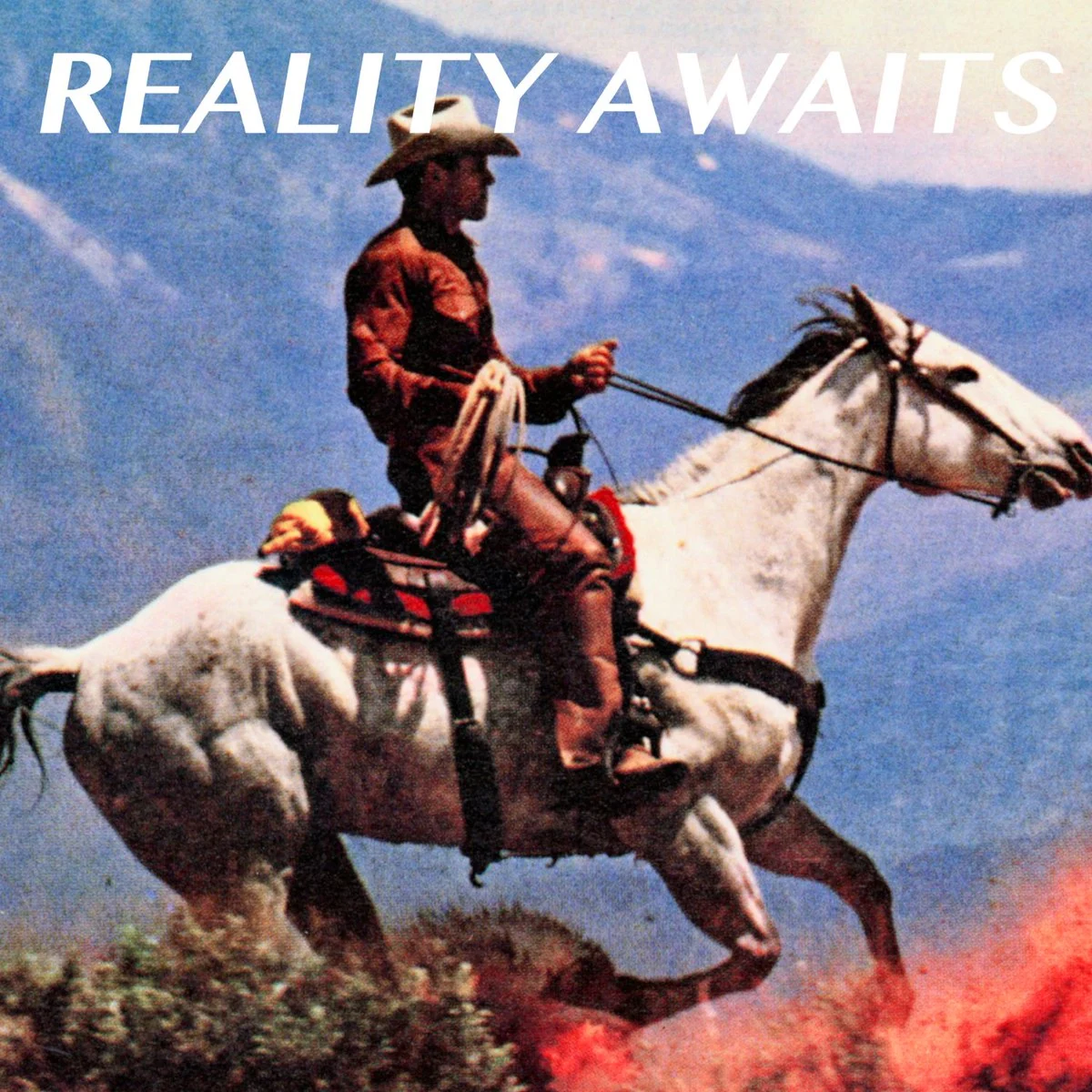
The release of Reality Awaits, the seventh studio album from New York City’s iconic rock quintet The Strokes, has ignited significant discussion within the music industry, particularly concerning its sonic experimentation and perceived stylistic departures. Arriving four years after their critically acclaimed 2020 release, The New Abnormal, this latest offering, produced by the legendary Rick Rubin, presents a complex tapestry of sounds that challenges listener expectations while simultaneously reaffirming the band’s enduring importance in 21st-century rock. The album’s rollout was marked by the divisive reception of its advance singles, "Going Shopping" and "Falling Out Of Love," which drew particular scrutiny for their prominent use of Auto-Tune on frontman Julian Casablancas’s vocals. While some critics and fans expressed concern over what they perceived as a departure from the band’s signature raw aesthetic, others viewed it as a continuation of The Strokes’ long-standing penchant for sonic evolution.
Background and The Strokes’ Enduring Legacy
Since their explosive debut with Is This It in 2001, The Strokes have been pivotal in shaping the landscape of modern indie rock. Their distinctive blend of garage rock revivalism, post-punk urgency, and Casablancas’s melancholic croon established a blueprint that influenced countless bands. Their early sound was characterized by a seemingly effortless cool, a masterful execution of laconic riffs, and a vocal delivery that often felt simultaneously disaffected and deeply resonant. This unique ability to marry a "lazy" aesthetic with masterful musicianship has been a cornerstone of their appeal, cementing their status as one of the most significant rock bands of their generation.
The band’s trajectory has been marked by periods of internal friction and creative exploration. Following a string of highly influential albums in the 2000s, including Room on Fire (2003) and First Impressions of Earth (2006), subsequent releases like Angles (2011) and Comedown Machine (2013) showcased a more experimental side, often leading to mixed critical reactions. However, The New Abnormal (2020) was widely hailed as a triumphant return to form, earning the band their first Grammy Award for Best Rock Album. This resurgence positioned Reality Awaits as a highly anticipated follow-up, with expectations running high for the band to build upon their renewed critical momentum.
The Production Hand of Rick Rubin
The involvement of Rick Rubin as producer for Reality Awaits was a significant announcement that generated considerable buzz. Rubin, renowned for his minimalist approach and ability to extract raw, authentic performances from artists across genres—from Johnny Cash to Red Hot Chili Peppers and Adele—brought a fresh perspective to The Strokes’ creative process. His reputation for fostering a conducive environment for artistic exploration, often emphasizing sonic clarity and impact, suggested a potentially transformative influence on the band’s sound. While Rubin’s production on The New Abnormal was praised for its polish and depth, his work on Reality Awaits appears to push The Strokes further into uncharted sonic territory, particularly evident in the album’s more electronically inflected moments and the intentional use of vocal processing. This collaboration underscores a strategic choice by the band to continue evolving rather than resting on past laurels, embracing a producer known for his willingness to challenge conventional sonic boundaries.
Chronology of Release and Initial Reactions
The path to Reality Awaits began with the album’s official announcement, followed by the staggered release of its lead singles. "Going Shopping" and "Falling Out Of Love" were introduced to the public ahead of the full album, serving as initial indicators of the band’s new direction. These tracks immediately became points of contention, primarily due to Julian Casablancas’s heavily processed vocals, which some described as sounding "malfunctioning" or overtly robotic. This sparked a familiar debate surrounding the use of Auto-Tune in rock music—a technology often associated with pop and hip-hop, and frequently viewed with skepticism by purists in the rock genre. Critics of the singles lamented a perceived lack of the band’s characteristic spontaneity and rawness, with many finding the tracks "forgettable" despite their experimental leanings.
However, the full album’s release has provided a broader context, revealing that these advance singles did not entirely represent the diverse sonic palette of Reality Awaits. The album’s opener, "Psycho Shit," for instance, offered an entirely different, almost confrontational, introduction. Described as an "over-the-top, in-your-face explosion," its aggressive, unbridled bombardment of sound presented a stark contrast to the band’s often understated aesthetic. This intense opening sequence has been interpreted by some as a deliberate attempt to challenge or even alienate casual listeners, particularly those who might have discovered the band through more accessible tracks like "The Adults Are Talking," which gained significant traction on platforms like TikTok. Such an abrasive introduction suggests a band unafraid to test the boundaries of their established sound and potentially prune their audience to those willing to embrace their more experimental inclinations.
Album Highlights and Divisive Elements
Despite the initial controversy surrounding certain tracks, Reality Awaits contains several moments that critics are already highlighting as quintessential Strokes material, alongside innovative new explorations.
"Dine N’ Dash": A Resurgent Classic
Immediately following the tumultuous opener, "Dine N’ Dash" emerges as a track that has garnered widespread praise for embodying the quintessential Strokes sound while also presenting it in a remarkably refined form. It has been lauded as "one of the most perfect slices of polished, clean indie rock the band has offered yet." The track features a "gut-punch" guitar tone that harks back to the band’s early days, coupled with Casablancas’s vocals delivered with a "convincing fragility" and notably, completely without Auto-Tune. His characteristic mumble, drawl, croon, and strain are all present, showcasing his distinctive vocal range and emotional depth. Lyrically, the song includes a memorable refrain: "We could never afford it/ We would dine and dash/ I would always go last." This lyrical content has sparked minor discussion, given Casablancas’s background as a "nepo baby"—a child of privilege (son of Elite Model Management founder John Casablancas). However, the compelling nature of the melody and performance largely overshadows this contextual detail for most listeners, reaffirming the band’s ability to craft universally appealing rock anthems.
"Lonely In The Future": Auto-Tune Reimagined
The album sees the return of Auto-Tune on "Lonely In The Future," yet here, its application is widely considered more successful and warranted by the song’s "sonic momentum." This track is described as a "slick, summery nostalgia anthem" that is remarkably catchy. The presence of lyrical name-drops, including music critic Anthony Fantano and R&B star John Legend, adds a meta-textual layer, but these elements do not detract from the song’s overall appeal. This particular track highlights how Auto-Tune, when integrated thoughtfully into a song’s overall sonic landscape, can serve as an artistic tool rather than merely a corrective measure or a crutch. It demonstrates that The Strokes are not abandoning the technology but rather experimenting with its varied applications.
"Going To Babble On" and "The Fruits Of Conquest": Nuance and Innovation
Further into the album, "Going To Babble On" stands out as a "successfully nonchalant earworm." This track largely abandons Auto-Tune, instead showcasing refreshing, breezy guitar riffs that contribute to its infectious quality. It culminates in a "triumphant guitar solo," a moment of classic rock exuberance that is both unexpected and welcome. "The Fruits Of Conquest" offers another highlight, built around a "mischievous groove" that unexpectedly transitions into an "idiosyncratic quasi-rap" from Casablancas. This segment is described as "just weird enough to work," illustrating the band’s continued willingness to experiment with vocal delivery and genre conventions, pushing the boundaries of what is expected from a Strokes track.
Broader Implications and The Strokes’ Artistic Philosophy
The mixed reception and diverse stylistic offerings of Reality Awaits are arguably central to The Strokes’ enduring appeal. As the initial review notes, "The Strokes wouldn’t be as interesting as they are if everything they touched was gold." This sentiment underscores a core aspect of their artistic philosophy: a willingness to experiment, to sometimes falter, and to consistently push against expectations. This approach contributes to their reputation as an important, albeit sometimes frustrating, rock band. Their discography is not a uniform collection of hits but rather a dynamic journey through different phases of creative exploration.
The album’s engagement with contemporary music trends, such as the subtle nods to TikTok’s influence on music discovery ("The Adults Are Talking") and the nuanced deployment of Auto-Tune, demonstrates a band that remains aware of the evolving musical landscape while staying true to their unique identity. In an era where rock music often struggles for mainstream dominance against pop and hip-hop, The Strokes continue to carve out a significant space, proving that guitar-driven music can still be innovative, relevant, and provoke meaningful discussion.
Reality Awaits solidifies The Strokes’ position not just as a nostalgic act, but as a group still actively engaged in artistic growth and self-reinvention. While the album may contain tracks that divide opinion, its strengths lie in its moments of undeniable brilliance and its fearless embrace of sonic evolution. It serves as a testament to a band that, even after two decades, continues to challenge itself and its audience, ensuring their legacy remains dynamic and their music consistently stimulates critical engagement. The ultimate impact of Reality Awaits will unfold over time, as listeners delve deeper into its intricate layers and positions it within the broader context of The Strokes’ influential career and the ongoing evolution of contemporary rock music.
