

The landscape of country music history is often framed by two monumental bookends: the gritty, rebellious Outlaw movement of the 1970s and the explosive, stadium-filling neotraditionalist boom of the 1990s. This historical framing frequently leaves the 1980s in a state of critical and commercial limbo, despite the decade serving as a vital bridge between the genre’s rural roots and its eventual global dominance. While the 1980s produced some of the most influential records in the American canon, a surprising number of these foundational works have yet to achieve Platinum certification from the Recording Industry Association of America (RIAA), a benchmark signifying one million units sold. This phenomenon highlights a discrepancy between cultural impact and statistical sales figures, particularly as it pertains to legendary figures like Dolly Parton, Charley Pride, and Dwight Yoakam.
The Commercial Standards of the 1980s Country Market
To understand why several masterworks of the 1980s remain below the Platinum threshold, one must examine the economic and technological climate of the era. In 1980, the music industry was grappling with a transition from vinyl and 8-track tapes to the cassette, and eventually, the compact disc. Distribution networks for country music were more regionalized than they are today, and the "Urban Cowboy" craze of the early 1980s created a volatile market where traditional sounds often competed against high-gloss pop crossovers.
The RIAA introduced the Platinum certification in 1976, but for much of the early 1980s, reaching one million sales was a feat reserved for the absolute upper echelon of pop and rock stars. In Nashville, a "Gold" record—representing 500,000 units—was considered the standard of a massive success. It was not until the "Class of ’89" (led by Garth Brooks and Alan Jackson) that multi-platinum status became a regular expectation for country albums. Consequently, several albums that defined the decade’s sound are technically "undercertified" by modern standards, despite their omnipresence on radio and their influence on subsequent generations of artists.
Dolly Parton and the Laborer’s Anthem: 9 to 5 and Odd Jobs (1980)
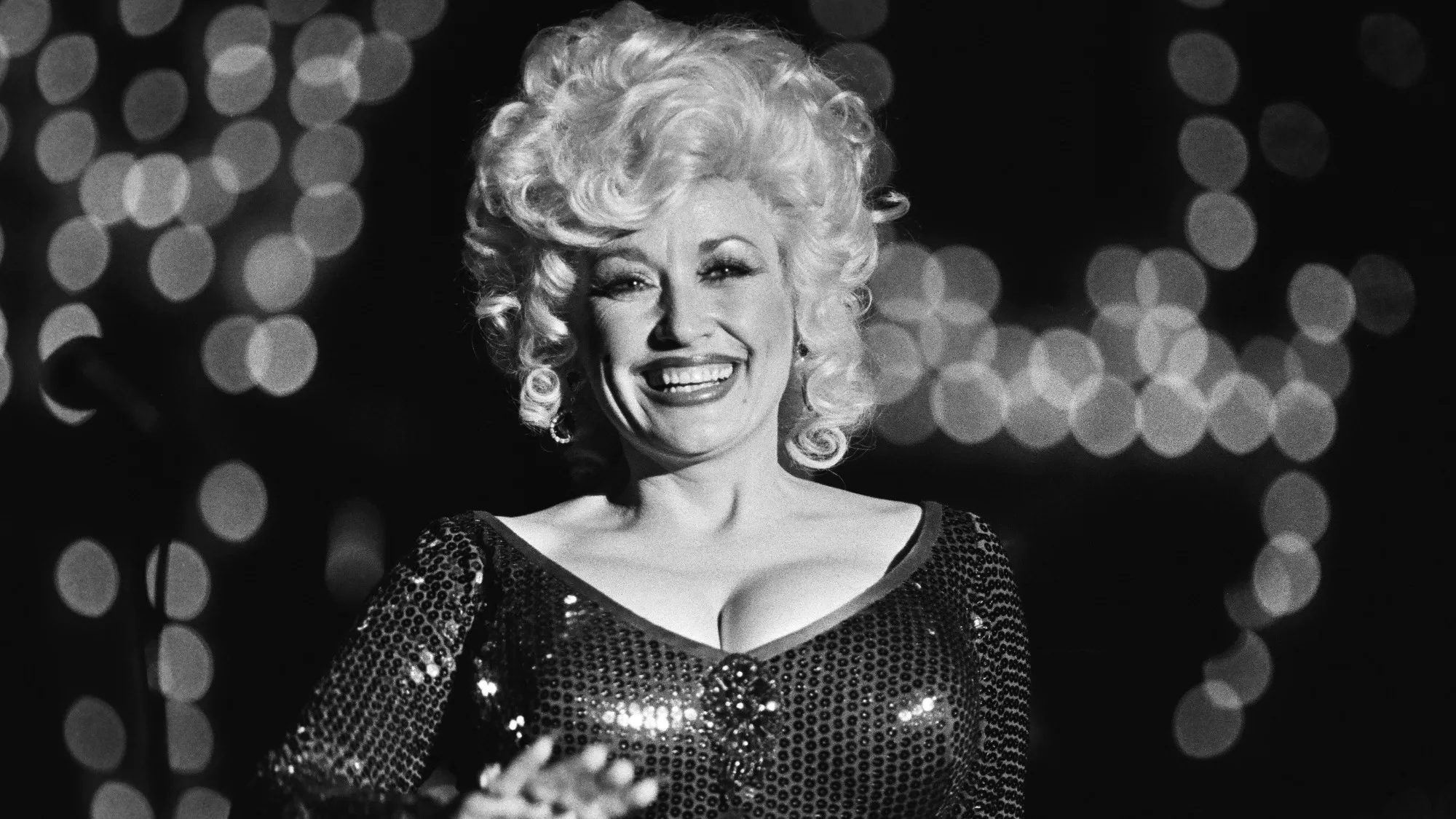
Dolly Parton entered the 1980s as a global superstar, having spent the late 1970s experimenting with a pop-oriented sound that yielded hits like "Here You Come Again." However, in 1980, she pivoted back toward her storytelling roots with the release of 9 to 5 and Odd Jobs. This concept album was released in tandem with her acting debut in the film 9 to 5, and it served as a sophisticated exploration of the American working class.
The album is a sonic hybrid, blending the polished production of the era with the authentic, narrative-driven songwriting that defined Parton’s early career in the 1960s. While the title track, "9 to 5," became a cultural phenomenon—reaching No. 1 on both the Billboard Hot 100 and the Country charts and eventually earning a 3x Platinum digital single certification—the album itself has remained at Gold status.
The tracklist of 9 to 5 and Odd Jobs serves as a curated history of American labor music. Alongside her own compositions, Parton included covers of Woody Guthrie’s "Deportee (Plane Wreck at Los Gatos)," Mel Tillis’s "Detroit City," and Merle Travis’s "Dark as a Dungeon." This deliberate selection of material signaled Parton’s intent to honor the folk and bluegrass traditions of the Appalachian region while maintaining her status as a contemporary pop force. Despite its critical acclaim and the massive success of its lead single, the album remains a prime example of an 80s record where the single’s success overshadowed the LP’s long-term sales tally.
Charley Pride and the Preservation of the Williams Legacy
In 1980, Charley Pride was already established as one of the most successful artists in the history of RCA Records, rivaling the sales figures of Elvis Presley within the label’s roster. As the decade began, Pride sought to pay homage to the foundation of modern country music by releasing There’s a Little Bit of Hank in Me. This tribute album was not merely a collection of hits; it was a deeply personal exploration of the Hank Williams songbook.
The album features Pride’s interpretations of Williams’ staples such as "I’m So Lonesome I Could Cry" and "Kaw-Liga," but it also includes deeper cuts that showcased Pride’s vocal range and his reverence for Williams’ songwriting. The record reached No. 1 on the Billboard Top Country Albums chart, marking Pride’s final appearance at the summit of that list.
The fact that There’s a Little Bit of Hank in Me has not reached Platinum status is often cited by music historians as an indicator of how the industry shifted in the early 80s. While Pride remained a consistent hitmaker, the "Urban Cowboy" movement was beginning to prioritize younger, more pop-aligned artists, leading to a gradual decline in the commercial longevity of traditionalist albums by established legends. Nevertheless, the album remains a critical benchmark for how one legend can successfully reinterpret the work of another without losing the original’s emotional core.
Dwight Yoakam and the Neotraditionalist Revolution
By the mid-1980s, the country music industry was facing a commercial slump. The "Urban Cowboy" trend had cooled, and Nashville was searching for a new direction. In 1986, Dwight Yoakam arrived from the Los Angeles "cowpunk" scene with his debut album, Guitars, Cadillacs, Etc., Etc.. Unlike the polished "Nashville Sound" of the time, Yoakam’s music was raw, honky-tonk-driven, and heavily influenced by the Bakersfield Sound of Buck Owens and Merle Haggard.
Produced by Pete Anderson, the album was a sonic rebellion. It featured the title track "Guitars, Cadillacs," which became an anthem for a new generation of country fans who craved authenticity over artifice. The album also included a haunting cover of Johnny Cash’s "Ring of Fire" and Harlan Howard’s "Heartaches by the Number."
Guitars, Cadillacs, Etc., Etc. was a critical darling and peaked at No. 1 on the Billboard Country Albums chart. It is widely credited with launching the neotraditionalist movement that would eventually pave the way for the 1990s boom. However, despite its immense influence and Yoakam’s subsequent superstardom, the album has remained at Double Platinum status only after decades of catalog sales, illustrating how even the most "revolutionary" albums of the mid-80s had to fight for every unit sold in a fragmented market.
Chronology of 1980s Country Evolution and Certification Gaps
The 1980s can be divided into three distinct phases that impacted album sales and certifications:
- The Post-Outlaw/Urban Cowboy Phase (1980–1983): During this period, albums like Parton’s 9 to 5 and Odd Jobs and Pride’s There’s a Little Bit of Hank in Me were released. High single sales often did not translate to million-selling albums because the country audience was still primarily purchasing 45rpm records rather than full LPs.
- The Transition Period (1984–1986): This era saw the rise of the "New Traditionalists." Artists like George Strait, Reba McEntire, and Dwight Yoakam began to pull the genre back toward its roots. While these artists were successful, the infrastructure for mass-market "Platinum" country sales was still being built.
- The Pre-Garth Era (1987–1989): The late 80s saw a surge in album sales as the CD format became more prevalent. This technological shift allowed for better tracking of sales and a more robust retail presence for country music in urban markets.
Industry Implications and the "Platinum" Mirage
The absence of Platinum certifications for many 1980s classics is not necessarily a reflection of their popularity, but rather a reflection of the RIAA’s historical tracking methods and the era’s consumption habits. Before the implementation of SoundScan in 1991, sales data was often estimated based on reports from record stores, which were notoriously inaccurate for genres like country and R&B.
Industry analysts suggest that if modern tracking methods had been available in 1980, Dolly Parton’s 9 to 5 and Odd Jobs would likely have crossed the Platinum threshold within its first year of release. Similarly, the long-tail sales of Dwight Yoakam’s debut have likely exceeded the official RIAA tallies, as many independent retailers and international sales are often underreported in historical certifications.
The broader implication of this "Platinum gap" is a skewed perception of the 1980s. When modern listeners look at charts and certifications, they may conclude that the 1980s was a "weak" decade for country music compared to the 1990s. However, the 1980s provided the essential groundwork—the "odd jobs," the "Hank" tributes, and the "guitars and Cadillacs"—that allowed country music to become the commercial juggernaut it is today.
The Lasting Impact of 1980s Masterpieces
While the RIAA plaques may be missing for some of these records, their influence is undeniable in the 21st century. The themes explored in Dolly Parton’s 9 to 5 and Odd Jobs—economic inequality, the dignity of labor, and gender dynamics—remain as relevant today as they were four decades ago. Charley Pride’s commitment to the roots of the genre ensured that the legacy of Hank Williams remained central to the country identity during a time of rapid commercialization. Dwight Yoakam’s debut proved that there was a massive audience for "hard country," a lesson that continues to inform the careers of modern stars like Chris Stapleton and Sturgill Simpson.
As the music industry continues to evolve into the streaming era, the focus on Platinum certifications is slowly being replaced by metrics of "reach" and "cultural longevity." By those standards, the 1980s country catalog is as rich and successful as any other decade in American music history. The "missing" Platinum certifications serve as a reminder that the true value of an album lies not in its sales tally, but in its ability to resonate across generations.
