

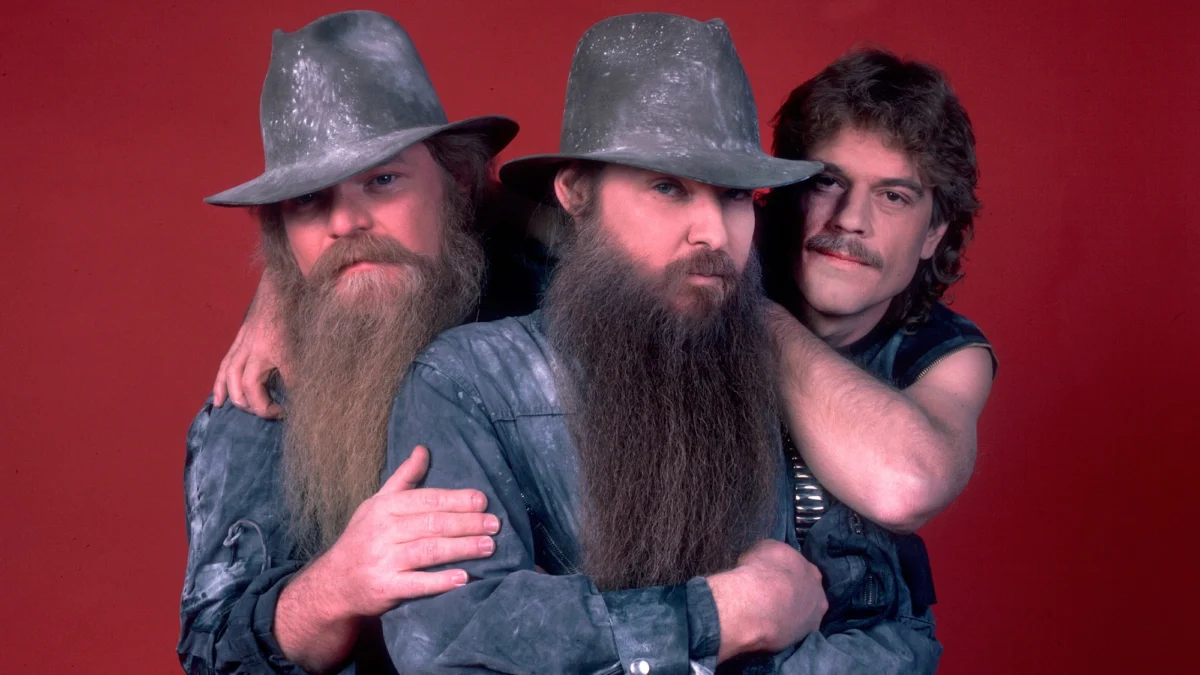
The release of the single Legs in 1984 marked a definitive turning point in the career of ZZ Top, the Texas-based power trio that had already spent over a decade establishing themselves as masters of blues-rock. While the band had enjoyed significant regional and national success throughout the 1970s with hits like La Grange and Tush, it was their eighth studio album, Eliminator, and its standout single Legs that propelled them into the stratosphere of global pop-culture icons. Written by the band’s core lineup—guitarist Billy Gibbons, bassist Dusty Hill, and drummer Frank Beard—the song represented a sophisticated fusion of traditional guitar-driven rock and the emerging electronic textures of the 1980s. This stylistic shift, characterized by the integration of synthesizers and sequenced drum patterns, allowed ZZ Top to navigate the changing landscape of the music industry while maintaining their signature grit.
The Genesis of an Anthem: A Chance Encounter in Los Angeles
The lyrical inspiration for Legs is rooted in a spontaneous moment of observation by Billy Gibbons. During a period of creative development in Los Angeles, Gibbons witnessed a scene that would eventually become the foundation for one of rock music’s most recognizable opening verses. According to Gibbons, the encounter took place during an atypical torrential downpour in Southern California. While driving through the city, he spotted a young woman stranded on the side of the road.
Gibbons recalled that the woman’s physical presence was striking, not merely for her appearance but for her composure amidst the weather. He noted that she possessed a hairstyle reminiscent of Brooke Shields, a major fashion icon of the era, and seemed determined to remain unaffected by the rain. Gibbons initially drove past her but felt a sense of chivalrous obligation to offer assistance. However, by the time he managed to turn his vehicle around and return to the spot, the woman had vanished. This fleeting moment left a lasting impression on the guitarist. He famously noted that her legs were the first thing he noticed, followed by her confident stride and her refusal to let the elements dampen her style. This observation birthed the iconic lyric: "She got legs / She knows how to use them." This theme of female empowerment and self-assuredness became the central pillar of the song’s identity.
Sonic Architecture: The Production of Eliminator
The success of Legs cannot be divorced from the technical and creative risks taken during the recording of the Eliminator album at Ardent Studios in Memphis. Under the guidance of engineer Terry Manning, the band began experimenting with new technologies that were largely foreign to the blues-rock genre at the time. The production team utilized the Fairlight CMI (Computer Musical Instrument) and various sequencers to create a precise, rhythmic foundation that complemented Frank Beard’s drumming.
For Legs, the band sought a "pumping" sound that would resonate in dance clubs as much as on rock radio. The song’s signature pulse was achieved through a combination of synthesized bass lines layered with Dusty Hill’s traditional playing, creating a thick, driving low end. Billy Gibbons’ guitar work remained central, but his tone was processed to sit cleanly alongside the electronic elements. This "high-tech blues" approach was controversial among some purists, but it proved to be a masterstroke in commercial strategy, allowing ZZ Top to appeal to the burgeoning MTV generation without abandoning their roots.
The MTV Revolution and the Visual Identity of the 1980s
While the song itself was a formidable piece of songwriting, its ascent to the top of the charts was significantly aided by its music video. In the early 1980s, the rise of MTV changed the metrics of musical success; a band’s visual image became as important as their sound. ZZ Top embraced this shift with a series of videos directed by Tim Newman. The video for Legs followed a specific narrative formula established in earlier Eliminator singles like Gimme All Your Lovin’ and Sharp Dressed Man.
The narrative featured three mysterious, glamorous women—often referred to as the "ZZ Top Girls"—who traveled in the band’s customized 1933 Ford Coupe, the "Eliminator." In the Legs video, these women act as modern-day fairy godmothers for a timid shoe store clerk who is being bullied by her coworkers and ignored by customers. The band members appear as omnipresent, bearded observers who provide the "keys" to the Eliminator car, symbolizing freedom and transformation. This cinematic approach turned Billy Gibbons, Dusty Hill, and Frank Beard into recognizable "cool" icons, characterized by their chest-length beards, trench coats, and spinning fur-covered guitars. The video won the award for Best Group Video at the 1984 MTV Video Music Awards, cementing the band’s status as pioneers of the music video medium.
Statistical Analysis and Chart Performance
Legs stands as one of ZZ Top’s most successful commercial endeavors. Released as the fourth single from Eliminator, it reached number 8 on the Billboard Hot 100, making it their highest-charting single at that point in their career. On the Billboard Top Tracks chart (now known as Mainstream Rock), the song reached number 3. Its impact extended beyond the United States, reaching the top 20 in the United Kingdom, Australia, and several European markets.
The performance of Legs contributed to the massive sales of the Eliminator album, which eventually received Diamond certification from the RIAA for sales exceeding 10 million copies in the U.S. alone. The single’s longevity is evidenced by its performance on year-end charts; in 1984, Billboard ranked Legs as the 13th biggest hit of the year. This commercial momentum provided the band with a "second act" that few of their 1970s contemporaries managed to achieve.
The Domino Effect: A Timeline of Post-Legs Success
The triumph of Legs established a blueprint for ZZ Top’s subsequent releases throughout the 1980s and early 1990s. The band realized that the combination of catchy, synth-heavy hooks and a consistent visual brand was a winning formula.
- 1985: The Afterburner Era – Following the success of Eliminator, the band released Afterburner. The lead single, Sleeping Bag, became their first number 1 hit on the Mainstream Rock tracks chart. This was followed by Stages, which also secured the top spot.
- 1990: Recycler and Cinematic Ties – The band continued their chart dominance with the album Recycler. The single Doubleback was featured in the film Back to the Future Part III, in which the band also had a cameo. Doubleback hit number 1 on the rock charts, as did Concrete and Steel and My Head’s in Mississippi.
- 1992: Greatest Hits – The compilation album further solidified the legacy of Legs, featuring it as a cornerstone of their catalog.
- 1994: Antenna – The single Pincushion became the band’s final number 1 rock hit, marking over a decade of consistent chart-topping performance following the Legs breakthrough.
- 1999: XXX – The single Fearless Boogie represented the band’s final entry into the Top 20 rock charts, concluding a 30-year run of radio relevance.
Critical Reception and Cultural Legacy
The legacy of Legs is multifaceted. In the realm of music criticism, the song is often cited as a perfect example of 1980s pop-rock production. While some critics initially dismissed the band’s move toward synthesizers as "selling out," retrospective reviews have been much kinder, praising the band’s ability to innovate and stay relevant in a decade that was notoriously difficult for 1960s and 70s rock acts.
The song has also permeated broader culture, appearing in numerous films, television shows, and commercials. Its themes of confidence and style have made it a staple of sports stadium playlists and fashion runways. The influence of Legs is also seen in the work of subsequent artists. In 2011, the Canadian rock band Nickelback recorded a cover of the song for the album ZZ Top: A Tribute from Friends. This tribute highlighted the song’s enduring appeal across different generations of rock musicians.
Conclusion: The Endurance of the Little Ol’ Band from Texas
ZZ Top’s journey from the barrooms of Texas to the peak of the global charts is a testament to their adaptability and songwriting prowess. Legs served as the bridge between their blues-rock past and their high-tech future. By taking a chance encounter on a rainy Los Angeles street and spinning it into a multi-platinum anthem, Billy Gibbons and his bandmates proved that rock and roll could evolve without losing its soul.
The passing of bassist Dusty Hill in 2021 brought a somber close to the original trio’s 50-year run, yet the music they created during the Eliminator era continues to resonate. Legs remains a permanent fixture in the band’s live sets, now performed by Gibbons and Beard with longtime guitar tech Elwood Francis stepping in on bass. The song’s continued popularity underscores a fundamental truth about ZZ Top: whether they were playing raw blues in 1970 or synth-heavy pop in 1984, they always knew how to use their talents to capture the imagination of the world. Through Legs, ZZ Top didn’t just find a hit; they found a way to become timeless.
