

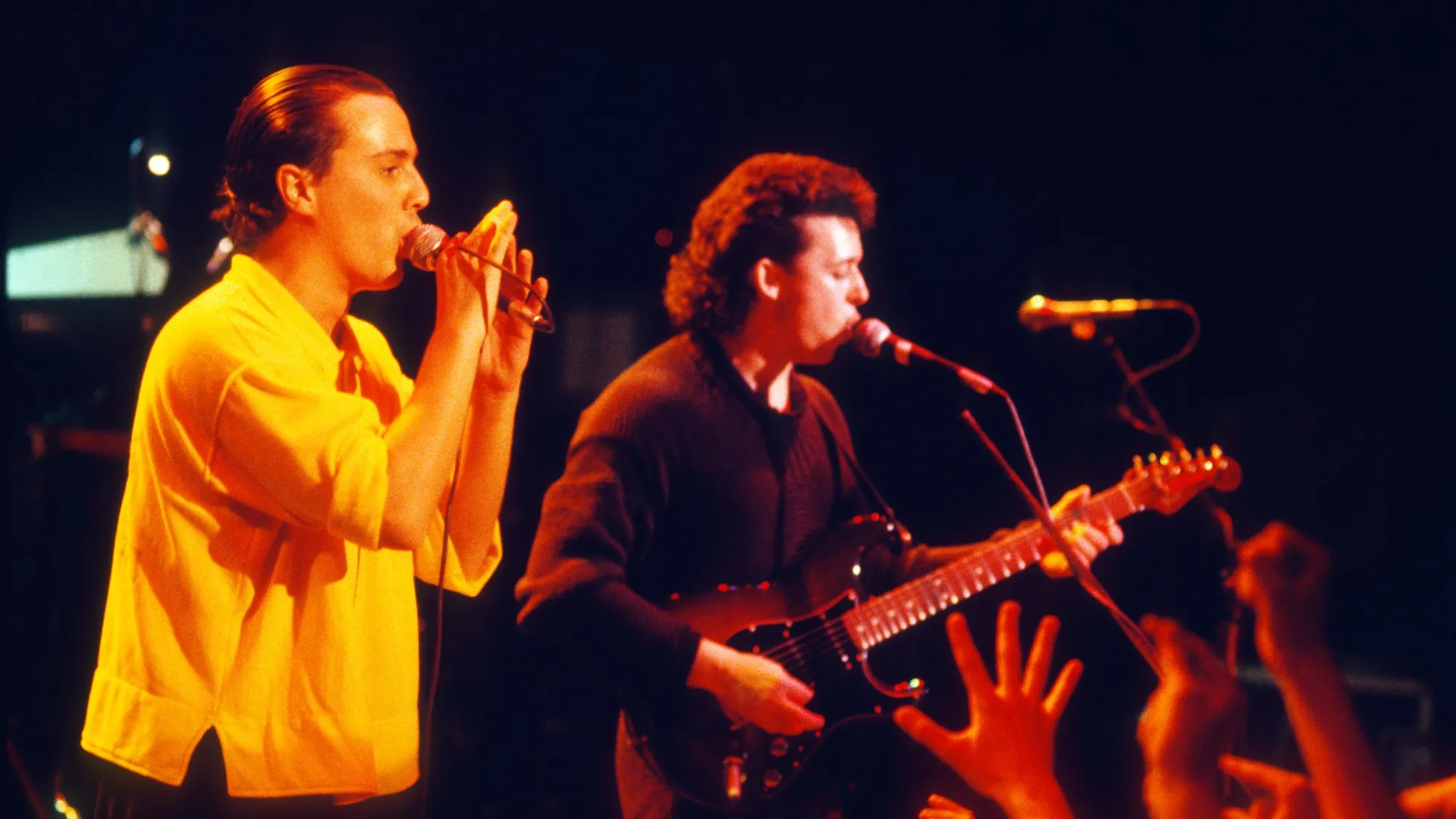
The year 1985 stands as a monumental era in the history of popular music, representing a period of unprecedented cultural convergence, technological advancement, and the globalization of the entertainment industry. It was a year defined not only by the individual success of chart-topping artists but also by a collective shift toward music as a medium for social activism and the emergence of new platforms that would redefine how audiences consumed media. From the launch of VH1 on January 1, 1985, to the historic Live Aid concerts in July, the year solidified the music video’s role as the primary engine of the industry and saw the rise of a diverse array of hits that continue to resonate in the contemporary landscape. Among the tracks that defined this period were Tears for Fears’ sophisticated synth-pop anthem "Head Over Heels," Madonna’s transformative ballad "Crazy for You," and Heart’s powerful rock resurgence with "What About Love?"
The Cultural Landscape and the Launch of VH1
To understand the impact of the music released in 1985, one must look at the infrastructure of the industry at the time. Following the massive success of MTV, which had launched four years prior, the television landscape expanded with the introduction of VH1 (Video Hits One). Launched by Warner-Amex Satellite Entertainment, VH1 was designed to target a slightly older demographic than MTV, focusing on a smoother, adult contemporary sound. This shift allowed for a broader range of artists to find visual representation, moving beyond the high-energy rock and new wave that dominated early MTV.
Simultaneously, 1985 was the year of the "mega-collaboration." The recording of "We Are the World" by the supergroup USA for Africa in January 1985 became a global phenomenon, raising tens of millions of dollars for famine relief in Ethiopia. This event, followed by the Live Aid concerts in London and Philadelphia on July 13, 1985, demonstrated that the music industry had the power to mobilize global public opinion and resources on a scale never seen before. It was within this atmosphere of high-stakes production and global reach that the defining songs of the year were born.
Tears for Fears and the Sophistication of "Head Over Heels"
Tears for Fears, the British duo consisting of Roland Orzabal and Curt Smith, reached the pinnacle of their commercial and critical success in 1985 with the release of their second studio album, Songs from the Big Chair. While the album is often remembered for the chart-topping "Everybody Wants to Rule the World" and the protest-heavy "Shout," it was the single "Head Over Heels" that showcased the band’s ability to blend complex musical arrangements with accessible pop sensibilities.
Released as the album’s fourth single in the United States, "Head Over Heels" peaked at number three on the Billboard Hot 100. The song is characterized by its driving piano melody and Orzabal’s distinctive vocals, exploring themes of romantic obsession and the loss of control that accompanies falling in love. Structurally, the song is notable for its transition into a live "Broken" reprise, a nod to the band’s earlier work.
The success of Tears for Fears in 1985 was part of what music historians call the "Second British Invasion," a period when British acts dominated the American charts thanks to the visual appeal of their music videos. "Head Over Heels" was accompanied by a whimsical, library-set music video that became a staple on both MTV and the newly launched VH1. The band’s ability to tackle psychological themes—influenced largely by the primal scream therapy of Arthur Janov—set them apart from their more superficial contemporaries, proving that pop music in 1985 could be both intellectually stimulating and commercially dominant.
Madonna’s Artistic Pivot with "Crazy for You"
By 1985, Madonna was already a household name following the success of her Like a Virgin album. However, the release of "Crazy for You" marked a significant turning point in her career. Recorded for the soundtrack of the coming-of-age film Vision Quest, "Crazy for You" was Madonna’s first major foray into the world of the power ballad.
Produced by John "Jellybean" Benitez, the track represented a departure from the upbeat, dance-oriented tracks like "Holiday" and "Lucky Star" that had initially defined her sound. Benitez, who was primarily known for his work in the club and dance scenes, admitted to initial hesitation regarding the project. In interviews later cited by industry publications such as Billboard, Benitez noted that he had never produced a ballad of this nature before. He relied on instinct to create a sound that would complement the emotional weight of the film’s narrative while maintaining Madonna’s signature appeal.
The gamble paid off. "Crazy for You" became Madonna’s second number-one hit on the Billboard Hot 100, famously displacing the charity single "We Are the World" from the top spot in May 1985. The song earned Madonna her first Grammy Award nomination for Best Female Pop Vocal Performance, signaling to critics that she was more than just a "material girl" and possessed the vocal range and emotional depth to sustain a long-term career in multiple genres. This move toward ballads would eventually pave the way for future hits like "Live to Tell" and "Take a Bow."
The Reinvention of Heart and the Success of "What About Love?"
While 1985 saw the rise of new icons, it also served as a year of spectacular reinvention for established acts. The band Heart, led by sisters Ann and Nancy Wilson, had experienced significant success in the 1970s with hard rock classics like "Barracuda" and "Magic Man." However, by the early 1980s, the band’s commercial momentum had stalled. Their 1985 self-titled album, released under Capitol Records, marked a dramatic shift toward a more polished, "glam" rock sound tailored for the MTV era.
The lead single from this album, "What About Love?", served as the band’s "comeback" anthem. Interestingly, the song was not an original Wilson composition. It was first recorded in 1982 by the Canadian rock band Toronto. The track was written by Brian Allen, Sheron Alton, and Jim Vallance—the latter being a frequent collaborator with Bryan Adams. Heart’s rendition, characterized by Ann Wilson’s soaring, powerful vocals and a lush production style, resonated deeply with the mid-80s audience.
"What About Love?" reached number 10 on the Billboard Hot 100, ending a five-year drought of Top 40 hits for the band. The song’s lyrical focus on emotional neglect and the plea for a return to romantic sincerity struck a chord with listeners. This success initiated a string of Top 10 hits for Heart, including "These Dreams" and "Alone," proving that veteran rock acts could successfully navigate the changing tides of the music industry by embracing new production techniques and external songwriting collaborations.
Data and Economic Impact of the 1985 Music Market
The financial data from 1985 reflects an industry in a state of robust health and rapid transition. According to reports from the Recording Industry Association of America (RIAA), the year saw a significant increase in the sales of Compact Discs (CDs), which had been introduced to the market just a few years prior. While vinyl and cassettes still held a majority share of the market, the CD was beginning to emerge as the premium format, driving up the average price per unit and increasing overall revenue for major labels.
The success of soundtracks also reached a fever pitch in 1985. The Vision Quest soundtrack, featuring Madonna, and the Back to the Future soundtrack both performed exceptionally well, demonstrating that the synergy between Hollywood and the music industry was at an all-time high. This cross-promotional model became the standard for the remainder of the decade, as labels realized that a hit movie could provide a massive platform for a single’s success.
Analysis of Implications and Legacy
The enduring popularity of the hits from 1985 can be attributed to the high production standards of the era and the unique cultural moment in which they were created. The year acted as a bridge between the analog past and the digital future. The music was polished and heavily produced, yet it retained a melodic core that has allowed it to transcend its original decade.
Furthermore, the events of 1985 established the template for the modern celebrity-as-activist. The success of "We Are the World" and Live Aid created a precedent for musicians to use their platforms for humanitarian causes, a trend that continues today. The rise of VH1 and the diversification of the music video market ensured that a wider variety of genres—from the synth-pop of Tears for Fears to the power ballads of Madonna—could reach a global audience simultaneously.
In retrospect, 1985 was the year the music industry became truly "global." The interconnectedness of television, film, and radio allowed artists to achieve a level of saturation that was previously impossible. Songs like "Head Over Heels," "Crazy for You," and "What About Love?" are not merely nostalgic artifacts; they are the results of a sophisticated marketing and production machine that redefined the boundaries of popular culture. As these tracks continue to be streamed, covered, and featured in modern media, their legacy as cornerstones of a golden age in pop music remains undisputed.
