

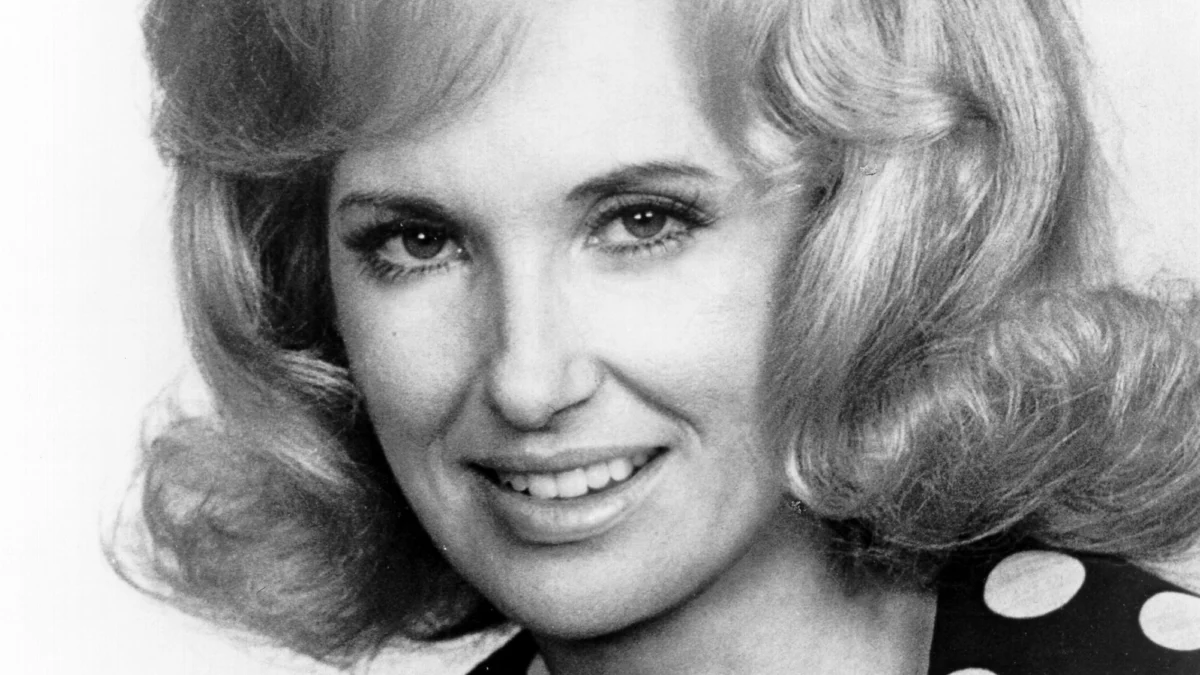
The decade of the 1960s remains a pivotal era in the evolution of American country music, serving as a bridge between the traditional honky-tonk sounds of the post-war era and the polished "Nashville Sound" that would eventually dominate the airwaves. While the decade is often remembered for its broader social upheavals, including the civil rights movement and the counterculture revolution, country music remained a steadfast chronicle of the domestic sphere. During this period, the genre began to address the realities of marital dissolution with unprecedented frequency and candor. Although divorce was a long-standing social reality, its prominence in the lyrics of 1960s country hits suggests a period of significant cultural adjustment as the American family structure began to undergo a fundamental transformation.
By analyzing key tracks from icons such as Tammy Wynette, Loretta Lynn, and Conway Twitty, it becomes evident that these songs were more than mere entertainment; they were sociological artifacts that captured the tension between traditional domestic ideals and the encroaching complexities of modern life.
The Sociological Landscape of the 1960s
To understand the surge of "divorce songs" in the 1960s, one must examine the statistical reality of the era. According to data from the National Center for Health Statistics, the divorce rate in the United States began a steady climb during this decade. In 1960, the divorce rate stood at approximately 2.2 per 1,000 population. By 1969, this figure had risen to 3.2, eventually peaking in the late 1970s and early 1980s.
The 1960s represented a period of transition where the stigma of divorce was beginning to erode, yet the legal and social hurdles remained significant. Most states still required "grounds" for divorce, such as adultery or abandonment, until California passed the first "no-fault" divorce law in 1969, signed by then-Governor Ronald Reagan. Country music, which has historically functioned as the "white man’s blues," reflected this friction by documenting the emotional fallout of broken homes, the logistics of custody, and the societal judgment often cast upon those who could not sustain their "happily ever after."
Tammy Wynette and the Logistics of Heartbreak
In 1968, Tammy Wynette released "D-I-V-O-R-C-E," a song that would become the definitive anthem of marital dissolution for its generation. Written by Bobby Braddock and Curly Putman, the track utilized a unique lyrical device: the spelling out of words that were too painful or complex for a young child to hear. This reflected a common parental strategy of the era, where the "sanctity of the child’s innocence" was preserved through a coded language of spelling.
The song’s protagonist laments the finality of the legal process, singing: "Our D-I-V-O-R-C-E becomes final today / Me and little J-O-E will be goin’ away." This narrative focus on the child, "Little Joe," grounded the song in a tangible reality that resonated deeply with the American public. The track was recorded at RCA Studio B in Nashville under the production of Billy Sherrill, whose "Countrypolitan" style—characterized by lush strings and background vocals—helped the song transcend its genre boundaries.
"D-I-V-O-R-C-E" was a commercial juggernaut. It peaked at No. 1 on the Billboard Hot Country Songs chart and managed a crossover success at No. 63 on the Billboard Hot 100. The industry recognized the song’s cultural and technical merit when it earned Wynette the Grammy Award for Best Country Vocal Performance, Female, in 1969. Historically, the song is viewed as a companion piece to her other major hit, "Stand By Your Man," providing a darker, more realistic counter-narrative to the idea of unwavering marital loyalty.
Loretta Lynn and the Confrontation of Infidelity
While Wynette’s work often focused on the sorrow and resignation following a split, Loretta Lynn brought a fiercer, more confrontational energy to the theme of marital instability. Her 1966 hit, "You Ain’t Woman Enough (To Take My Man)," addressed the threat of divorce before it could occur, positioning the wife as a proactive defender of her domestic territory.
The song was inspired by a real-life encounter Lynn had backstage at a concert, where a fan confided that another woman was trying to steal her husband. Lynn’s lyrics were blunt and revolutionary for the time: "Women like you, they’re a dime a dozen / You can buy ’em anywhere / For you to get to him, I’d have to move over / And I’m gonna stand right here."
At the time of its release, Lynn was carving out a unique space in Nashville as a voice for the rural, working-class woman. Unlike the more submissive female archetypes found in early 1950s country, Lynn’s narrator was assertive. The song peaked at No. 2 on the Hot Country Singles chart and solidified Lynn’s reputation as a songwriter who was not afraid to tackle the "un-pretty" aspects of marriage. This track paved the way for her later, even more controversial works like "The Pill" and "Rated X," the latter of which directly addressed the social stigma faced by divorced women in the early 1970s.
Conway Twitty and the Post-Divorce Narrative
The male perspective on 1960s divorce was equally complex, often oscillating between regret and the pragmatic search for new companionship. Conway Twitty’s 1968 hit "Next In Line" offers a distinct viewpoint: that of a man waiting for a woman’s current marriage to fail so he can step in as her next partner.
Twitty, who had successfully transitioned from a rockabilly career to become a country powerhouse, utilized his deep baritone to convey a sense of patient longing. The lyrics—"Everybody knows I love her / But her mind is on another / And just look what he’s done to her pride"—highlighted the "emotional wreckage" that often preceded a legal divorce. The song suggested that the dissolution of a marriage was not just an end, but a transition point for others waiting in the wings.
"Next In Line" was Twitty’s first No. 1 hit on the Hot Country Songs chart, a position it held for several weeks. It also saw international success, reaching No. 2 on the Canadian country charts. The song’s success indicated that the theme of divorce was not only a "woman’s issue" in the eyes of the record-buying public; it was a universal experience of the modernizing South.
Production and the Nashville Sound
The success of these divorce-themed tracks was bolstered by the "Nashville Sound," a production philosophy spearheaded by figures like Chet Atkins and Owen Bradley. By replacing the fiddle and steel guitar with piano, strings, and background choruses, producers made these heavy themes more palatable to a broader, more urbanized audience.
The "Nashville A-Team," a group of elite session musicians including pianist Floyd Cramer and guitarist Grady Martin, provided the instrumental backbone for these hits. Their ability to blend technical precision with emotional resonance allowed the lyrics of heartbreak and legal separation to feel both cinematic and intimate. This era of production ensured that while the lyrics were often gritty and grounded in reality, the sonic experience was sophisticated, helping country music compete with the rising tide of pop and rock ‘n’ roll.
Chronology of Key Releases and Milestones
- 1966: Loretta Lynn releases "You Ain’t Woman Enough (To Take My Man)." It signals a shift toward more confrontational domestic themes in female-led country music.
- 1967: The divorce rate in the U.S. begins a sharp upward trend that would continue for over a decade.
- 1968 (May): Tammy Wynette releases "D-I-V-O-R-C-E." It becomes a cultural touchstone and a No. 1 hit.
- 1968 (August): Conway Twitty releases "Next In Line," securing his place as a leading male voice in the country-pop crossover movement.
- 1969: California passes the Family Law Act, introducing no-fault divorce and forever changing the legal landscape that these songs documented.
- 1969 (March): Tammy Wynette wins the Grammy for Best Country Vocal Performance, Female, for "D-I-V-O-R-C-E."
Broader Implications and Legacy
The divorce songs of the 1960s did more than just fill airtime; they served as a form of public processing for a society in flux. For many listeners, hearing their private struggles reflected in the voices of stars like Wynette and Lynn provided a sense of validation. These songs de-mystified the process of marital failure, moving it from the shadows of private shame into the public sphere of popular art.
Furthermore, these tracks laid the groundwork for the "Outlaw Country" movement of the 1970s and the "Neo-Traditionalist" movement of the 1980s. By proving that audiences were hungry for realism, these 1960s icons expanded the emotional vocabulary of the genre. Today, the influence of these songs can be heard in the works of modern artists who continue to use the "divorce album" as a medium for artistic growth and raw storytelling.
In retrospect, the 1960s were not just a time of "catchy" classics; they were a decade where country music grew up, acknowledging that the American dream of a white-picket-fence life was often interrupted by the cold reality of a courtroom. Through the spelling of "D-I-V-O-R-C-E" and the defiance of "You Ain’t Woman Enough," the artists of the 1960s ensured that the complexities of the human heart would always have a home on the country charts.
