

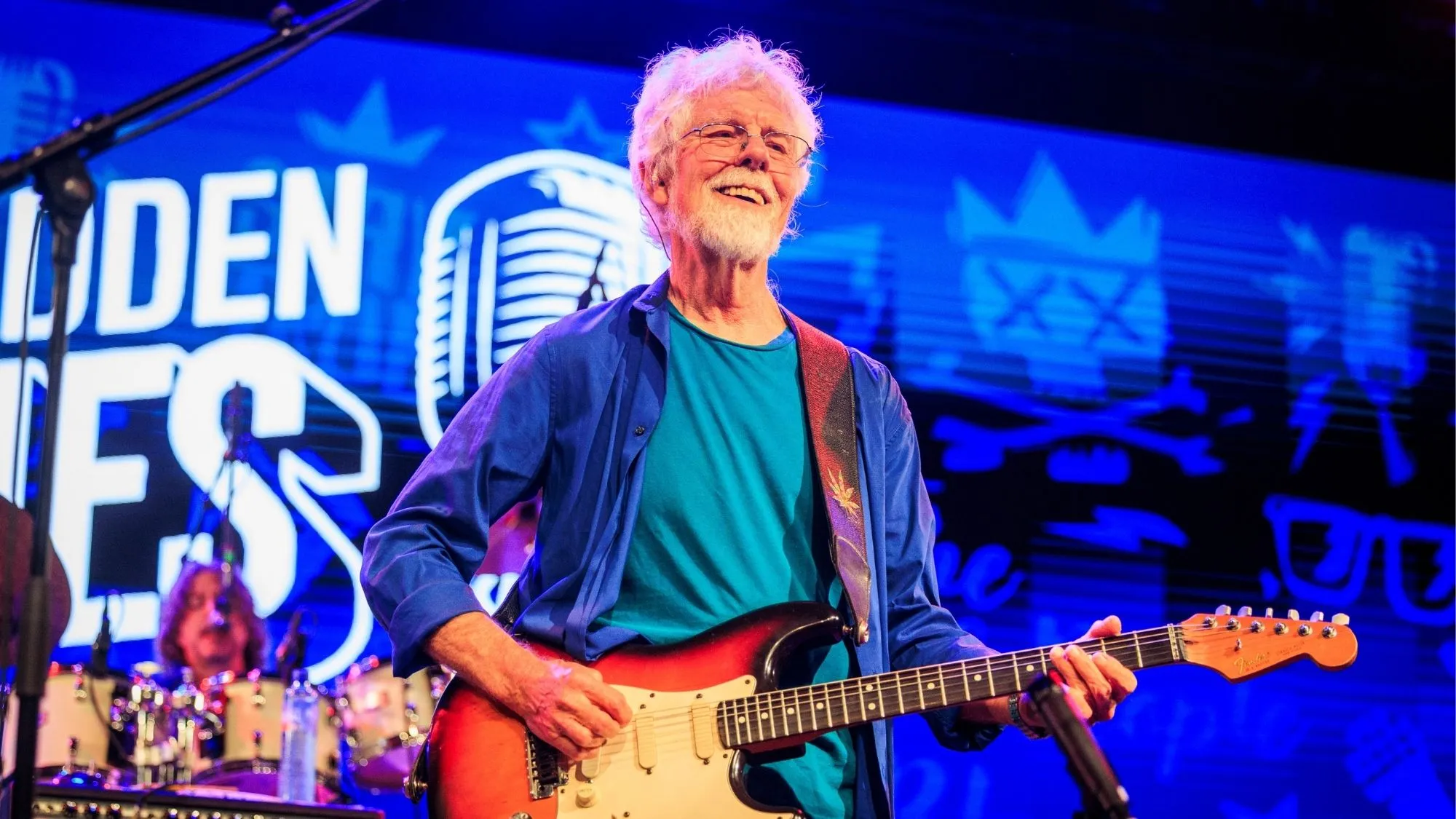
The history of American rock and roll is often written through the lens of its frontmen and icons, yet the structural integrity of the genre has frequently been maintained by the hands of master multi-instrumentalists who operate with equal proficiency in the studio and on the stage. Among these elite craftsmen stands Fred Tackett, a musician whose career spans more than half a century and whose contributions have shaped the sound of legendary acts ranging from Bob Dylan to Dolly Parton. Born on August 30, 1945, in Little Rock, Arkansas, Tackett’s journey from a young trumpet player in the American South to a cornerstone of the influential jam band Little Feat serves as a definitive chronicle of the session-musician era and the enduring appeal of the Americana genre. As he marks another significant milestone in his life, his career invites a deeper examination of his technical versatility, his collaborative spirit, and his role in one of the most respected musical ensembles in history.
The Foundations of a Virtuoso: Arkansas to Los Angeles
The musical identity of Fred Tackett was forged in the cultural crucible of Little Rock, Arkansas. Born to a mother who practiced law and a father who worked as an accountant, Tackett’s upbringing provided a stable environment that allowed his early interest in music to flourish. At the age of five, he began his formal education in music through the trumpet, an instrument that would later provide him with a unique edge in the rock and roll world. However, the trajectory of his life shifted in the late 1950s when the cultural phenomenon of Elvis Presley reached Arkansas. Like many of his generation, Tackett was captivated by the raw energy of early rock and roll, prompting him to pick up the guitar at age 12.
Throughout his formative years, Tackett refused to be pigeonholed into a single discipline. He maintained his role as a trumpet player in his school’s marching and concert bands, explored the complexities of rhythm as a drummer in various jazz ensembles, and sharpened his improvisational skills as a guitarist in local rock bands. This multidisciplinary approach became the hallmark of his professional career. Following high school, Tackett’s pursuit of musical excellence took him to Texas and later Oklahoma City for college. It was in Oklahoma City that he joined a supper-club band known as Eyebrows, a gig that would eventually lead him to Hawaii. This relocation proved to be a pivotal moment in his career, as it was in Hawaii that he met the legendary songwriter Jimmy Webb, known for classics such as "Galveston" and "MacArthur Park." Recognizing Tackett’s extraordinary talent, Webb encouraged him to relocate to Los Angeles, the epicenter of the American music industry in the late 1960s.
The Session Era and the Little Feat Connection
Upon arriving in Los Angeles, Tackett quickly integrated himself into the city’s vibrant session scene. His arrival coincided with the 1969 formation of Little Feat by Lowell George and Bill Payne. While Tackett did not join the band as a permanent member during its initial run, he became an essential part of the group’s extended creative family. His technical ability on the guitar and mandolin made him an invaluable sideman on some of the band’s most critically acclaimed albums. He contributed to the 1973 masterpiece Dixie Chicken, a record that solidified Little Feat’s reputation for blending New Orleans funk, blues, and country. Tackett’s influence on the band’s catalog was not limited to instrumental performance; he also penned the track "Fool Yourself" for the Dixie Chicken album, demonstrating a keen sensibility for the band’s unique rhythmic pocket.
Tackett’s presence continued through the 1970s, appearing on the 1977 album Time Loves a Hero. Despite his deep ties to Little Feat, he remained one of the most sought-after session players in the industry. This period of his career saw him recording and touring with a diverse array of artists. One of his most notable collaborations occurred in 1979 when he was recruited by Bob Dylan for the tour supporting the gospel-influenced album Slow Train Coming. This era of Dylan’s career was marked by a significant shift in tone and message, and Tackett’s ability to navigate these complex arrangements was showcased during high-profile appearances, including a performance on Saturday Night Live. His resume from this era reads like a directory of American music royalty, featuring work with Dolly Parton, Vince Gill, and his mentor Jimmy Webb.
Formalizing the Bond: The Post-Lowell George Era
The history of Little Feat was tragically altered on June 29, 1979, when the band’s founder and creative engine, Lowell George, died of a heart attack at the age of 34. At the time of his death, George had just released his only solo album, Thanks, I’ll Eat It Here, a project on which Tackett had collaborated extensively as both a musician and a songwriter. The loss of George led to the dissolution of the band, leaving a void in the Americana and southern rock landscape.
For nearly a decade, the surviving members of Little Feat pursued individual projects, but the demand for their collective sound never waned. In 1987, the group decided to reunite, recognizing that their musical chemistry was too potent to leave dormant. It was during this revitalization that Fred Tackett finally transitioned from a frequent collaborator to an official member of the band. Joining alongside Pure Prairie League co-founder Craig Fuller, Tackett helped spearhead a new era for Little Feat. The 1988 comeback album, Let It Roll, was a commercial and critical success, proving that the band could thrive even in the absence of George. Tackett’s partnership with guitarist Paul Barrere became a central component of the band’s sound, as the two developed a telepathic playing style that defined the group’s live performances for the next three decades.
Technical Versatility and the Americana Influence
Tackett’s contribution to the music world is often defined by his "multi-instrumentalist" tag, but this label barely scratches the surface of his technical depth. As a guitarist, he is known for a clean, melodic style that emphasizes tone and timing over sheer speed. His ability to switch seamlessly to the mandolin added a folk and bluegrass texture to Little Feat’s sound, helping to bridge the gap between traditional American roots music and modern rock. Furthermore, his background as a trumpet player allowed him to understand horn arrangements from the inside out, often contributing to the "Tower of Power" style brass sections that frequently accompanied the band.
In the broader context of music history, Tackett and Little Feat are often cited as the quintessential "musician’s band." This reputation was famously bolstered by members of Led Zeppelin, who frequently cited Little Feat as their favorite American group. The complexity of their rhythms—often incorporating odd time signatures and syncopated funk beats—required a level of precision that few players could maintain. Tackett’s steady hand and creative input ensured that the band remained at the vanguard of the "jam band" movement, influencing subsequent generations of artists like Phish and the Dave Matthews Band.
The Final Act: Strike Up the Band and The Last Farewell
As the music industry transitioned into the 21st century, Tackett remained a constant force within Little Feat. Despite the passing of Paul Barrere in 2019, the band continued to tour and record, honoring the legacy of their fallen members while pushing forward with new material. In May 2025, the band released Strike Up the Band, their first studio album of original material in 13 years. The album was hailed as a return to form, blending the band’s signature funk-rock style with contemporary lyrical themes. Tackett’s guitar work on the album was noted by critics for its continued vitality, proving that his creative powers remained undiminished by time.
However, the release of Strike Up the Band also signaled the beginning of the end for the legendary touring outfit. In April of the same year, the band launched "The Last Farewell Tour," an extensive global trek designed to serve as a final thank you to their dedicated fan base. The tour has been an emotional journey for both the band and the audience, featuring setlists that span the entirety of Tackett’s involvement with the group. From the swampy grooves of "Dixie Chicken" to the sophisticated arrangements of their new material, the tour highlights Tackett’s indispensable role in the Little Feat tapestry.
Implications and Musical Legacy
The career of Fred Tackett offers a masterclass in professional longevity and artistic adaptability. In an industry that often prioritizes image over substance, Tackett’s success was built entirely on his utility and his ears. His ability to serve the song—whether it was a country ballad for Dolly Parton or a sprawling jam for Little Feat—set a standard for session musicians and band members alike.
As the "Last Farewell Tour" winds toward its conclusion, the impact of Tackett’s work remains visible across the musical spectrum. He helped define the "Los Angeles sound" of the 1970s, a period where the boundaries between rock, country, and folk were porous and experimental. His journey from Little Rock to the world’s biggest stages is a testament to the power of musical curiosity and the importance of technical foundation. While the retirement of Little Feat marks the end of an era, the recordings featuring Tackett’s guitar, mandolin, and trumpet will continue to serve as essential listening for students of American music. At 81, Fred Tackett stands not just as a survivor of the rock and roll era, but as one of its most accomplished architects, leaving behind a body of work that is as diverse as the country that inspired it.
