

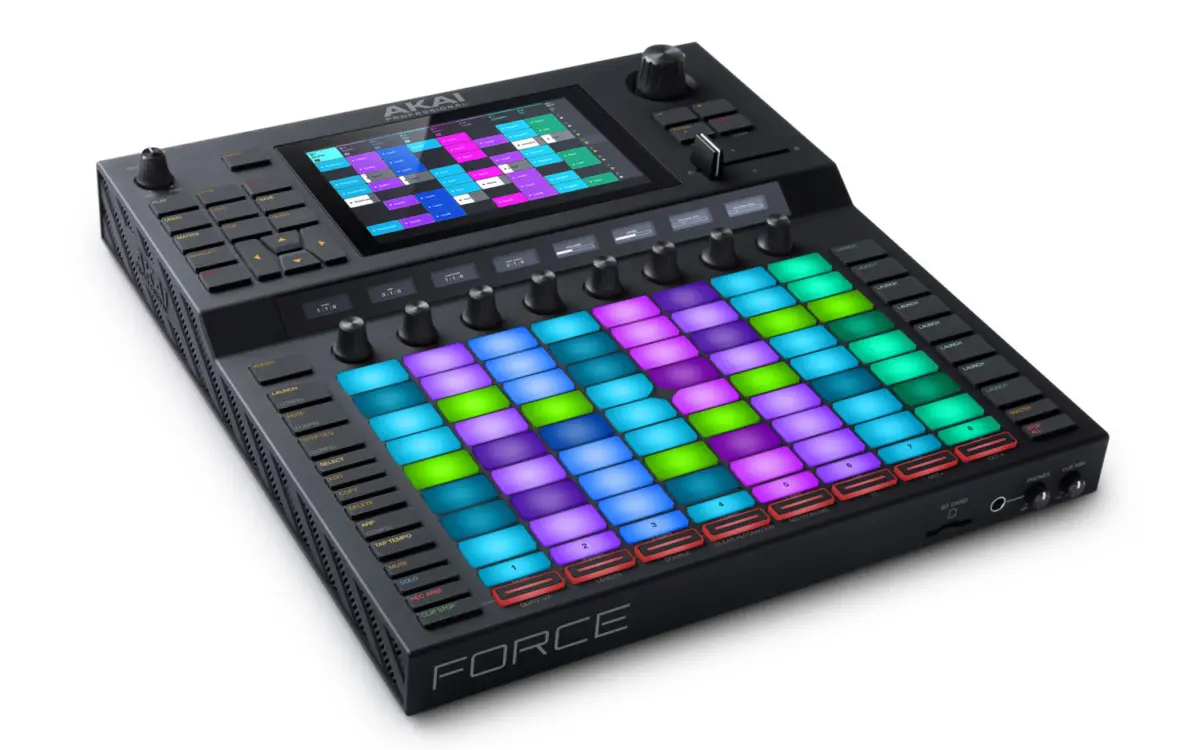
Akai Professional, a subsidiary of inMusic Brands and a leading innovator in music production hardware, has officially announced the release of its MPC Plugin Software Development Kit (SDK). This landmark move marks a fundamental shift in the company’s ecosystem, transitioning the MPC platform from a closed, proprietary environment to an open framework that allows third-party developers to create custom synthesizers, audio effects, and utility plugins. Released in conjunction with the MPC 3.10.1 firmware update, the SDK provides the necessary tools for independent programmers to build software that runs natively on standalone MPC hardware, including the MPC One, MPC Live, MPC X, and MPC Key series.
The release of the MPC Plugin SDK represents one of the most significant strategic pivots in the history of the MPC line. Since its inception in the late 1980s, the Music Production Center (MPC) has evolved from a hardware sampler and MIDI sequencer into a modern, standalone workstation powered by a specialized Linux-based operating system. By publishing the SDK via the inMusic GitHub organization, Akai is effectively inviting the global developer community to contribute to the platform’s sonic capabilities, potentially mirroring the success of established plugin formats such as VST, AU, and AAX.
Technical Framework and Developer Tools
The MPC Plugin SDK is built upon a C++ framework, offering a robust set of tools designed to interface directly with the MPC’s internal plugin host. The kit includes comprehensive documentation, cross-compilation tools, and a series of plugin templates that serve as a foundation for new projects. Because modern MPC hardware utilizes ARM-based architecture, the SDK facilitates the creation of optimized code that can handle real-time digital signal processing (DSP) within the constraints of standalone hardware.
Key components of the SDK include:
- C++ Framework: A standardized library for managing audio buffers, MIDI data, and parameter automation.
- Touchscreen Interface Tools: Specialized resources for designing Graphical User Interfaces (GUIs) that are responsive to the MPC’s high-resolution multi-touch displays.
- Hardware Integration: Tools for mapping software parameters to the physical Q-Link knobs, pads, and buttons found on MPC devices.
- Example Projects: Pre-built source code for basic synthesizers, drum instruments, and stereo delay effects, intended to accelerate the learning curve for new developers.
The SDK is being distributed under the MIT license, a permissive free software license that allows developers to use, copy, modify, and distribute the software with minimal restrictions. This choice of licensing is intended to foster a vibrant ecosystem where both amateur and professional developers can create and potentially monetize their contributions.
AI-Assisted Development and Modern Workflow
In a forward-looking move, Akai Professional has integrated documentation specifically tailored for AI-assisted coding. The SDK includes instructions for utilizing advanced large language models (LLMs) and coding agents, such as Claude Code and OpenAI Codex, to streamline the development process. This integration allows developers to describe the desired characteristics of an instrument or effect in natural language, which the AI can then translate into functional C++ code.
By leveraging AI, Akai aims to lower the barrier to entry for digital signal processing development. A musician with a concept for a unique distortion pedal or a granular synthesizer can use these coding agents to generate the underlying logic, build the plugin using the provided cross-compilation tools, and deploy it to their MPC hardware. This approach aligns with broader industry trends toward "no-code" or "low-code" solutions, democratizing the ability to create bespoke production tools.
The MPC 3.10.1 Firmware Update
While the SDK targets the developer community, the accompanying MPC 3.10.1 firmware update delivers immediate enhancements for end-users. This update is part of the broader rollout of the MPC 3 software architecture, which redesigned the user interface to be more intuitive and performance-oriented.
Notable features in the 3.10.1 update include:
- Advanced Arrange Mode Tools: Enhanced editing capabilities for the Arrange Mode, allowing for more precise control over song structure and linear recording.
- AAX Support for Pro Tools: Improved compatibility for the MPC software when used as a plugin within Avid Pro Tools, catering to professional studio environments.
- Expanded Controller Integration: Deeper integration for the MPK series of MIDI controllers, allowing for "plug-and-play" functionality with mapped controls for MPC parameters.
- 8×8 Performance Modes: New performance layouts for the MPC Live II and MPC XL, maximizing the utility of the hardware pads for clip launching and note input.
- MPC Beats Mode: A streamlined workflow option for users of the entry-level MPC Beats software, ensuring a consistent experience between the desktop and standalone versions.
The update also includes various stability improvements and workflow refinements designed to optimize the performance of the internal Linux kernel and the graphical rendering engine.
Historical Context and Evolution of the MPC Platform
To understand the impact of this SDK release, it is necessary to examine the trajectory of the MPC line. For decades, the MPC was a "walled garden." Users were limited to the factory sounds and, eventually, the internal plugins developed by Akai and its partners (such as Air Music Technology).
The shift began with the release of the MPC Touch and the subsequent standalone MPC Live and MPC X models. These devices moved away from traditional microcontrollers to a full-fledged System-on-a-Chip (SoC) architecture. This transition allowed Akai to implement complex virtual instruments like "Fabric XL," "OPx4," and "Organ," which rivaled desktop VSTs in complexity. However, until now, the ability to create such plugins was restricted to Akai’s internal engineering teams.
By opening the platform, Akai is responding to a long-standing demand from the user community for more diverse sound-shaping tools. This move mirrors the evolution of the mobile phone industry, where the introduction of app stores transformed hardware into versatile platforms for third-party innovation.
Industry Implications and Competitive Landscape
The release of the MPC Plugin SDK places Akai in a unique position within the "DAW-in-a-box" market. Competitors such as Native Instruments (Maschine+), Ableton (Push 3 Standalone), and Roland (MC-707) have largely maintained closed systems. Ableton Push 3 allows for some degree of customization via Max for Live, but Akai’s approach provides a more traditional, native development path through C++.
Industry analysts suggest that this move could lead to several significant outcomes:
- Third-Party Marketplace: The creation of an unofficial or official marketplace where developers can sell MPC-compatible plugins, providing a new revenue stream for creators.
- Niche Plugin Development: The emergence of specialized tools for specific genres or experimental synthesis methods that might not have a broad enough appeal for Akai to develop internally.
- Hardware Longevity: By allowing the community to update and expand the software capabilities, Akai extends the relevant lifespan of its current hardware lineup.
The music production community has already begun to react to the news. Ziv Eliraz, the host of the influential "loopop" YouTube channel, demonstrated the potential of the SDK by showcasing custom plugins he created using the new framework. His analysis highlighted the ease of mapping hardware controls, suggesting that the SDK is well-optimized for the specific physical interface of the MPC.
Implementation and Availability
The MPC Plugin SDK is currently available for download via GitHub. To utilize third-party plugins, MPC hardware must be running firmware version 3.10.1 or later. Additionally, the "External Plugin Support" feature must be enabled within the hardware settings.
Akai has clarified that while the SDK is open, the MPC operating system itself remains proprietary and closed-source. This ensures that the core stability of the hardware is maintained while allowing for modular expansion. The company has also provided a set of "Best Practices" for developers to ensure that third-party plugins do not compromise the low-latency performance required for live music production.
For users and developers interested in the technical specifications, Akai Professional has updated its official website with detailed release notes and a developer portal. The portal includes links to the GitHub repository and community forums where developers can exchange ideas and troubleshoot technical challenges.
Conclusion
The release of the MPC Plugin SDK and the 3.10.1 update marks a new era for Akai Professional. By embracing an open-development philosophy and integrating modern AI-assisted tools, Akai is not only expanding the functionality of its current products but also setting a new standard for the standalone music production industry. As the developer community begins to experiment with the framework, the MPC platform is poised to become an even more versatile and indispensable tool for musicians, sound designers, and producers worldwide. This strategic move ensures that the MPC remains at the center of the modern studio, evolving through the collective creativity of its global user base.
