

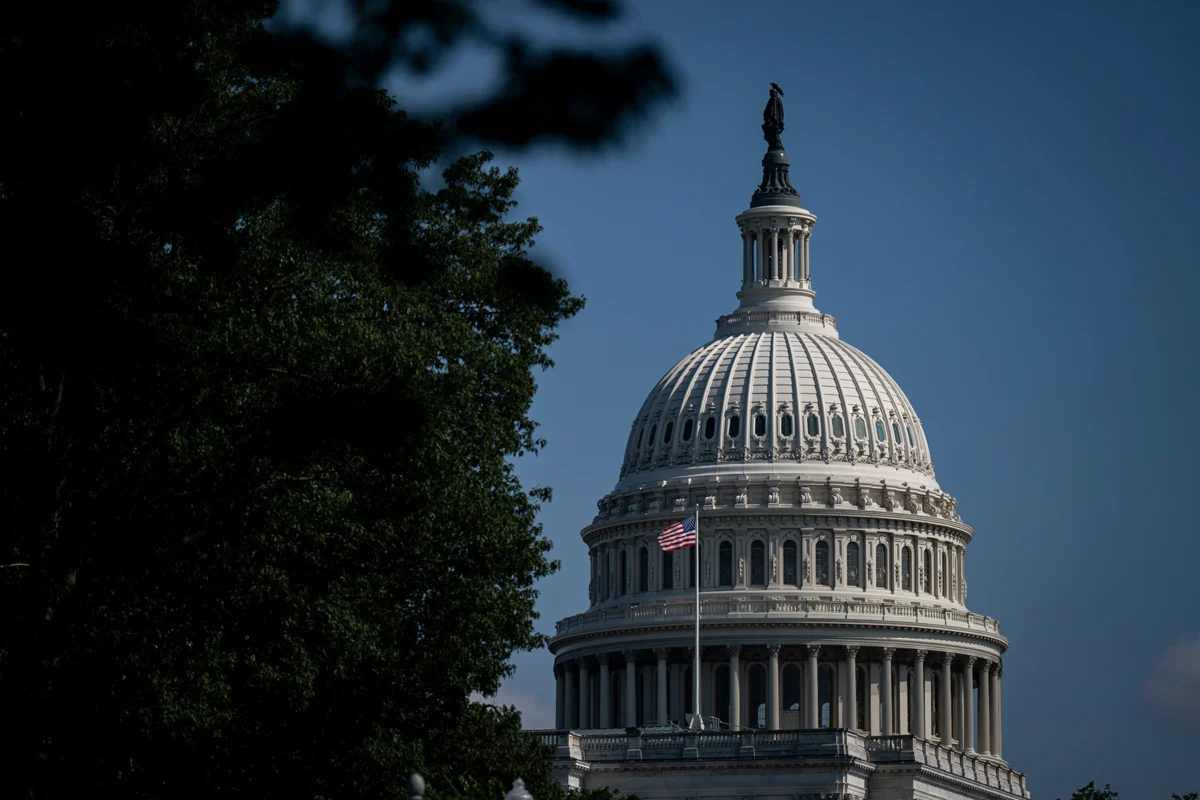
Billboard has initiated a dedicated legislative tracking effort, meticulously monitoring a series of pivotal bills before the 119th United States Congress that are poised to significantly reshape the landscape of the music industry. This proactive initiative underscores the critical juncture at which the creative economy finds itself, grappling with rapid technological advancements, evolving consumer behaviors, and persistent challenges related to intellectual property and fair compensation. The legislation under scrutiny spans a broad spectrum of issues, from the intricate mechanics of songwriting and licensing to the robust dynamics of live performances, ticketing transparency, artist royalties, and the burgeoning role of artificial intelligence.
The Evolving Legislative Landscape for Music
The music industry, a vibrant and economically substantial sector, has long been intertwined with federal policy, with legislative decisions often having profound and lasting effects on creators, businesses, and consumers alike. The 119th Congress, which convenes from January 2025 to January 2027, faces a unique confluence of factors demanding legislative attention. The digital revolution, while opening unprecedented avenues for global reach and distribution, has also introduced complex challenges concerning copyright enforcement, equitable revenue distribution in the streaming era, and the ethical implications of AI-generated content.
Historically, major legislative milestones, such as the Copyright Act of 1976 and more recently the Music Modernization Act (MMA) of 2018, have demonstrated Congress’s capacity to address industry-wide shifts. The MMA, for instance, significantly reformed how mechanical royalties are paid for digital music, establishing the Mechanical Licensing Collective (MLC) to streamline payments to songwriters and publishers. These precedents highlight the potential for current legislative efforts to similarly redefine operational frameworks and economic models across the music ecosystem.
However, the legislative process is inherently arduous and often protracted. Bills frequently undergo multiple iterations, face rigorous committee reviews, extensive hearings, and substantial revisions before potentially reaching a floor vote in either the House of Representatives or the Senate. The journey to presidential signature is fraught with potential roadblocks, including bipartisan disagreements, competing industry interests, and the sheer volume of legislative priorities. This intricate process necessitates constant vigilance and informed advocacy from all stakeholders, a role Billboard aims to facilitate through its comprehensive tracking.
Key Areas of Legislative Focus
Billboard‘s monitoring efforts are organized around several critical domains that are currently subjects of intense debate and proposed legislative remedies:
1. Ticketing and Live Performance Integrity:
The live music sector, a cornerstone of the industry’s revenue and cultural impact, continues to grapple with issues of transparency, predatory secondary market practices, and "junk fees." Several proposed bills aim to enhance consumer protections by mandating all-in pricing, combating speculative ticket sales, and increasing accountability for ticket resale platforms. For example, legislation often referred to generically as the "TICKET Act" or "Fans First Act" seeks to ensure that consumers are fully aware of ticket costs upfront, including all fees, and to prevent bots from unfairly snatching up large quantities of tickets for resale at inflated prices. The impact of such legislation could be transformative, potentially stabilizing ticket prices, reducing consumer frustration, and fostering a healthier, more transparent market for live events, benefiting artists, venues, and fans. The economic stakes are high; pre-pandemic, the global live music market was valued at over $26 billion, with North America being a significant contributor, underscoring the necessity of a fair and functional ticketing ecosystem.
2. Copyright and Royalty Reform in the Digital Age:
The advent of streaming has fundamentally altered how music is consumed and monetized, yet the compensation structures for creators often lag behind technological advancements. Bills addressing royalty rates for digital transmissions, mechanical royalties, and performance rights are central to ensuring fair compensation for songwriters, artists, and rights holders. Discussions often revolve around the equitable distribution of streaming revenues, which many artists argue disproportionately favor platforms and major labels. Potential legislation might explore mechanisms for adjusting statutory royalty rates, enhancing transparency in royalty reporting, or establishing new frameworks for micro-licensing in emerging digital environments. The ongoing debate over the "value gap"—the disparity between the value generated by creative works online and the revenues returned to creators—remains a driving force behind many of these proposed reforms.
3. Artificial Intelligence and Intellectual Property Protection:
Perhaps the most rapidly evolving and complex area, the intersection of artificial intelligence and intellectual property, demands urgent legislative clarity. The proliferation of AI tools capable of generating music, lyrics, and even mimicking artists’ voices raises profound questions about copyright ownership, fair use, and the potential for unauthorized use of existing creative works to train AI models. Bills in this domain seek to define the legal status of AI-generated content, establish clear guidelines for consent and compensation when an artist’s likeness or work is used by AI, and provide robust protections against AI-driven infringement. This includes proposals for mandatory disclosure for AI-generated works and legal recourse for artists whose creative output is appropriated without permission. The stakes are immense, as the outcome of these legislative debates will shape the future of creativity, innovation, and intellectual property rights in the digital age.
4. Artist Rights and Economic Empowerment:
Beyond direct royalties, a broader category of legislation focuses on enhancing artists’ overall economic well-being and contractual fairness. This includes proposals for increased transparency in recording contracts, protections against predatory practices, and support for artist unions or collective bargaining. Some bills might seek to establish federal standards for health and safety in touring, provide better access to mental health resources for industry professionals, or even explore portable benefits programs for independent contractors. The goal is to empower artists, particularly independent ones, to navigate a complex industry with greater legal and financial security.
5. Music Tourism and Economic Development:
Recognizing music’s significant contribution to local and national economies, some legislative efforts may focus on supporting music-related tourism and cultural events. This could involve funding for music festivals, grants for small venues, or tax incentives for cultural productions. Such bills aim to leverage music as an economic driver, creating jobs, attracting tourists, and enriching communities. The economic ripple effect of a thriving music scene extends to hospitality, retail, and transportation sectors, making it a compelling area for legislative support.
Industry Advocacy and Bipartisan Support
A notable aspect of the current legislative push is the broad bipartisan support many of these initiatives enjoy. Democrats and Republicans in Congress recognize the economic and cultural significance of the music industry, often finding common ground on issues like intellectual property protection, small business support, and consumer rights. This bipartisan cooperation is crucial for navigating the often-polarized legislative environment.
Industry players have been actively engaged in advocating for these bills. Prominent organizations like the Recording Academy, which champions the interests of music creators, and the Recording Industry Association of America (RIAA), representing major record labels and distributors, have lent their considerable influence. Their advocacy often involves detailed briefings for lawmakers, expert testimony in committee hearings, and grassroots campaigns to mobilize artists and fans. Corporate giants, including major record labels (e.g., Universal Music Group, Sony Music Entertainment, Warner Music Group) and live entertainment powerhouses like Live Nation, also actively participate in these discussions, bringing their perspectives on market stability, innovation, and global competitiveness.
For instance, the Recording Academy often emphasizes the need to protect the human creators behind the music, advocating for fair compensation models that reflect the true value of their contributions. The RIAA, representing the investment made by labels in artist development and marketing, typically focuses on robust copyright enforcement and anti-piracy measures to protect their intellectual property assets. Live Nation, as a dominant force in live events, advocates for policies that foster a healthy touring ecosystem, including fair ticketing practices and venue support. While their specific interests may sometimes diverge, a common thread of supporting a vibrant and financially sustainable music industry unites their efforts.
The Legislative Process: A Detailed Chronology
Understanding the journey of a bill is crucial to appreciating the current legislative landscape.
- Introduction: A bill begins when a Senator or Representative introduces it in their respective chamber. It is assigned a number (e.g., S. 123 in the Senate, H.R. 456 in the House).
- Committee Referral: The bill is then referred to one or more committees with jurisdiction over its subject matter. For music-related bills, this often includes the Judiciary Committee (for copyright issues), the Energy and Commerce Committee (for technology and consumer protection), or relevant subcommittees.
- Committee Hearings and Markups: Committees hold hearings where experts, industry stakeholders, and affected parties provide testimony. This is a critical stage for advocacy, as organizations like the RIAA or the Recording Academy present their cases. Following hearings, committees may "mark up" the bill, making amendments and revisions.
- Committee Vote: If a bill is approved by the committee, it is "reported out" to the full chamber.
- Floor Debate and Vote: The bill is then scheduled for debate on the floor of the House or Senate. Members can offer additional amendments. A simple majority vote is typically required for passage in each chamber.
- Bicameral Passage: For a bill to become law, it must pass in identical form in both the House and the Senate. If different versions pass each chamber, a "conference committee" composed of members from both houses is formed to reconcile the differences.
- Presidential Action: Once passed by both chambers, the bill is sent to the President. The President can sign it into law, veto it (which Congress can override with a two-thirds vote in both houses), or allow it to become law without signature.
This lengthy and complex process means that many bills introduced will never become law. However, the introduction and debate surrounding them serve to highlight critical issues and can lay the groundwork for future legislation or influence regulatory actions.
Broader Impact and Implications
The cumulative effect of these legislative efforts extends far beyond the immediate financial implications for specific industry segments. Robust copyright protections and fair compensation models foster an environment where creators are incentivized to produce new music, enriching the cultural fabric of the nation. Transparent ticketing practices build trust between artists and their fan bases, ensuring that the magic of live performance remains accessible and equitable. Thoughtful regulation of AI in the creative sphere will be crucial in balancing technological innovation with the preservation of human artistry and intellectual property rights.
Conversely, inaction or poorly conceived legislation could stifle innovation, exacerbate existing inequalities, or create new avenues for exploitation. For instance, if AI is not adequately addressed, it could lead to widespread copyright infringement, devaluing human-created content and potentially undermining the livelihoods of countless artists and musicians. If ticketing remains opaque, it could further alienate fans and damage the economic viability of live events.
Billboard‘s commitment to compiling this information in a centralized, accessible format is invaluable. By providing a clear overview of each bill’s history, its supporters, and its potential impact, the publication serves as a vital resource for industry professionals, policymakers, and the public. As the 119th Congress progresses, this tracking initiative will continuously update, reflecting the dynamic nature of legislative developments and ensuring that the music business remains informed and prepared for the policy shifts that will undoubtedly shape its future. This ongoing vigilance is paramount for an industry that thrives on creativity but is increasingly reliant on sound legal and economic frameworks to flourish.
