
The independent music sector has undergone a seismic shift over the last decade, transitioning from a fringe movement to a multi-billion dollar pillar of the global entertainment industry. As the barrier to entry for recording and distribution has lowered, the primary challenge for the modern artist has shifted from production to visibility and professional integration. In an environment saturated with content, the capacity to network effectively and forge strategic collaborations is no longer merely an advantage; it is a fundamental requirement for career sustainability. Industry analysts note that while digital tools allow for solitary creation, the growth of an artist’s reach is inextricably linked to the strength of their professional community. This report examines the emerging methodologies for networking in the independent sphere, highlighting five non-traditional avenues that are redefining how artists connect, create, and capitalize on their creative output.
The Socio-Economic Context of Independent Music Collaboration
The rise of the "solopreneur" musician has created a unique paradox within the arts. According to data from MIDiA Research, the independent artist segment is the fastest-growing part of the global music business, generating over $2 billion in annual revenue. However, this growth brings intense competition. With over 100,000 tracks uploaded to streaming platforms daily, the isolation of the home studio can become a professional liability. Networking, once defined by high-level industry mixers and label-sponsored events, has decentralized. Today, successful independent musicians utilize a "bottom-up" approach, building localized and digital ecosystems that bypass traditional gatekeepers.
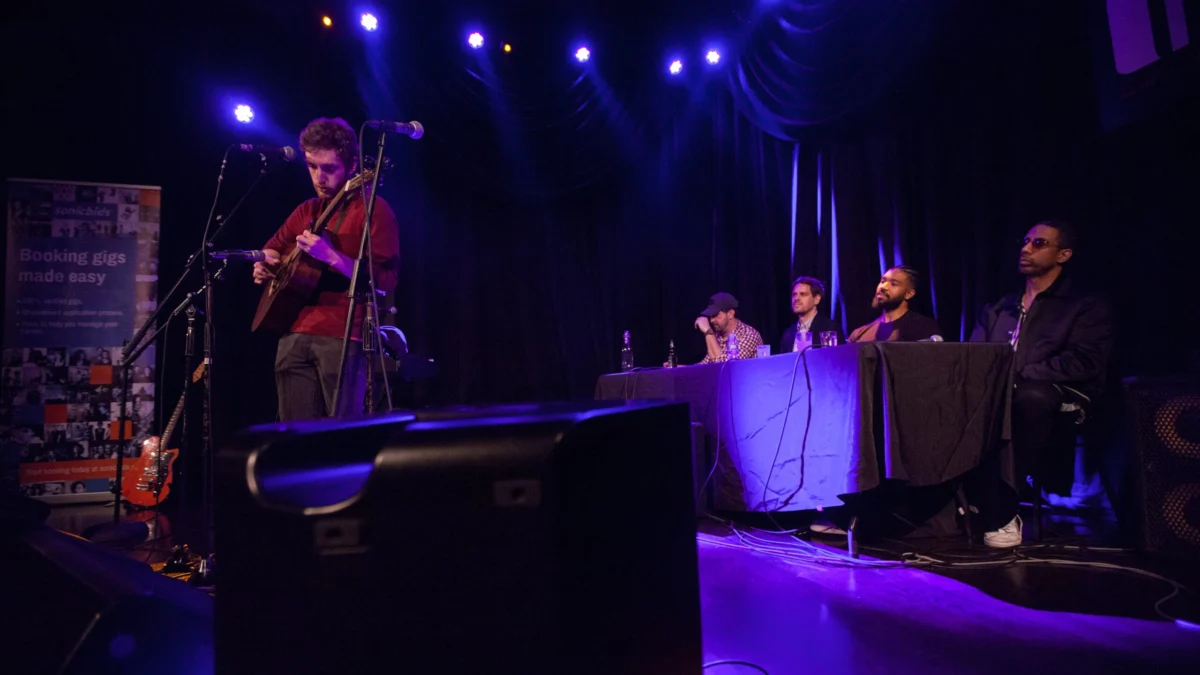
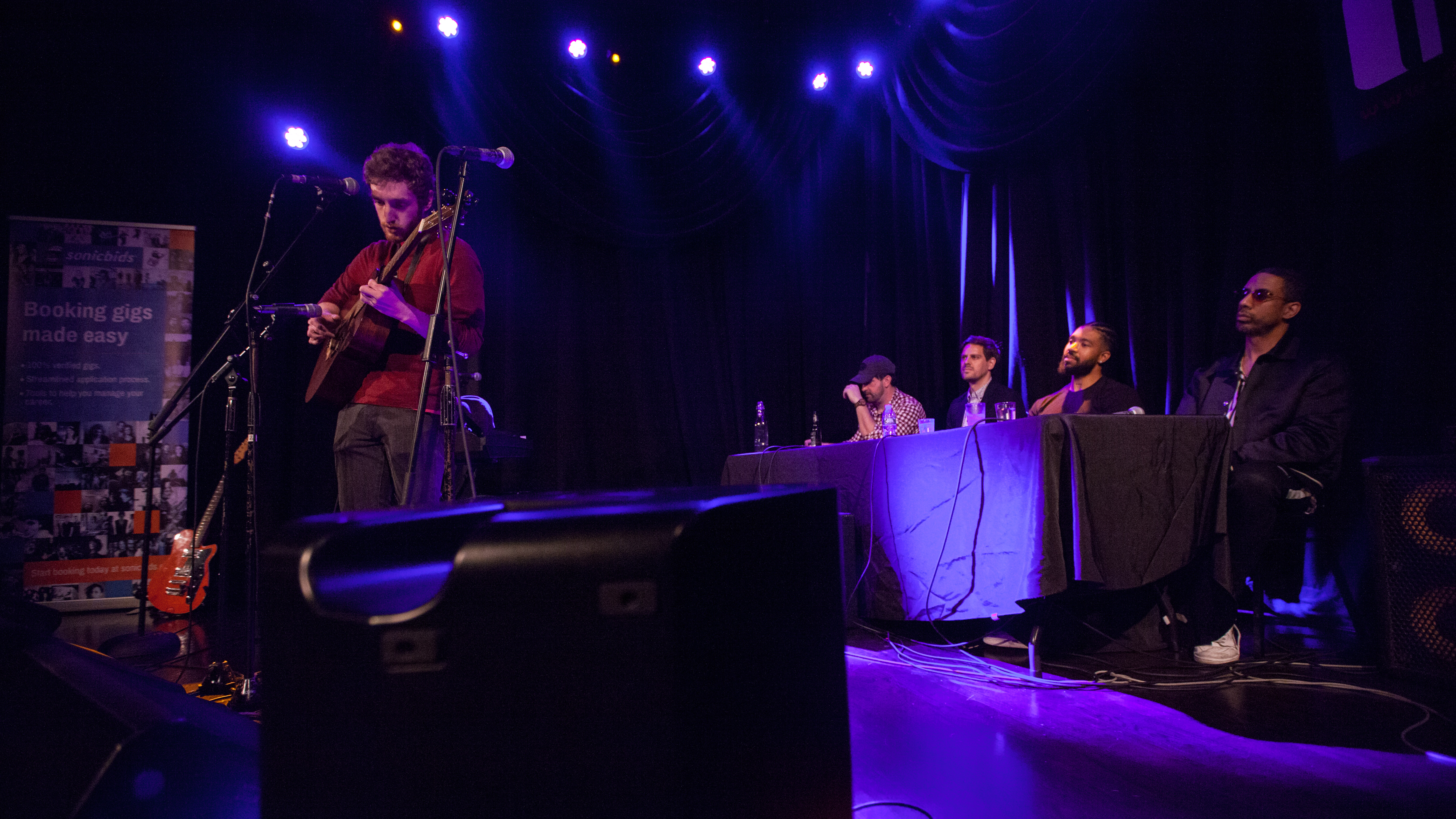
The importance of these ecosystems was recently highlighted during the Feedback Collective Panel Discussion, an initiative hosted by Sonicbids. The event underscored a critical industry sentiment: creativity thrives in communal settings where diverse skill sets intersect. By moving away from a competitive mindset and toward a collaborative one, artists are finding that shared resources—ranging from fanbases to technical equipment—can significantly reduce the overhead costs of career development.
1. Interdisciplinary Integration through Local Art Ecosystems
One of the most effective, yet frequently overlooked, methods for networking is the engagement with local art scenes outside of the music industry. The integration of music with visual arts, theater, and performance poetry provides a fertile ground for "cross-pollination," where artists from different disciplines share audiences and creative insights.
Journalistic observation of urban art hubs suggests that these environments offer a lower pressure-cooker atmosphere than music-specific venues. For example, local galleries and art festivals are often in search of atmospheric soundscapes or live performances to complement visual exhibitions. This creates a symbiotic relationship: the musician gains a new, often attentive audience, while the visual artist enhances the sensory experience of their work.
Case studies in the "sync" and "licensing" sectors indicate that many independent artists secured their first commercial opportunities through these informal local connections. A sculptor seeking a digital soundtrack for an installation or a small theater troupe requiring an original score represents an entry point into the world of professional composition. These interactions foster a "creative guild" mentality, where the local community becomes a self-sustaining market for artistic services.
2. The Rise of Peer-Led Educational and Performance Spaces
The traditional "open mic" is being replaced by more structured, peer-led interactions such as jam sessions and songwriting workshops. These events, often hosted at community centers or independent venues, serve as a laboratory for musical experimentation. By taking the initiative to host such gatherings, musicians position themselves as community leaders and facilitators, which naturally enhances their professional standing.
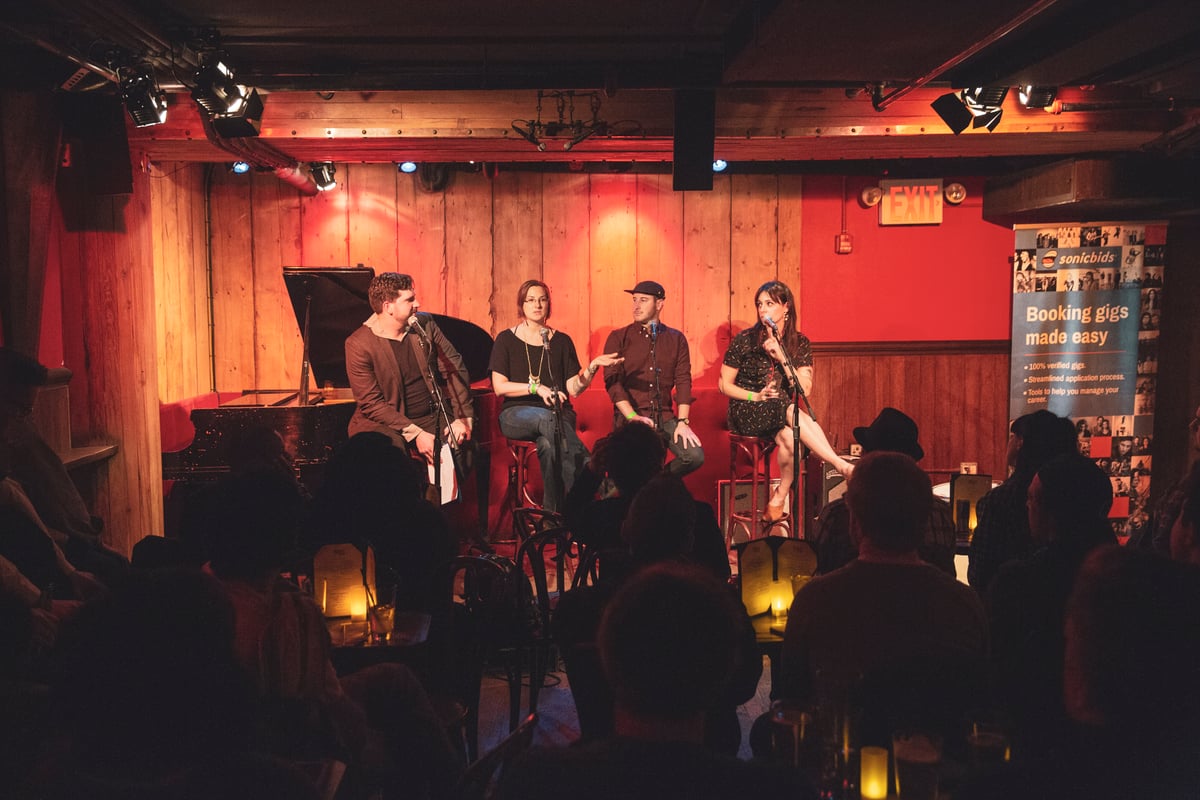
The "Feedback Collective Songwriting Workshop," also hosted by Sonicbids, serves as a prime example of this trend. These workshops move beyond the performance of finished works and focus on the "process" of creation. When a rock guitarist collaborates with a jazz saxophonist in a low-stakes workshop environment, the result is often a hybrid sound that defies genre constraints—a highly marketable trait in the era of mood-based streaming playlists.
From a chronological perspective, the shift toward these workshops began in the mid-2010s as artists sought more meaningful connections than those offered by standard networking mixers. Data suggests that artists who participate in regular collaborative workshops are 40% more likely to release collaborative singles, which historically perform better on streaming algorithms due to the combined reach of multiple artist profiles.
3. Digital Infrastructure and Specialized Collaboration Platforms
While mainstream social media platforms like Instagram and TikTok are essential for fan engagement, they are often too noisy for deep professional networking. Consequently, there has been a significant migration toward specialized digital platforms designed specifically for creative collaboration.
Platforms such as BandLab and SoundCloud have evolved from simple hosting sites into robust social workstations. These platforms allow for asynchronous collaboration, where a producer in London can layer tracks over a vocalist in Los Angeles in real-time. The "comment culture" on these sites is also more technically oriented, allowing artists to offer and receive constructive feedback that can lead to formal partnerships.
A fact-based analysis of digital trends shows that "collaborative tagging"—where artists mention and link to each other’s profiles—is a primary driver of organic discovery. By engaging thoughtfully with the work of peers on these platforms, musicians can tap into existing "micro-communities." This strategy is particularly effective for niche genres where the global audience is large but geographically dispersed.
4. The Labor-for-Access Model: Volunteering and Event Production
For many emerging artists, the cost of attending major music festivals or industry conferences is prohibitive. To circumvent this financial barrier, many are adopting a "labor-for-access" model by volunteering for event production, artist relations, or technical crews. This approach provides a behind-the-scenes look at the industry’s inner workings and places the musician in direct proximity to established professionals and organizers.
The timeline of a typical festival volunteer often leads to significant professional breakthroughs. During a shift, a volunteer might assist a stage manager or interact with a touring artist’s management team. These brief, task-oriented interactions are often more memorable than a cold email or a handed-out business card.

Industry veterans often cite their early days as festival staff as the period when they built their most enduring professional relationships. The shared goal of executing a successful event creates a bond of reliability and work ethic—traits that are highly valued in a potential musical collaborator. Furthermore, being part of the "inner circle" of an event allows an artist to understand the logistical requirements of touring, which is essential for scaling an independent career.
5. Fan-Centric Networking and the Power of the "1,000 True Fans"
The final, and perhaps most underutilized, networking resource is an artist’s existing fanbase. The "1,000 True Fans" theory, popularized by Kevin Kelly, posits that an artist does not need a million followers to be successful; they need a thousand dedicated supporters. These fans often have their own professional networks that can be leveraged to benefit the artist.
Direct engagement strategies, such as surveys, polls, and Discord communities, allow artists to involve their audience in the creative process. When an artist asks their fans who they should collaborate with, they are not just seeking suggestions; they are activating a street team of scouts. Fans have been known to facilitate introductions between independent artists and local influencers, venue owners, or even other musicians they admire.
This democratic approach to networking changes the power dynamic of the industry. It transforms the fan from a passive consumer into an active stakeholder in the artist’s success. Statistically, projects that are crowdfunded or heavily influenced by fan input see higher levels of initial engagement, as the audience feels a sense of "ownership" over the resulting work.
Broader Impact and Industry Implications
The diversification of networking strategies among independent musicians has profound implications for the broader music industry. First, it is leading to a more decentralized market where "local" success can be more easily translated into "global" niche dominance. Second, the emphasis on interdisciplinary collaboration is driving innovation in music videos, live performance visuals, and digital marketing.

Furthermore, the data suggests that artists who engage in these five networking methods are more resilient to market fluctuations. By having a diversified "portfolio" of connections—ranging from local sculptors to digital collaborators and dedicated fans—the independent musician creates a safety net that traditional label-backed artists may lack.
In conclusion, the modern independent music career is built on a foundation of social capital. The transition from a solitary creator to a community-integrated professional requires a shift in perspective: seeing every event as an opportunity, every platform as a tool, and every fan as a partner. As the industry continues to evolve, those who master the art of the "unexpected connection" will be the ones who define the next era of musical culture. The evidence is clear: the most successful artists of the future will not just be those with the best songs, but those with the most robust and diverse networks.
