

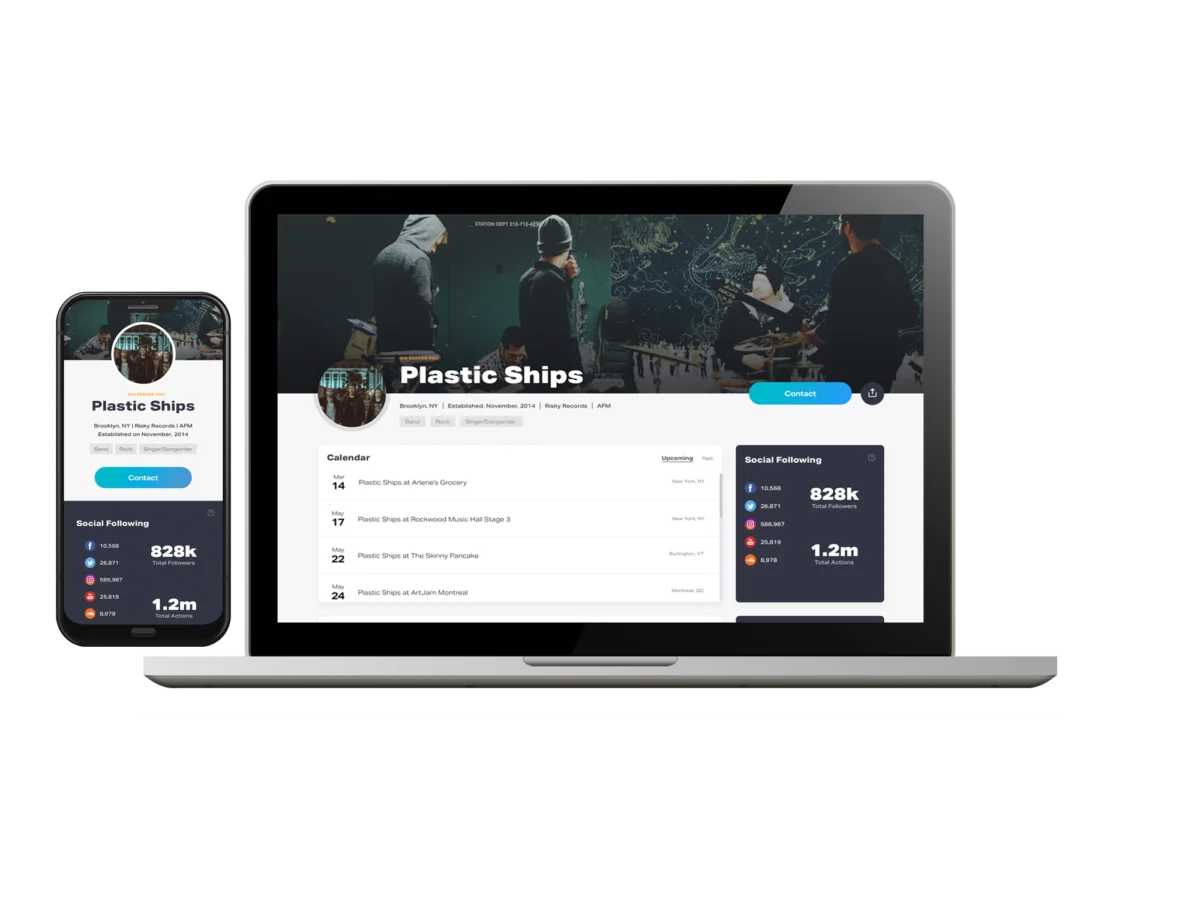
The global music industry has undergone a radical transformation over the last two decades, shifting from a centralized, label-dominated landscape to a decentralized ecosystem where independent artists now represent the fastest-growing sector of the market. According to recent industry reports from MIDiA Research, independent artists generated more than $1.2 billion in 2020, a figure that continues to climb as digital distribution becomes more accessible. Within this hyper-competitive environment, the Electronic Press Kit (EPK) has transitioned from an optional luxury to a fundamental business requirement. For the modern independent musician, the EPK serves as a professional calling card, a digital resume, and a comprehensive brand portfolio designed to bridge the gap between creative output and commercial viability.
The Evolution of Music Promotion: A Historical Context
To understand the current significance of the EPK, one must examine the chronology of artist promotion. In the late 20th century, the "press kit" was a physical package—a folder containing an 8×10 glossy promotional photograph, a printed biography, a physical cassette or CD, and photocopies of press clippings. These kits were expensive to produce and cumbersome to mail to labels, radio stations, and venues.
The digital revolution of the early 2000s fundamentally altered this workflow. The year 2001 marked a significant milestone with the launch of platforms like Sonicbids, which standardized the digital submission process. This shift allowed artists to host their materials online, providing talent buyers and media outlets with instant access to their portfolios. As high-speed internet and cloud storage became ubiquitous, the physical press kit was largely rendered obsolete, replaced by the more agile and cost-effective EPK. Today, the EPK is an interactive hub that integrates multimedia elements, real-time data, and social proof into a single, shareable link.
The Architecture of a High-Impact EPK
A professional EPK is more than a mere collection of links; it is a curated narrative of an artist’s career. Industry analysts note that talent buyers and festival bookers often spend less than 60 seconds reviewing a submission. Therefore, the structure of the EPK must facilitate rapid information retrieval.
1. The Narrative Foundation: The Artist Biography
The biography serves as the artist’s mission statement. Journalistic standards within the industry suggest that an EPK should feature three versions of a bio: a "elevator pitch" (one sentence), a short bio (one paragraph), and a full-length narrative. This allows journalists to easily copy and paste relevant sections for different media formats. A compelling bio focuses on the "unique selling proposition" (USP) of the artist—what distinguishes their sound or story from the millions of tracks uploaded to streaming services daily.
2. High-Fidelity Multimedia Assets
Visual identity is paramount in the age of social media. A professional EPK includes high-resolution promotional images in both landscape and portrait orientations to suit various editorial layouts. Furthermore, the inclusion of "lossless" audio files or direct links to high-quality streaming platforms ensures that producers and radio programmers hear the music as intended. Video content, particularly high-quality live performance footage, provides essential proof of an artist’s "stage craft"—a critical metric for booking agents.
3. Data Integration and Social Proof
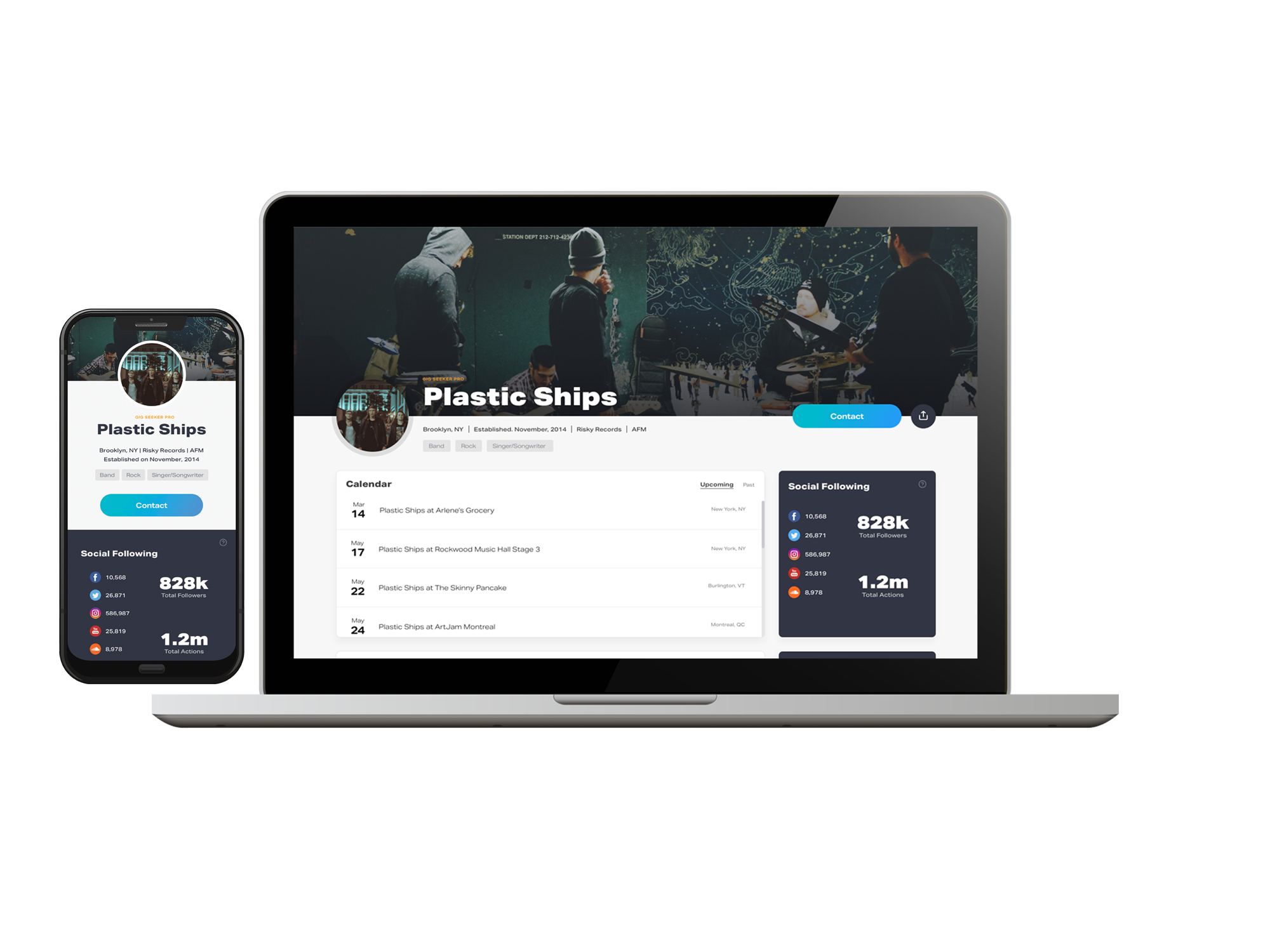
In the modern era, "data-driven artistry" is a significant trend. Labels and promoters increasingly look for "social proof" to mitigate the risk of booking or signing an unknown act. A robust EPK incorporates streaming statistics from platforms like Spotify and Apple Music, social media engagement rates, and YouTube view counts. Including these metrics demonstrates a pre-existing audience base and professional momentum.
Streamlining Industry Communication and Workflow
One of the primary functions of an EPK is the optimization of the communication funnel between artists and industry gatekeepers. Professional talent buyers for venues and festivals often receive hundreds of inquiries per week. The efficiency provided by a single-link EPK cannot be overstated.
"The volume of submissions we receive is staggering," notes a representative from a prominent North American music festival. "When an artist sends an email with five different attachments and four separate links to social media, it creates friction. An EPK that houses everything in one place—audio, tech riders, and photos—is significantly more likely to be reviewed than a disorganized email."
By centralizing essential documents, such as the "Stage Plot" and "Tech Rider" (which details the musical equipment and technical requirements for a performance), an EPK ensures that venue engineers are prepared long before the artist arrives. This level of organization signals a professional maturity that can lead to repeat bookings and stronger industry relationships.
Establishing Professional Credibility in a Saturated Market
Credibility is the currency of the music industry. For an independent artist, an EPK acts as a professional seal of approval. It suggests that the artist views their music not just as a hobby, but as a business.
The inclusion of press quotes and reviews from reputable music blogs or local newspapers provides third-party validation. Analysis of talent buying trends shows that "endorsement by association" remains a powerful tool; seeing a positive review from a known publication can influence a promoter’s decision-making process. Furthermore, an EPK allows an artist to control their narrative. In the absence of a professional press kit, a journalist might rely on outdated information found via a search engine. The EPK ensures that the media has access to the most current and accurate representation of the artist’s work.
Accessibility and the Global Scouting Network
The digital nature of the EPK has democratized access to global markets. An indie artist based in a small town can now be scouted by a label executive in London or a festival booker in Tokyo. Because the EPK is hosted online, it is accessible 24/7, across all time zones.
This "always-on" availability is crucial for the modern "scouting" process. Many A&R (Artists and Repertoire) representatives and sync agents (who place music in film and television) utilize digital databases and EPK platforms to find specific sounds for their projects. An artist with a well-indexed, SEO-friendly EPK increases their discoverability. For instance, if a music supervisor is looking for "indie-folk with female vocals for a cinematic trailer," a properly tagged and organized EPK can lead directly to a licensing deal.
The EPK as a Dynamic Document of Growth
Unlike the static physical kits of the past, the modern EPK is a living document. It reflects the artist’s trajectory in real-time. This capacity for continuous updates is vital for maintaining relevance.
As an artist achieves milestones—such as reaching 50,000 monthly listeners on Spotify, selling out a local venue, or being featured on a prominent playlist—these achievements can be immediately integrated into the EPK. This creates a sense of "upward mobility" that is highly attractive to potential collaborators and investors. A stagnant EPK can be detrimental, suggesting a lack of activity or a decline in interest. Regular updates signal that the artist is actively engaged in their career development, which fosters confidence among industry professionals.
Broader Market Implications and Analysis
The proliferation of the EPK has broader implications for the music economy. It has contributed to the professionalization of the "DIY" (Do-It-Yourself) movement. As more artists adopt professional standards, the barrier to entry for high-level opportunities has shifted from "who you know" to "how you present what you have."
However, this professionalization also creates a new set of challenges. As the standard for EPKs rises, artists must invest more time and resources into high-quality photography, professional bio writing, and digital maintenance. This has given rise to a secondary market of service providers—designers, copywriters, and EPK hosting platforms—specifically catering to the independent sector.
Furthermore, the integration of analytics into EPKs has changed how "success" is measured. While the quality of the music remains the core product, the ability to demonstrate a "conversion rate" (turning listeners into ticket buyers or followers) has become a key performance indicator. The EPK is the primary tool for communicating these business metrics.
Conclusion: The Strategic Imperative
In conclusion, the Electronic Press Kit is no longer a peripheral tool but a central pillar of an artist’s professional infrastructure. It serves as the intersection of art and commerce, providing a structured, data-rich, and visually compelling narrative that appeals to the logistical and aesthetic needs of industry professionals.
By streamlining communication, establishing credibility, and providing a platform for global accessibility, the EPK empowers independent artists to compete on a level playing field with major-label acts. In an industry that thrives on storytelling and professional presentation, the EPK is the most effective vehicle for an artist to share their journey and secure their place in the evolving musical landscape. As the industry continues to move toward a more data-centric and digital-first model, the importance of maintaining a sophisticated, up-to-date EPK will only increase. For the artist serious about career longevity, the development of a professional EPK is not merely a task—it is a strategic investment in their future success.
