

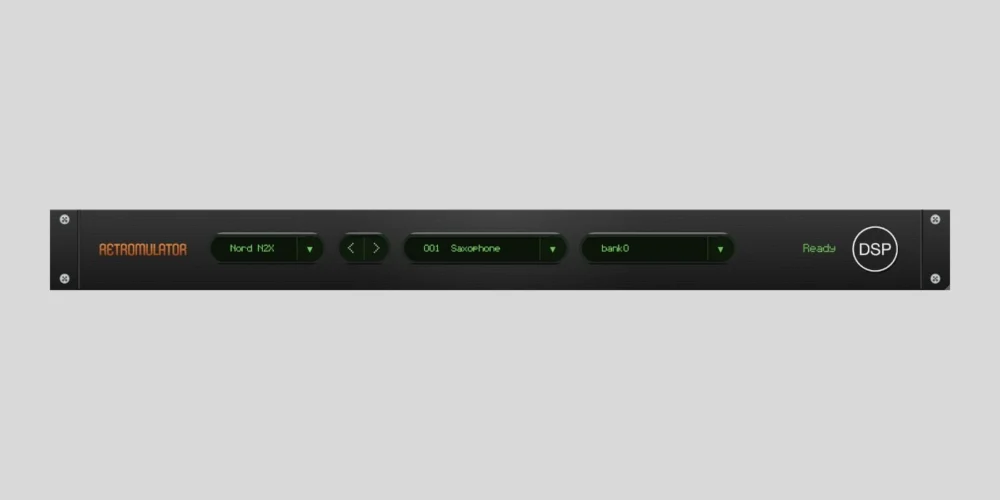
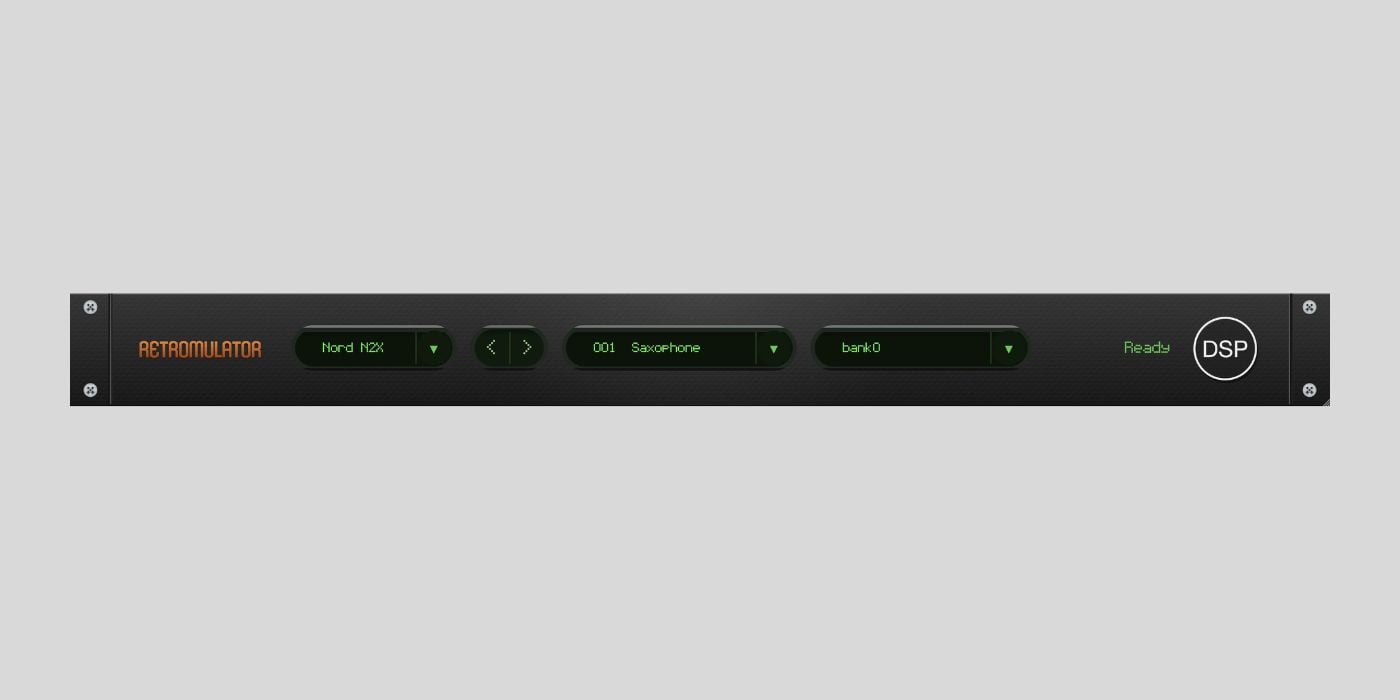
The digital audio workstation (DAW) landscape has been profoundly shaped by software synthesizers, offering musicians and producers an unprecedented palette of sounds. Among the latest entrants into this competitive arena is Retromulator, a new plugin from developer discoDSP, which promises to deliver the authentic, vintage sonic character of seven classic hardware synthesizers through an innovative, cycle-accurate emulation approach. However, its release has not been without significant discussion and, in some corners, controversy, stemming from its reliance on user-supplied ROM files and its perceived proximity to existing open-source projects.
The Dawn of Cycle-Accurate Emulation: A Quest for Authenticity
At the core of Retromulator’s design is its commitment to cycle-accurate emulation. This advanced technique goes far beyond traditional software synthesis, which often involves programming algorithms to mimic the sound of a hardware unit. Instead, cycle-accurate emulation endeavors to recreate the internal workings of the original hardware at a fundamental level, often executing the actual firmware of the classic machines. This involves meticulously emulating the specific chips, registers, and timing mechanisms that defined the original hardware, aiming to achieve a near-identical sonic and behavioral fidelity. For purists and audiophiles, this method represents the pinnacle of software emulation, promising to capture the subtle nuances, inherent quirks, and unique sonic imperfections that distinguish vintage hardware from mere digital approximations. It’s a painstaking process, requiring deep understanding of electronics and reverse engineering, but the payoff is a level of authenticity often deemed unattainable by other methods.
Historically, software synthesizers have evolved from simple waveform generators to complex physical modeling and sample-based instruments. Early soft synths often compromised on realism due to computational limitations and a less profound understanding of the intricacies of analog circuitry. The advent of more powerful processors and sophisticated modeling techniques, however, has paved the way for more accurate emulations. Cycle-accurate emulation, while still demanding considerable processing power, represents the latest frontier in this quest, offering a direct digital reconstruction of the original hardware’s operational logic rather than simply modeling its output.
Retromulator’s Pantheon of Vintage Tones
Retromulator currently offers access to a highly coveted selection of seven legendary synthesizers, each renowned for its distinctive sound and historical impact on music production:
- Yamaha DX7: A cornerstone of 1980s music, the DX7 popularized FM synthesis and delivered a vast array of metallic, bell-like, and percussive sounds that defined an era. Its digital architecture and complex programming often made it challenging for users, but its unique sonic character is undeniable.
- Access Virus ABC/TI: A series of virtual analog synthesizers celebrated for their rich, powerful sound, extensive modulation capabilities, and versatility across genres, from trance to industrial. The Virus is a staple in electronic music production, known for its pristine yet aggressive character.
- Waldorf MicroQ: A compact but powerful virtual analog synth from the German manufacturer, offering a wide range of evolving pads, shimmering textures, and cutting leads, building on Waldorf’s legacy of distinctive synthesis.
- Waldorf XT: An iconic wavetable synthesizer, the XT is known for its distinctive orange interface and its ability to generate complex, evolving, and often aggressive sounds through its unique wavetable synthesis engine. It remains highly sought after for its sonic character.
- Nord Lead 2X: A highly regarded virtual analog synthesizer known for its intuitive interface, warm sound, and immediate playability. It has been a favorite among live performers and studio musicians for its ability to produce classic analog sounds with digital reliability.
- Roland JP-8000: A virtual analog synthesizer that became famous for pioneering the "Supersaw" waveform, a thick, detuned saw wave that became a defining sound of trance and other electronic genres in the late 1990s and early 2000s.
The plugin itself is designed for broad compatibility, supporting Windows, macOS, and Linux operating systems, and available in VST3, AU, and standalone formats. This wide reach ensures that a diverse range of producers can integrate Retromulator into their preferred production environments.
The ROM Requirement: A Technical Imperative, a Legal Conundrum
The "twist" that distinguishes Retromulator and similar cycle-accurate emulators is the requirement for users to supply their own ROM (Read-Only Memory) files. These files contain the original firmware and operating system of the hardware synthesizers, which the emulation engine then executes. Without these proprietary codebases, the cycle-accurate emulation cannot function as intended, as it is designed to run the very software that powered the original machines.
The process of obtaining these ROM files presents a significant challenge and introduces a complex legal "gray area." Developers like discoDSP cannot legally distribute these firmware files themselves, as they are protected by copyright and intellectual property laws belonging to the original manufacturers (e.g., Yamaha, Access, Roland). Therefore, users are instructed to source these files independently. The "best case" scenario, as noted by discoDSP, involves owning the actual hardware units and "dumping" the ROMs from them. This process, while technically feasible for those with the right tools and expertise, is often complex and arguably defeats some of the purpose of a software emulation designed for convenience and accessibility.
The more common, though legally precarious, method involves obtaining ROM files from online repositories or community forums. This practice, however, squarely places users in a legally ambiguous zone. Copyright law typically protects software code, including firmware, preventing its unauthorized reproduction or distribution. While the emulation engine itself might be legally permissible, the act of using copyrighted ROM files without a license from the original manufacturer can constitute copyright infringement. This is a critical distinction: emulating the hardware architecture is generally accepted as legal (akin to building a compatible computer), but running the manufacturer’s proprietary software without permission is not. The Digital Millennium Copyright Act (DMCA) in the United States, and similar intellectual property laws globally, often prohibit the circumvention of technological protection measures, further complicating the legal landscape for users seeking to access and utilize these ROM files. Manufacturers rarely provide official channels for licensing their legacy firmware for use in third-party emulators, leaving users to navigate this complex terrain at their own risk.
The Shadow of Precedent: The Usual Suspects and Open-Source Emulation
The development of Retromulator is inextricably linked to the burgeoning field of open-source cycle-accurate emulation, specifically referencing the work of a group known as "The Usual Suspects" (TUS). TUS has garnered significant acclaim within the music production community for their highly praised, open-source cycle-accurate emulations of classic synthesizers. Their projects, such as Xenia (a Waldorf Microwave emulation), OsTIrus (an Access Virus emulation), and JE-8086 (a Roland JP-8000 emulation), have set a high bar for authenticity and depth.
The original article explicitly states that Retromulator is "based on the same open-source material" as TUS’s projects. This connection is a critical point of discussion within the community. The open-source nature of TUS’s work means that the underlying code and principles are publicly available, allowing others to learn from, build upon, and even commercialize aspects of their research, provided they adhere to the specific open-source licenses (e.g., GPL, MIT) under which the material is released. However, the commercialization of open-source projects, especially when the original contributors operate on a non-profit or community-driven basis, often sparks ethical debates regarding attribution, contribution, and the spirit of open collaboration.
TUS’s projects are typically characterized by a deep commitment to accurately representing the original hardware’s functionality, often including highly detailed interfaces that mirror the physical controls and provide extensive tweaking capabilities. Their work is a testament to community-driven reverse engineering and a passion for preserving the legacy of these instruments in an authentic digital format.
Community Reactions and Accusations: A Developing Controversy
The release of Retromulator by discoDSP has not been universally welcomed, particularly in light of its connection to the open-source emulation scene. Soon after its announcement, negative feedback emerged on platforms like KVR Audio, a prominent hub for music software news and reviews. These comments included accusations that discoDSP was "ripping off" The Usual Suspects’ work. Further criticisms centered on Retromulator’s perceived limitations, with some users alleging it functioned more like a "preset machine" with restricted functionality and insufficient room for deep tweaking, a stark contrast to the often comprehensive control offered by TUS’s emulations.
Notably, these critical comments on KVR Audio were subsequently deleted. The removal of user feedback, irrespective of its content, can sometimes fuel further speculation and concern within online communities regarding transparency and moderation policies. The absence of these comments leaves a void that the community has been quick to fill with discussions across various forums, including a "quite a discussion" within the monthly threads on Bedroom Producers Blog (BPB), where users have been debating the ethics, functionality, and comparative value of Retromulator versus TUS’s established projects.
The core of the controversy appears to revolve around several points:
- Attribution and Originality: While "based on the same open-source material," the extent to which Retromulator represents a distinct development or a direct commercial adaptation of TUS’s publicly available research is under scrutiny.
- Functionality and Depth: Users accustomed to the granular control and detailed emulation offered by TUS’s projects may find Retromulator’s interface or feature set comparatively simplified, leading to the "preset machine" critique.
- Open-Source Ethos vs. Commercialization: The transition of an emulation approach rooted in the open-source community into a commercial product often raises questions about how the contributions of the open-source pioneers are acknowledged and respected.
As of the time of this report, discoDSP has not issued a public statement directly addressing these specific accusations or clarifying its relationship to TUS’s open-source work beyond the initial acknowledgment of shared material. The Usual Suspects, for their part, typically maintain a focus on their own development efforts and community engagement, generally refraining from direct public commentary on third-party commercial products.
Comparing Emulation Philosophies: discoDSP vs. The Usual Suspects
An objective comparison between discoDSP’s Retromulator and The Usual Suspects’ projects reveals differing philosophies and target audiences. TUS’s emulations, often distributed freely or via donation, are typically characterized by a painstaking dedication to replicating every nuance of the original hardware, including often complex user interfaces that mirror the physical synths. This approach provides an unparalleled depth of control for advanced users and sound designers who relish the intricacies of programming vintage hardware. Their projects are often seen as educational tools as much as creative instruments, inviting users to delve deep into the synthesis engines.
Retromulator, as a commercial product, appears to offer a more streamlined experience. While leveraging the technical prowess of cycle-accurate emulation, its design choices regarding the user interface and parameter accessibility may prioritize ease of use and immediate gratification over comprehensive, hardware-accurate tweaking. This could appeal to a broader segment of the market that desires the authentic sound without the steep learning curve often associated with the original hardware or the most detailed emulations. However, for those seeking the full breadth of programming capabilities found in the original units or TUS’s more elaborate offerings, Retromulator’s current iteration might feel constrained. The price point (free, but requiring ROMs) also sets it apart, positioning it as an accessible entry point into high-fidelity emulation, albeit with the significant caveat of ROM acquisition.
Market Dynamics and the Future of Vintage Emulation
The landscape of software synthesizers is continuously evolving, driven by technological advancements and an enduring demand for classic sounds. The global market for VSTs (Virtual Studio Technology) and other plugin formats continues to expand, with producers constantly seeking tools that offer both innovation and authenticity. Vintage hardware emulations, in particular, occupy a significant niche, as they allow access to instruments that are often prohibitively expensive, rare, or difficult to maintain.
Projects like Retromulator and the pioneering work of The Usual Suspects represent a critical juncture in this market. They demonstrate the viability of achieving unprecedented levels of sonic accuracy through cycle-accurate emulation. However, they also highlight the persistent challenges related to intellectual property rights, the complex relationship between open-source development and commercial products, and the ethical responsibilities of developers within a community-driven ecosystem.
The target audience for these ROM-based synth emulations is indeed likely to be individuals with above-average tech-savviness and a profound interest in electronic music gear. These users are often well-versed in the nuances of synthesis, capable of navigating the technicalities of ROM acquisition, and discerning enough to form their own conclusions regarding the fidelity, functionality, and ethical implications of various emulation offerings. Their collective engagement, discussions, and feedback play a crucial role in shaping the reputation and future trajectory of such products.
In conclusion, discoDSP’s Retromulator offers an intriguing proposition: access to the authentic sounds of legendary synthesizers through state-of-the-art cycle-accurate emulation, free of charge but with the significant hurdle of user-supplied ROM files. While its technical foundation is impressive, its release has ignited a broader conversation about intellectual property, the dynamics between commercial ventures and open-source contributions, and the expectations of a discerning user base. For the right individual—one prepared to navigate the technical and legal complexities of ROM acquisition and perhaps content with a more streamlined interface—Retromulator could serve as a valuable tool for injecting classic sonic character into modern productions. Yet, the ongoing dialogue underscores the evolving challenges and ethical considerations inherent in the relentless pursuit of digital authenticity in the world of music technology.
Download: Retromulator (FREE – ROM-files required)
More: Check out other articles on BPB for in-depth looks at OsTIrus, Xenia, and JE-8086 emulations.
Last Updated on March 10, 2026 by Tomislav Zlatic.
