

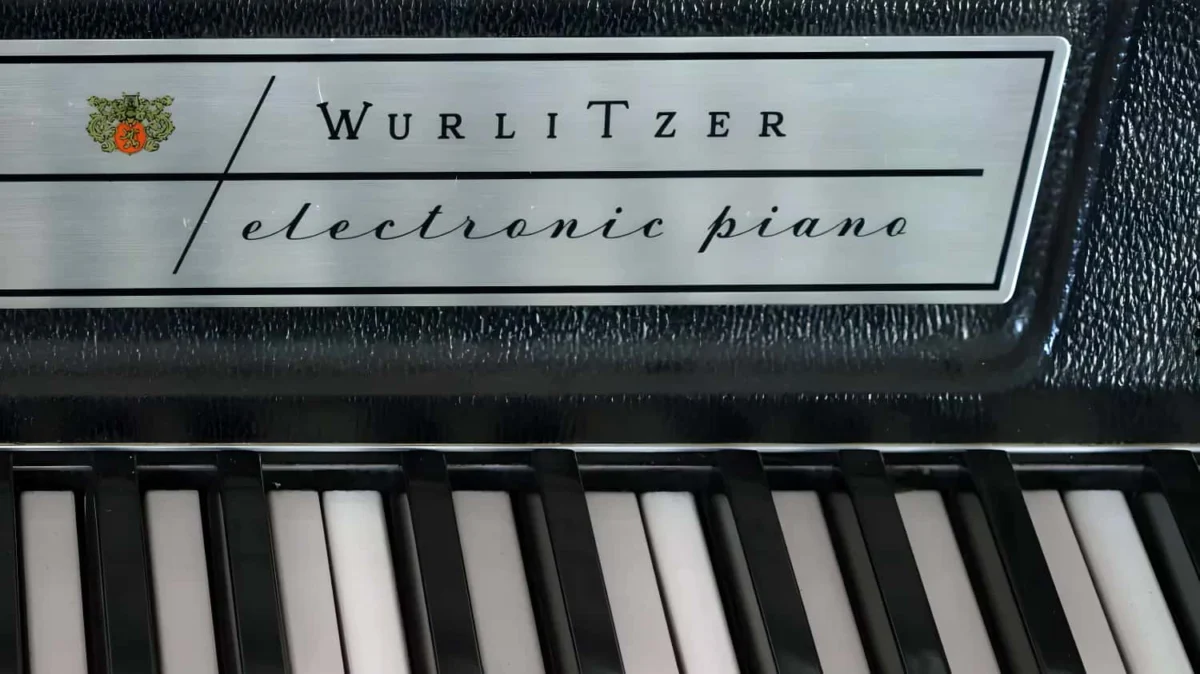
The digital audio workstation environment has received a significant expansion in its sonic palette with the release of Retromulator version 1.2, a comprehensive update to the free hardware synthesizer emulation plugin developed by discoDSP. This latest iteration marks a substantial milestone in the software’s development cycle, introducing two high-fidelity hardware cores and refining the workflow for users of legacy sampler formats. By integrating physical modeling for the Wurlitzer 200A electric piano and a dedicated emulation of the Yamaha OPL3 FM synthesis chip, Retromulator 1.2 positions itself as a versatile utility for producers seeking authentic vintage textures without the financial or logistical burdens of maintaining physical hardware.
Technical Overview of the Retromulator 1.2 Update
Retromulator is designed as a multi-engine emulation platform, capable of hosting various synthesis and sampling "cores" within a single unified interface. The version 1.2 update focuses on expanding this ecosystem through the addition of specialized sound generation modules. The most prominent addition is the Wurlitzer 200A physical model. Unlike traditional sample-based virtual instruments that rely on static recordings of individual notes, physical modeling uses complex mathematical algorithms to simulate the mechanical interactions of the original instrument. In the case of the Wurlitzer 200A, this includes the strike of the hammer, the vibration of the metal reed, and the electromagnetic pickup response, allowing for a more dynamic and expressive playing experience.
Complementing the keyboard modeling is the introduction of the Yamaha OPL3 (YMF262) core. This chip is historically significant as the heart of the Sound Blaster Pro 2.0 and Sound Blaster 16 sound cards, which defined the auditory landscape of PC gaming in the early 1990s. The OPL3 core in Retromulator 1.2 provides an authentic recreation of 2-operator and 4-operator Frequency Modulation (FM) synthesis, delivering the distinctively metallic, bright, and nostalgic tones associated with 16-bit era multimedia.
Beyond new synthesis engines, the update brings improved functionality to the Akai S1000 core. The Akai S1000 was a ubiquitous professional sampler in the late 1980s and early 1990s, known for its robust AD/DA converters and distinctive time-stretching algorithms. Retromulator 1.2 enhances the browsing and import capabilities for S1000 files, streamlining the process of bringing legacy sample libraries into modern digital environments.
Historical Context of the Emulated Hardware
To understand the impact of the Retromulator 1.2 update, one must examine the legacy of the hardware it seeks to replicate. The Wurlitzer 200A, produced from 1974 to 1982, is one of the most iconic electric pianos in music history. It was favored by artists such as Ray Charles, Steely Dan, and Supertramp for its "bark"—a characteristic harmonic distortion that occurs when the keys are played forcefully. By providing a physical model of this instrument for free, discoDSP allows modern composers to access a sound that typically requires an investment of several thousand dollars for a well-maintained original unit.
The Yamaha OPL3 chip represents a different but equally vital era of audio technology. Released in the early 1990s as an improvement over the OPL2, the YMF262 offered 18 voices of FM synthesis and introduced new waveforms beyond the standard sine wave. It became the industry standard for PC audio, used by legendary game composers to create complex soundtracks under strict memory constraints. In the context of modern electronic music, the OPL3 is sought after for "lo-fi" and "vaporwave" aesthetics, as well as for its unique approach to FM synthesis which differs from the more famous Yamaha DX7.
The Akai S1000 sampler, also addressed in this update, was a revolutionary tool that moved sampling from a luxury for top-tier studios to a standard piece of equipment for independent producers. Its 16-bit linear sampling and intuitive interface made it the backbone of hip-hop, house, and jungle music throughout the 1990s. The ability to easily import S1000 programs in Retromulator 1.2 ensures that the massive archives of floppy disks and CD-ROMs created during that era remain accessible to contemporary musicians.
Chronology of Development and Release
The development of Retromulator follows discoDSP’s long-standing commitment to cross-platform compatibility and accessible audio tools. Based in Spain, discoDSP has a history spanning over two decades, previously gaining acclaim for products like Discovery Pro and the OB-Xd (an emulation of the Oberheim OB-X).
The initial release of Retromulator aimed to provide a lightweight, multi-purpose emulation shell. Version 1.0 established the foundation, focusing on stability and basic sampler functionality. As the user base grew, the demand for specialized synthesis engines increased. Version 1.1 introduced preliminary support for various legacy formats and improved the user interface.
The transition to version 1.2 represents the most significant leap in the software’s capabilities to date. By moving into physical modeling and dedicated FM chip emulation, the developers have shifted Retromulator from a utility-focused sampler into a comprehensive creative instrument. The inclusion of Linux support alongside Windows and macOS (including native Apple Silicon compatibility) reflects a growing industry trend toward supporting open-source and alternative operating systems in professional audio production.

Supporting Data and Technical Specifications
Retromulator 1.2 is distributed as a multi-format plugin, ensuring it can be integrated into nearly any modern production workflow. The following technical specifications apply to the current release:
- Plugin Formats: VST3, AU (Audio Units), AAX (Pro Tools), and Standalone.
- Operating Systems:
- Windows 10 or later (64-bit).
- macOS 10.15 or later (Intel and Apple Silicon M1/M2/M3 native).
- Linux (Ubuntu 20.04 or later recommended).
- Synthesis Methods: Physical Modeling (Wurlitzer), FM Synthesis (OPL3), and PCM Sampling (Akai S1000).
- Licensing: Freeware (available via the discoDSP official website).
Data from digital audio community forums and software repositories indicates a rising interest in "all-in-one" emulation shells. Unlike "monolithic" plugins that emulate a single piece of gear, the modular approach of Retromulator allows for a lower CPU overhead while providing a diverse range of sounds. This efficiency is particularly beneficial for laptop-based producers and those working on mobile workstations.
Industry Implications and Analysis
The release of Retromulator 1.2 as a free tool has several implications for the music technology market. First, it highlights the increasing sophistication of freeware. Historically, free plugins were often seen as inferior to paid counterparts; however, the inclusion of physical modeling—a computationally intensive and difficult-to-program synthesis method—demonstrates that high-quality DSP (Digital Signal Processing) is becoming more accessible.
Furthermore, the focus on the Yamaha OPL3 and Akai S1000 suggests a continued "retro" trend in music production. There is a documented cyclical nature to audio aesthetics, where the sounds of 20 to 30 years prior become highly desirable. By facilitating the use of these specific 1990s-era sounds, discoDSP is catering to a market that values "authentic" digital grit and vintage character over the clinical perfection of modern high-resolution digital synthesizers.
From a developer perspective, offering Retromulator as a free download serves as a strategic "gateway" product. By introducing users to the discoDSP ecosystem through a high-quality free plugin, the company builds brand loyalty and awareness for its commercial offerings. This "freemium" model has become a standard in the software industry, but it relies heavily on the quality of the free offering to be successful.
Official Responses and User Reception
While discoDSP typically operates with a direct-to-user communication style through their official forums and social media channels, the initial reception of version 1.2 has been positive among the enthusiast community. Beta testers and early adopters have noted the accuracy of the OPL3 emulation, particularly its handling of the "feedback" parameters in FM synthesis which are often difficult to replicate digitally.
Users on platforms such as KVR Audio and Gearspace have praised the expanded Akai S1000 import capabilities, citing a lack of modern, stable alternatives for reading legacy Akai programs. The ability to run the plugin natively on Linux has also been highlighted as a key differentiator, as the Linux audio community remains underserved by many major plugin manufacturers.
In a statement regarding the update, the development team emphasized their goal of "preserving the soul of vintage hardware while embracing the flexibility of modern software environments." This philosophy is evident in the inclusion of the standalone version, which allows musicians to use Retromulator as a dedicated instrument for live performance without needing to open a complex DAW.
Future Outlook for Retromulator
Looking forward, the architecture of Retromulator suggests that more hardware cores may be added in future updates. The modular design could potentially accommodate emulations of classic drum machines, additional FM chips (such as the OPL2 or the Sega Genesis’s YM2612), or other iconic electric pianos like the Rhodes Mark I and II.
As digital signal processing continues to evolve, the gap between hardware and software emulation continues to narrow. Retromulator 1.2 serves as a testament to this progress, providing professional-grade tools to a global audience of creators at no cost. The update reinforces the idea that the "sound" of a particular era is not defined by the physical object itself, but by the mathematical and electronic principles that governed its operation—principles that discoDSP has successfully translated into the digital realm.
Retromulator 1.2 is currently available for download through the discoDSP website. Users are encouraged to update to the latest version to take advantage of the new synthesis cores and the improved stability provided by the version 1.2 codebase. As the music industry continues to balance the desire for vintage character with the need for modern efficiency, tools like Retromulator are likely to remain essential components of the contemporary producer’s toolkit.
