

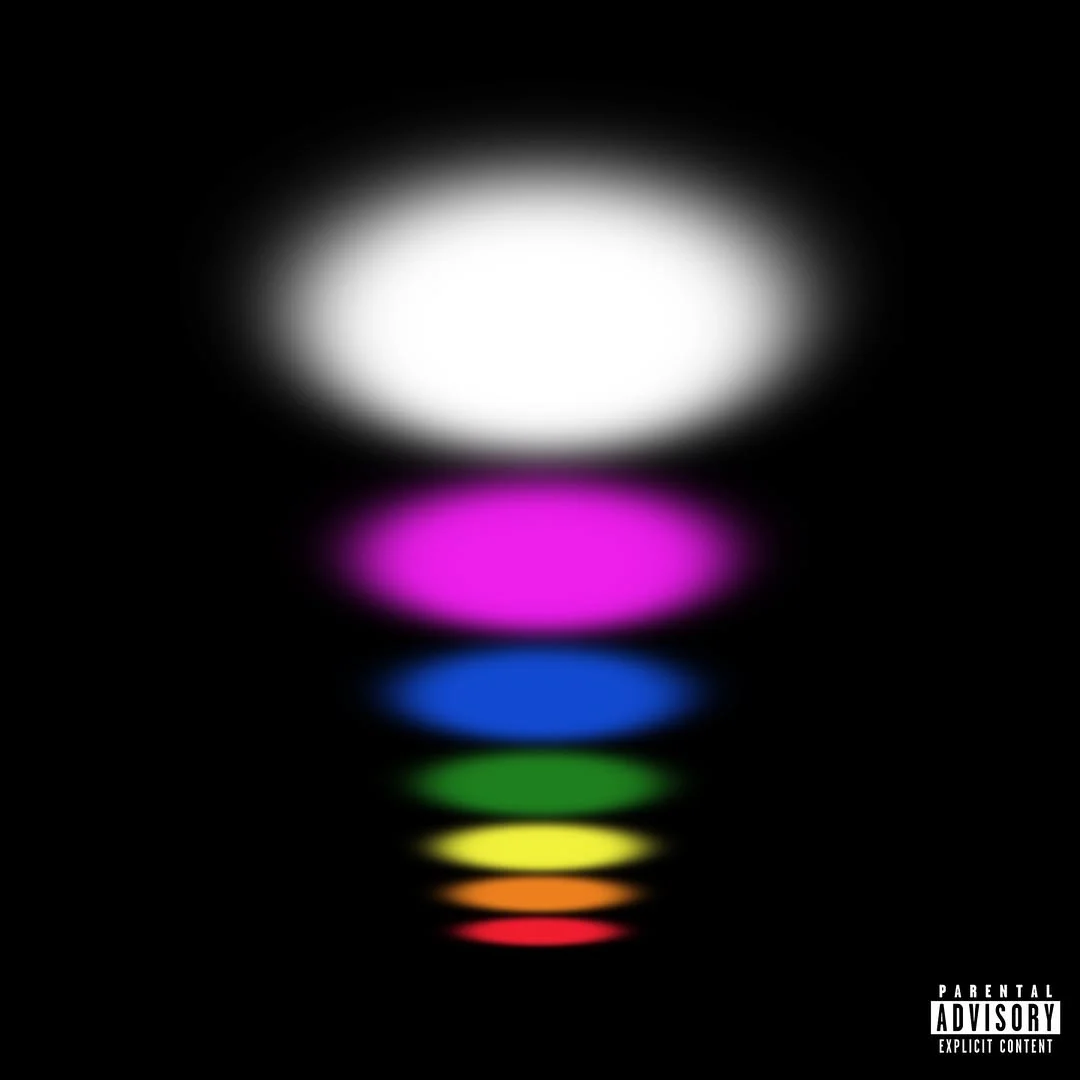
The musical landscape witnessed a significant dual event last Friday with the simultaneous release of Dylan Brady’s solo EP, Needle Guy, and a new single from rapper Yeat, "Let King Tonka Talk," produced by Brady and featuring an unexpected vocal cameo from entrepreneur and reality television personality, Kylie Jenner, credited as King Kylie. This confluence of releases underscores Brady’s multifaceted role in contemporary music, balancing a distinct solo artistic vision with his highly sought-after capabilities as a producer and collaborator for some of the industry’s most innovative figures. The Needle Guy EP, released via Dog Show, marks Brady’s first solo output since 2018, offering four tracks characterized by his signature head-pounding, maximalist dance beats, while his production work on Yeat’s single showcases a more atmospheric yet equally compelling sonic palette, punctuated by sparse bass thumps and ping-ponging synths. The inclusion of Kylie Jenner, a figure primarily known for her vast business empire and global celebrity status, adds a layer of cultural intrigue to Yeat’s track, sparking considerable discussion across social media and music platforms.
Dylan Brady: From Underground Innovator to Hyperpop Architect
Dylan Brady’s journey to becoming an influential force in modern music is a narrative rooted in experimentalism and a relentless pursuit of sonic boundaries. Long before his indelible mark on the music scene as one half of the acclaimed duo 100 gecs, Brady cultivated a prolific solo career, characterized by a series of independent releases that showcased his nascent talent for deconstructed electronic music and abrasive sound design. These early works, often shared through platforms like SoundCloud, served as a proving ground for the maximalist aesthetics and genre-bending tendencies that would later define his collaborative and solo endeavors. His pre-100 gecs discography, though not widely mainstream, garnered a dedicated following within niche internet music communities, laying the groundwork for his eventual breakthrough. These projects demonstrated a clear inclination towards pushing the limits of conventional music production, blending elements of trap, industrial, noise, and various electronic subgenres into a cohesive, albeit challenging, listening experience.
The formation of 100 gecs with Laura Les in 2015 proved to be a pivotal moment. The duo quickly ascended to prominence, largely credited with popularizing the hyperpop genre, a style characterized by its exaggerated, often chaotic, and emotionally charged synthesis of pop, electronic, and hip-hop elements. Their debut album, 1000 gecs (2019), became an unexpected cultural phenomenon, drawing widespread critical acclaim for its audacious sound and irreverent spirit. Tracks like "Money Machine" and "Stupid Horse" became anthems for a new generation of listeners who embraced music that defied easy categorization. The album’s success not only catapulted 100 gecs into the global spotlight but also solidified Brady’s reputation as a visionary producer capable of crafting intricate, high-energy soundscapes that resonate deeply within contemporary youth culture. Their follow-up, 10,000 gecs (2023), further cemented their status, demonstrating a continued evolution of their sound while retaining the core eccentricity that defines them. The success of 100 gecs effectively transformed Brady from an underground artist into an in-demand studio collaborator, sought after by artists looking to infuse their work with his distinctive sonic signature.
The Collaborative Maestro: Shaping Contemporary Pop and Electronic Landscapes
Brady’s unique production style, a meticulous blend of intricate sound design, glitchy textures, and maximalist arrangements, has made him a coveted asset for a diverse array of artists across the pop and electronic spectrum. His ability to fuse disparate genres and craft sonically adventurous tracks has positioned him as a key figure in shaping the sound of modern music.
Among his most notable collaborations is his work with Charli XCX, an artist renowned for her own experimental approach to pop music. Brady contributed to several of Charli XCX’s projects, including tracks on albums such as Charli (2019) and Crash (2022). His influence can be heard in the distorted synths, aggressive drum programming, and overall high-octane energy that often characterize her more experimental pop offerings. For instance, his touch on tracks within Charli XCX’s discography frequently amplifies the emotional intensity and sonic complexity, helping her further cement her status as a pop innovator. This collaboration highlighted Brady’s capacity to elevate established pop artists by integrating his avant-garde production techniques without overshadowing their artistic vision. The synergy between Charli XCX’s fearless artistic direction and Brady’s boundary-pushing production resulted in some of the most forward-thinking pop music of the last decade, resonating with a demographic eager for pop that challenges conventions.
Similarly, Brady has lent his production prowess to electronic music titan Skrillex. Their collaboration exemplifies Brady’s versatility, as he seamlessly integrated his experimental sensibilities into Skrillex’s bass-heavy, often genre-defying sound. While specific tracks might vary, Brady’s involvement typically introduces layers of intricate sound design and rhythmic complexity that complement Skrillex’s signature high-energy drops and melodic motifs. This partnership speaks to a broader trend within electronic music, where established artists are increasingly looking to figures like Brady to inject fresh, avant-garde perspectives into their work, pushing the boundaries of what is traditionally expected from the genre. Industry analysts have pointed to these collaborations as evidence of Brady’s significant impact, not just within the niche of hyperpop, but across the wider mainstream music industry, showcasing his adaptability and the universal appeal of his innovative sound.
Beyond these high-profile names, Brady’s production fingerprints can be found on projects by numerous other artists seeking to inject a dose of his distinctive, often chaotic, energy into their music. His approach is characterized by a maximalist philosophy where no sound is off-limits, and every element is pushed to its extreme, resulting in tracks that are both sonically dense and irresistibly engaging. This consistent demand for his expertise underscores his standing as a pivotal architect in contemporary music, capable of transcending genre boundaries and crafting sounds that are both innovative and impactful.
Needle Guy EP: A Resurgent Solo Statement
The release of the Needle Guy EP marks a significant moment for Dylan Brady, signaling his emphatic return to solo work after a five-year hiatus. His last solo release dates back to 2018, a period during which his focus largely shifted to the burgeoning success of 100 gecs and his expanding portfolio of production collaborations. The anticipation for new solo material from Brady has been considerable among his dedicated fanbase, who have long appreciated his individual artistic expression distinct from his duo work.
The lead single, also titled "Needle Guy," released earlier this year, served as a potent precursor to the EP, reintroducing his solo sonic identity. The full EP, comprising four tracks, delivers precisely what fans have come to expect and admire from Brady’s individual output: a relentless assault of "head-pounding, maximalist dance beats." The soundscape of Needle Guy is a masterclass in controlled chaos, blending elements of industrial techno, trance, hardstyle, and glitch electronics with an unmistakable pop sensibility. Each track is meticulously layered with distorted synths, intricate drum programming that often veers into breakcore territory, and unexpected sonic textures that keep the listener constantly engaged. The EP is an exploration of high-octane energy, designed to immerse listeners in a whirlwind of sound. Critics have lauded the EP as a reaffirmation of Brady’s singular vision, demonstrating his ability to craft deeply immersive and sonically complex electronic music that simultaneously feels futuristic and rooted in the history of dance music. The release through Dog Show, a label often associated with experimental and boundary-pushing electronic artists, further aligns the EP with Brady’s artistic ethos, emphasizing artistic freedom and sonic innovation over mainstream conformity.
Yeat’s "Let King Tonka Talk": A Surprising Sonic Alliance
Concurrent with his solo release, Dylan Brady also unveiled his production work on Yeat’s latest single, "Let King Tonka Talk," which premiered last Friday. Yeat, a rapidly rising figure in the contemporary rap and trap scene, has carved out a unique niche with his distinctive vocal delivery, often characterized by a melodic, auto-tuned warble, and his embrace of the "rage" subgenre, combining aggressive beats with surreal, often meme-infused lyrics. His sound, frequently augmented by unconventional ad-libs and a unique slang, has garnered a massive following, particularly among younger audiences.
Brady’s production on "Let King Tonka Talk" presents an intriguing facet of his versatility. While his solo work and 100 gecs output are often defined by maximalist density, his approach for Yeat’s track is notably more atmospheric and understated. The production features "sparse bass thumps and ping-ponging synths," creating a hypnotic and somewhat ethereal backdrop that allows Yeat’s vocals to take center stage. This choice demonstrates Brady’s ability to tailor his production style to the specific needs of an artist, crafting a sonic environment that complements Yeat’s unique flow without overwhelming it. The track builds a moody, almost minimalist soundscape, a departure from Brady’s usual sonic maximalism, yet it retains his signature attention to detail in sound design, with every thump and synth ping feeling deliberately placed. This collaboration further solidifies Brady’s reputation as a chameleon producer, capable of adapting his formidable skills to diverse musical contexts.
The most talked-about element of "Let King Tonka Talk" is undoubtedly the unexpected vocal contribution from Kylie Jenner, credited as King Kylie. During the track, Yeat raps the line, "Brand new BBL, I thought this bitch was fuckin’ Kylie Jenner," which is then followed by Jenner herself delivering a couple of lines. This cameo is highly significant, not just for its novelty, but for its commentary on celebrity, influence, and the blurring lines between different cultural spheres. Kylie Jenner, a global icon known for her beauty empire, reality television presence, and immense social media following, has rarely ventured into direct musical contributions of this nature. Her "King Kylie" moniker is a nod to her long-standing social media persona, which she has cultivated into a powerful brand.
The decision to feature Jenner is multifaceted. It can be viewed as a shrewd marketing move, designed to generate widespread attention and virality, leveraging Jenner’s massive cultural footprint. From an artistic perspective, it could be interpreted as an ironic commentary on celebrity culture and the pervasive influence of figures like Jenner in contemporary society. The brief, almost deadpan delivery of her lines adds to the track’s surreal quality, making it a memorable and much-discussed moment. This unexpected collaboration highlights the increasing intersection of music, fashion, celebrity, and internet culture, where boundaries are constantly being dissolved and new forms of artistic expression and cultural commentary emerge.
Broader Implications: Genre Fluidity and Cultural Crossroads
The simultaneous release of Dylan Brady’s Needle Guy EP and his production on Yeat’s "Let King Tonka Talk" featuring Kylie Jenner holds significant implications for the contemporary music industry and cultural landscape. These releases collectively underscore several key trends: the increasing fluidity of musical genres, the power of unexpected collaborations, and the evolving role of celebrity in music.
Brady’s ability to seamlessly transition between his solo maximalist electronic explorations and a more restrained, atmospheric production for a rap artist like Yeat exemplifies the current state of genre blending. His work continues to defy easy categorization, instead existing in a liminal space where hyperpop, trap, electronic dance music, and mainstream pop coalesce. This fluidity is not just a stylistic choice but a reflection of how modern audiences consume music, often without strict adherence to genre labels. Industry observers note that Brady’s versatility positions him as a leading figure in shaping the sonic future, where artists are encouraged to experiment and draw inspiration from across the entire musical spectrum.
Furthermore, the collaboration between Yeat, Dylan Brady, and Kylie Jenner represents a fascinating cultural crossroads. It highlights how the internet and social media have democratized access and facilitated unexpected artistic pairings. The inclusion of a mega-celebrity like Jenner, whose primary domain is not music, signals a broader trend where cultural figures from different industries converge, often blurring the lines between art, commerce, and celebrity spectacle. This move, whether viewed as a genuine artistic statement or a savvy marketing ploy, undeniably generates immense buzz, demonstrating the potent synergy that can arise from such unlikely alliances. It encourages a discussion about authenticity versus spectacle in music, and how these lines are constantly being redefined in the digital age.
Looking ahead, these releases suggest a continued trajectory of innovation and boundary-pushing for Dylan Brady. His capacity to maintain a distinct and challenging solo identity while simultaneously being an indispensable collaborator for artists spanning diverse genres speaks to his unique artistic vision and technical prowess. For Yeat, the track further cements his status as an artist unafraid to experiment and court controversy, consistently finding new ways to engage his audience. The impact of "Let King Tonka Talk" and Needle Guy will likely resonate beyond their immediate release, serving as benchmarks for future genre-bending collaborations and a testament to the dynamic, ever-evolving nature of global music culture. As artists continue to break down traditional barriers, figures like Dylan Brady remain at the forefront, guiding the sonic evolution of an increasingly interconnected and genre-agnostic world.
