

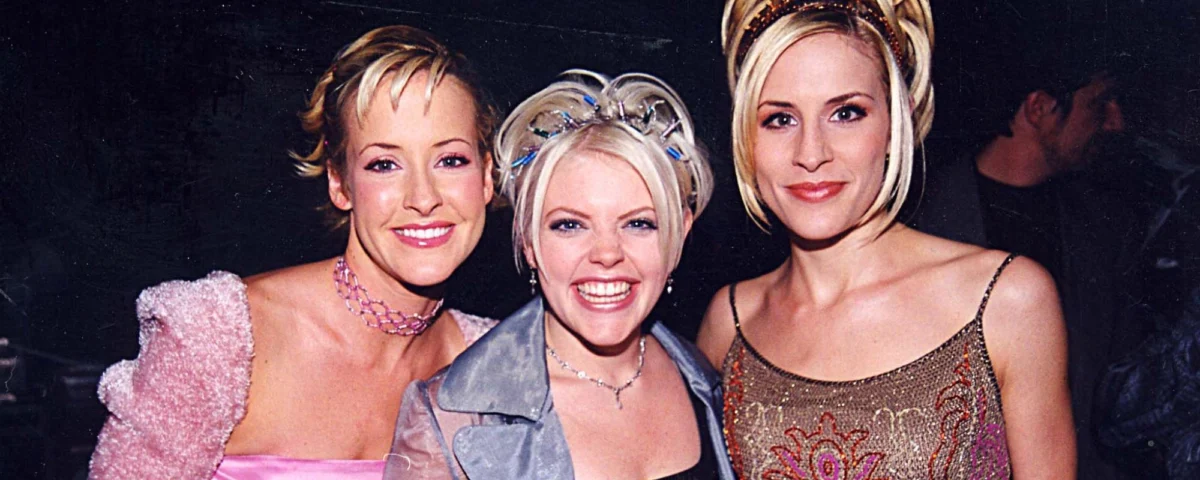
The transition into the 21st century marked a pivotal transformation for the country music industry, as the genre navigated the intersection of traditionalist roots and the burgeoning influence of crossover pop-rock. As the year 2000 dawned, the Nashville soundscape was characterized by high-fidelity production, soaring vocal harmonies, and a lyrical focus that bridged the gap between rural storytelling and suburban sensibilities. This period, often referred to as the "Y2K era" of country music, saw the emergence of powerhouse female groups, the resurgence of legendary icons, and the solidification of solo female artists who commanded the airwaves with relentless chart-making consistency. Central to this narrative are three specific singles that reached the summit of the Billboard Hot Country Songs chart during the first half of 2000: "Cowboy Take Me Away" by The Dixie Chicks, "Buy Me a Rose" by Kenny Rogers featuring Alison Krauss and Billy Dean, and "That’s the Way" by Jo Dee Messina. These tracks not only defined the commercial peak of their respective performers but also served as a barometer for the shifting tastes of the American listening public.
The Evolution of the Nashville Sound at the Millennium
By the late 1990s, country music had moved away from the "neo-traditionalist" movement led by George Strait and Alan Jackson toward a more polished, radio-friendly aesthetic influenced by the massive global success of Shania Twain and Faith Hill. The production values became more expansive, incorporating elements of adult contemporary and soft rock while retaining signature instrumentation such as the fiddle, banjo, and steel guitar. This hybridity allowed country artists to find unprecedented success on the Billboard Hot 100, expanding the genre’s demographic reach beyond its traditional Southern and Midwestern strongholds.
The year 2000 served as the formal inauguration of this modernized era. Data from the Recording Industry Association of America (RIAA) indicates that country music remained one of the most profitable genres during this window, even as the broader music industry began to grapple with the early disruptions of digital file-sharing. The three songs in focus—released or peaking between February and July of 2000—illustrate the diverse strategies used by artists to capture the attention of both terrestrial radio programmers and a maturing fan base.
The Dixie Chicks and the Romanticism of Cowboy Take Me Away
In February 2000, The Dixie Chicks (now known as The Chicks) solidified their status as the premier group in the genre with the chart-topping success of "Cowboy Take Me Away." Serving as the second single from their multi-platinum landmark album Fly, the song represented a masterclass in vocal arrangement and thematic escapism. Written by band member Martie Maguire, the track was deeply personal, inspired by the burgeoning romance between her sister and fellow bandmate, Emily Strayer, and singer-songwriter Charlie Robison.
The composition of "Cowboy Take Me Away" is notable for its use of "ethereal" three-part harmonies, a hallmark of the group’s identity. Musically, the song utilizes a prominent fiddle motif and a driving acoustic rhythm that feels both traditional and modern. Maguire’s inspiration stemmed from a desire to see her sister find a partner who could provide a sense of peace and adventure, famously encapsulated in the lyric, "I want to be the only one for miles and miles."
From a statistical perspective, "Cowboy Take Me Away" was an immediate juggernaut. It reached the No. 1 position on the Billboard Hot Country Songs chart in early 2000 and crossed over to the Billboard Hot 100, peaking at No. 27. The success of the single propelled the album Fly to Diamond certification, signifying over 10 million copies sold. This achievement placed The Dixie Chicks in a rare echelon of artists who could maintain critical bluegrass-inflected credibility while achieving mainstream pop-star levels of commercial penetration.
Historical Milestones and the Resurgence of Kenny Rogers
While The Dixie Chicks represented the vanguard of the new generation, the spring of 2000 also witnessed a historic moment for one of the genre’s most enduring icons. In May 2000, Kenny Rogers returned to the No. 1 spot with "Buy Me a Rose," featuring backing vocals from Alison Krauss and Billy Dean. At the time of the song’s ascent, Rogers was 61 years old, making him the oldest artist to achieve a No. 1 country hit—a record he held until it was later surpassed by Willie Nelson (via a collaboration with Toby Keith).
"Buy Me a Rose" was a departure from the high-energy production of the era, opting instead for a poignant, narrative-driven ballad. The lyrics, written by Jim Funk and Erik Hickenlooper, tell the story of a husband who attempts to show his love through material wealth, only to realize his wife desires the simple, intangible gestures of affection: "Buy me a rose, call me from work / Open a door for me, what would it hurt."
The inclusion of Alison Krauss, a darling of the bluegrass community, and Billy Dean, a staple of 90s country, provided a bridge between different sub-genres and generations. For Krauss and Dean, the song marked their first and only No. 1 hit on the country charts, illustrating the power of the "feature" format in elevating the profiles of supporting artists. The success of "Buy Me a Rose" was particularly significant for Rogers, as it was released on his own independent label, Dreamcatcher Records, proving that veteran artists could still dominate the charts without the backing of a major Nashville conglomerate.
Jo Dee Messina and the Resilience of the Modern Woman
As the summer of 2000 approached, Jo Dee Messina took the No. 1 spot with "That’s the Way," the lead single from her third studio album, Burn. Messina had already established herself as a force to be reckoned with following her 1998 album I’m Alright, which produced three consecutive No. 1 hits. "That’s the Way" continued this momentum, offering a high-energy, optimistic take on the "roller coaster" nature of life and career.
The song was written specifically for Messina by Annie Roboff and Holly Lamar. According to Messina, the songwriters had tracked her career trajectory—a series of professional highs followed by personal and financial lows—and wanted to create an anthem that resonated with the universal experience of perseverance. The lyrical content, emphasizing that "that’s the way it is" when dealing with the ups and downs of life, struck a chord with a broad audience.
"That’s the Way" spent four weeks at the top of the country charts in July 2000. Its success was indicative of a broader trend in Nashville: the rise of the "empowered female" narrative. Messina, along with contemporaries like Martina McBride and Sara Evans, utilized the 2000s to present songs that were relatable to the modern working woman, blending domestic themes with professional ambition and emotional resilience.
Chronology of Chart Dominance: February to July 2000
The first half of 2000 saw a rapid succession of hits that showcased the diversity of the genre. The following timeline outlines the peak periods for these influential tracks:
- February 2000: "Cowboy Take Me Away" by The Dixie Chicks reaches No. 1. The song remains a staple on radio throughout the spring, symbolizing the peak of the group’s cultural influence prior to their 2003 controversy.
- May 2000: "Buy Me a Rose" by Kenny Rogers ft. Alison Krauss and Billy Dean reaches No. 1. This milestone marks the first time in over a decade that Rogers topped the country charts, revitalizing his touring career.
- June 2000: The transition toward summer anthems begins, with Jo Dee Messina’s "That’s the Way" entering heavy rotation.
- July 2000: "That’s the Way" secures the No. 1 position for a multi-week run, cementing Messina’s status as one of the most played female artists of the year.
Industry Analysis: The Mechanics of a Number One Hit in 2000
The success of these three songs was not accidental; it was the result of a highly organized radio promotion system. In 2000, the Billboard Hot Country Songs chart was determined primarily by radio airplay monitored by Nielsen BDS (Broadcast Data Systems). To reach No. 1, a song required massive "spins" across hundreds of country stations nationwide.
The three tracks utilized different promotional strengths:
- The Dixie Chicks relied on a massive, young fan base and high retail sales, which influenced radio programmers to keep the song in "power rotation."
- Kenny Rogers benefited from "heritage" play—older listeners who remained loyal to the icons of the 70s and 80s—combined with the critical respect afforded to Alison Krauss.
- Jo Dee Messina capitalized on the "active" listener demographic, particularly women aged 25–54, who were the primary consumers of country radio at the time.
Broader Impact and Legacy
The influence of these songs extends far beyond the year 2000. "Cowboy Take Me Away" remains one of the most covered and streamed songs in the country music canon, frequently cited by modern artists like Kacey Musgraves and Maren Morris as a foundational influence. Its blend of bluegrass instrumentation and pop structure set the blueprint for the "Americana" and "Country-Pop" hybrids that dominate the industry today.
Kenny Rogers’ success with "Buy Me a Rose" proved that there was a viable market for "elder statesmen" in country music, a trend that continues with the modern success of artists like Reba McEntire and George Strait in their later years. It also highlighted the emotional potency of the "simple life" narrative, a theme that remains a cornerstone of country songwriting.
Finally, Jo Dee Messina’s "That’s the Way" served as a precursor to the "life-lesson" songs that would become ubiquitous in the mid-2000s. The song’s focus on the cyclical nature of struggle and success provided a template for the relatability that remains essential for female artists in the genre.
As the decade progressed, the landscape would continue to shift toward even more pop-oriented sounds, eventually leading to the "Bro-Country" era of the 2010s. However, the early months of 2000 stand as a unique moment in time where the old guard and the new wave coexisted at the top of the charts, creating a rich, diverse, and commercially dominant era for country music. These three songs—representing romance, reflection, and resilience—remain the definitive soundtrack of that millennial transition.
