

The global independent music sector has undergone a seismic shift over the last decade, evolving from a fringe movement into a dominant force within the international entertainment economy. According to data from Midia Research, independent artists—those not signed to major labels—generated approximately $1.2 billion in 2022, a figure that continues to grow as digital distribution democratizes access to global audiences. However, this proliferation of content has created a saturated market where individual talent often struggles to break through the noise. Industry analysts suggest that the primary differentiator for successful independent artists is no longer just the quality of the music, but the strength of their professional network and the frequency of their collaborations. Networking and collaboration are frequently perceived as intimidating hurdles for independent musicians, yet they remain the most effective catalysts for career longevity. By moving beyond traditional industry gatekeepers and exploring unconventional avenues for connection, musicians can build sustainable ecosystems that support both creative growth and commercial viability.
The Economic and Creative Case for Cross-Disciplinary Collaboration
The contemporary arts landscape is increasingly interconnected, with the boundaries between music, visual arts, and performance becoming more porous. For the independent musician, the local arts scene represents a high-density environment of untapped potential. Engaging with local art events—such as gallery openings, experimental theater, and performance poetry slams—offers a strategic advantage. While music-specific events are often populated by competitors, cross-disciplinary events allow musicians to position themselves as unique service providers and creative partners.
Historically, the most significant cultural movements have been the result of such interdisciplinary synergy. The Andy Warhol "Factory" era in New York or the Bauhaus movement in Germany demonstrated that when musicians, painters, and designers share space, the resulting innovation attracts broader media attention and higher cultural capital. In a modern context, a visual artist hosting a gallery show may require a bespoke soundscape to enhance the immersive experience for attendees. Similarly, theater directors are increasingly seeking original scores to avoid the licensing complexities and costs associated with mainstream commercial music. These partnerships provide musicians with access to the visual artist’s or theater company’s existing audience, effectively doubling their reach through a single collaborative project.
The Evolution of Peer-to-Peer Learning: Case Study of the Feedback Collective
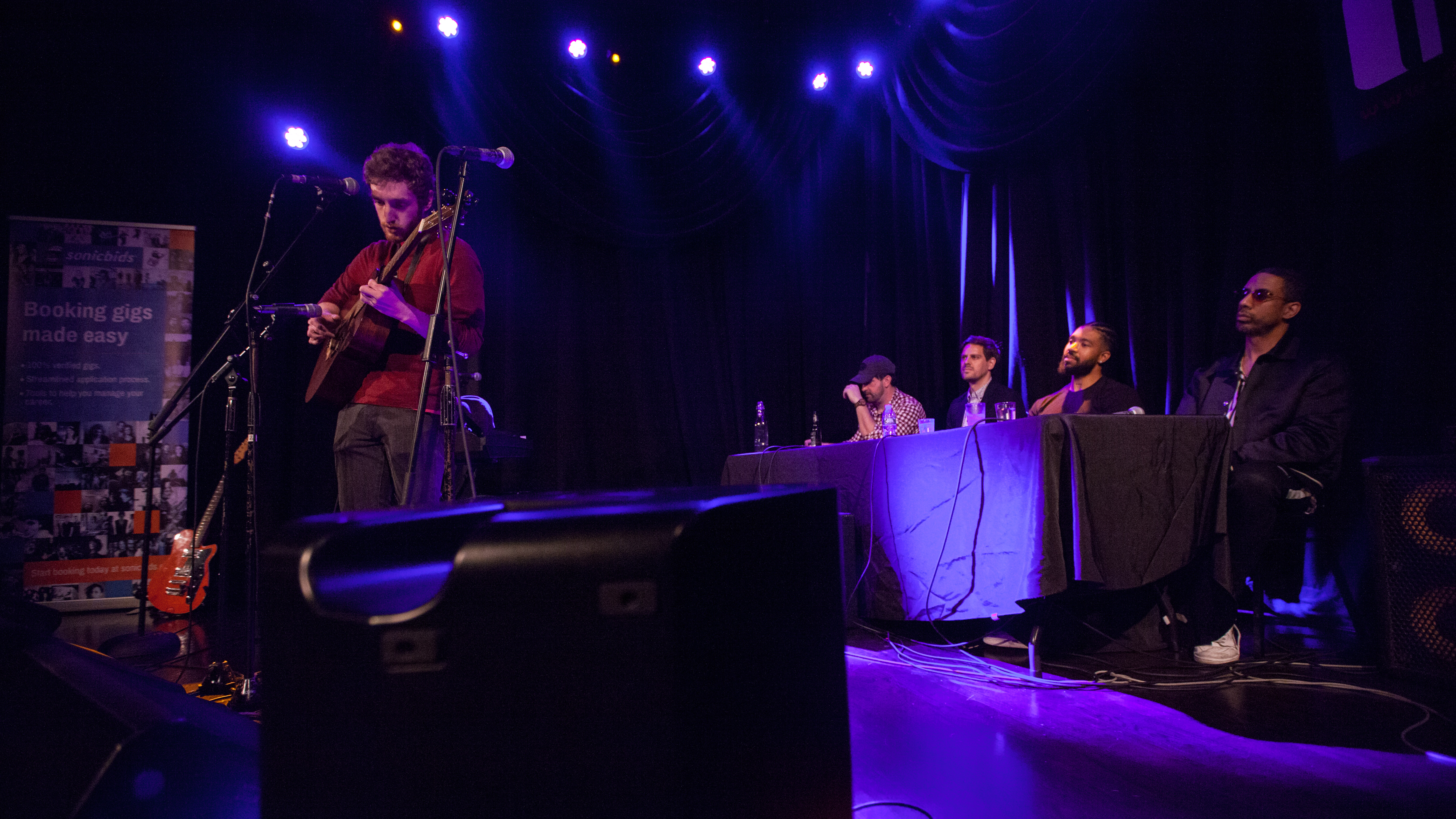
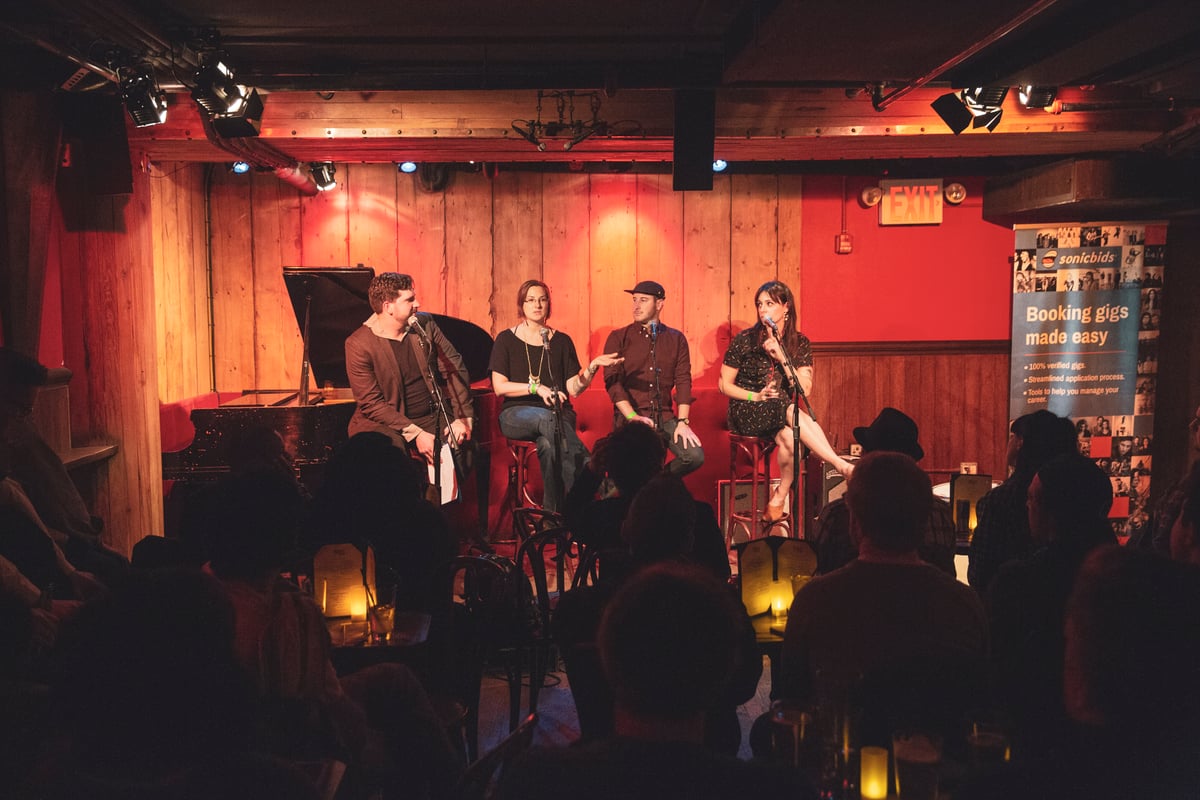
As the industry shifts away from top-down management, community-driven initiatives like jam sessions and workshops have become essential infrastructure for the independent sector. These events serve as "controlled environments" where the social friction of networking is mitigated by a shared focus on craft. A prominent example of this model is the Sonicbids Feedback Collective, which has hosted panel discussions and songwriting workshops designed to bridge the gap between emerging talent and established professionals.
The chronology of these initiatives shows a transition from simple social gatherings to structured professional development hubs. In the early 2010s, "networking" often meant handing out physical demos at concerts. By 2024, the paradigm has shifted toward "value-first" interactions. Hosting a jam session or a workshop allows an artist to act as a curator, positioning them at the center of a local network. This role provides immediate social proof and authority. When a rock guitarist collaborates with a jazz saxophonist in a relaxed, workshop-style setting, the resulting "fusion" often leads to the discovery of niche genres that can be more easily marketed to specific, high-engagement fanbases. Data indicates that artists who participate in regular peer-review sessions or collaborative workshops see a 30% higher retention rate in their professional relationships compared to those who only network during high-stakes industry mixers.
Digital Ecosystems and the Shift to Asynchronous Collaboration
While traditional social media platforms like Instagram and X (formerly Twitter) remain vital for brand awareness, they are often criticized by artists for their algorithmic biases and "pay-to-play" models. Consequently, a significant portion of the independent music community is migrating toward specialized digital platforms designed for deep collaboration. Platforms such as BandLab and SoundCloud have moved beyond mere hosting services to become social DAWs (Digital Audio Workstations).
BandLab, which reported over 60 million users in 2023, exemplifies the power of asynchronous collaboration. The platform allows musicians to contribute tracks to a project regardless of geographical barriers or time zones. This technological advancement has led to the rise of "cloud-based collectives," where an artist in London can provide vocals for a producer in Tokyo, with the final mix being mastered by an engineer in Los Angeles.
From a journalistic perspective, the implications of this digital shift are twofold. First, it reduces the financial barrier to entry for high-quality production, as artists can trade skills (e.g., a vocalist providing hooks in exchange for professional mixing). Second, it creates a transparent digital paper trail of collaboration, which is essential for rights management and royalty distribution in the era of streaming. Analysis of SoundCloud’s engagement metrics shows that collaborative tracks typically receive 40% more "reposts" than solo tracks, as each participating artist brings their own unique follower base to the release.
Strategic Immersion via Festival and Event Volunteering
The music festival industry is a multi-billion dollar sector that relies heavily on a tiered labor structure, including a vast network of volunteers. For the independent musician, volunteering at a festival like SXSW, Bonnaroo, or Glastonbury is a strategic maneuver that provides "behind-the-scenes" access to industry gatekeepers. This method of networking bypasses the traditional barriers of VIP sections and backstage passes by integrating the artist into the operational fabric of the event.
Volunteering roles in artist relations, stage management, or media coordination put musicians in direct proximity to tour managers, booking agents, and headlining artists. These interactions occur within a professional, goal-oriented context, which is often more conducive to building lasting rapport than a brief pitch in a crowded bar.
Industry veterans often cite "The Law of Proximity" as a key factor in their early career breakthroughs. By being present and helpful during the high-stress environment of a live event, a volunteer demonstrates reliability—a trait that is highly valued in the music business. Furthermore, the networking that occurs between volunteers themselves should not be overlooked. The volunteer coordinator of today is often the festival programmer of tomorrow. Establishing these "weak ties" (a sociological concept popularized by Mark Granovetter) is crucial, as these acquaintances are statistically more likely to provide new information and opportunities than a close-knit circle of existing friends.

Leveraging the Fanbase as a Collaborative Engine
One of the most underutilized assets in an independent musician’s arsenal is their existing fanbase. In the "Web3" and "Creator Economy" era, the relationship between artist and fan is shifting from a one-way broadcast to a two-way dialogue. Utilizing a fanbase for networking involves treating listeners not just as consumers, but as a distributed talent agency.
Surveys and polls conducted via newsletters or platforms like Patreon can reveal a wealth of professional connections within a fan community. A fan who enjoys an artist’s music might also be a professional videographer, a graphic designer, or a connection to another musician. This "Direct-to-Fan" (D2F) networking model fosters a sense of ownership and community among the audience.
Analysis of fan engagement suggests that when a fan facilitates a connection that leads to a successful collaboration, their loyalty to the artist increases exponentially. They become "super-fans" who are more likely to invest in high-margin items like physical vinyl, merchandise, and concert tickets. Furthermore, involving fans in the collaborative process—such as asking them to vote on which artist they would like to see a musician work with—provides the musician with market research data that can be used to pitch potential collaborators. If an artist can prove to a peer that their combined fanbases have a 25% overlap and a high desire for a joint project, the likelihood of a successful partnership increases.
Broader Impact and Industry Implications
The strategies outlined above reflect a broader shift in the music industry toward a decentralized, community-based model. As major labels continue to consolidate and focus on "viral" hits, the independent sector is building a more resilient infrastructure based on mutual aid and diversified networking.

The long-term impact of these networking strategies is the creation of a "middle class" of musicians—artists who may not be global household names but who earn a sustainable living through a combination of live performance, sync licensing, and collaborative ventures. This movement is supported by the rise of "micro-scenes," which are often born from the local art events and jam sessions mentioned previously.
In conclusion, the path to a successful independent music career is increasingly defined by an artist’s ability to navigate complex social and digital networks. By embracing multidisciplinary art scenes, hosting community-focused events, utilizing collaborative digital tools, volunteering for industry immersion, and activating their fanbases, musicians can mitigate the isolation of the "DIY" approach. These methods do more than just generate "likes" or "follows"; they build the social capital required to sustain a creative life in a volatile economic environment. The future of music is not just in the hands of those who create it, but in the hands of those who can effectively connect with others to amplify it. As the industry continues to evolve, the ability to network creatively and authentically will remain the most valuable skill in any musician’s toolkit.
