

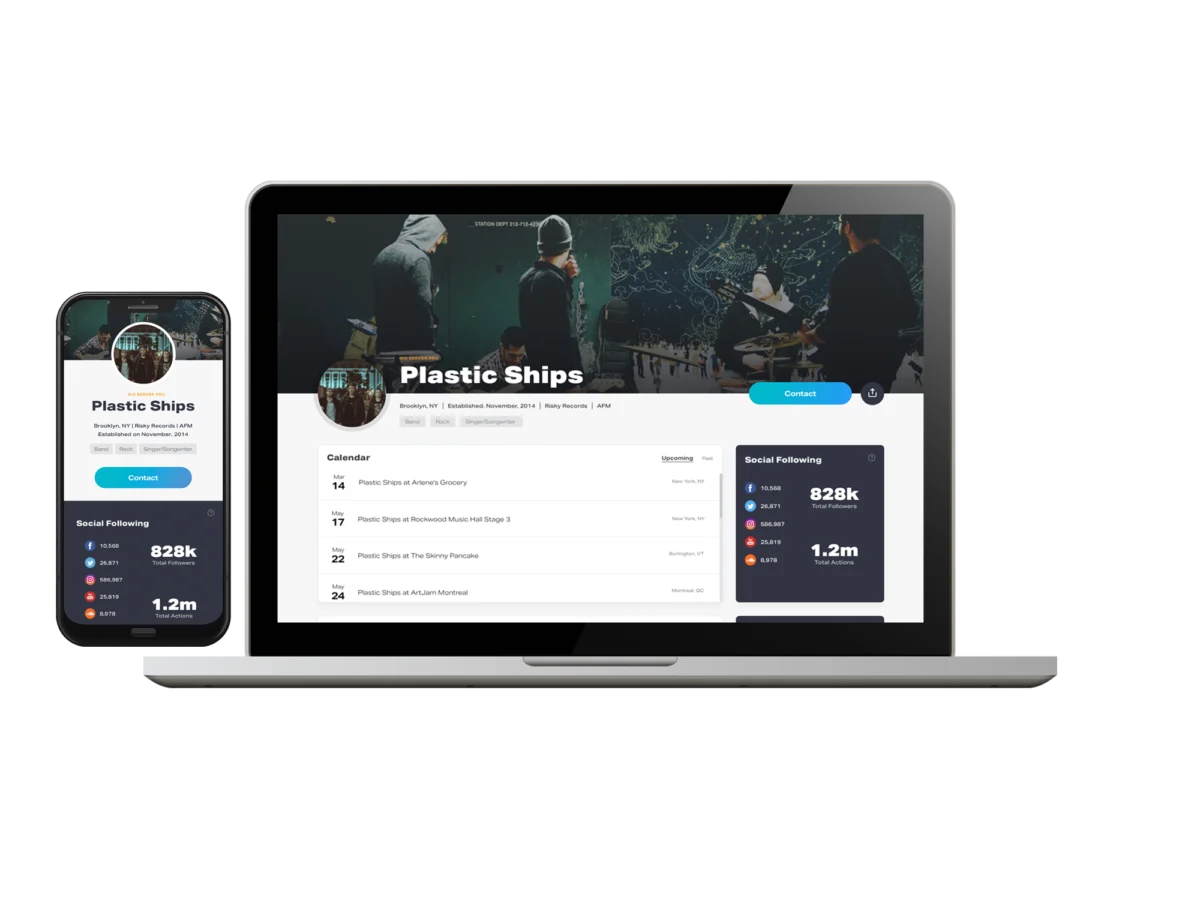
The evolution of the music industry from physical distribution to digital-first consumption has fundamentally altered the professional requirements for independent artists seeking commercial viability. Central to this transition is the Electronic Press Kit (EPK), a digital portfolio that serves as a musician’s primary professional calling card for booking agents, talent buyers, media outlets, and record labels. As the barrier to entry for music production has lowered, the volume of content entering the marketplace has reached unprecedented levels, making the EPK a critical filter for industry professionals tasked with identifying serious talent.
The Historical Shift: From Physical Press Kits to Digital Standards
The concept of the "press kit" originated in the mid-20th century as a physical folder containing a glossy 8×10 photograph, a printed biography, a demo cassette or CD, and a collection of photocopied news clippings. This format remained the industry standard until the late 1990s, when the limitations of physical logistics—such as high shipping costs and the inability to update information in real-time—became a bottleneck for emerging artists.
The year 2001 marked a significant turning point in this chronology with the launch of Sonicbids, a platform that digitized the press kit and standardized the format for the burgeoning internet age. By moving the artist’s resume to the cloud, Sonicbids established a framework that allowed talent buyers to review hundreds of submissions in the time it previously took to open a single physical package. This digitization coincided with the rise of social media and streaming services, transforming the EPK from a static document into a dynamic, living asset that tracks an artist’s career trajectory in real-time.
Market Data and the Independent Music Ecosystem
The necessity of a professional EPK is underscored by the current scale of the independent music sector. According to data from Midia Research, the independent artist segment is the fastest-growing part of the global recorded music market, with "artists direct" generating over $1.2 billion in revenue annually. With more than 60,000 tracks uploaded to streaming platforms like Spotify every day, the "signal-to-noise" ratio has become the primary challenge for industry gatekeepers.
Market analysis suggests that talent buyers at mid-to-large scale venues receive an average of 50 to 100 unsolicited booking inquiries per week. In this high-volume environment, efficiency is paramount. Internal surveys from booking agencies indicate that materials that are not consolidated into a single, easily accessible link are often discarded. The EPK functions as a "Single Source of Truth" (SSOT), providing all necessary assets—audio, video, high-resolution imagery, and social data—in a format that requires zero friction for the reviewer.
The Anatomy of a High-Impact Electronic Press Kit
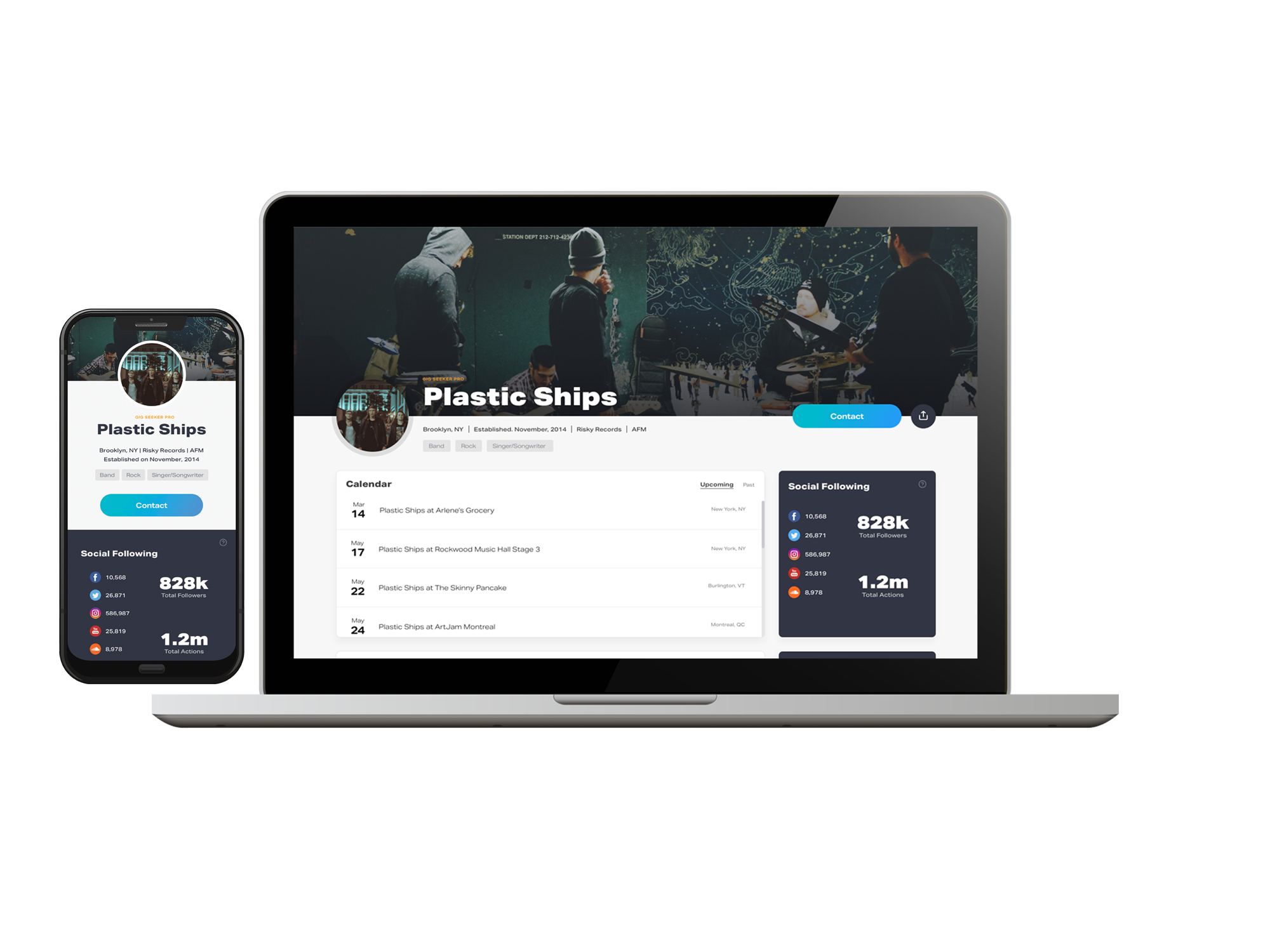
A professional EPK is more than a collection of links; it is a curated narrative of an artist’s brand and commercial potential. Industry standards dictate that a comprehensive kit must include several key components to be considered viable by professional outlets.
- The Narrative Biography: Unlike a standard social media "about" section, an EPK bio must provide a compelling story that highlights the artist’s unique value proposition. It serves as the foundation for journalists writing features or promoters drafting event descriptions.
- High-Resolution Visual Assets: Professionalism is often judged by the quality of an artist’s photography. EPKs must include both "landscape" and "portrait" orientations suitable for print media, digital headers, and social media promotion.
- Vetted Discography and Media: Curating the best work is more effective than providing an exhaustive list of every recording. Top-performing tracks, often integrated with streaming widgets, allow for immediate auditing of the artist’s sound.
- Quantifiable Metrics: In the modern era, data is as important as melody. Inclusion of streaming milestones—such as the "10,000 streams in one month" benchmark mentioned in original industry guides—acts as proof of concept for promoters looking to minimize financial risk.
- Social Proof and Press Coverage: Quotes from reputable music critics and logs of past performances at notable venues build a "credibility bridge," showing that the artist has already been vetted by other industry professionals.
Industry Perspectives: The Talent Buyer’s View
Professional reactions to the use of EPKs emphasize the role of presentation in the decision-making process. "When we are looking to fill a support slot for a touring act, we don’t have time to hunt for an artist’s high-res photo or wait for a Dropbox link to sync," says Marcus Thorne, a veteran talent buyer for several East Coast music festivals. "An artist who provides a clean, professional EPK immediately signals that they understand the business side of music. It reduces the administrative burden on my team, which makes that artist much more attractive to work with."
This sentiment is echoed across the journalism sector. Music editors frequently report that the lack of a "press" tab or a downloadable kit is the primary reason an artist fails to receive coverage. By providing pre-written bios and downloadable photos, the artist essentially does the heavy lifting for the journalist, increasing the likelihood of a featured story.
Implications for Credibility and Professional Branding
The broader implication of the EPK lies in its ability to level the playing field between independent artists and those signed to major labels. A well-constructed EPK provides an "institutional" feel to an independent operation. It signals that the artist is not merely a hobbyist but a business entity capable of fulfilling professional obligations.
Furthermore, the EPK serves as a psychological tool for establishing authority. In a landscape where "viral" success can be fleeting, a structured press kit suggests longevity. It demonstrates that the artist has a strategy, a history of growth, and a clear vision for their future. This professional branding is essential for securing higher-tier opportunities, such as sync licensing deals for film and television, where music supervisors require clear rights information and professional-grade assets.
Accessibility and the 24-Hour Digital Economy
The global nature of the music industry means that opportunities often arise outside of standard business hours. A digital EPK ensures that an artist’s materials are accessible 24/7. Whether a venue owner in London is scouting talent at midnight or a brand manager in Tokyo is looking for a specific aesthetic for a campaign, the EPK serves as an automated representative for the artist.
This accessibility also facilitates collaboration. When independent artists network with producers or other musicians, the ability to share a single link that encapsulates their entire career allows for faster "vibe checks" and more efficient creative matchmaking. In the fast-paced digital economy, the speed of information transfer can be the difference between securing a partnership and being overlooked.
Future Outlook: Data Integration and Real-Time Updates
As the music industry continues to integrate with sophisticated data analytics, the EPK is expected to become even more data-centric. Future iterations of the digital press kit may include real-time API integrations that automatically update streaming numbers, social media follower counts, and ticket sales data. This shift toward "live data" will further distinguish artists who are actively growing their fanbases from those who are stagnant.
The role of platforms like Sonicbids remains central to this evolution. By providing a standardized infrastructure, these platforms allow artists to focus on the creative aspects of their career while ensuring their professional presentation remains up to industry standards. For the independent musician, the EPK is no longer an optional luxury; it is the fundamental infrastructure upon which a sustainable career is built.
Conclusion
The transition from the traditional music industry model to the current independent-led ecosystem has placed the burden of professional representation directly on the artist. The Electronic Press Kit is the most effective tool for managing this responsibility. By providing a concise representation of artistry, simplifying communication, boosting credibility, and offering a platform for continuous growth, the EPK serves as the bridge between creative talent and commercial success. As the market continues to expand and evolve, the ability to present a professional, data-backed, and easily accessible digital portfolio will remain the hallmark of the serious independent artist. In a business that thrives on storytelling and first impressions, the EPK is the definitive medium for an artist’s professional narrative.
