

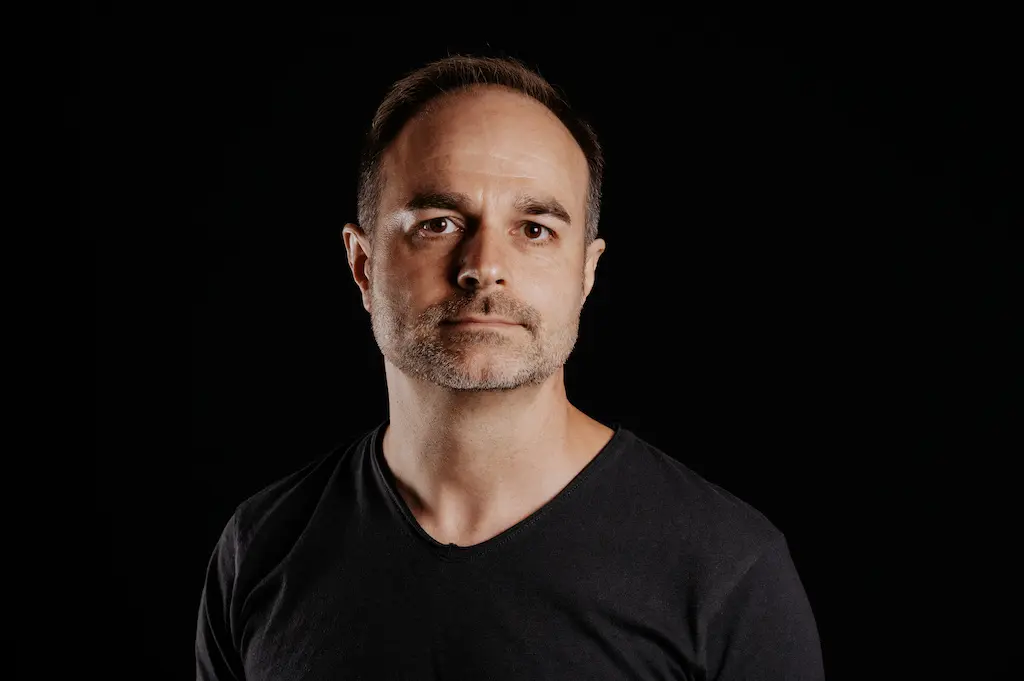
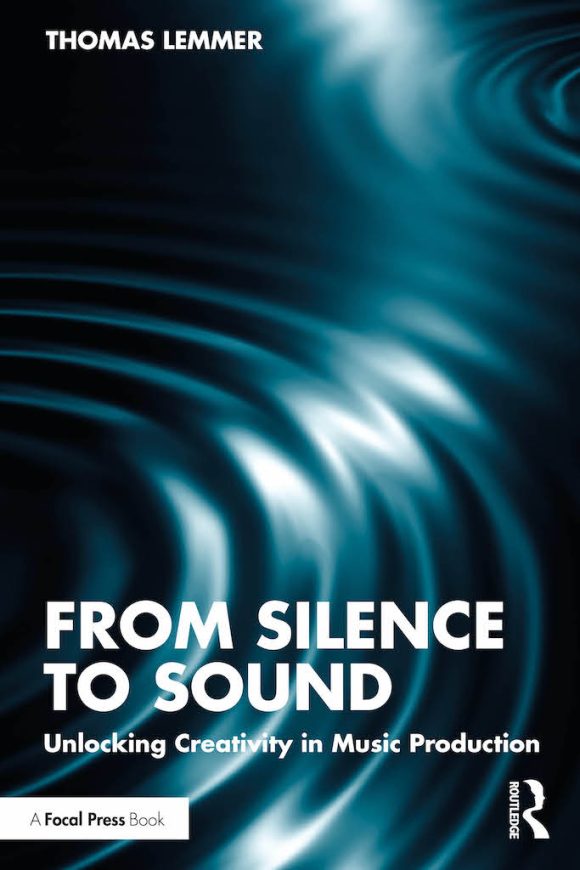
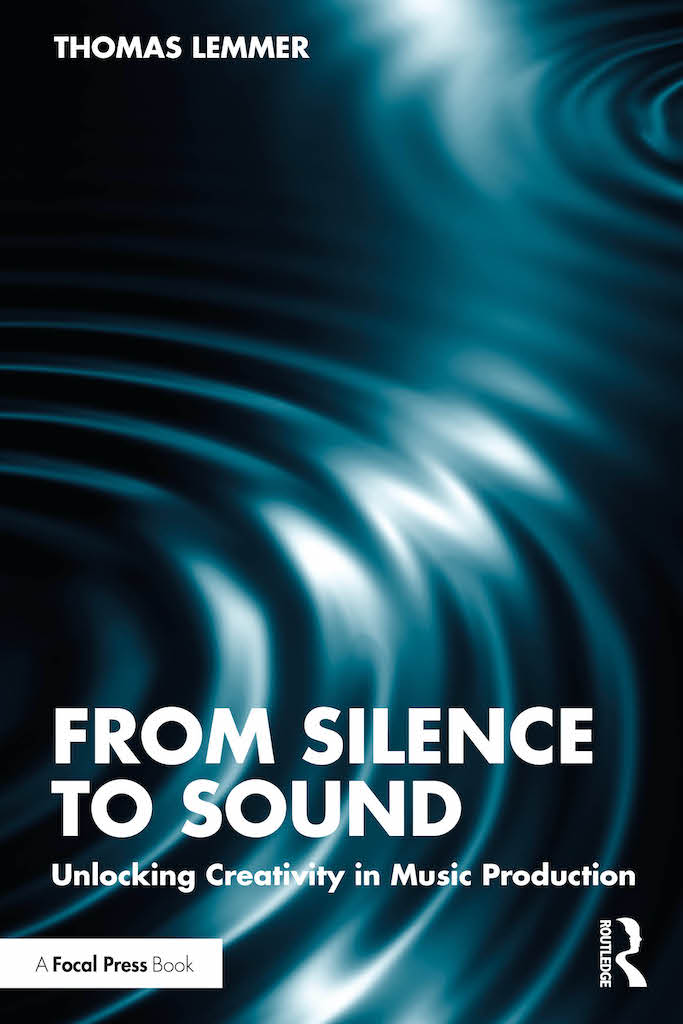
The release of this comprehensive work by German composer and producer Thomas Lemmer marks a significant shift in music production literature, moving away from purely technical "how-to" manuals toward a deeper exploration of artistic identity and the creative mindset. Published on August 20, 2026, by Focal Press, an imprint of Routledge and Taylor & Francis, the 252-page volume has emerged as a cornerstone text for a new generation of creators navigating an increasingly automated and complex industry.
The book arrives at a critical juncture in the evolution of music technology. As digital audio workstations (DAWs) and artificial intelligence (AI) tools become more proficient at handling the technical minutiae of mixing and mastering, the value of the "human element"—the unique artistic voice—has become the primary differentiator in a saturated global market. Lemmer’s work addresses this paradigm shift directly, offering a roadmap for producers, songwriters, and sound designers to reclaim their creative agency.
A Philosophical Shift in Music Pedagogy
For decades, the standard curriculum for music production focused heavily on signal flow, frequency spectrums, and the mechanics of compression. While these technical skills remain foundational, the democratization of music production tools has led to a glut of technically proficient but emotionally stagnant content. Thomas Lemmer’s "From Silence to Sound" seeks to bridge this gap by prioritizing the "why" over the "how."
The text is structured into seven distinct chapters, each designed to dismantle the barriers between an initial spark of inspiration and a finished, evocative piece of music. Lemmer explores the development of a personal "sonic language," arguing that a producer’s signature sound is not found in a specific plugin or hardware unit, but in their unique perspective and emotional resonance. This approach is particularly relevant for contemporary educators who are increasingly integrating psychology and mindfulness into technical arts programs.
The Author: Two Decades of Sonic Innovation
Thomas Lemmer’s authority on the subject is rooted in a career spanning more than twenty years. Known primarily for his work in the Ambient, Electronica, and Neoclassical genres, Lemmer has consistently pushed the boundaries of sound design. His expertise is not merely theoretical; he is a practitioner of immersive audio, specifically the Dolby Atmos format, which requires a sophisticated understanding of spatial relationships and emotional immersion.
In 2025, Lemmer’s contributions to the industry were officially recognized when he received the German Songwriting Award in the "Music for Motion Picture" category. This accolade highlighted his ability to translate narrative and visual cues into compelling auditory experiences—a central theme of his new book. His background in film music provides a unique vantage point on how music serves a larger purpose, whether it is supporting a visual story or standing alone as a piece of art.
Navigating the Age of Artificial Intelligence
One of the most anticipated sections of "From Silence to Sound" deals with the integration of AI in the creative process. By late 2026, AI-driven composition and mixing tools have become ubiquitous, sparking intense debate within the creative community. Lemmer adopts a pragmatic yet cautious stance, viewing technology as a servant to the musical message rather than its master.
The book provides a framework for using AI as a tool for creative expansion—such as overcoming "blank page syndrome" or generating complex sound textures—while emphasizing that the final emotional weight of a piece must originate from the human creator. This balanced perspective has been praised by industry analysts who argue that the future of music production lies in "augmented creativity," where the efficiency of machines enhances, rather than replaces, human intuition.
Chronology of Development and Publication
The journey of "From Silence to Sound" reflects the meticulous nature of its author. The following timeline outlines the key milestones leading to the book’s release:

- 2004–2020: Thomas Lemmer establishes himself as a leading voice in European electronic and ambient music, releasing numerous albums and refining his philosophy on "emotive production."
- 2021–2023: Lemmer begins documenting his creative workflows and philosophical approaches, moving toward a formal pedagogical structure. During this period, he becomes an early adopter and specialist in Dolby Atmos production.
- 2024: Focal Press (Routledge) acquires the rights to the manuscript, recognizing the need for a text that addresses the psychological aspects of production in the AI era.
- 2025: Lemmer wins the German Songwriting Award, solidifying his reputation as a master of atmospheric and narrative composition.
- August 20, 2026: "From Silence to Sound: Unlocking Creativity in Music Production" is officially released globally in paperback, hardcover, and eBook formats.
- November 3, 2026: The book is integrated into several high-profile music technology curricula across Europe and North America, signaling its impact on professional training.
Supporting Data and Market Context
The publication of this book coincides with a period of unprecedented growth in the "creator economy." According to industry reports from mid-2026, the number of independent music producers worldwide has increased by 40% since 2022. This surge has created a massive demand for educational resources that go beyond basic tutorials.
Data from major publishing distributors indicates that "mindset and creativity" titles in the arts and photography category have seen a 25% year-over-year increase in sales, outperforming traditional technical manuals. This trend suggests that as software becomes more intuitive, creators are seeking deeper intellectual and emotional engagement with their craft. Lemmer’s book is strategically positioned to meet this demand, providing the "soft skills" that are increasingly viewed as essential for long-term career viability in the arts.
Official Responses and Industry Impact
Early reviews from the professional audio community have been overwhelmingly positive. Dr. Elena Fischer, a professor of Sound Design at the Berlin University of the Arts, noted that "Lemmer’s work provides a necessary counterbalance to the ‘preset culture’ that threatens to homogenize modern music. It forces the producer to look inward, which is the most difficult but rewarding part of the process."
Similarly, sound engineers at major studios have pointed to the book’s relevance in the world of immersive audio. By focusing on how emotions are translated into sound, Lemmer provides a bridge for engineers who are moving from traditional stereo mixing to the more complex, "feeling-based" environments of spatial audio.
The book’s inclusion of companion material via its dedicated website, fromsilencetosound.com, has also been cited as a significant value-add. This digital component allows the concepts discussed in the 252-page text to be experienced through audio examples and practical exercises, creating a holistic learning environment.
Broader Implications for the Future of Music
"From Silence to Sound" is more than a book; it is a manifesto for the preservation of human artistry in a technological age. Its impact is expected to be felt in several areas:
- Educational Reform: Music technology programs are likely to adopt more "creativity-first" modules, using Lemmer’s seven chapters as a foundational structure for teaching students how to develop a unique artistic identity.
- Mental Health in the Arts: By addressing creative blocks and the pressure of the production process, the book brings much-needed attention to the psychological well-being of creators, a topic often ignored in technical circles.
- Technological Integration: The book sets a precedent for how artists should interact with emerging technologies like AI and immersive audio—not as passive users, but as intentional directors of the tools at their disposal.
As the industry moves further into the late 2020s, the distinction between a "technician" and a "producer" will likely continue to blur. Works like "From Silence to Sound" ensure that even as the tools of the trade change, the core purpose of music—to communicate emotion and connect human experiences—remains at the forefront of the production process. Thomas Lemmer has not only provided a guide for individual success but has also contributed to the ongoing dialogue about what it means to be a creator in the 21st century.
