

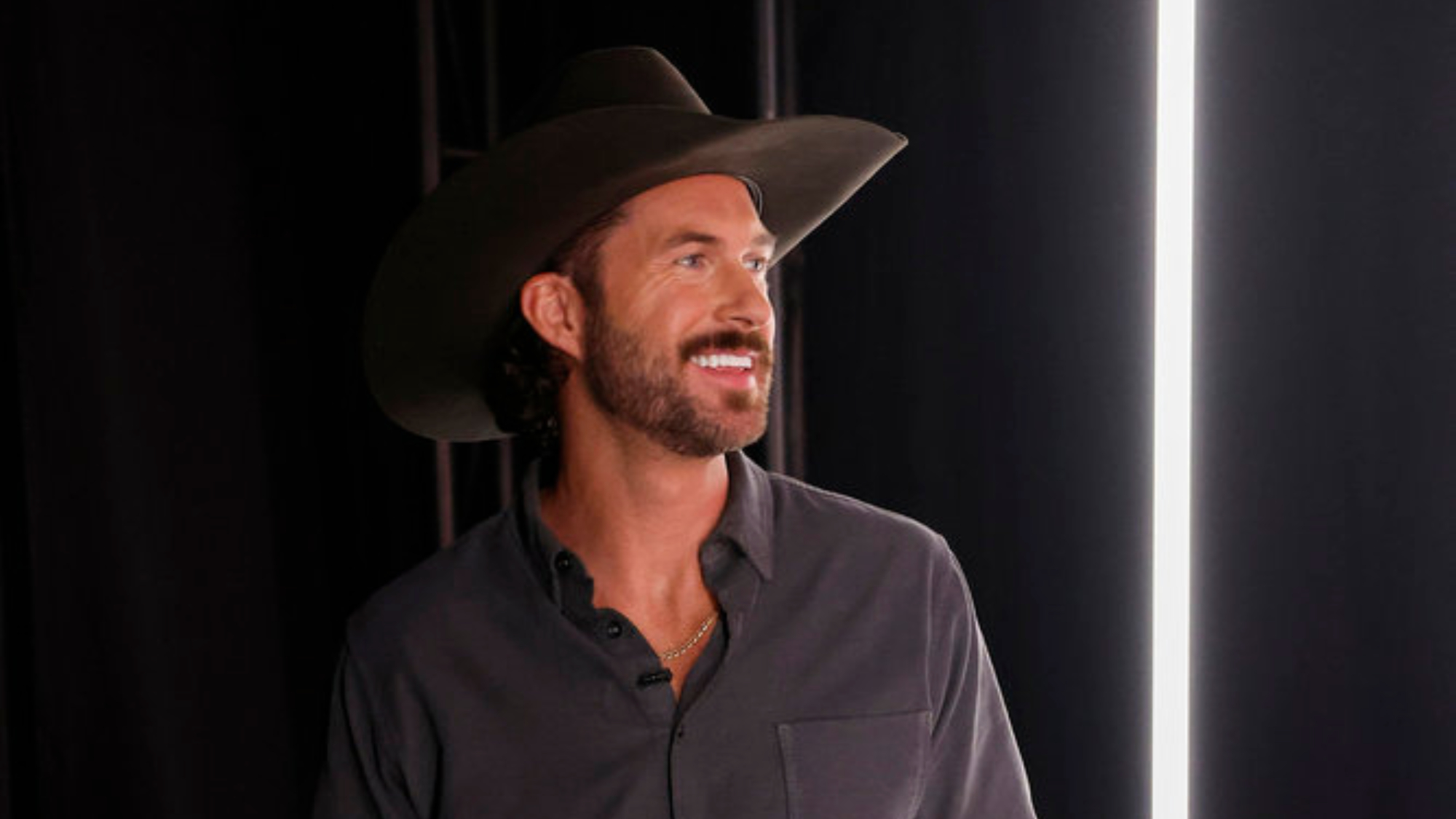
The second night of the Blind Auditions for the milestone 30th season of NBC’s The Voice delivered one of the most unexpected pivots in the show’s history when 19-year-old Harmony McKee took the stage. Performing a high-octane rendition of Miranda Lambert’s 2008 hit "Gunpowder & Lead," McKee managed to ignite a fierce bidding war between veteran coach Adam Levine and country music star Riley Green. While the performance itself was enough to secure chair turns, it was McKee’s post-performance revelation regarding her musical identity that shifted the trajectory of the evening and highlighted the evolving landscape of genre-fluidity in the modern music industry.
The Audition and Immediate Coaching Reactions
As the lights dimmed and the opening chords of the Lambert classic resonated through the studio, McKee displayed a vocal maturity that belied her 19 years. "Gunpowder & Lead" is a song known for its grit and aggressive storytelling, requiring a vocalist who can balance technical precision with raw, emotive power. McKee delivered on both fronts, prompting Riley Green and Adam Levine to press their buttons and turn their chairs early in the set.
Despite the intensity of the performance, the other two coaches on the panel, Kelly Clarkson and Queen Latifah, remained in their seats. Their decision to abstain appeared to be less about the quality of the vocal and more about the specific needs of their growing teams. However, both Clarkson and Latifah remained highly engaged during the subsequent pitch session, offering insights that would eventually influence McKee’s difficult decision.
The atmosphere in the room shifted from high-energy rock-country to genuine surprise when the performance concluded. McKee, standing center stage, was asked about her background and her relationship with country music. Her response was a revelation that stunned the panel: "It’s my first time ever performing a country song. I’m not a country artist," she admitted. She further explained that her primary musical influences and personal style lean heavily toward R&B, soul, bluesy rock, and traditional blues.
A Strategic Tug-of-War: Levine vs. Green
The admission that McKee was a "genre-tourist" in the country space immediately energized Adam Levine. The Maroon 5 frontman, known for his appreciation of eclectic voices and cross-genre experimentation, physically expressed his excitement by running around the stage and embracing the young singer. Levine’s pitch centered on the idea that McKee’s lack of a traditional country background was actually her greatest strength. He argued that her powerhouse vocals and R&B sensibilities could allow her to reinvent any song she touched, regardless of its original category.
"The reason I was so happy is not because I hate country music," Levine clarified, acknowledging his respect for Riley Green. "I just think you can do anything. The power in your voice! Honestly, I think you’re one of the stronger singers we’ve heard. You’re a true powerhouse."
Riley Green, representing the country contingent of the coaching panel, faced the challenge of convincing a non-country artist that a country coach was the right fit. Green’s strategy was twofold: he leaned into a personal emotional connection and provided a contemporary blueprint for success.
When McKee mentioned that her only previous exposure to the genre was singing "a little Johnny Cash here and there" with her grandfather, Green saw an opening. Kelly Clarkson facilitated this connection by pointing out that Green’s own musical journey began with his grandfather. This shared history provided a narrative bridge between the coach and the contestant, moving the conversation from technical ability to personal heritage.
The Chris Stapleton Model and Genre Fluidity
To address the genre discrepancy, Green invoked the name of Chris Stapleton, one of the most successful examples of a modern artist who successfully blends country, soul, and blues. Green argued that McKee’s love for rock and blues was not a barrier to country music, but rather an essential ingredient for a modern, soulful interpretation of the genre.
"The fact that you love rock and blues, Chris Stapleton’s the best example in the world of taking something that’s very country and putting a blues feel on it," Green told McKee. "I don’t have any doubt that you’re going to do well with it too, so I’d love to work with you."
This argument highlights a broader trend in the music industry where the lines between R&B and country are increasingly blurred. From Beyoncé’s foray into country with Cowboy Carter to the soul-infused country tracks of artists like Jelly Roll and Stapleton, the "Nashville Sound" is becoming more inclusive of the very elements McKee brings to the table. By framing his coaching style as one that facilitates this blend rather than forcing a traditional mold, Green positioned himself as a versatile mentor.
The Decision and Audience Reaction
In a move that caught many in the room off guard, McKee ultimately chose Riley Green as her coach. The announcement was met with a peculiar reaction: a sudden, "deafening" silence from the studio audience. The lack of immediate applause was so palpable that Green himself remained seated for several seconds, seemingly stunned by the choice and the reaction of the crowd.
"That’s you!" Clarkson shouted to Green, prompting him to snap out of his daze. Once he realized he had successfully recruited the powerhouse singer, Green turned his attention to the audience’s muted response. "Why aren’t y’all cheering for that? Where did y’all get the audience?" he joked, though he later admitted to the cameras that he felt a sense of "saltiness" regarding the crowd’s delayed enthusiasm.
Despite the awkward moment with the audience, Green expressed immense satisfaction in winning the recruitment battle. "This victory is pretty sweet, because there’s no better feeling than beating Adam," he remarked in a post-audition interview. The rivalry between the veteran Levine and the newcomer Green has become a central narrative of Season 30, with McKee’s audition serving as a pivotal moment in their competitive dynamic.
Statistical Context and the Impact of The Voice Season 30
The Voice continues to be a dominant force in reality television, consistently drawing millions of viewers during its premiere weeks. Season 30 marks a significant milestone for the franchise, which has seen various coaching lineups and format tweaks over the years. The inclusion of Riley Green and Queen Latifah alongside staples like Kelly Clarkson and the returning Adam Levine represents a strategic effort to appeal to a broad demographic of music fans.
The success of contestants who perform songs outside their comfort zone is a well-documented phenomenon on the show. According to historical data from past seasons, "genre-flip" auditions—where a singer performs a song in a style different from their primary background—often result in higher engagement rates and longer runs in the competition. McKee’s performance of "Gunpowder & Lead" fits this mold perfectly, as it demonstrated her ability to adapt her R&B "powerhouse" vocals to a high-tempo country-rock track.
Furthermore, the "grandfather connection" noted by Clarkson and Green is a recurring theme in reality television that resonates deeply with viewers. Human-interest angles, such as family heritage and early musical memories, often provide the emotional anchor necessary for contestants to build a loyal voting base as the competition moves into the live rounds.
Implications for Team Riley and the Competition Ahead
By securing Harmony McKee, Riley Green has added a versatile weapon to his team. While Green is primarily known for his traditional and outlaw country influences, McKee provides him with an opportunity to showcase his range as a coach. If Green can successfully guide McKee in blending her R&B roots with country storytelling, she could emerge as a frontrunner for the season.
For Adam Levine, losing McKee is a tactical setback but one that reinforces his status as the coach most likely to pursue genre-bending talent. His enthusiasm for McKee’s "true powerhouse" voice suggests that he will continue to look for singers who defy easy categorization.
As The Voice continues its premiere week, the focus remains on how these early team members will evolve. The chemistry—and the friction—between the coaches is already proving to be a primary draw for the season. With Queen Latifah and Kelly Clarkson yet to fill several key spots on their rosters, the competition is expected to intensify in the coming episodes.
The Voice will continue its broadcast schedule with a new episode airing Wednesday on NBC, followed by streaming availability on Peacock. As the Blind Auditions progress, the industry will be watching to see if Harmony McKee’s choice of a country coach will lead to a new, soulful evolution of the genre on the national stage.
