

The digital landscape for independent musicians has undergone a radical transformation over the last decade, shifting from a model of centralized distribution to a fragmented ecosystem of social media platforms, streaming services, and direct-to-fan marketplaces. In this environment, the "link in bio" has evolved from a simple directory of URLs into a sophisticated digital storefront and command center. Industry experts, including renowned music marketing strategist and author Jesse Cannon, have identified Koji as a premier solution for artists seeking to consolidate their digital presence while maximizing fan engagement and revenue. As musicians navigate the complexities of the creator economy, the adoption of advanced link-in-bio tools is no longer a luxury but a fundamental requirement for professional sustainability.
The Strategic Importance of the Digital First Impression
In the contemporary music industry, the initial interaction between a potential fan and an artist often occurs on high-friction platforms like Instagram, TikTok, or X (formerly Twitter). These platforms are designed to keep users within their own ecosystems, making it difficult for artists to migrate their audience to platforms where monetization and deep engagement occur, such as Spotify, Bandcamp, or personal websites. Jesse Cannon, whose expertise in DIY music marketing has guided thousands of independent artists, emphasizes that the first impression is the most critical juncture in the fan-acquisition funnel. According to Cannon, many artists overlook the psychological impact of their landing page, failing to realize that a cluttered or unprofessional link tree can lead to high bounce rates and lost opportunities.

Koji addresses this challenge by providing a customizable, high-performance interface that acts as a bridge between social media discovery and long-term fan retention. Unlike traditional link-in-bio services that offer static lists of buttons, Koji allows artists to curate a narrative through integrated graphics, video backgrounds, and personalized text. This level of customization ensures that the artist’s brand identity remains consistent, regardless of which social media platform the fan originated from. Data from digital marketing studies suggests that a cohesive brand experience across touchpoints can increase conversion rates by up to 23%, a statistic that underscores the value of Koji’s design flexibility.
The Evolution of Link-in-Bio Technology: From Directories to Mini-Apps
The history of the link-in-bio tool began as a workaround for Instagram’s limitation of allowing only one clickable URL in a user’s profile. Early iterations, such as Linktree, focused on providing a clean list of external destinations. However, as the creator economy matured, the need for integrated functionality became apparent. The "Link in Bio 2.0" era is defined by the ability to conduct transactions and engage in interactive experiences without forcing the user to leave the host application.
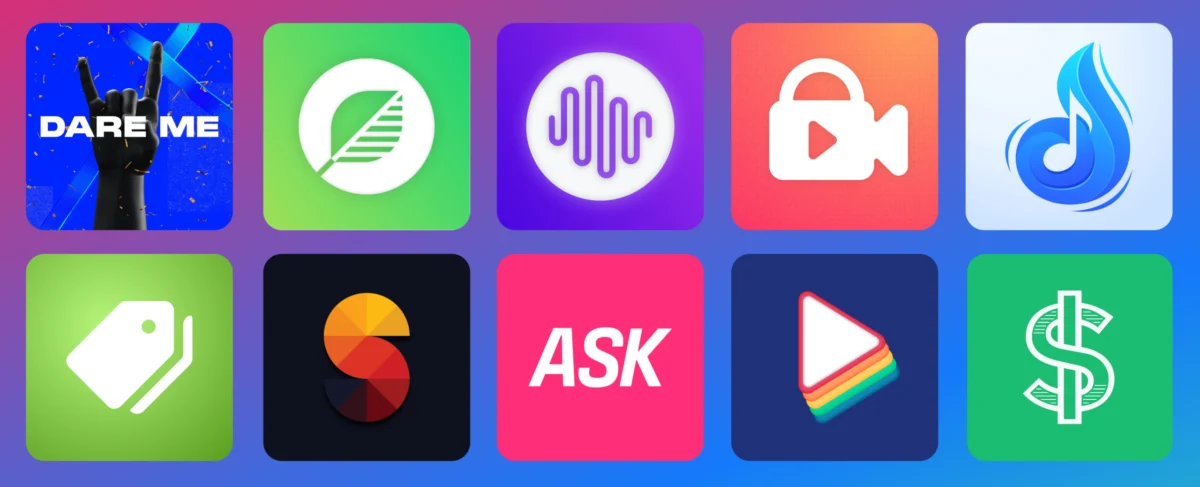
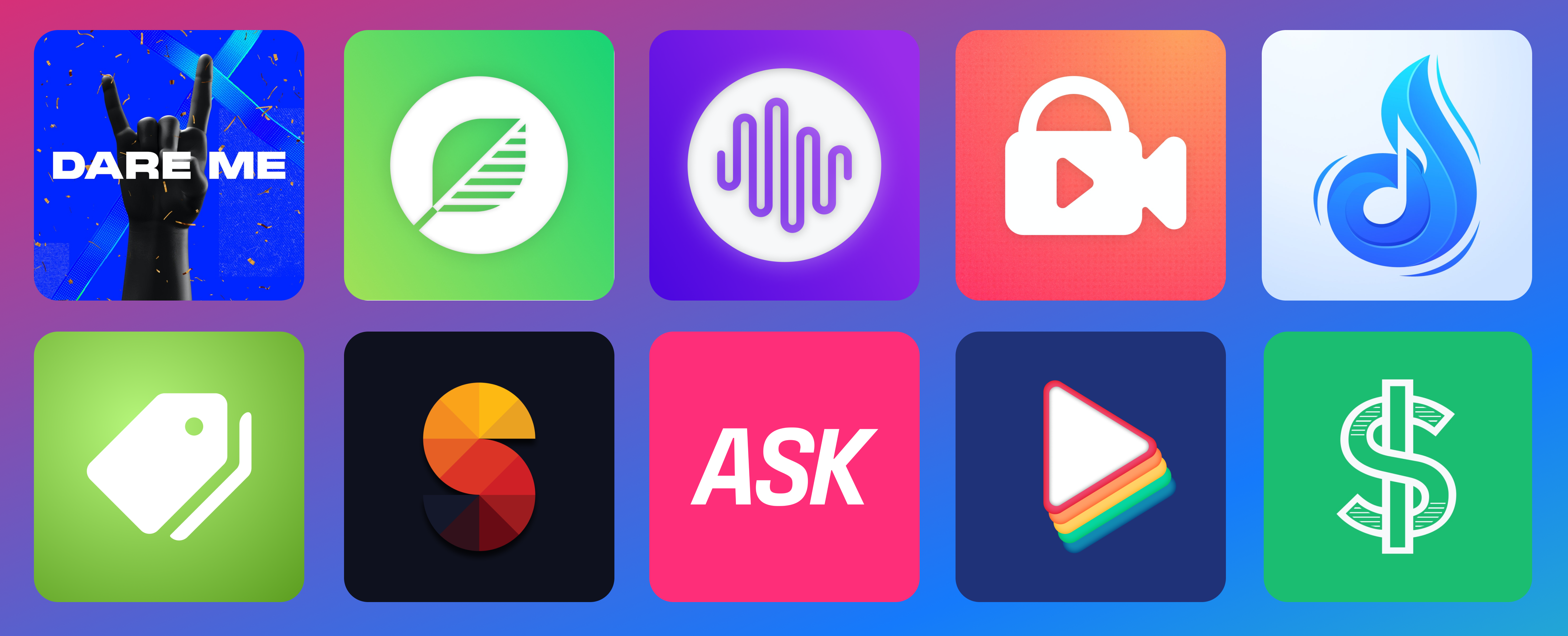
Koji’s primary competitive advantage lies in its built-in App Store, which features hundreds of "mini-apps" specifically designed for creators. These are not native iOS or Android applications that require a download from an external store; rather, they are web-based applications that run instantly within the Koji environment. This "frictionless" architecture is vital for mobile users who are often reluctant to wait for new pages to load or to authorize third-party redirects. Cannon highlights this as a game-changer for music marketing, noting that the ability to offer high-quality interactive experiences—such as email signups, tip jars, or locked content—within a single interface drastically improves the user experience.

Monetization Strategies in the Modern Music Ecosystem
For the modern musician, revenue streams have shifted away from physical sales and toward a "portfolio" model involving streaming royalties, merchandise, live performances, and direct-to-fan digital products. Koji facilitates this portfolio approach by offering a variety of monetization apps that cater to different stages of the fan journey.
- Direct Sales and Digital Products: Musicians can use Koji to sell digital downloads, such as high-resolution audio files, sheet music, or sample packs, directly to their audience. This bypasses the high commission fees often associated with traditional marketplaces.
- Locked Content: One of the most effective strategies for building a mailing list or generating immediate revenue is the use of "locked" content. Artists can offer exclusive behind-the-scenes footage, unreleased demos, or early access to music videos in exchange for an email address or a small payment.
- Fan Requests and Shoutouts: Following the success of platforms like Cameo, Koji offers apps that allow fans to pay for personalized video messages or song requests. This adds a layer of intimacy to the fan-artist relationship while providing a steady stream of supplemental income.
- Virtual Tip Jars: For artists who provide free value through educational content or live-streamed performances, the tip jar remains a staple of the digital economy. Koji’s integration allows for seamless transactions through various payment processors.
Industry data indicates that direct-to-fan revenue is growing at a faster rate than traditional streaming royalties for independent artists. By consolidating these tools into a single link, Koji empowers musicians to act as their own retailers and media moguls.
Technical Analysis of User Friction and Conversion Rates
In the realm of digital marketing, "friction" refers to any obstacle that prevents a user from completing a desired action. Every additional click or loading screen between a fan and a piece of content results in a significant drop-off in engagement. Traditional link-in-bio tools often suffer from "choice paralysis," where a fan is presented with a long list of undifferentiated links and chooses to click none of them.

Koji’s architecture minimizes friction by utilizing a modular app system. When a fan clicks a Koji link, they are not just seeing a list; they are entering a micro-website where the most important actions are highlighted through visual hierarchy. Jesse Cannon points out that the "no-download" nature of Koji apps is a technical masterstroke. By keeping the fan within the social media app’s internal browser while providing the functionality of a full website, Koji ensures that the transition from "browsing" to "buying" is as smooth as possible.
Best Practices for Building a High-Performance Koji Profile
To maximize the efficacy of a Koji profile, Jesse Cannon and other marketing experts suggest a strategic approach to layout and content. The goal is to move a fan from "passive observer" to "active participant."
- Prioritize the "Hero" Action: The most important goal—whether it is a new single release or a tour announcement—should be at the top of the profile with the most prominent visual real estate.
- Utilize Rich Media: Static buttons are less engaging than video previews or high-quality imagery. Koji allows for embedded media that can showcase an artist’s aesthetic immediately.
- Segment the Audience: Use different apps for different types of fans. A casual listener might just want a Spotify link, while a "superfan" might be looking for a way to buy limited-edition merch or join a private community.
- Data-Driven Iteration: Koji provides analytics that allow artists to see which apps are performing well and which are being ignored. Professional musicians use this data to prune underperforming links and double down on what resonates with their demographic.
The Broader Impact on the Music Industry
The rise of platforms like Koji represents a significant shift in power dynamics within the music industry. Historically, record labels controlled the distribution of content and the collection of fan data. Today, tools like Koji allow independent artists to own their data and their relationships with fans. By capturing email addresses and phone numbers directly through their link in bio, artists insulate themselves against the algorithmic changes of social media platforms. If a platform like TikTok or Instagram changes its algorithm or ceases to exist, the artist who has built a database through their Koji profile retains the ability to reach their audience.
This democratization of technology is particularly impactful for producers and instrumentalists who may not have the backing of a major label but possess a highly engaged niche audience. The ability to monetize that audience through specialized mini-apps allows for the creation of sustainable "middle-class" careers in music, which were previously difficult to maintain.
Conclusion and Future Outlook
As the digital landscape continues to evolve, the distinction between social media marketing and e-commerce will continue to blur. Koji’s position at the intersection of these two worlds makes it an essential tool for the modern creator. By focusing on the user experience, reducing technical friction, and providing a diverse array of monetization options, Koji has set a new standard for what a link-in-bio platform can achieve.
For musicians, the endorsement of experts like Jesse Cannon serves as a testament to the platform’s utility. As the industry moves toward a more decentralized, artist-centric model, the ability to create a professional, high-converting digital hub will remain a cornerstone of successful music careers. The "supercharged" link in bio is no longer just a trend; it is the infrastructure upon which the future of the music business is being built. Artists who embrace these tools today are positioning themselves to thrive in an increasingly competitive and complex global market.
