

The landscape of live entertainment and literary performance reached a new technical milestone with the conclusion of the latest arena tour by bestselling German author Sebastian Fitzek, featuring a sophisticated dodecagonal center stage engineered and manufactured by Mott Mobile Systeme GmbH & Co. KG. Based in Tauberbischofsheim, the specialist manufacturer was commissioned to design a bespoke 12-sided stage system that could meet the rigorous demands of a 15-city tour while providing an immersive 360-degree experience for over 160,000 spectators. The project, which transitioned from initial technical conceptualization to a fully realized touring solution in just three weeks, highlights a growing trend in the event industry toward modular, lightweight, and rapidly deployable stage architecture.
A New Dimension for Literary Performances: The 360-Degree Concept
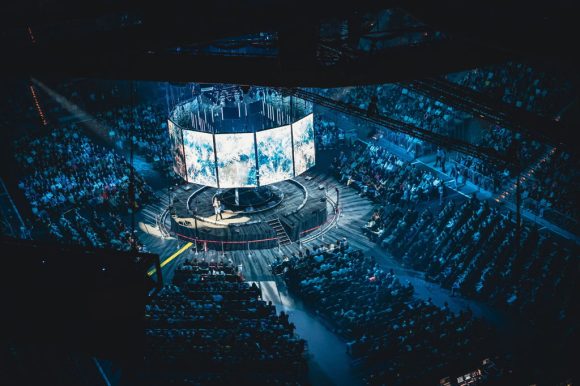
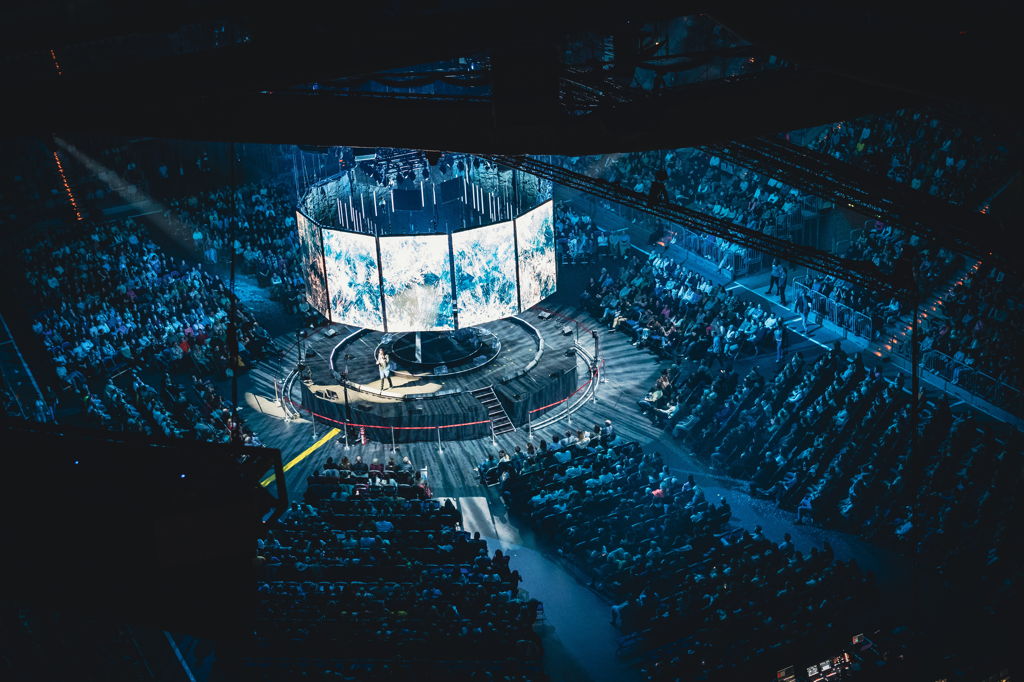
Sebastian Fitzek, widely recognized as one of Germany’s most successful thriller authors, has redefined the traditional book reading by evolving his live appearances into high-production "show-readings." For his most recent tour, the creative vision required a central stage positioned directly in the middle of the arena floor, surrounded by the audience. This "Center Stage" configuration presents unique challenges for both visibility and technical integration. Mott Mobile Systeme addressed these requirements by constructing a dodecagonal (12-sided) platform that served as the focal point of the production.
The stage’s geometry was not merely an aesthetic choice but a functional necessity to optimize sightlines for thousands of attendees in large-scale venues such as the SAP Arena in Mannheim. The construction featured a central riser equipped with an integrated turntable, allowing the performer to rotate and engage with all sections of the audience equally. Complementing this was a 360-degree rotating platform and two internal staircases, providing a dynamic multi-level environment for the performance. This complexity required precision engineering to ensure that the mechanical components—specifically the rotating elements—operated silently and smoothly throughout the tension-filled thriller presentations.
Engineering for Mobility: The Practikus-Light and Justo Systems
One of the primary logistical hurdles for any arena tour is the "load-in" and "load-out" window. Venue rentals are costly, and the time available to assemble a complex stage is often limited to a few hours before the show. Mott Mobile Systeme solved this by utilizing their proprietary "Practikus-Light" platform series in conjunction with "Justo" rolling scaffold feet.
The engineering team designed the stage so that it did not need to be built piece-by-piece at its final position. Instead, the dodecagonal structure was divided into modular sections that could be pre-assembled. These sections were mounted on heavy-duty rollers, allowing a crew of just two to three people to move large portions of the stage across the arena floor and lock them into place. According to technical specifications provided by Mott, the entire stage construction could be fully assembled and ready for soundcheck within approximately two hours at each tour stop. This efficiency is a significant departure from traditional stage builds, which often require larger crews and longer setup times.
Material Science and the Importance of Lightweight Construction
The choice of materials played a critical role in the project’s success. In the world of mobile event technology, weight is the enemy of efficiency. Mott Mobile Systeme has long championed the use of high-grade aluminum alloys to achieve a high strength-to-weight ratio. Martin Respondek, Head of Sales DACH & Marketing at Mott Mobile Systeme, emphasized that lightweight construction is as much about ergonomics as it is about transport logistics.
"Ergonomics in the workplace is a major topic in our industry because stage elements can be exceptionally heavy," Respondek stated. "With our lightweight construction methods, we aim to ensure that the elements are as easy to handle as possible."

By reducing the physical strain on stagehands and technicians, the Mott system minimizes the risk of workplace injuries during the high-pressure environment of a tour. Furthermore, the reduced weight has a direct impact on the tour’s carbon footprint, as lighter loads require less fuel for transport between the 15 tour cities. Despite the reduced weight, the structural integrity remained uncompromised; for every venue on the tour, a specific structural stability certificate (Statiknachweis) was provided to ensure compliance with German safety standards (VPLT and DIN).
Rapid Prototyping and Local Manufacturing in Tauberbischofsheim
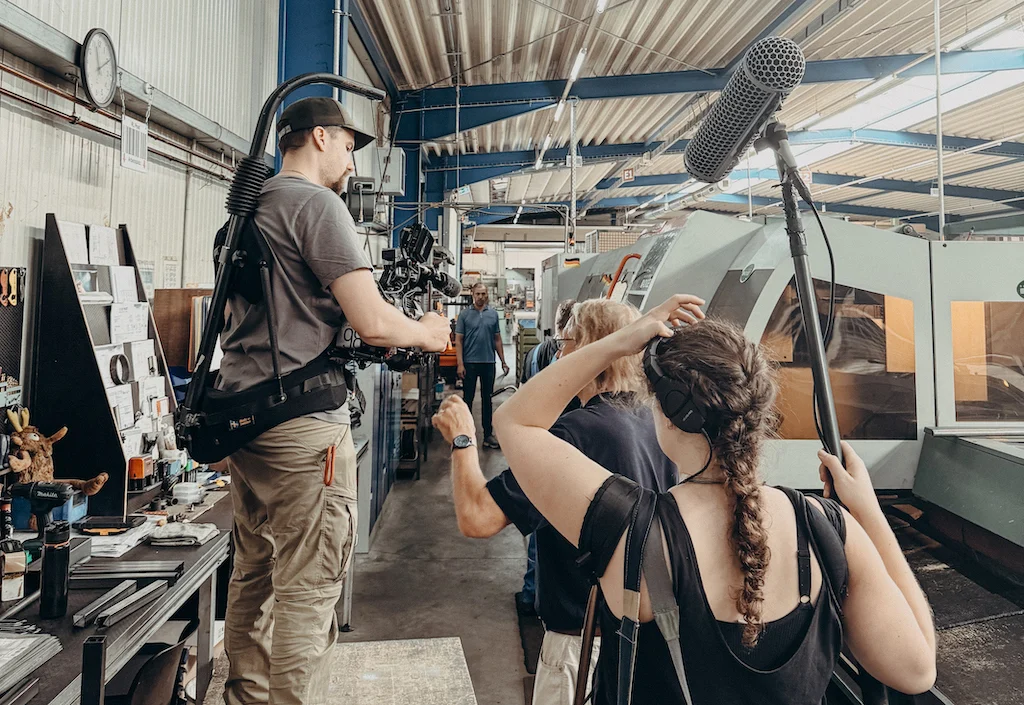
The timeline for the Fitzek tour was remarkably compressed. Mott Mobile Systeme managed to move from the initial technical drafting phase to the delivery of the finished, tour-ready solution in only 21 days. This speed was made possible by the company’s vertically integrated manufacturing model at their Tauberbischofsheim headquarters.
The development process involves a close synergy between the sales, design, and production departments. When a project requires a departure from standard catalog items—as was the case with the 12-sided center stage—the designers can walk directly to the factory floor to consult with aluminum processing specialists and assembly technicians. This "short-path" communication allows for real-time adjustments.
The manufacturing process at the site begins with the preparation of raw materials, followed by precision aluminum machining, welding, and final assembly. Because Mott produces its own components, they can easily integrate custom solutions into their modular "Practikus" ecosystem. This modularity means that once the Fitzek tour concludes, the individual platforms can be repurposed into traditional rectangular stages, spectator grandstands, or unique shapes for future events, maximizing the return on investment for the production company.
Sustainability in Metal Processing: A Corporate Priority
Beyond the technical achievements of the stage itself, the production of the Fitzek tour stage highlights Mott’s commitment to sustainable manufacturing. As the event industry faces increasing pressure to document and reduce its environmental impact, Mott Mobile Systeme has implemented several green initiatives at its production facility.
Jürgen Junker, Managing Director of Mott Mobile Systeme, noted that the company has invested heavily in resource efficiency over the last decade. "We have launched a whole range of measures in recent years to reduce CO2 emissions," Junker explained. These measures include:
- Wood Chip Heating: Utilizing wood waste products to heat the manufacturing facilities.
- Combined Heat and Power (CHP) Plant: Generating electricity and heat simultaneously on-site to maximize energy efficiency.
- Optimized Powder Coating: A modern coating plant designed to minimize chemical waste and energy consumption during the finishing process of the aluminum frames.
These sustainable practices are becoming a key differentiator in the bidding process for major tours, as artists like Sebastian Fitzek and large-scale event organizers increasingly prioritize partners with verifiable green credentials.
Broader Implications for the Event Technology Sector
The success of the Sebastian Fitzek arena tour serves as a case study for the future of live event infrastructure. The shift toward center-stage configurations reflects a broader move in the entertainment industry toward "immersive" experiences, where the barrier between the performer and the audience is minimized. To support this, stage manufacturers must provide solutions that are not only visually impressive but also logistically "invisible"—meaning they must be easy to transport, fast to build, and flexible enough to adapt to varying venue dimensions.
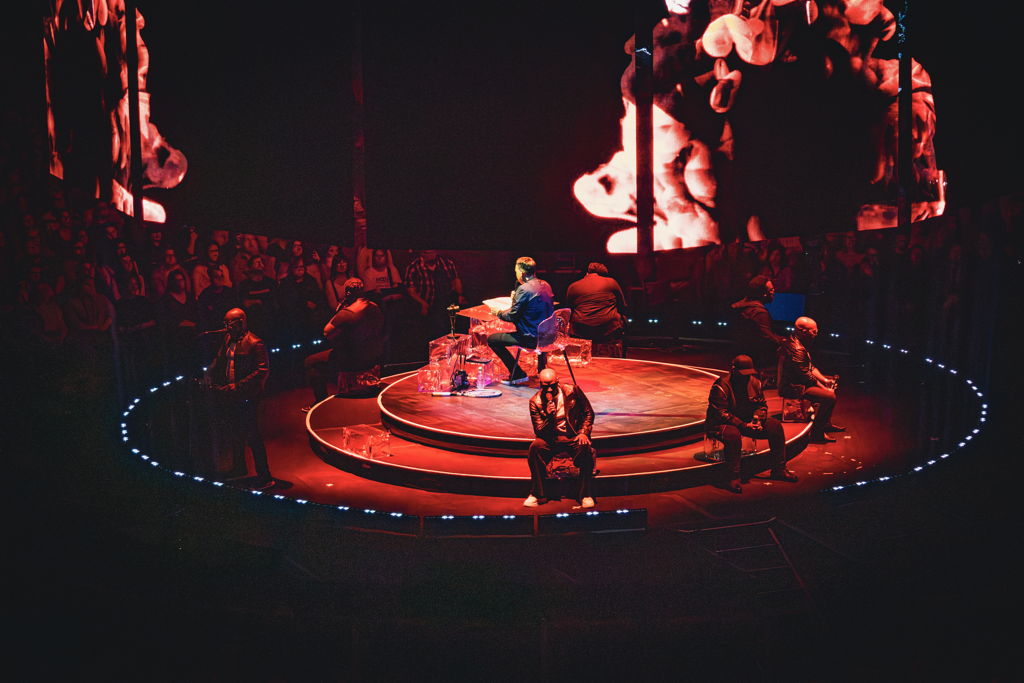
Furthermore, the integration of mechanical elements like turntables into modular platform systems suggests a blurring of the lines between permanent theater installations and mobile touring kits. As authors, speakers, and performers seek to emulate the high-production values of rock concerts, the demand for sophisticated, custom-shaped stages is expected to rise.
Looking Ahead: LEAT Con 26
Following the successful completion of the tour, which reached its peak with a massive audience of 160,000, Mott Mobile Systeme is preparing to showcase its innovations to the wider industry. The company has confirmed its participation in the upcoming LEAT Con 26 (Live Entertainment and Technology Convention).
Industry professionals, event planners, and technical directors will have the opportunity to meet the Mott team in Hall A1. The exhibit is expected to feature the same "Practikus-Light" technology used on the Fitzek tour, as well as new developments in modular grandstands and ergonomic event furniture. The presence of Mott at such a significant industry gathering underscores their role as a leader in the German event technology market, bridging the gap between traditional craftsmanship and modern, sustainable engineering.
The Fitzek tour has proven that with the right engineering partner, the logistical nightmares of arena-scale touring can be mitigated through smart design and modularity. As the industry moves toward 2026, the focus remains on speed, safety, and the ability to turn a flat arena floor into a high-tech thriller landscape in a matter of hours.
