

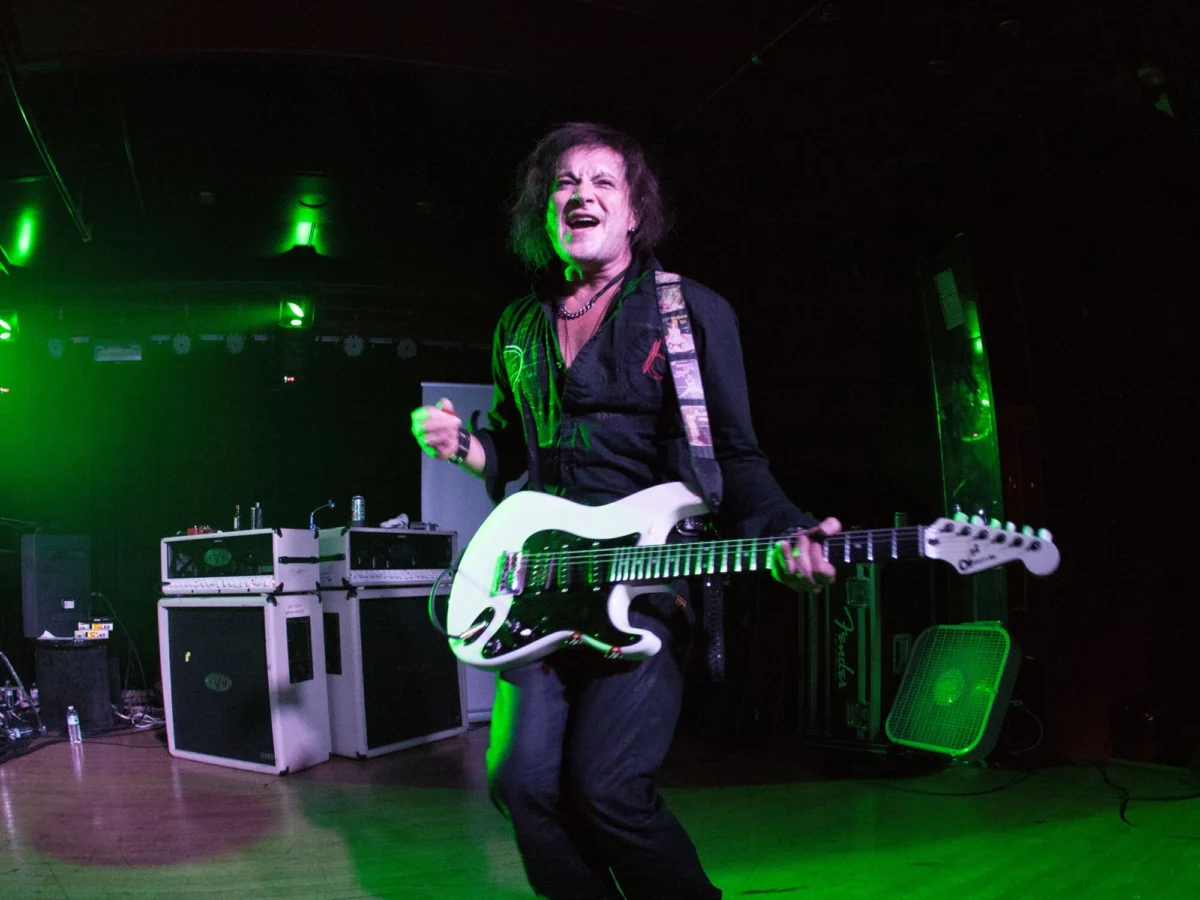
The quest for exceptional guitar tone is a journey without a definitive end, yet at its core, every electric guitar rig relies fundamentally on two primary components: the guitar and the amplifier. The longstanding debate over which of these two elements holds greater sway in shaping a musician’s sound has captivated players for decades, sparking passionate arguments across all skill levels and genres. Recently, acclaimed guitarist Jake E. Lee, known for his impactful work with Ozzy Osbourne and Badlands, has unequivocally declared his allegiance, firmly aligning himself with "Team Amp." This declaration, made during a recent interview with Guitarist magazine, adds a significant voice to one of the music world’s most persistent gear dilemmas.
The Perennial Pursuit of Tonal Nirvana
The discussion regarding the relative importance of guitars versus amplifiers is not merely an academic exercise; it profoundly influences gear choices, purchasing decisions, and the very philosophy behind a musician’s sound. For many, "tonal nirvana" represents that elusive perfect sound – a blend of clarity, sustain, attack, and character that inspires creativity and defines an artist’s signature. Stripping away the myriad of effects pedals, digital plugins, and intricate signal chains, the fundamental interaction between the guitar’s pickups and the amplifier’s circuitry remains the bedrock of electric guitar sound.
This debate has historically divided prominent figures in the guitar community. Yvette Young, the innovative guitarist from the math rock band Covet, has previously articulated the view that a superior amplifier possesses the transformative power to elevate even the most budget-friendly instrument, extracting unexpected quality from modest components. Conversely, Phil X, the dynamic guitarist for Bon Jovi, champions the guitar itself as the unshakeable foundation of one’s tone, arguing that its inherent qualities—wood, construction, and pickups—are paramount and irreplaceable. These contrasting viewpoints highlight the complexity and subjectivity inherent in the quest for ideal tone, demonstrating that even seasoned professionals arrive at different conclusions based on their experiences and sonic priorities. Lee’s entry into this discussion, given his illustrious career and meticulous approach to sound, offers a compelling perspective rooted in extensive real-world application.
Jake E. Lee’s Unwavering Stance: Why the Amp Reigns Supreme
During his interview with Guitarist, Jake E. Lee responded to the classic rig dilemma with characteristic candor, initially feigning exasperation before delivering a decisive verdict. "Oh, no! Not this question," he chuckled, then firmly stated, "I’d rather have a good amp. The shitty amp will make any guitar sound shitty, but a good amp will make almost any guitar sound good." This assertion encapsulates a practical, no-nonsense philosophy shaped by decades of touring, recording, and countless hours spent refining his sound. Lee elaborated, emphasizing his ownership of "really cheap guitars" that he genuinely loves, some with high action and idiosyncratic sounds. However, he maintains that he possesses "no amps that are shitty," reinforcing his core belief: "The amp is more important."
Lee’s perspective is not born of abstract theory but from a lifetime of hands-on experience, particularly his demanding tenure with Ozzy Osbourne during the 1980s. The need for robust, reliable, and expressive tone in high-stakes live and studio environments undoubtedly cemented his understanding of an amplifier’s critical role. A guitar, no matter how finely crafted, relies on an amplifier to project its voice, to add coloration, gain, and character. A poor amplifier, with its limited headroom, uninspiring gain structure, or inadequate speakers, can indeed stifle the potential of even a premium instrument. Conversely, a high-quality amplifier, with its rich harmonics, responsive dynamics, and robust build, can unlock surprising tonal depths from a less expensive or less refined guitar, lending it a professional sheen it might otherwise lack. This practical assessment underscores the amplifier’s function as the primary voice box and tone shaper in the electric guitar’s signal chain.
A Legendary Find: Lee’s Vintage Marshall Bargain
Lee’s "Team Amp" conviction is deeply informed by his personal history of gear hunting, a pursuit that has yielded some of his most cherished discoveries. He recounted a particularly memorable anecdote from his time touring England during the Bark at the Moon era, approximately in the mid-1980s. Lee described a routine of meticulously exploring "every mom-and-pop shop" in search of hidden gems—a common practice among musicians eager to unearth unique vintage equipment.
It was during one such excursion in Northern England that Lee stumbled upon what he considers his "greatest find." Entering a small, unassuming shop, he spotted an old Marshall combo amplifier, conspicuously covered in a thick layer of dust, in a corner. The amplifier featured the distinctive "plexiglass logo," a hallmark of early Marshall models. Engaging the shop’s proprietor, an older gentleman in his 60s, Lee inquired about the amp’s provenance. The owner’s response was astonishing: "I don’t know… it’s been here for the last 20 or 25 years." This revelation suggested the amplifier had been sitting untouched since the late 1950s or early 1960s, an almost unimaginable duration for a piece of musical equipment.
Intrigued, Lee pressed further, asking if the amp even worked. The owner, with apparent nonchalance, picked up the dusty unit. Lee vividly recalled its specifications: "It was a 45 with the cream back panel and the gold, square plexiglass logo on the front." To his astonishment, despite decades of neglect, the amplifier was "brand fucking new. Not a scratch." The shopkeeper confirmed its age, estimating it had been there since "maybe ’64 or ’65." Lee, barely believing his luck, seized the opportunity. "Are you kidding me?" he exclaimed, to which the owner simply replied, "No. Why? Do you want it?" Lee, sensing an extraordinary bargain, responded, "I’ll take the chance if it’s cheap enough." He ultimately acquired the pristine vintage Marshall for an astonishingly low price of around £60, which would have been approximately $80 at the time. This price, even factoring in inflation, was an absolute steal for an unplayed, decades-old Marshall amplifier, now considered a highly sought-after collector’s item worth many thousands.
Lee’s immediate thought was that even if the amplifier didn’t work, the components alone would justify the cost. However, the Marshall sprang to life flawlessly. He took it to soundcheck, plugged it in, and though its character wasn’t precisely the "creamy and sweet and smooth and compressed, with a little sag" sound he typically sought for Ozzy’s music at the time, its inherent quality was undeniable. This incident profoundly reinforced his belief in the transformative power of a truly great amplifier—a piece of equipment that, even in an unexpected context, delivered exceptional tone and performance. The story serves as a tangible testament to the often-underestimated value of the amplifier as a standalone tone machine, capable of inspiring and surprising even the most experienced musicians.
The Regretful "No-Buyer’s Remorse": A Guitar Story
In stark contrast to his triumphant Marshall acquisition, Lee also shared a poignant tale of regret involving a guitar he didn’t purchase, an experience he lightheartedly termed "no-buyer’s remorse." Approximately two decades ago, Lee visited a local guitar shop where, amidst the usual inventory, a ’67 Telecaster caught his eye. He confessed, "And I don’t like Telecasters…" a sentiment shared by many guitarists who prefer other body styles or tonal characteristics. Yet, something about this particular instrument compelled him. "But I picked this one up anyway and it felt really good, so I plugged it in. It sounded really good and I had a connection with it."
Despite this undeniable connection and positive sonic experience, Lee’s ingrained preference against Telecasters ultimately swayed him. "But I put it back down and said, ‘I don’t really like Teles… I don’t even know why I picked it up,’" he recalled. The internal conflict was evident, but his preconceived notions won out in the moment. Two days later, the lingering impression of the Telecaster proved too strong to ignore. He returned to the shop, unable to shake the feeling that "it just felt right." To his dismay, the guitar had already been sold. "So that’s a different kind of buyer’s remorse, right? Maybe we’d call that no-buyer’s remorse," he quipped, adding, "I still think about that Tele every once in a while… there was just a connection there. I really wish I’d bought it."
This anecdote, while seemingly a deviation from his "Team Amp" stance, subtly reinforces it. Even a guitar with which he felt a profound, almost spiritual connection, a guitar that "sounded really good," was ultimately dismissed due to personal preference for a type of instrument. The regret stems from a missed emotional connection and a good-sounding guitar, but it doesn’t challenge his fundamental belief in the amplifier’s overarching importance in shaping the overall sound. It suggests that while a guitar can certainly possess unique qualities and inspire a player, the amplifier remains the more critical, consistent variable in his tone equation. A great amp, for Lee, is a universal enhancer, whereas a guitar, no matter how special, still needs to align with specific personal tastes and applications.
Broader Implications: Shaping Musician’s Choices and Industry Trends
The perennial guitar vs. amp debate, intensified by the insights of figures like Jake E. Lee, has significant implications across the musical landscape. For aspiring guitarists, this discussion often dictates early investment strategies. Should a beginner prioritize a high-quality, versatile amplifier that can make various entry-level guitars sound decent, or invest in a superior guitar, hoping its inherent qualities will shine through any amp? Lee’s perspective, advocating for the amp, suggests a more robust foundation for sonic exploration, allowing players to experiment with different guitars without sacrificing core tone.
From an industry perspective, this debate shapes marketing strategies. Manufacturers of high-end amplifiers often emphasize their products’ ability to bring out the best in any guitar, while premium guitar brands highlight their craftsmanship, unique wood selections, and custom pickups as the ultimate determinants of tone. Endorsements from influential artists like Lee, Young, and Phil X carry substantial weight, influencing consumer purchasing habits and reinforcing specific brand philosophies.
The advent of digital technologies, such as sophisticated amp modelers, profilers, and software plugins, has added new layers to this discussion. These technologies aim to faithfully replicate the characteristics of both iconic amplifiers and guitars, often blurring the lines between the two. While they offer unparalleled versatility and convenience, many purists, including those who align with Lee’s philosophy, argue that the organic, responsive interaction of a physical tube amplifier and a well-crafted guitar remains unsurpassed. The "feel" and dynamic response of a traditional amp, particularly when pushed to its limits, is often cited as something difficult for digital emulations to perfectly capture.
Ultimately, the guitar vs. amp debate transcends simple technical specifications; it delves into the very soul of electric guitar playing. Each component contributes uniquely to the final sonic output, and the synergy between them is where true magic often happens. While Jake E. Lee’s clear preference for the amplifier provides a compelling argument rooted in decades of professional experience, the conversation is far from settled. It continues to evolve, reflecting the diverse approaches musicians take in their endless pursuit of the perfect sound. What remains constant is the critical interplay between these two indispensable elements, each playing a vital, albeit debated, role in the symphony of electric guitar tone.
