

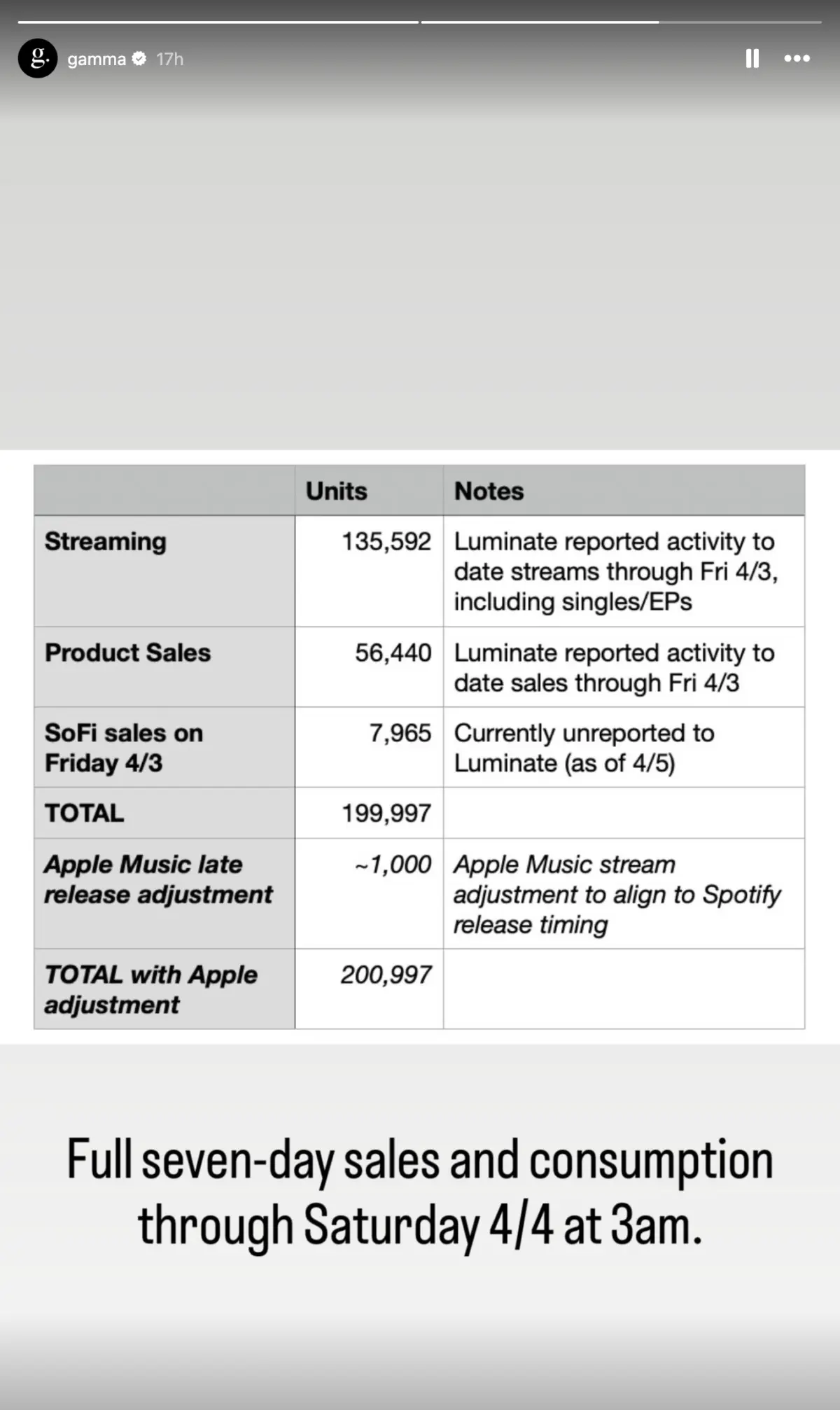
Kanye West’s latest album, Bully, has entered the Billboard 200 chart at number two, accumulating 152,000 equivalent units in its inaugural week of release. This debut arrives amidst a backdrop of significant controversy that has surrounded the artist in recent months. According to data provided by Billboard, the album’s first-week performance was propelled by a substantial streaming component, with 96,000 equivalent units derived from on-demand official streams totaling approximately 98.43 million. The remaining 56,000 units were attributed to traditional album sales.
The Billboard 200 chart, a definitive measure of album popularity in the United States, ranks the most popular albums of the week based on multi-formulae that incorporate album sales (physical and digital) and album equivalent units (streaming and track equivalent units). The number two debut for Bully signifies a notable commercial performance, even as it falls short of the top position.
A Close Race for the Top Spot
The album that secured the number one position on the Billboard 200, preventing Bully from reaching the coveted top spot, is BTS’s 10th album, ARIRANG. The South Korean K-Pop phenomenon’s latest offering garnered 187,000 equivalent units in its second week. This followed an exceptionally strong debut week for ARIRANG, which commanded an impressive 641,000 equivalent units, marking one of the highest first-week sales figures of the year. The competition highlights the robust commercial power of both West and BTS within the global music landscape.
Breaking a Two-Decade Streak
The number two debut of Bully marks a significant point in Kanye West’s discography, as it ends his remarkable 21-year streak of achieving number one albums on the Billboard 200 as a solo artist. This achievement is a testament to West’s consistent commercial success over two decades. Bully now stands as only his second solo studio album to not reach the number one position, with the first being his debut album, The College Dropout (2004), which also peaked at number two. This historical context underscores the longevity and impact of West’s career, even as his latest release navigates a different chart position.
Disputed Sales Figures Emerge
Adding a layer of complexity to the album’s chart performance, Gamma., the company responsible for distributing Bully, has publicly contested the official Billboard figures. Founded by former Apple Music executive Larry Jackson, Gamma. has asserted that Bully actually generated over 200,000 equivalent units in its first week, a number that, if validated, would indeed place it above BTS’s ARIRANG and secure the number one spot on the Billboard 200.
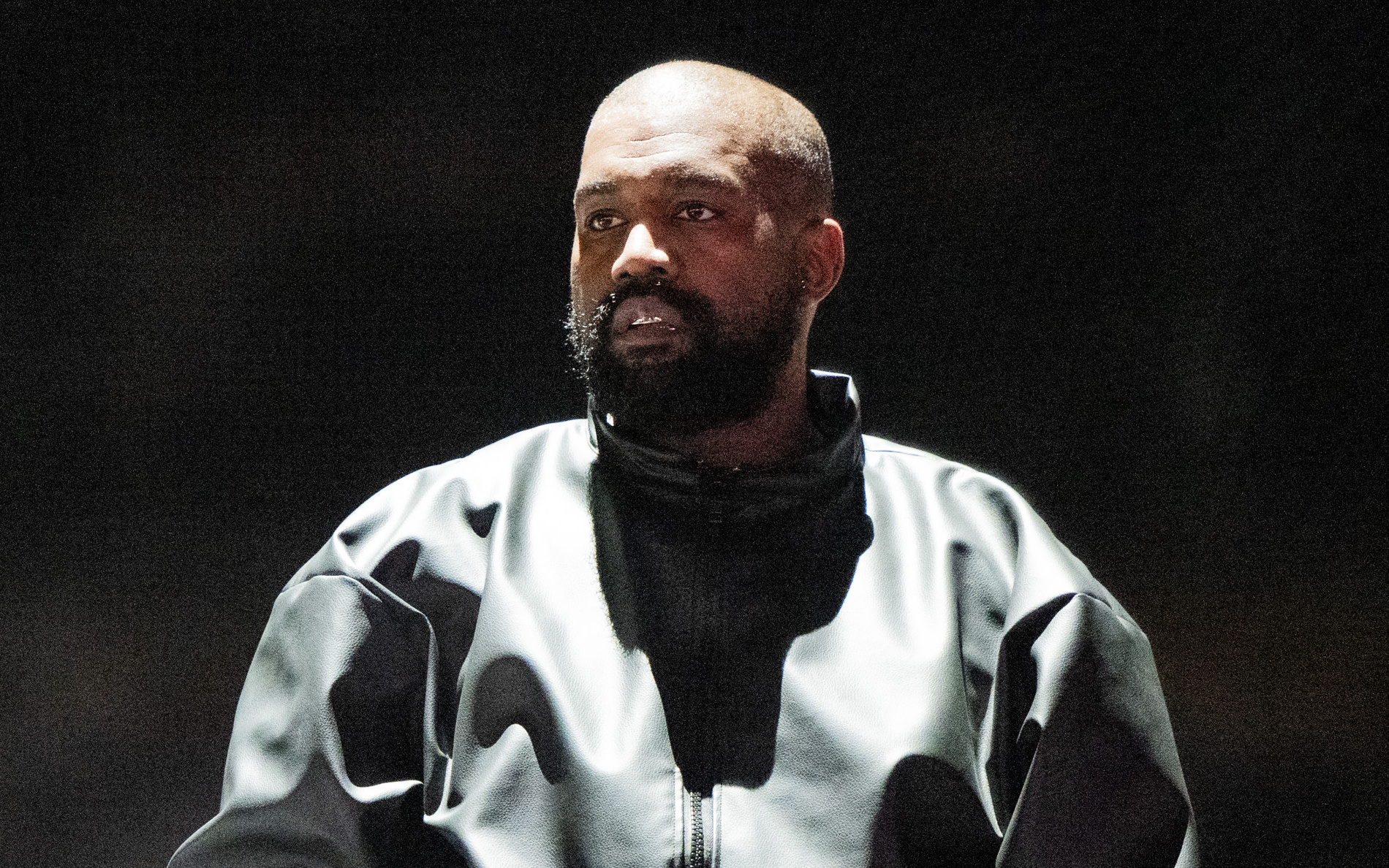
Gamma. took to its Instagram Stories to present what it described as a "full seven-day sales and consumption" breakdown. This detailed report claimed that Bully accumulated a total of 200,997 equivalent units. As of the reporting period, neither Billboard nor Luminate, the official data provider that powers the Billboard charts, had issued a response to Gamma.’s claims. This discrepancy raises questions about the data aggregation and reporting processes, and the music industry will be closely watching for any official clarification or adjustment.
A Deluxe Edition on the Horizon
Adding further anticipation to the album’s rollout, Gamma. has also teased the imminent release of a deluxe edition of Bully. This announcement was made via a separate Instagram Story, simply stating: "Bully deluxe on the way." While the exact release date and the number of additional tracks have not yet been disclosed, the prospect of new material suggests that West and his distribution partners are keen to extend the album’s commercial lifecycle and potentially influence its future chart performance. The original album itself features a substantial 18 tracks, indicating a significant body of work was prepared for this release.
Broader Controversies and Festival Scrutiny
The commercial performance of Bully is unfolding against a backdrop of significant public scrutiny and controversy surrounding Kanye West. His scheduled headlining performances at London’s Wireless Festival in July have become a focal point for criticism, largely due to his past antisemitic remarks and controversial statements. This has led to substantial backlash, with several major sponsors withdrawing their support for the festival.
Notable brands such as Pepsi, PayPal, and the beverage giant Diageo have pulled their sponsorships. The gravity of the situation has also drawn commentary from high-profile political figures. Both the Prime Minister, Sir Keir Starmer, and the Mayor of London, Sadiq Khan, have voiced their concerns. Prime Minister Starmer described the booking as "deeply concerning," particularly in light of West’s history of "antisemitic remarks and celebration of Nazism." Mayor Khan has also expressed reservations, reflecting a growing unease within the UK regarding the artist’s planned participation.
These statements from political leaders underscore the intense public pressure and ethical considerations being weighed by festival organizers and sponsors. The decision to book West for multiple headline slots at the Wireless Festival, covering all three nights, comes after he recently completed two sold-out shows at Los Angeles’ SoFi Stadium in support of Bully. This dual focus on both his musical output and his public controversies highlights the complex relationship between artistic expression and societal responsibility in the current cultural climate. The fallout from these controversies could have broader implications for artists with divisive public personas and their ability to secure major performance opportunities and sponsorships. The industry is increasingly navigating a landscape where commercial viability must be balanced against social impact and brand reputation.
