

The digital landscape for independent musicians has undergone a radical transformation over the last decade, shifting from a reliance on centralized social media profiles to a more decentralized "creator economy" model. Central to this shift is the "link in bio" tool, a single URL designed to consolidate an artist’s digital footprint into a navigable hub. While various platforms have competed for dominance in this space, music marketing expert and noted author Jesse Cannon has identified Koji as the premier solution for musicians, producers, and instrumentalists. Cannon, whose work in music marketing focuses on sustainable fan-base growth, argues that Koji’s infrastructure provides a significant competitive advantage over traditional link-aggregators by prioritizing user experience and integrated monetization.
The necessity of a sophisticated link in bio tool stems from the limitations of major social media platforms like Instagram and TikTok, which typically restrict users to a single outbound hyperlink. For musicians, who must manage presence across Spotify, Apple Music, YouTube, and various touring and merchandise sites, this limitation creates a significant bottleneck. Cannon’s analysis suggests that the quality of this single touchpoint can dictate the trajectory of an artist’s career, as it represents the primary bridge between casual discovery and deep fan engagement.

The Evolution of the Digital Gateway for Artists
To understand the significance of Koji’s emergence, it is necessary to examine the chronology of artist-to-fan digital interaction. In the early 2000s, MySpace served as the primary hub for musicians, offering integrated music players and "top friend" lists. As the social media landscape fragmented in the 2010s, artists were forced to direct traffic to standalone websites, which often suffered from high "bounce rates" on mobile devices due to slow loading times and poor optimization.
By 2016, the "link in bio" industry began to coalesce around Linktree, which provided a simple list of buttons. However, as the creator economy grew—valued at over $250 billion in 2023—the needs of artists evolved beyond simple navigation. Modern musicians require tools that allow for direct transactions, data collection, and immersive media consumption without forcing the fan to leave the hosting app. Koji entered this market with a "mini-app" philosophy, treating the link in bio not as a directory, but as a functional operating system that exists within the social media browser.
The Critical Role of First Impressions in Fan Conversion
A central pillar of Jesse Cannon’s marketing philosophy is the importance of the first impression. In his review of the Koji platform, Cannon emphasizes that the initial interaction a fan has with an artist’s link can determine whether they become a lifelong listener or exit the funnel immediately. Koji addresses this by offering a suite of free tools that allow for deep customization, including high-resolution graphics, customized text, and interactive elements that traditional link-aggregators lack.

From a psychological perspective, "friction"—the number of steps a user must take to complete an action—is the enemy of conversion. Standard link in bio tools often create friction by redirecting users to external websites (e.g., sending a fan from Instagram to a separate browser to buy a shirt). Koji’s architecture allows these interactions to happen within the "micro-browser" of the social media app. This reduction in friction is supported by industry data suggesting that every additional second of load time or every unnecessary click-through can reduce conversion rates by as much as 20%.
The Koji App Store and the Mini-App Advantage
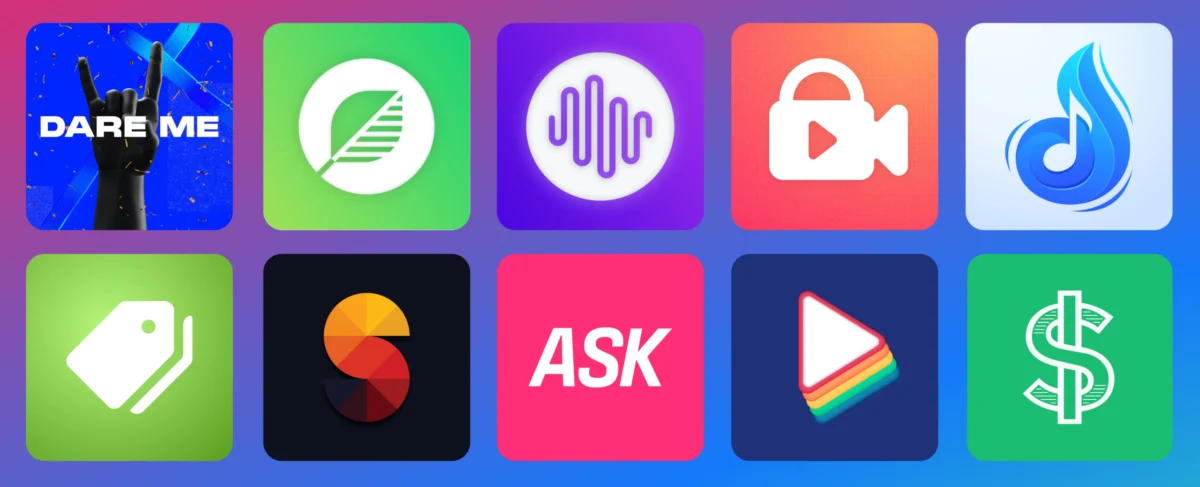
The most significant differentiator identified by Cannon is the Koji App Store. Unlike mobile applications found on iOS or Android, Koji’s apps are web-based "mini-apps" that require no download from the fan. This allows musicians to embed complex functionality directly into their profiles. Cannon notes that these apps provide high-quality marketing opportunities that were previously only available to major-label artists with significant web development budgets.
Among the apps highlighted for musicians are tools for monetization and engagement:

- Locked Content: Allows artists to hide exclusive tracks or behind-the-scenes footage behind a paywall or an email signup.
- Tip Jars: Enables fans to support artists directly with minimal transaction fees.
- Media Walls: Provides a space for fans to upload their own content, such as videos of them using the artist’s music, creating a sense of community.
- Digital Storefronts: Allows for the sale of beats, samples, and merchandise directly within the bio link.
By hosting these functions natively, Koji ensures that the artist retains a higher percentage of revenue. While traditional platforms often take a 30% cut of digital sales, Koji’s model is designed to be more creator-friendly, aligning with the broader movement toward artist financial independence.
Strategic Optimization: Building the Ultimate Profile
Jesse Cannon’s analysis extends beyond the technical features of Koji, offering a strategic framework for how musicians should build their profiles to maximize reach. He outlines five key tips for creating a high-converting Koji profile:
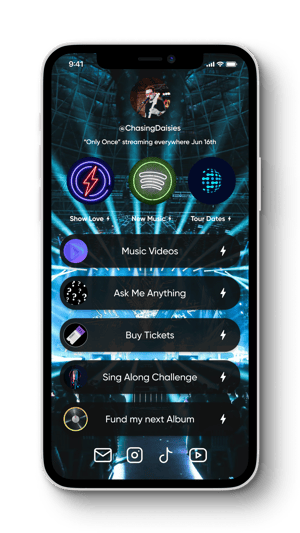
- Prioritize Visual Branding: The profile should be an extension of the artist’s visual identity. Using high-quality photography and cohesive color schemes ensures that the transition from a social media feed to the Koji link feels seamless.
- Implement Clear Calls to Action (CTAs): Instead of a generic list of links, artists should use active language (e.g., "Hear the New Single" instead of "Spotify").
- Curate for Relevance: An overabundance of links can lead to "decision paralysis." Cannon recommends highlighting the most important 3-5 links at the top.
- Utilize Interactive Backgrounds: Koji allows for video backgrounds, which can be used to showcase music videos or live performances, immediately capturing the visitor’s attention.
- Regular Content Rotation: A static link in bio becomes stale. Cannon suggests treating the Koji profile as a living document, updating it to reflect current tours, releases, or trending content.
Cannon argues that for many creators, a well-optimized Koji profile effectively replaces the need for a traditional website, serving as both a personal storefront and a professional portfolio.

Broader Industry Implications and the Future of Music Marketing
The shift toward platforms like Koji reflects a broader trend in the music industry: the move toward "first-party data" and direct-to-fan (D2F) relationships. In an era where algorithms on platforms like Facebook and Instagram can change overnight, reducing an artist’s "organic reach," owning the relationship with the fan is paramount. Koji’s ability to capture email addresses and phone numbers through its mini-apps allows artists to build a database that they own, independent of social media platform volatility.
Furthermore, the data and analytics provided by Koji offer musicians insights into fan behavior that were previously obscured. By seeing which apps fans interact with most—whether they are clicking on tour dates or spending time watching exclusive videos—artists can make data-driven decisions about where to allocate their marketing budget and creative energy.
Industry analysts have noted that the "Super App" model, popular in regions like Asia with platforms like WeChat, is finally finding a foothold in the West through creator tools. Koji represents the "Super App" for the individual creator, consolidating communication, commerce, and content into a single, mobile-optimized interface.
Expert Analysis and Final Verdict
Jesse Cannon concludes his assessment by stressing that the "link in bio" should not be viewed as a technical afterthought, but as a core component of a musician’s business strategy. The goal is to facilitate a deeper connection with fans, moving them from passive scrollers to active participants in the artist’s ecosystem.
"We should think about if a fan clicked around [your Koji], what would make the best first impression or get them to build a deeper relationship?" Cannon posits in his analysis on the Musformation YouTube channel. His endorsement of Koji is rooted in the platform’s ability to provide these "deep relationship" tools for free, democratizing access to high-level marketing technology.
As the music industry continues to grapple with the challenges of the streaming era and the saturation of the digital marketplace, tools that prioritize user experience and artist monetization will likely become the standard. Koji’s current trajectory suggests it is well-positioned to remain at the forefront of this evolution, providing a robust, scalable solution for artists at every stage of their career, from bedroom producers to stadium-filling acts. The integration of commerce, community, and content into a single link represents the next frontier of music marketing, and for experts like Jesse Cannon, Koji is currently the most effective vehicle for navigating that frontier.
