

For the modern musician, the "link in bio" has evolved from a simple directory of URLs into a critical piece of digital real estate that functions as a primary hub for commerce, engagement, and brand identity. As social media platforms like Instagram, TikTok, and X (formerly Twitter) continue to restrict outbound traffic to a single profile link, the efficiency of that link has become the determining factor in an artist’s ability to convert casual followers into dedicated fans. In a comprehensive analysis of the current digital landscape, music marketing expert and author Jesse Cannon has identified Koji as the leading solution for musicians seeking to maximize their online impact. Through a combination of customizable aesthetics and a robust "mini-app" ecosystem, Koji is shifting the paradigm of how artists manage their digital presence.
The Evolution of the Digital Music Hub
The concept of a centralized digital hub for musicians is not new. In the early 2000s, MySpace served as the primary residence for an artist’s online persona, offering music players, tour dates, and blog posts in one location. However, as the digital landscape fragmented into various specialized platforms—Spotify for streaming, Instagram for visuals, and Shopify for merchandise—the artist’s presence became decentralized.

The first generation of "link in bio" tools, such as Linktree, emerged to solve the problem of platform fragmentation by providing a static list of buttons. While functional, these tools often acted as mere transit points, sending users away from the artist’s profile to third-party sites where they frequently became distracted or lost interest. Industry data suggests that every additional click required of a user reduces conversion rates by approximately 20% to 30%. Koji represents a second-generation solution, designed to keep the user within the artist’s ecosystem through integrated applications that function seamlessly inside the social media browser.
The Importance of the Digital First Impression
In his analysis, Jesse Cannon emphasizes that the first impression a musician makes on a potential fan is often the most overlooked aspect of career building. "Truly one of the most overlooked parts of building a fan base is the first impression you make on fans," Cannon noted. In the high-velocity environment of social media, an artist has mere seconds to capture a viewer’s attention and provide a reason for them to stay.
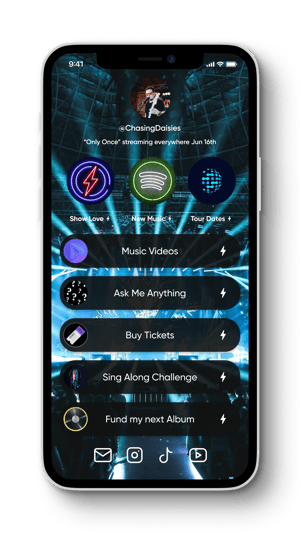
Koji addresses this by moving beyond the rigid, list-based templates of its predecessors. It offers musicians a suite of free tools to build a personalized website that reflects their specific brand identity. This includes the ability to integrate high-definition graphics, video backgrounds, and customized text layouts. By providing a professional and immersive experience, musicians can establish credibility immediately, transforming a fleeting social media interaction into a meaningful brand experience.

Technical Innovation: The App Store Model
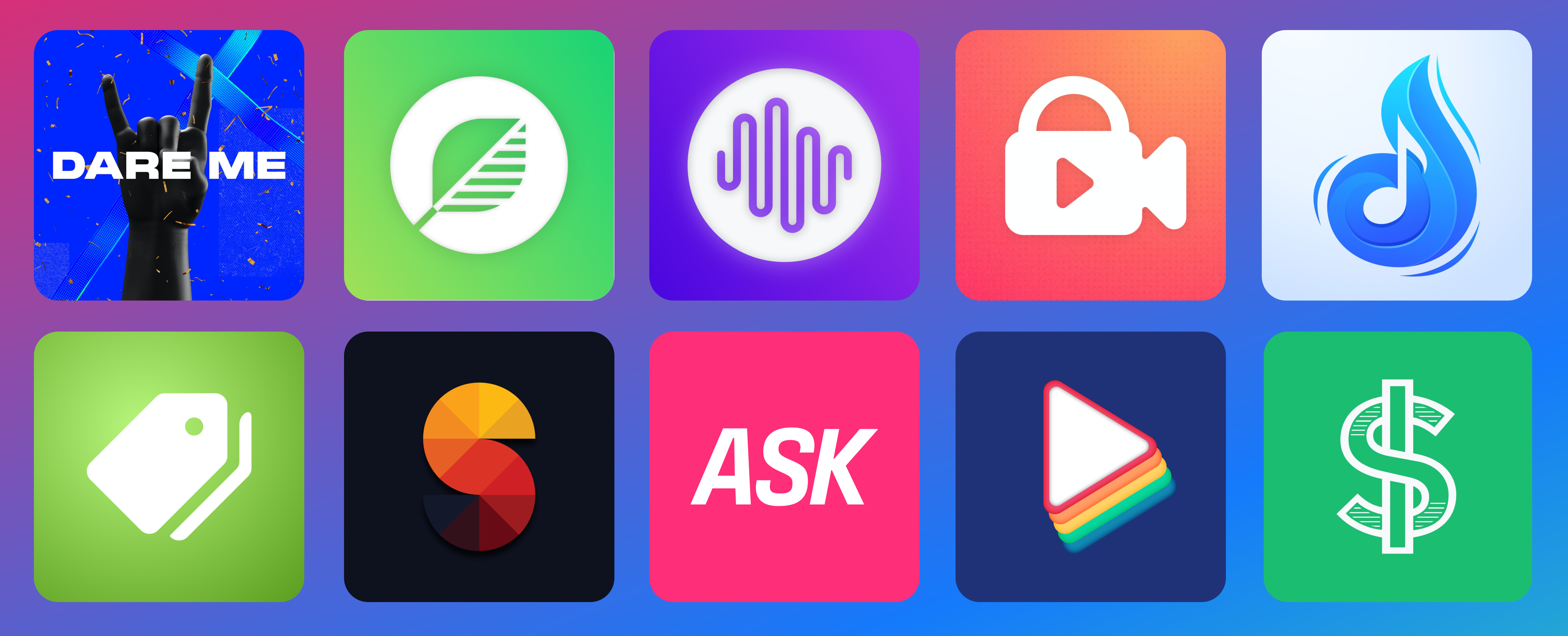
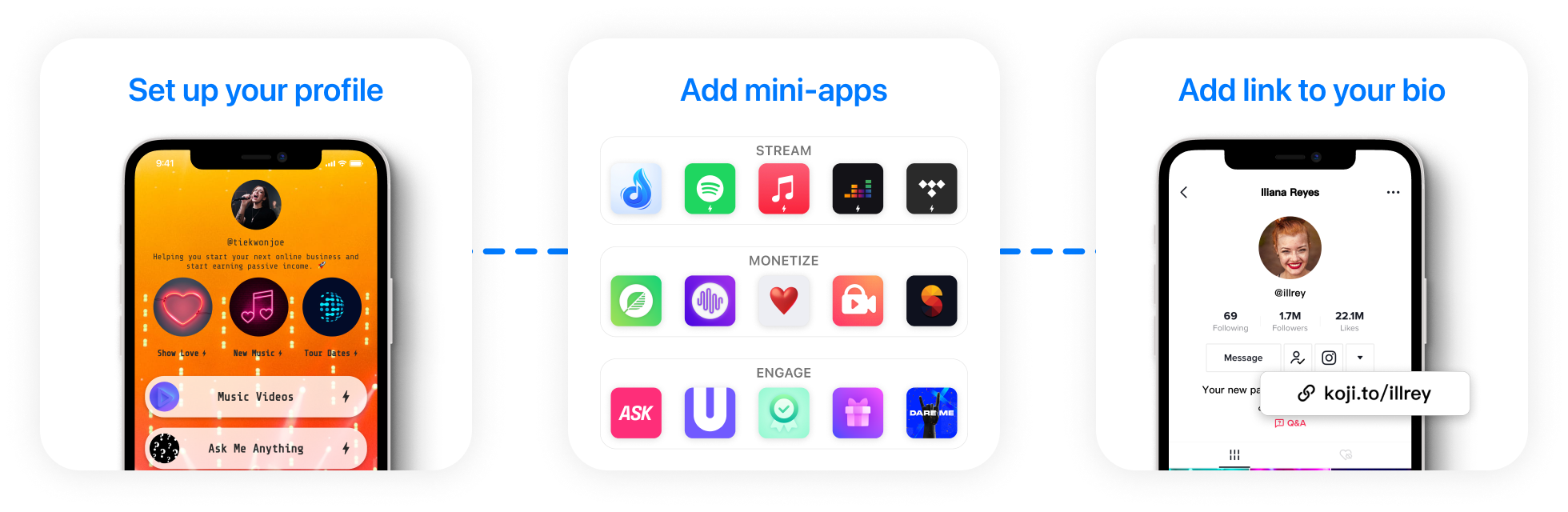
The defining feature of Koji, and the primary reason for Cannon’s endorsement, is its built-in app store. Unlike traditional websites that require the installation of complex plugins or redirect users to external apps, Koji utilizes "mini-apps." These are lightweight, web-based applications that load instantly within the link-in-bio interface.
"These are not iOS apps; there’s nothing [fans or musicians] need to download," Cannon explained. "Their app store has so many cool possibilities for doing high-quality marketing to your audience."
This technical architecture is significant because it bypasses the friction of the Apple App Store or Google Play Store. When a fan clicks a link in a musician’s bio, they can engage in complex activities—such as purchasing merchandise, entering a giveaway, or tipping the artist—without ever leaving the Instagram or TikTok environment. This "frictionless" experience is a cornerstone of modern digital marketing, as it significantly increases the likelihood of a completed transaction or sign-up.

Strategic Monetization for Independent Artists
For independent musicians, producers, and instrumentalists, monetization is often a logistical challenge involving multiple subscriptions and high commission fees. Koji’s ecosystem provides various avenues for revenue that are specifically tailored to the creator economy.
- Direct-to-Fan Sales: Musicians can sell digital downloads, such as high-quality audio files, sheet music, or sample packs, directly through their link in bio.
- Virtual Tip Jars: Fans can support artists through micro-donations, a practice that has seen exponential growth following the rise of livestreaming culture.
- Locked Content: Artists can gate exclusive content—such as behind-the-scenes footage or unreleased tracks—behind a paywall or an email sign-up, helping to build both revenue and marketing lists.
- Commission-Free Structures: Unlike many e-commerce platforms that take a significant percentage of every sale in addition to monthly fees, Koji’s model is designed to be more accessible for artists at all stages of their careers, often taking smaller transaction fees and offering the core platform for free.
Chronology of the Link-in-Bio Industry
To understand Koji’s current position, it is helpful to look at the timeline of digital artist-fan connections:
- 2003–2008: MySpace dominates as the all-in-one artist hub.
- 2010–2015: The rise of "walled garden" social media (Facebook, Instagram) forces artists to link out to external websites, causing massive drop-offs in fan engagement.
- 2016: Linktree launches, popularizing the "static list" link-in-bio format.
- 2020–2021: The COVID-19 pandemic accelerates the creator economy. Musicians need more than links; they need storefronts and interactive tools.
- 2021–Present: Koji introduces the "mini-app" concept to the link-in-bio space, allowing for full-scale e-commerce and engagement tools to live inside social media apps.
Building the Ultimate Profile: A Data-Driven Approach
Jesse Cannon outlines several strategies for musicians to maximize the reach of their Koji profiles. The emphasis is on building a profile that facilitates a deeper relationship rather than just a one-off click.
The Multi-Step Integration Strategy:
- Visual Consistency: Using high-quality imagery that matches the artist’s latest album art or promotional cycle to ensure brand recognition.
- Prioritizing High-Value Actions: Placing the most important links—such as a new single or tour tickets—at the very top of the profile.
- Interactive Engagement: Utilizing apps like "Ask Me Anything" or "Video Polls" to encourage fans to participate in the artist’s journey, which increases the time spent on the profile.
- Email Capture: Prioritizing the collection of fan data. In an era where social media algorithms can change overnight, an email list remains the most stable asset an artist can own.
"We should think about if a fan clicked around [your Koji], what would make the best first impression or get them to build a deeper relationship?" Cannon posits. The goal is to move the fan through a funnel: from a curious viewer to a follower, then to a subscriber, and finally to a paying customer.
Broader Industry Impact and Implications
The shift toward sophisticated platforms like Koji has broader implications for the music industry. It signals a move away from the traditional "label-as-gatekeeper" model toward a "creator-as-entrepreneur" model. By providing artists with the tools to manage their own marketing, sales, and fan data, these platforms are democratizing the business side of music.
Furthermore, the data collected through Koji provides artists with insights that were previously only available to major labels. Understanding which apps fans interact with, what time of day they are most active, and which geographic regions are driving the most revenue allows independent artists to make informed decisions about touring, merchandise production, and release schedules.
The integration of Web3 features and NFT storefronts within Koji also suggests a future-proofed approach. As the music industry explores decentralized finance and digital collectibles, having a hub that can easily integrate new technologies via "mini-apps" ensures that artists do not have to rebuild their digital infrastructure every time a new trend emerges.
Conclusion: The New Standard for Digital Presence
In the competitive landscape of the digital music economy, the difference between success and obscurity often lies in the efficiency of an artist’s tools. Jesse Cannon’s analysis highlights a fundamental truth: a link in bio is no longer just a utility; it is a storefront, a fan club, and a press kit rolled into one.
Koji’s ability to host these diverse functions within a single, frictionless interface makes it a powerful asset for any musician. By focusing on first impressions, leveraging a versatile app store, and prioritizing fan engagement, Koji is setting a new standard for how artists connect with their audience in the 21st century. As the creator economy continues to expand, the artists who thrive will be those who treat their digital hub not as an afterthought, but as the cornerstone of their professional career.
