

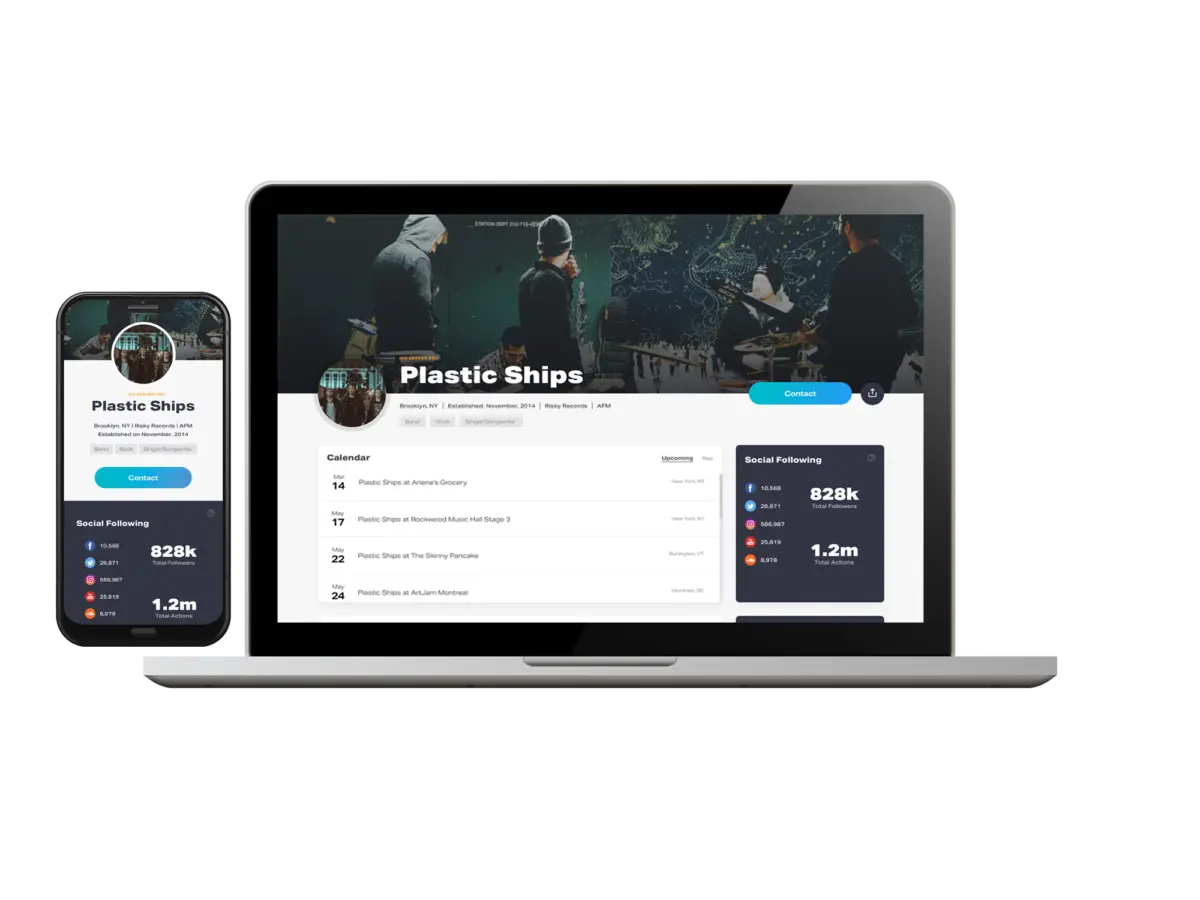
The emergence of the digital age has fundamentally restructured the music industry, shifting the power dynamics from centralized record labels to a decentralized landscape where independent artists must manage their own branding, booking, and public relations. At the center of this professionalization is the Electronic Press Kit, or EPK, a digital asset that serves as a comprehensive professional resume for musicians. Since the early 2000s, the EPK has evolved from a simple collection of links into a sophisticated multimedia tool designed to meet the rigorous demands of talent buyers, festival organizers, journalists, and A&R executives. As the volume of music production reaches unprecedented levels—with over 120,000 new tracks uploaded to streaming platforms daily—the ability of an artist to present a streamlined, professional narrative has become a primary determinant of commercial and critical success.
The Historical Transition from Physical to Digital Media
To understand the current necessity of the EPK, it is essential to examine the historical context of music promotion. Prior to the late 1990s, artists relied on physical press kits. These bulky packages typically contained a demo cassette or CD, a printed biography, a 8×10 glossy promotional photograph, and a folder of photocopied press clippings. The cost of producing and mailing these kits was a significant barrier to entry for independent artists, often limiting their reach to local markets or requiring the financial backing of a label.
The year 2001 marked a pivotal shift in this trajectory with the launch of Sonicbids, which standardized the digital format for press kits. By moving these materials online, the industry saw a drastic reduction in overhead costs and an increase in the speed of communication. This transition allowed festivals like South by Southwest (SXSW) and the North by Northeast (NXNXW) to move toward digital-only submissions, effectively mandating that any artist seeking a global stage must possess a digital identity. Today, the EPK is no longer an optional accessory but a fundamental requirement for any artist operating within the professional sphere.
The Five Pillars of a Professional Electronic Press Kit
A modern EPK serves five distinct functions that collectively establish an artist’s market viability. These pillars provide the framework through which industry gatekeepers evaluate talent.
1. Strategic Artistry and Narrative Branding
The EPK is the definitive record of an artist’s identity. Unlike social media profiles, which are often fragmented and chronological, an EPK is curated to show the "best-of" version of an artist’s career. It includes a multi-tiered biography (typically a 50-word "elevator pitch," a 200-word short bio, and a full-length narrative), a discography of high-quality audio files, and high-resolution promotional imagery. According to industry data, talent buyers spend an average of less than 30 seconds reviewing an initial submission. Therefore, the EPK must provide a concise representation that captures the artist’s aesthetic and commercial potential instantaneously.
2. Efficiency in Industry Communication
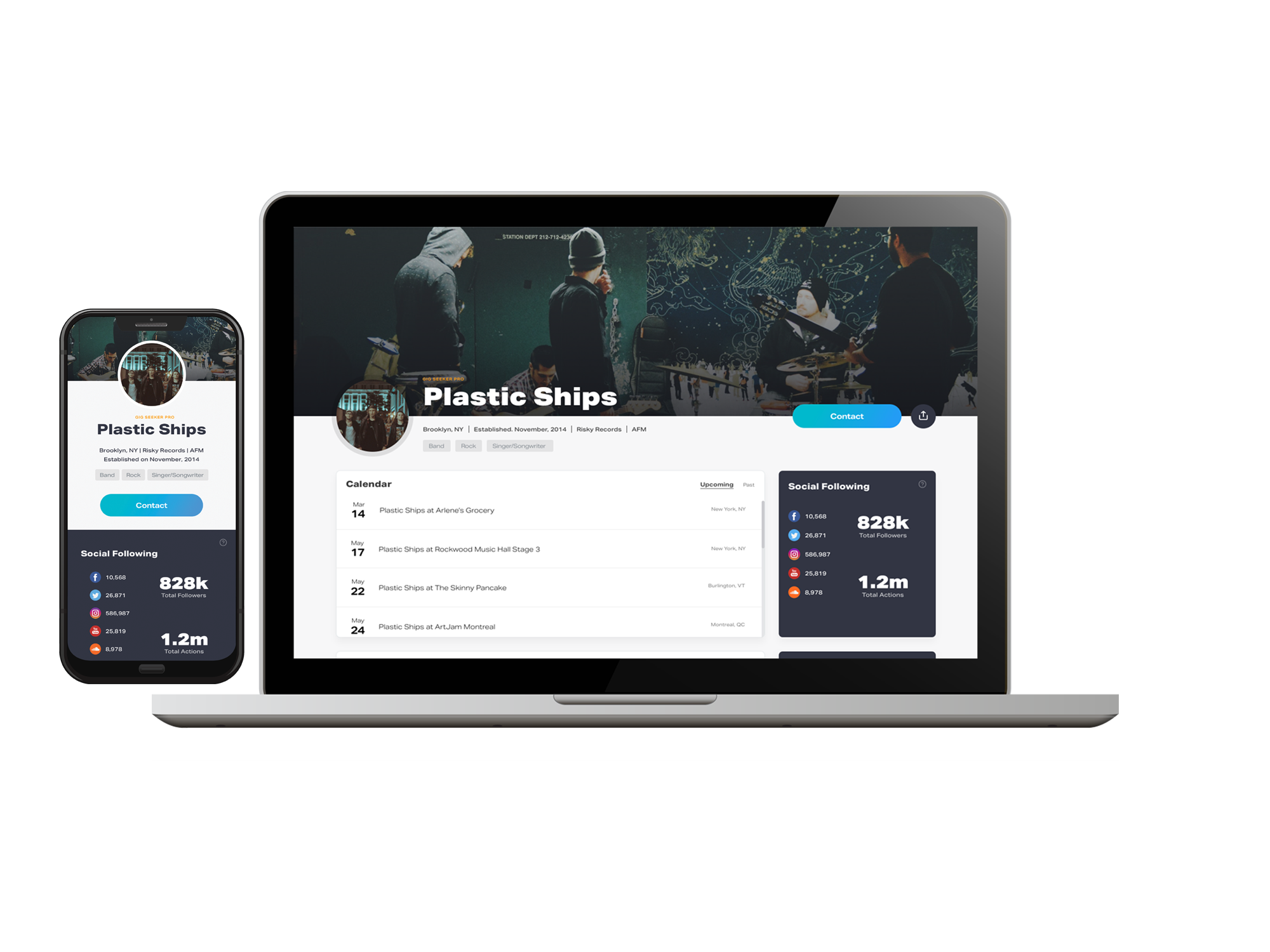
The primary complaint among music journalists and booking agents is the lack of organized information. A professional EPK solves this by centralizing all necessary assets—links to music videos, technical riders, stage plots, and contact information—into a single, accessible URL. This logistical efficiency is critical for professionals who manage hundreds of inquiries daily. By providing a "one-stop-shop," artists reduce the friction of communication, making it significantly more likely that a promoter will finalize a booking or a journalist will complete a feature story.
3. Establishment of Professional Credibility
In a saturated market, credibility is a form of currency. An EPK functions as a portfolio of "social proof." By including notable press quotes, testimonials from venue owners, and data-driven metrics such as streaming numbers or ticket sales, an artist demonstrates that they are a low-risk investment for promoters. The presence of a polished EPK signals to the industry that the artist understands the business side of music, distinguishing them from hobbyists who may lack the professional infrastructure to support a touring schedule or a media campaign.
4. Global Accessibility and Real-Time Updates
The digital nature of the EPK ensures that an artist’s materials are available 24/7 across all geographical boundaries. This is particularly relevant for international festival scouting, where talent buyers in Europe may be reviewing artists from North America or Asia outside of standard business hours. Furthermore, the ability to update an EPK in real-time allows artists to reflect their most recent achievements—such as a viral hit or a new award nomination—without the need to redistribute physical materials.
5. Documentation of Career Trajectory
An EPK is a living document that records an artist’s growth. As musicians move from local club dates to regional tours and eventually national festivals, the EPK evolves to reflect this progression. This historical record is vital for long-term career planning and for attracting high-level management or agency representation, who look for a consistent upward trend in an artist’s professional development.
Data Analysis: The Impact of Professional Presentation on Booking Success
Statistical trends in the independent music sector suggest a strong correlation between professional digital assets and career advancement. According to market research regarding independent music revenue, the "DIY" sector is the fastest-growing segment of the industry, generating over $1.2 billion annually. However, competition within this sector is fierce.
Internal data from booking platforms indicate that artists with a complete, professional EPK are 40% more likely to be booked for festivals than those who submit via social media links alone. This is attributed to the fact that social media platforms are designed for fan engagement rather than professional vetting. An EPK provides the technical specifications—such as stage plots and input lists—that a production manager needs, which social media cannot provide.
The Role of Data and Analytics in Modern EPKs
Modern EPKs have moved beyond static text and images to include integrated data analytics. Today’s industry professionals are increasingly data-driven, often looking at Spotify "Monthly Listeners," YouTube view counts, and Instagram engagement rates before making a decision. A sophisticated EPK integrates these APIs (Application Programming Interfaces) to provide real-time updates on an artist’s reach.
This "data-first" approach allows promoters to mitigate financial risk. For instance, if an EPK shows a high concentration of listeners in a specific city, a talent buyer in that region is more likely to book the artist, knowing there is a pre-existing audience. This level of transparency has transformed the EPK from a simple resume into a high-powered business proposal.
Perspectives from Industry Gatekeepers
The consensus among music industry professionals highlights the EPK as a non-negotiable tool. Publicity experts note that without an EPK, the likelihood of securing a review in a major publication like Pitchfork or Rolling Stone is nearly zero. Journalists require high-resolution photos (at least 300 DPI) for print and easily copy-pasteable biographies to meet tight deadlines.
Similarly, festival bookers for events like Coachella or Lollapalooza emphasize that the EPK is the first point of contact. "We receive thousands of submissions," notes one anonymous festival scout. "If we have to hunt for a high-quality audio file or a stage plot, we move on to the next artist. The EPK isn’t just about the music; it’s about the ease of doing business."
Broader Implications for the Music Industry
The ubiquity of the EPK represents a broader shift toward the professionalization of the independent artist. As labels provide fewer development resources, the burden of "A&R readiness" has shifted to the artist. This has led to the rise of a new class of "artist-entrepreneurs" who are as proficient in digital marketing and asset management as they are in songwriting.
Furthermore, the EPK has democratized access to the global market. An artist in a remote location can now present their work to a global audience with the same level of professional polish as a major-label act. This has led to a more diverse and vibrant global music scene, though it has also increased the pressure on artists to maintain a perfect digital facade.
Conclusion and Future Outlook
As the music industry continues to evolve, the Electronic Press Kit will likely integrate even more advanced technologies, such as augmented reality (AR) for virtual stage previews or blockchain-based verification for performance history. However, the core objective remains the same: to tell an artist’s story in a way that is compelling, professional, and efficient.
For the independent artist, the EPK is the bridge between creative output and commercial opportunity. It is a testament to the fact that in the modern era, talent alone is insufficient; it must be paired with professional presentation and strategic communication. By maintaining a high-quality EPK, artists ensure they are prepared for the moment when opportunity meets preparation, providing the necessary infrastructure to scale their careers in an increasingly competitive global marketplace. Organizations like Sonicbids continue to facilitate this connection, serving as the digital infrastructure that allows the next generation of musical talent to be discovered, vetted, and booked on stages worldwide.
