

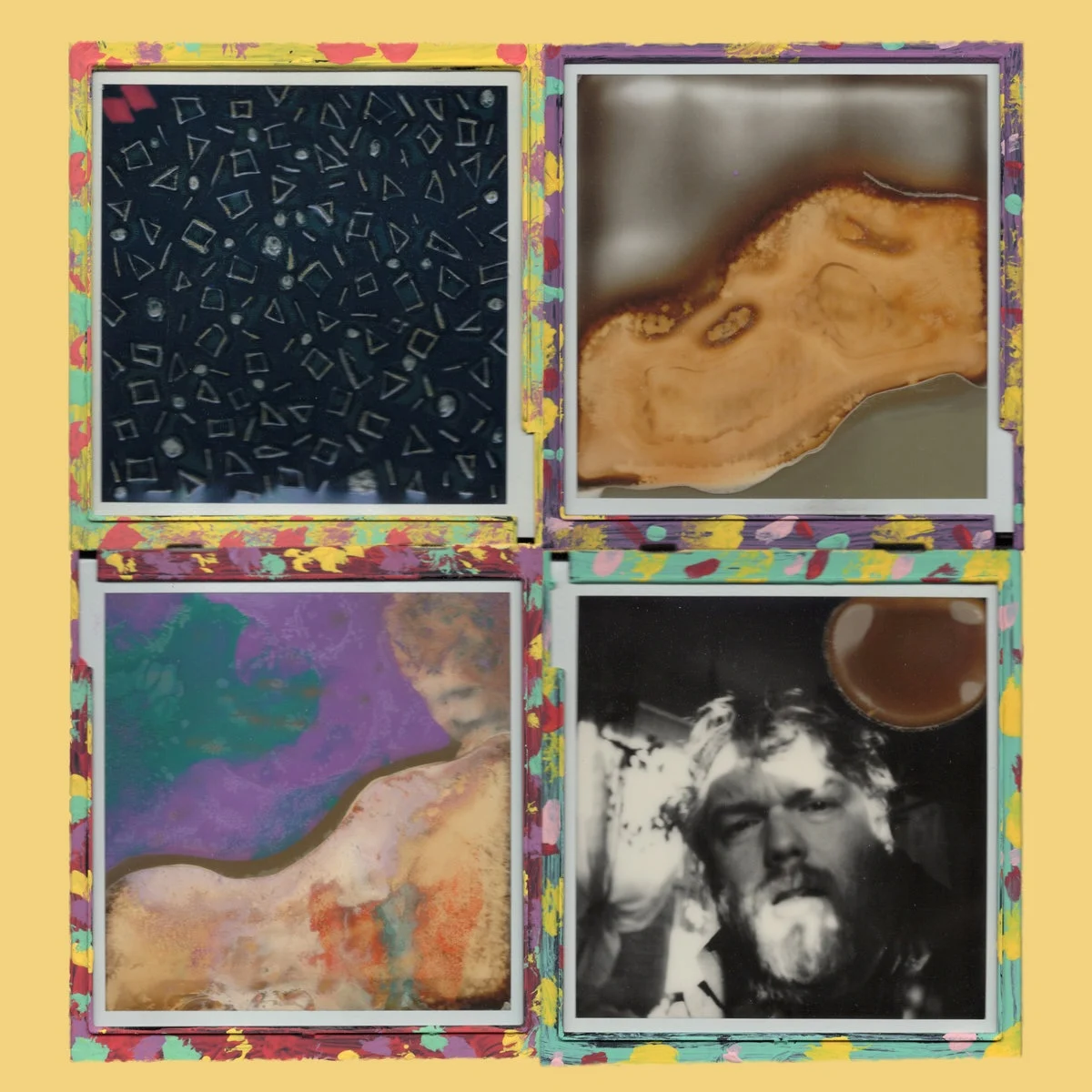
"Walk With Love," the latest single from Sam Cook-Parrott, the driving force behind Philadelphia-based indie rock outfit Radiator Hospital, offers a stark and unvarnished examination of personal agency in a world grappling with profound challenges. Released as the third preview from the band’s anticipated studio album, Distorting Time, the track directly confronts listeners with a fundamental question: "There’s so much you can’t control, but this choice is yours. Are you gonna walk with love?" This direct inquiry anchors a song that, while musically gentle, carries a weighty thematic punch, reflecting the anxieties and moral dilemmas of contemporary existence.
Thematic Core and Lyrical Urgency
"Walk With Love" distinguishes itself with its lyrical clarity and emotional directness. Backed by soft, deliberate guitar strums, Cook-Parrott’s distinct, often described as "tinny" or "scraggly," vocal delivery imbues the track with an intimate, almost conversational quality, making the profound questions he poses feel both personal and universal. The song’s message is distilled into a series of rhetorical queries that underscore the pervasive sense of instability and injustice many experience:
"If they’re gonna kill you anyway, are you gonna walk with love?
Face this violent world with the strength of a mother or a nurse?
Through the fog of hate, are you gonna walk with love?
Resist the despair, though it’s bound to get worse?
In a repressive state, are you gonna walk with love?
While years of progress flow past you in reverse?"
These lines articulate a struggle against external pressures and an internal battle to maintain compassion and integrity in the face of escalating adversity. The imagery of "the strength of a mother or a nurse" evokes a powerful sense of care, empathy, and resilience—qualities often associated with quiet heroism in the face of suffering. The juxtaposition of personal choice against systemic violence, widespread despair, and political repression forms the song’s central tension, urging listeners to consider their ethical stance regardless of the bleakness of their surroundings. This approach positions "Walk With Love" not merely as a musical composition but as a philosophical reflection on human resilience and moral imperative.
Inspiration and Socio-Political Context
In a press statement accompanying the single’s release, Cook-Parrott revealed the specific, harrowing incident that catalyzed the song’s creation. He stated that "Walk With Love" was written "shortly after ICE agents murdered Alex Pretti in Minneapolis." He further elaborated on the song’s broader intent, describing it as "about trying to keep your head up as an everyday person when everything around you feels backwards, disgusting and awful."
While details surrounding the specific incident involving Alex Pretti and ICE agents in Minneapolis are not widely documented in public records, Cook-Parrott’s statement underscores the profound impact of perceived injustices and state violence on individuals and artists. This personal inspiration roots the song in a specific, painful reality, making its universal questions about love and resistance even more poignant. The artist’s reference points to a deep engagement with the socio-political climate, particularly issues related to immigration enforcement and the actions of federal agencies.
The Landscape of Immigration Enforcement: ICE and Public Discourse
The U.S. Immigration and Customs Enforcement (ICE) agency, established in 2003 under the Department of Homeland Security, has been a subject of intense public debate and scrutiny since its inception. Its mandate includes enforcing federal immigration laws, investigating transnational crime, and protecting national security. However, its operations—particularly those involving arrests, detention, and deportations—have frequently drawn criticism from civil liberties organizations, human rights advocates, and community groups.
Critics often point to several areas of concern:
- Tactics and Enforcement: Allegations of aggressive tactics during arrests, raids in communities, and the separation of families have fueled widespread condemnation. Reports from organizations like the American Civil Liberties Union (ACLU) and Human Rights Watch have documented instances where ICE operations have been perceived as disproportionate, leading to fear and distrust within immigrant communities.
- Detention Conditions: Conditions in ICE detention facilities have been a recurring point of contention. Numerous reports from governmental oversight bodies, non-governmental organizations, and journalistic investigations have highlighted issues such as inadequate medical care, poor sanitation, overcrowding, and lack of access to legal counsel. These concerns intensified during public health crises, raising questions about the welfare of detainees.
- Transparency and Accountability: Calls for greater transparency and accountability from ICE have been consistent. Activist groups often demand more robust oversight mechanisms and independent investigations into alleged misconduct or excessive force by agents.
- Political and Societal Impact: Beyond direct enforcement, ICE’s role is often viewed through the lens of broader immigration policy debates. Periods of heightened enforcement have coincided with significant shifts in public opinion and political rhetoric surrounding immigration, contributing to a polarized national discourse. The agency’s actions are frequently seen as reflections of prevailing governmental attitudes towards immigration, shaping both policy and public sentiment.
For artists like Cook-Parrott, these controversies and the human stories behind them provide a fertile, albeit somber, ground for creative expression. Music, in this context, becomes a medium for processing personal trauma, expressing collective anxieties, and offering a form of emotional resistance.
Minneapolis: A Crucible of Social Justice
The city of Minneapolis, cited by Cook-Parrott as the location of the incident, has become a focal point for social justice movements and activism in recent years. While the city has a rich history of progressive politics and community organizing, it gained significant national and international attention following the murder of George Floyd in May 2020. This event ignited widespread protests against police brutality and systemic racism, leading to a profound period of introspection and calls for institutional reform within the city and across the nation.
This backdrop of intense social and political activism in Minneapolis provides additional context for Cook-Parrott’s inspiration. The city has been a site where discussions about state power, community safety, racial justice, and human rights are not merely academic but deeply embedded in the daily lives and experiences of its residents. An artist witnessing or learning about an incident involving federal agents in such a charged environment would likely find their resolve strengthened to address these issues through their work. The sentiment of "everything around you feels backwards, disgusting and awful" resonates strongly with the frustrations and disillusionment expressed by many living through periods of intense social unrest and injustice.
The Album: Distorting Time and its Preceding Singles
"Walk With Love" is the third single released from Distorting Time, following "A Fine Vintage" and "Wall Between Us." These earlier tracks have helped to establish the album’s thematic framework and musical direction, hinting at a collection that balances Radiator Hospital’s signature indie rock sensibilities with a more introspective and socially conscious lyrical approach.
- "A Fine Vintage": This track likely offered an initial glimpse into the album’s sound, potentially exploring themes of nostalgia, change, or the passage of time, as its title might suggest.
- "Wall Between Us": The title of the second single, "Wall Between Us," already suggested a focus on division, separation, or emotional barriers, whether interpersonal or societal. This track, along with "Walk With Love," appears to underscore a broader narrative within Distorting Time about connection and disconnection in an increasingly fragmented world.
The sequential release of these singles allows listeners to gradually immerse themselves in the album’s overarching message, building anticipation for the full body of work. Each single acts as a thematic waypoint, guiding the audience through Cook-Parrott’s reflections on personal struggle and collective societal challenges.
Radiator Hospital’s Artistic Trajectory
Radiator Hospital, fronted by Sam Cook-Parrott, has carved out a niche in the independent music scene with its distinctive blend of lo-fi aesthetics, heartfelt lyrics, and melodic punk-infused indie rock. Formed in Philadelphia, the band is known for its DIY ethos and a discography that consistently explores themes of love, anxiety, and the complexities of human relationships. Cook-Parrott’s songwriting often combines vulnerability with a wry, observational wit, making his music deeply relatable to a dedicated fanbase.
The band’s previous works, such as Torch Song (2014) and Music for Daydreaming (2017), have garnered critical acclaim for their emotional honesty and raw energy. With Distorting Time, Cook-Parrott appears to be expanding his lyrical scope, moving beyond purely personal narratives to engage more directly with broader socio-political issues, while retaining the intimate, confessional style that defines his artistic voice. This evolution reflects a growing trend among indie artists to use their platform to comment on the world around them, offering perspectives that are often missing from mainstream discourse.
Lame-O Records: A Home for Independent Voices
The album Distorting Time is slated for release on August 14th via Lame-O Records. Based in Philadelphia, Lame-O Records has established itself as a prominent independent label known for championing a diverse roster of punk, indie rock, and emo artists. The label’s ethos often aligns with the DIY spirit and community-focused values that characterize many bands in its catalog, including Radiator Hospital.
Lame-O’s commitment to artists who prioritize authentic expression and resonant storytelling makes it a natural home for Cook-Parrott’s latest work. The label provides a platform for voices that might not fit neatly into commercial molds, fostering an environment where artistic integrity and thematic depth are highly valued. This partnership ensures that Distorting Time, with its potent social commentary, will reach an audience receptive to its nuanced messages.
The Broader Implications: Art as Resistance and Empathy
"Walk With Love" and the album Distorting Time arrive at a moment when the intersection of art and activism feels particularly urgent. In an era marked by heightened political polarization, social unrest, and a pervasive sense of global instability, artists are increasingly leveraging their creative output to process, critique, and inspire. Cook-Parrott’s song serves as a powerful example of how music can transcend mere entertainment to become a form of emotional processing, a call to conscience, and an act of resistance.
The central question, "Are you gonna walk with love?" is not merely a rhetorical device but an invitation to introspection and a challenge to maintain empathy in a climate that often incentivizes division and hostility. It suggests that even when external circumstances are beyond control, the internal choice to approach the world with compassion and resilience remains a potent form of agency. This message resonates far beyond the specific context of immigration enforcement, speaking to anyone navigating personal struggles, societal injustices, or a general sense of unease about the future.
The strength of Cook-Parrott’s songwriting lies in its ability to marry deeply personal experiences with universal human dilemmas. By sharing his own struggle to "keep your head up when everything around you feels backwards, disgusting and awful," he offers listeners a mirror to their own anxieties while simultaneously providing a beacon of hope through the simple, yet profound, act of choosing love. As Distorting Time approaches its release, "Walk With Love" stands as a testament to the enduring power of music to confront difficult truths and advocate for a more humane world. The full album, available August 14th, is poised to offer further exploration of these critical themes, cementing Radiator Hospital’s place as a band unafraid to tackle the complexities of our present moment.
