

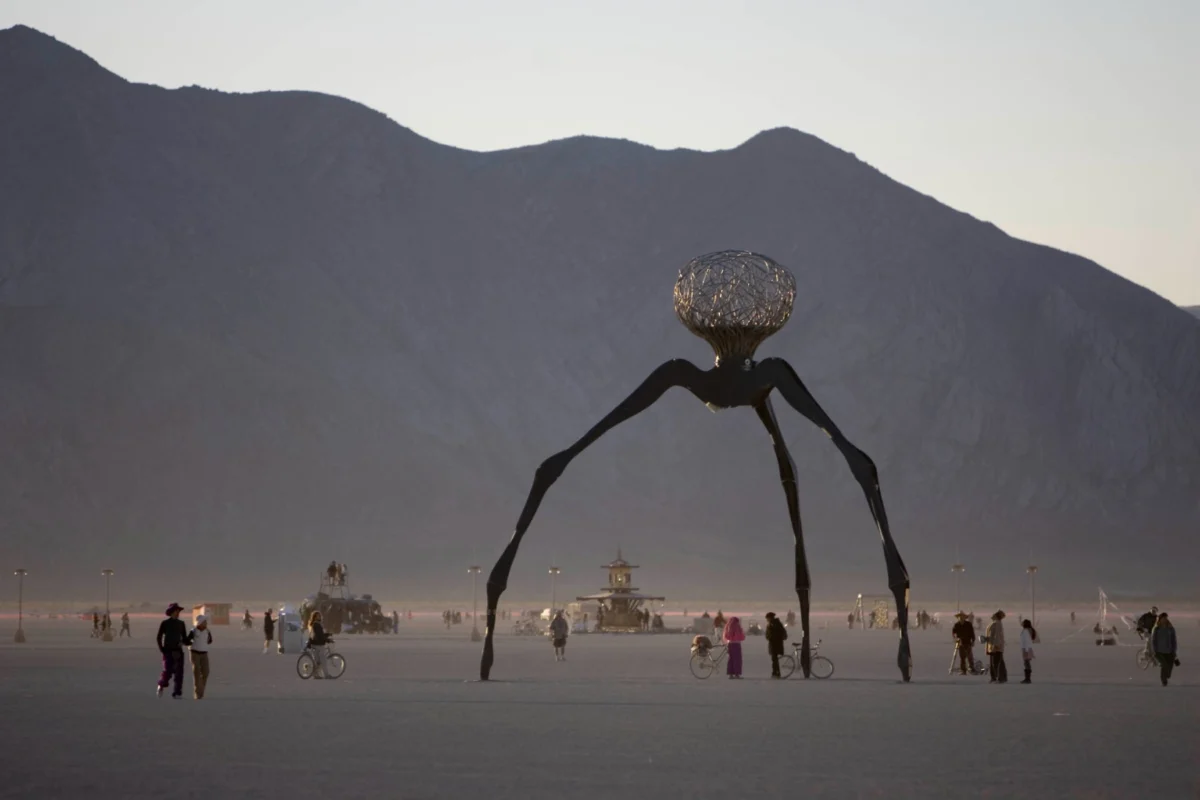
A 60-year-old man, Craigh Mann, was found deceased at his camp in Black Rock City, Nevada, on Saturday, September 5, marking the second reported fatality at this year’s iconic Burning Man festival. The somber news arrives as the counter-cultural gathering, celebrating its 40th anniversary, grapples with not only these tragic losses but also significant weather disruptions that temporarily altered the experience for tens of thousands of participants in the remote Nevada desert.
The Second Tragedy Unfolds
Craigh Mann, whose age was confirmed as 60, was discovered by his campmates at approximately 3:00 PM on Saturday afternoon. The specific circumstances surrounding his death were not immediately disclosed by festival organizers, who promptly released a statement expressing profound sorrow. "Burning Man Project is saddened to share that a second Black Rock City participant, Craigh Mann, a 60 year-old man, was found deceased by campmates in his camp on Saturday, September 5, at approximately 3 PM," the official statement read. "Our thoughts and deepest condolences are with the participant’s family, friends, campmates, and all those affected by this loss." As is standard protocol in such cases, local authorities, including the Pershing County Sheriff’s Office, would likely initiate an investigation, which typically includes an autopsy to determine the official cause of death. At the time of reporting, no cause had been publicly revealed, and further details were pending the outcome of these official processes.
A Preceding Loss: The First Fatality
Mann’s death follows closely on the heels of another participant’s passing earlier in the week. On Thursday, September 3, a man in his mid-50s experienced a severe medical emergency at the festival. According to festival organizers, lifesaving measures were immediately initiated by onsite medical personnel. The individual was then transported to the dedicated emergency care center within Black Rock City, where he was unfortunately pronounced deceased. "It is with heavy hearts that Burning Man Project confirms a Black Rock City participant in his mid-50s experienced a medical emergency," the festival’s official statement confirmed. "Our thoughts and deepest condolences are with the participant’s family, friends, and those affected by this loss." The identity of this first individual was withheld pending notification of his family, and, similar to Mann’s case, the official cause of death had not been disclosed at press time. The proximity of these two incidents within a single event cycle, especially one of Burning Man’s magnitude and unique environment, has naturally drawn increased attention to safety protocols and participant well-being.
Challenging Conditions: Weather Impacts Black Rock City
Adding to the complexities of the 2026 event, Black Rock City was hit by severe weather conditions, primarily heavy rainfall, on Friday, September 4. The deluge transformed the usually dusty playa — the vast, ancient lakebed where the festival takes place — into a treacherous expanse of thick, sticky mud. This abrupt change prompted festival organizers to temporarily close the main entrance and exit gates, effectively sealing off the temporary city. Attendees attempting to arrive were advised to delay their travel, while those already on the playa were urged to avoid driving any vehicles, including bicycles, to prevent getting stuck and further damaging the fragile desert surface. The ground conditions became so challenging that movement across the playa was severely restricted, forcing participants to shelter in place and rely on their camps’ resources. Such weather events, while not entirely unprecedented in the Black Rock Desert, always pose significant logistical and safety challenges, testing the limits of the event’s infrastructure and the participants’ adherence to the principle of "radical self-reliance." The unexpected closure and difficult terrain undoubtedly contributed to a heightened sense of isolation and potential stress for some attendees, even as the community ethos often shines brightest during adversity.
Burning Man at 40: A Brief History and Ethos
Burning Man, which commenced on August 30 and was scheduled to conclude on Monday, September 7, is celebrating its 40th anniversary this year, a significant milestone for an event that began as a small bonfire ritual on Baker Beach in San Francisco in 1986. Over four decades, it has evolved into a globally recognized cultural phenomenon, attracting approximately 70,000-80,000 participants annually to the remote Black Rock Desert. The event is not merely a music festival but an experimental temporary community dedicated to ten guiding principles: Radical Inclusion, Gifting, Decommodification, Radical Self-Reliance, Radical Self-Expression, Communal Effort, Civic Responsibility, Leaving No Trace, Participation, and Immediacy.
The temporary metropolis, known as Black Rock City (BRC), is meticulously planned and constructed from the ground up each year, only to be entirely dismantled without a trace afterward. This "city" boasts its own airport, emergency services, art installations, and a complex social structure driven by gifting rather than commerce. Participants, often referred to as "Burners," are encouraged to bring everything they need to survive and thrive in the harsh desert environment, embodying the principle of "radical self-reliance." The remote location, characterized by extreme temperatures, dust storms, and the vast, open playa, inherently presents risks, making robust emergency planning and participant preparedness critical components of the Burning Man experience. This year’s milestone anniversary was meant to be a grand celebration of these principles and the community’s enduring spirit, making the recent tragedies particularly poignant.
Medical and Safety Infrastructure in the Playa
The scale and unique environment of Burning Man necessitate a comprehensive and sophisticated medical and safety infrastructure. Black Rock City operates with its own fully equipped emergency services, collectively known as Burner Emergency Services (B.E.S.), which includes medical teams (EMT, paramedics, doctors, nurses), fire suppression, and law enforcement liaison. These services are primarily volunteer-driven but operate under strict professional guidelines and are coordinated with external agencies. Within BRC, multiple medical stations, including an onsite emergency care center, are strategically placed to respond swiftly to incidents across the expansive city and playa.

However, despite these extensive preparations, the challenges of providing advanced medical care in such a remote, temporary, and often extreme environment are considerable. Transporting patients, especially those requiring critical care, can be difficult due, at times, to weather conditions or the sheer distances involved. Cases requiring higher levels of intervention often necessitate air ambulance evacuation to regional hospitals in Reno or beyond. The "radical self-reliance" ethos also places a significant burden on participants to monitor their own health, stay hydrated, manage exposure to the elements, and make responsible choices regarding substances. While organizers provide guidelines and resources, the ultimate responsibility for personal safety often rests with the individual, creating a delicate balance between personal freedom and collective well-being.
Past Incidents and the Event’s Safety Record
While the 2026 event’s two fatalities within days are notable, Burning Man, given its scale and duration, has experienced various incidents over its long history. Over the decades, there have been a handful of reported deaths at the event, stemming from causes ranging from natural medical emergencies, accidental falls, drug overdoses, and, in one tragic instance, a participant running into the flames of the burning Man effigy. For example, in 2017, a man died after running into the effigy fire. In 2014, a woman died after falling under a bus. Other incidents have included serious injuries from art installations, vehicle accidents, and environmental exposures like heatstroke or hypothermia.
Considering the annual attendance of tens of thousands of people in a harsh, unregulated environment, the overall rate of serious incidents remains relatively low compared to other large-scale gatherings. Organizers consistently review and enhance safety protocols, working closely with local and federal agencies. However, the inherent risks associated with extreme weather, the vast distances, and the experimental nature of some art and participant activities mean that critical incidents, while rare, are always a possibility. The current situation with two deaths in close succession will undoubtedly prompt an even more rigorous review of existing safety measures, emergency response times, and communication strategies.
Official Responses and Ongoing Investigations
In the wake of the two fatalities, the Burning Man Project has maintained a consistent message of condolence and support for the affected families and friends. Their official statements underscore the community’s collective grief and commitment to participant well-being. Beyond the immediate expressions of sorrow, formal investigations are paramount. The Pershing County Sheriff’s Office, as the primary law enforcement agency with jurisdiction over Black Rock City, would be leading these inquiries. Their role involves gathering evidence, interviewing witnesses, and coordinating with the county coroner’s office to determine the precise cause and manner of death for both Craigh Mann and the first unnamed participant. Autopsies are standard procedure, and toxicology reports, which can take several weeks, are often part of the process to rule out or confirm contributing factors. The findings from these official investigations are crucial for understanding the circumstances of each death and for informing any potential adjustments to future event safety protocols. The Burning Man Project typically cooperates fully with law enforcement, and transparency, where legally permissible, is often sought to maintain trust within the community.
Implications for Future Events and Participant Experience
The occurrence of two fatalities, coupled with significant weather challenges, will undoubtedly have implications for future Burning Man events and the broader participant experience. From an organizational standpoint, these incidents will trigger comprehensive reviews of every aspect of event management, from medical emergency response protocols and participant education on self-reliance to weather preparedness and communication strategies. There may be discussions about enhancing the visibility of medical resources, reinforcing safety messaging more aggressively, or even re-evaluating certain aspects of the event’s structure or timeline in light of environmental risks.
For participants, such tragedies can foster a heightened sense of awareness regarding the inherent dangers of the desert environment and the importance of preparedness. While the ethos of "radical self-reliance" is central, these events serve as stark reminders that even within a supportive community, individual vigilance and collective responsibility for safety are paramount. There might be an increased emphasis on camp-level emergency planning, buddy systems, and mutual aid networks. Public perception of Burning Man could also be impacted, potentially leading to increased scrutiny from media and regulatory bodies, even as the core community remains dedicated to its principles. The balance between maintaining the event’s unique, free-spirited culture and ensuring robust safety measures in an increasingly complex world will be an ongoing challenge for organizers.
As the 40th-anniversary celebration of Burning Man draws to a close, the joy and camaraderie that define the event are tempered by a profound sense of loss. The community now collectively mourns Craigh Mann and the other participant, reflecting on the fragility of life even amidst the vibrant, ephemeral city in the desert. The coming weeks and months will bring further clarity as official investigations conclude, providing crucial insights that will inform the ongoing evolution of safety and care within Black Rock City, ensuring that the spirit of Burning Man continues to thrive responsibly.
