

The global recorded music market has undergone a seismic shift over the last decade, transitioning from a centralized, label-dominated landscape to a decentralized ecosystem where independent artists represent the fastest-growing sector. According to industry data from MIDiA Research, independent artists—those operating without traditional label backing—generated over $1.2 billion in revenue in 2022, a significant increase that underscores the viability of the "DIY" career path. However, as the barriers to entry have lowered, the volume of content has surged, with over 100,000 tracks uploaded to digital streaming platforms (DSPs) daily. In this saturated environment, professional networking and cross-disciplinary collaboration have emerged not merely as social advantages but as fundamental economic necessities for career sustainability.
The Evolution of the Independent Music Ecosystem
Historically, the trajectory of a musical career was dictated by A&R (Artists and Repertoire) executives who acted as gatekeepers to production and distribution. The digital revolution of the early 2000s, spearheaded by platforms like MySpace and later SoundCloud, dismantled these barriers. Yet, the initial "gold rush" of digital independence has been replaced by a more complex reality: the "Attention Economy." In this era, the ability to forge meaningful professional relationships determines an artist’s capacity to cut through the noise.
Modern networking for musicians has evolved from transactional exchanges of business cards to the cultivation of "creative clusters." These clusters, often centered around specific geographic hubs or digital niches, allow for the pooling of resources, shared audiences, and reduced marketing overhead. Industry analysts note that collaborative tracks often perform better on streaming algorithms, as they trigger recommendations across the fan bases of all involved parties, effectively doubling or tripling organic reach without additional capital expenditure.
Strategic Integration with Local Arts Communities
One of the most effective, yet frequently underutilized, strategies for professional expansion is the integration into local cross-disciplinary art scenes. While musicians often gravitate toward other musicians, the "silo effect" can limit growth. By engaging with visual artists, theater companies, and literary communities, musicians tap into diverse professional networks that require auditory components for their own work.
The economic implications of these partnerships are significant. Visual art galleries and installation spaces frequently require bespoke soundtracks or live performances to enhance the "experiential" nature of their exhibits. Similarly, regional theater companies often seek original compositions for new productions. These collaborations provide musicians with "synch-adjacent" opportunities—placing their music in a context where it is the primary focus of a captive, curated audience. Furthermore, these environments are often frequented by patrons and donors who represent a different demographic than the standard club circuit, opening doors to private commissions and high-value performance opportunities.
Establishing Intellectual Hubs: Workshops and Feedback Collectives
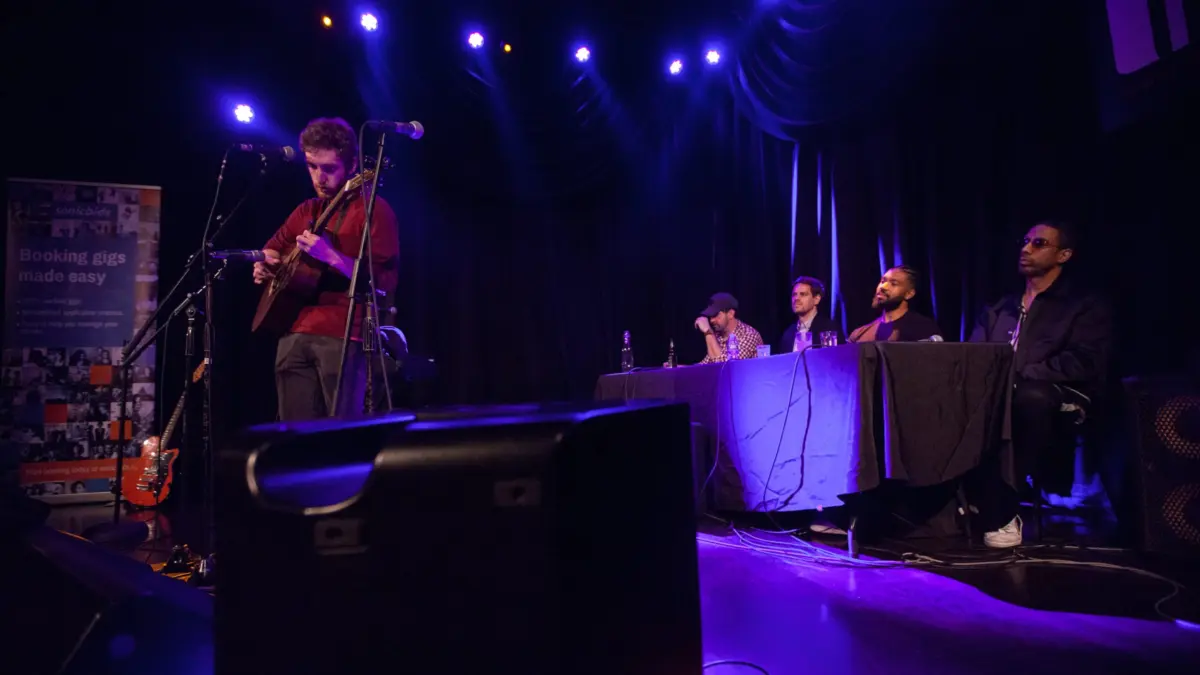
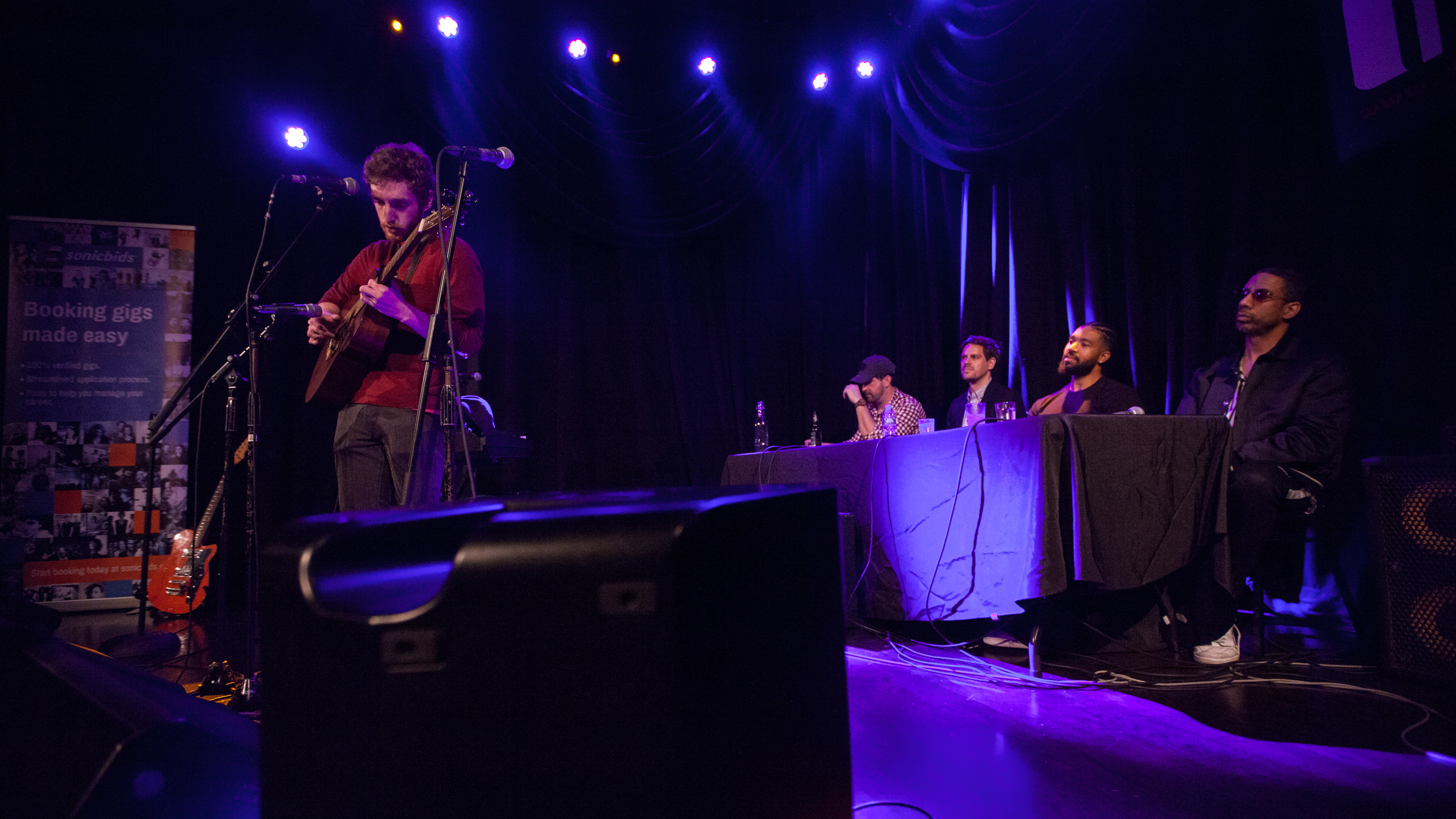
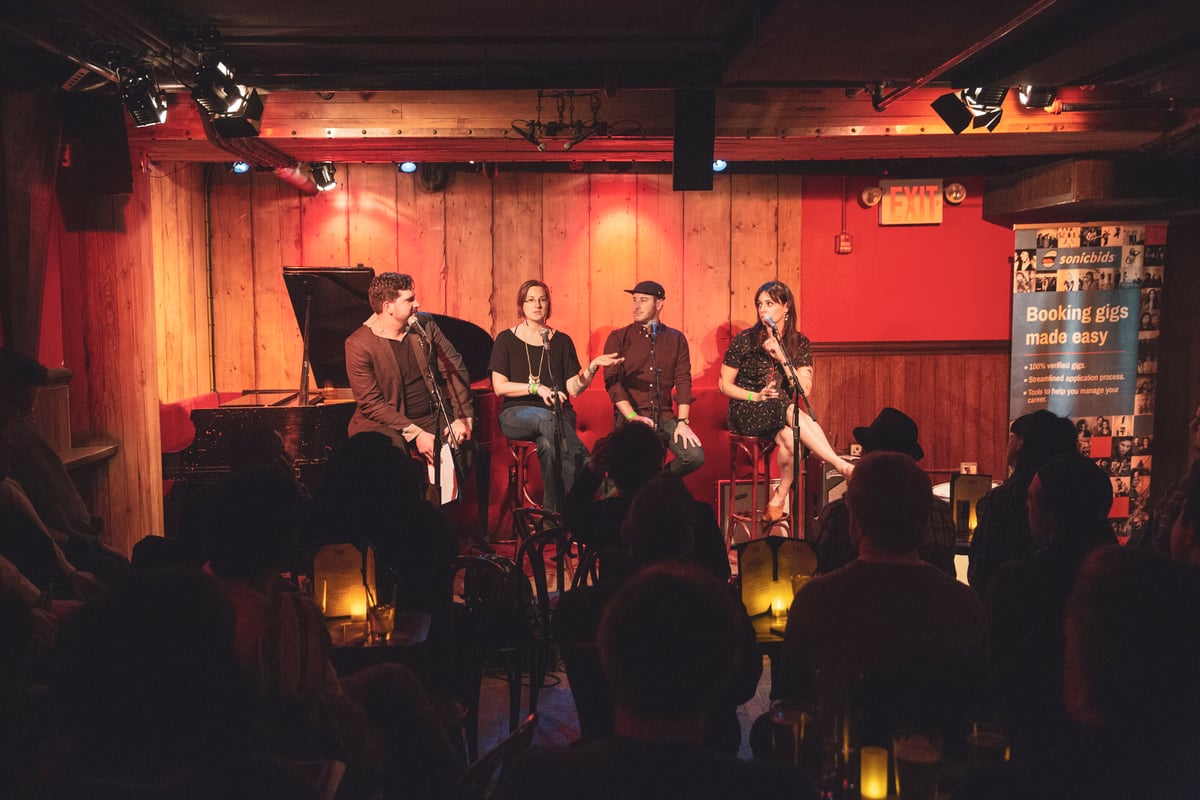
The rise of professional development events, such as the "Feedback Collective" panel discussions and songwriting workshops hosted by industry platforms like Sonicbids, highlights a growing trend toward structured peer-to-peer learning. These events serve two functions: they provide high-level technical insights and create a "neutral ground" for networking that bypasses the high-pressure environment of a live performance.
By hosting or participating in jam sessions and workshops, musicians transition from "talent for hire" to "community leaders." Professional jam sessions, particularly those that intentionally bridge disparate genres—such as the fusion of classical instrumentation with electronic production—often serve as the incubation period for new sub-genres. These gatherings foster a culture of "co-opetition," where artists compete for excellence while cooperating for mutual market growth. Data suggests that artists who participate in regular peer-review and collaborative workshops see a 30% higher retention rate in their professional networks compared to those who focus solely on solo promotion.
Leveraging Specialized Digital Infrastructure
While mainstream social media platforms like Instagram and TikTok are essential for broad-scale visibility, they are often criticized for their "low-signal" networking capabilities. In response, a secondary layer of "Prosumer" (professional-consumer) platforms has gained prominence. Tools such as BandLab, SoundCloud, and Discord allow for deep-level technical collaboration that transcends geographical boundaries.
The "Virtual Session" model has become a staple of the independent workflow. An artist in London can provide vocal tracks for a producer in Los Angeles, who then sends the stems to a mixing engineer in Tokyo. This globalized workforce allows independent musicians to access world-class talent without the need for travel or expensive studio bookings. Moreover, engaging deeply with the comment sections and community forums of these platforms allows artists to identify "micro-influencers" and early adopters within their specific genre, facilitating a more targeted approach to audience building.
The Strategic Value of Industry Immersion and Volunteering
For many emerging artists, the cost of entry to major music festivals and industry conferences (such as SXSW or Nashville’s AmericanaFest) can be prohibitive. Volunteering at these events offers a strategic "backdoor" into the industry’s inner workings. By serving in logistical or artist-relations roles, musicians gain unprecedented access to event organizers, production managers, and high-level talent.
The chronological progression of many successful indie careers often includes a period of "industry service." This phase allows the artist to observe the mechanical realities of large-scale event production—knowledge that is invaluable when they eventually transition to headlining those same stages. Furthermore, the rapport built with production staff can lead to future bookings; festival organizers are more likely to take a chance on an artist they know to be professional, reliable, and integrated into the event’s culture.

The Rise of the "Superfan" and Community-Driven Collaboration
The final pillar of modern networking involves a shift in how artists view their audience. In the traditional model, fans were passive consumers. In the modern independent model, fans are active participants and potential collaborators. The "1,000 True Fans" theory, popularized by Kevin Kelly, posits that an artist only needs a relatively small, dedicated base to be financially viable.
Independent musicians are increasingly using surveys, polls, and direct-messaging platforms (like Patreon or Geneva) to involve their audience in creative decisions. This "crowdsourced" approach to networking can lead to unexpected professional links. A fan who is a graphic designer might provide cover art; a fan who works in public relations might offer media outreach. This creates a "closed-loop" ecosystem where the community provides the resources necessary for the artist to continue producing work, thereby strengthening the bond between the creator and the consumer.
Impact Analysis and Future Outlook
The broader implications of these networking strategies suggest a move toward a more resilient and sustainable music industry. By diversifying their professional connections and moving beyond the "solo artist" mindset, independent musicians are building safety nets that protect them from the volatility of the streaming market.
Economic analysts observe that "networked" artists are better positioned to leverage multiple revenue streams, including merchandise, live events, synch licensing, and educational content. This multi-hyphenate approach is becoming the standard for success. As the industry continues to evolve, the distinction between "musician" and "entrepreneur" will continue to blur.

In conclusion, the success of the modern independent musician is predicated on their ability to navigate a complex web of social and professional relationships. From local art galleries to global digital platforms, the opportunities for collaboration are vast. By adopting a proactive, strategic, and cross-disciplinary approach to networking, artists can ensure that their music not only finds an audience but also contributes to a thriving, interconnected creative economy. The future of music is not found in isolation, but in the strength of the community built around the sound.
