

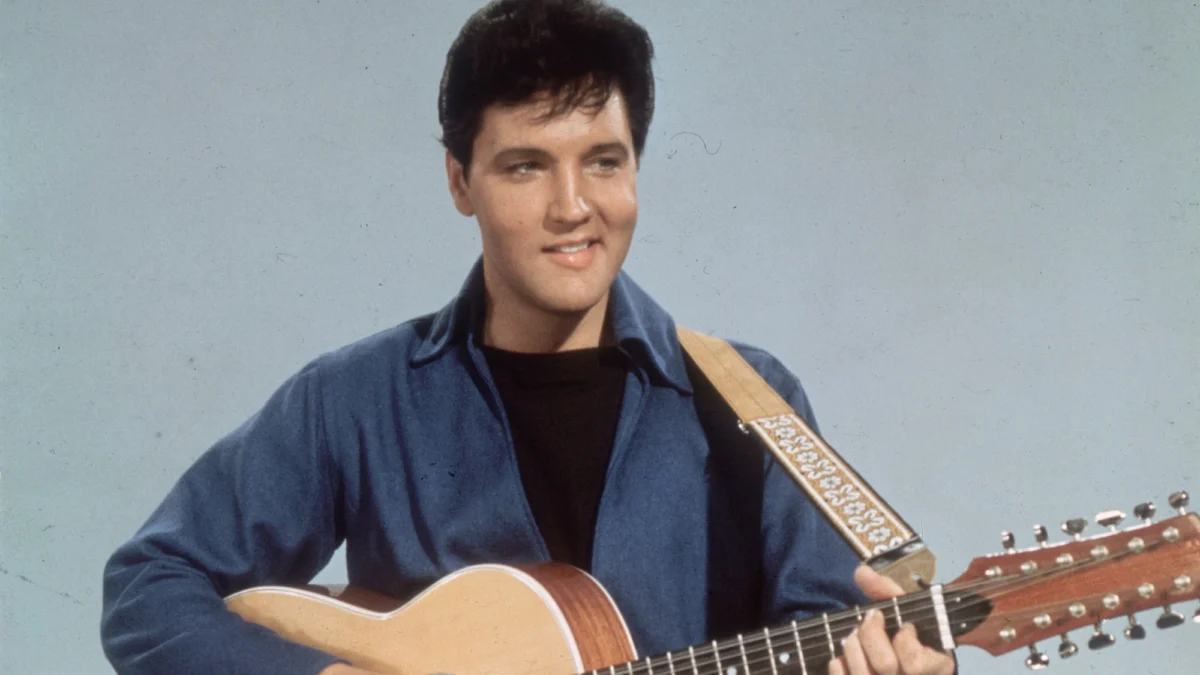
The decade of the 1950s served as a transformative crucible for the American music industry, witnessing the disintegration of rigid genre boundaries and the birth of the modern pop hit. Prior to this era, the music market was strictly segmented into "Pop" (largely orchestral or crooner-led), "Country & Western," and "Rhythm & Blues" (often referred to as "race records"). However, as the post-war economic boom empowered a new demographic—the teenager—and technology like the transistor radio and the 45-RPM record became ubiquitous, these silos began to merge. This cultural shift was driven by a handful of seminal tracks that defied categorization, reaching the top of multiple charts simultaneously and redefining the sonic landscape of the twentieth century.
The Socio-Economic Landscape of the Mid-Twentieth Century
To understand the impact of 1950s crossover hits, one must examine the industry infrastructure of the time. In the early part of the decade, Billboard maintained separate charts that rarely overlapped. The mainstream pop charts were dominated by artists like Perry Como, Doris Day, and Eddie Fisher. Meanwhile, the Southern and rural markets were served by the Country & Western charts, and urban African American markets were reflected in the R&B charts.
The catalyst for change was twofold: the migration of Southern workers to Northern industrial cities, which blended musical tastes, and the rise of independent radio disc jockeys like Alan Freed. These DJs began playing R&B and country-tinged records for white teenage audiences, creating a demand for a sound that was faster, more rebellious, and more emotionally raw than the polished standards of the previous generation.
Elvis Presley and the Genesis of the Rock Superstar
In January 1956, the release of "Heartbreak Hotel" by Elvis Presley marked a definitive turning point in this evolution. While Presley had seen regional success with Sun Records in Memphis, his move to RCA Victor provided him with a national platform. "Heartbreak Hotel" was not merely a hit; it was a cultural phenomenon that signaled the arrival of rock ‘n’ roll as the dominant force in mainstream music.
The song’s origins were as somber as its melody. Written by Tommy Durden and Mae Boren Axton, the lyrics were inspired by a newspaper report about a man who had committed suicide by jumping from a hotel window, leaving behind a note that simply read, "I walk a lonely street." Axton and Durden brought the song to Presley, who contributed to the arrangement and was ultimately given a co-writing credit—a common industry practice of the era to ensure the artist’s financial stake in the performance.
The Technical Brilliance and Narrative Weight of Heartbreak Hotel
Musically, "Heartbreak Hotel" was a stark departure from the lush arrangements typical of 1950s pop. Recorded at RCA’s Nashville studio, the track utilized a heavy "slapback" echo to replicate the hollow, lonely atmosphere of a desolate hotel. This use of reverb became a hallmark of the rockabilly sound.
The statistical performance of the single was unprecedented. It reached number one on the Billboard Top 100 (the precursor to the Hot 100) and held the position for eight weeks. Simultaneously, it topped the Country and Western chart and reached number three on the R&B chart. This "triple threat" chart performance was a rare feat that proved a single artist could appeal to disparate demographics through the sheer power of performance and production.
The industry reaction was one of both shock and realization. Elton John famously remarked that the song "changed the world, socially and musically," noting that it sounded as if it had come "from Mars." This sentiment was echoed by a generation of future musicians, including the Beatles and Keith Richards, who cited the track as their primary inspiration for entering the music industry.
Johnny Cash and the Integration of Country into the Mainstream
While Presley was bridging the gap between R&B and Pop, Johnny Cash was performing a similar feat with the Country and Pop charts. In 1956, Cash released "I Walk the Line," a track that would become his signature song and a masterclass in minimalist songwriting. Recorded for Sun Records under the guidance of producer Sam Phillips, the song introduced the world to the "boom-chicka-boom" freight train rhythm that would define Cash’s career.
The song was written while Cash was on the road, touring alongside Presley. At the time, Cash was a young husband and father, struggling with the temptations of life as a touring musician. The lyrics served as a personal pledge of fidelity: "I keep a close watch on this heart of mine / I keep my eyes wide open all the time." This moral earnestness resonated with a broad audience, cutting across the cynicism often associated with the burgeoning rock movement.
Technical Innovation and Chart Success of I Walk the Line
Technically, "I Walk the Line" was innovative for its use of key changes. Cash famously hums at the beginning of each verse to find his pitch, a byproduct of the song’s unusual structure which cycles through five different keys. This was not a stylistic choice initially, but a necessity to accommodate Cash’s deep baritone voice across the shifting chords.
The song’s crossover success was a significant milestone for Sun Records. It topped the Billboard country charts for six weeks and, perhaps more importantly, climbed to number 17 on the pop charts. This proved that the "Nashville Sound" or "Memphis Sound" was not limited to rural audiences; the themes of love, discipline, and struggle were universal. "I Walk the Line" helped legitimize country music as a commercially viable genre for urban pop radio, paving the way for the "country-politan" movement of the 1960s.
The Everly Brothers and the Perfection of the Pop Ballad
As the decade progressed toward its conclusion, the sound of pop music continued to soften and refine, leading to the rise of the Everly Brothers. In 1958, Don and Phil Everly released "All I Have to Do Is Dream," a track that epitomized the "sweet" side of the rock ‘n’ roll era.
Written by the prolific songwriting duo Felice and Boudleaux Bryant, the song relied on the brothers’ impeccable close-harmony singing. The Bryants were the primary architects of the Everly Brothers’ sound, providing them with a string of hits that combined country sensibilities with pop hooks. Phil Everly later noted the high quality of the Bryants’ songwriting, stating that even their demo versions (acetates) were of hit quality.
The Triple Crown of Chart Dominance
"All I Have to Do Is Dream" achieved a feat that remains legendary in the annals of music history: it reached number one on all of Billboard’s singles charts simultaneously. This included the Top 100, the R&B chart, and the Country & Western chart. It was the only single to ever do so, highlighting a brief moment in American history where musical tastes were remarkably unified.
The song’s production featured a tremolo guitar effect that created a "dreamy," ethereal atmosphere, perfectly complementing the lyrics about longing and imagination. This sonic texture influenced the "British Invasion" bands of the 1960s, most notably the Beatles and the Hollies, who sought to replicate the Everly Brothers’ vocal blend and atmospheric arrangements.
A Chronology of Crossover Milestones (1954–1959)
To view these hits in context, one must look at the timeline of the mid-to-late 1950s:
- 1954: Bill Haley & His Comets release "Rock Around the Clock," which slowly gains momentum, eventually hitting number one in 1955 and signaling the start of the rock era.
- 1956: Elvis Presley releases "Heartbreak Hotel." It becomes the first song to dominate three different Billboard charts, establishing the "crossover" as a business goal.
- 1956: Johnny Cash releases "I Walk the Line," proving that country music can maintain its integrity while achieving pop success.
- 1957: The introduction of the Billboard Hot 100 provides a more accurate reflection of a song’s total popularity across all radio stations and retail outlets.
- 1958: The Everly Brothers reach the pinnacle of the crossover era with "All I Have to Do Is Dream."
- 1959: The "Day the Music Died" (the deaths of Buddy Holly, Ritchie Valens, and the Big Bopper) marks the end of the first wave of rock ‘n’ roll, leading to a more produced, "teen idol" pop sound in the early 1960s.
The Broader Impact and Industry Implications
The success of these crossover hits fundamentally changed how record labels operated. Before 1955, labels were often small and specialized. The massive success of Presley at RCA and the Everly Brothers at Cadence forced major labels to invest heavily in A&R (Artists and Repertoire) to find "the next big thing" that could appeal to multiple markets.
Furthermore, these songs acted as a bridge for social integration. While the United States was still deeply segregated by law and custom, the airwaves were becoming a shared space. White teenagers were buying R&B-influenced records, and African American artists like Chuck Berry and Little Richard were appearing on pop charts. The crossover hits of the 1950s were not just musical achievements; they were the soundtrack to a changing social order.
In conclusion, "Heartbreak Hotel," "I Walk the Line," and "All I Have to Do Is Dream" represent more than just nostalgic relics of the 1950s. They are the foundational pillars of modern pop. By experimenting with production techniques like echo and tremolo, and by addressing universal themes of heartbreak, fidelity, and longing, these artists broke the confines of their respective genres. They established a blueprint for the "global hit"—a song that transcends regional, racial, and economic boundaries to speak to a collective human experience. The legacy of these tracks persists today, as the concept of the "genre-less" artist continues to dominate the digital streaming era, a trend that began in the recording studios of Memphis and Nashville over sixty years ago.
