

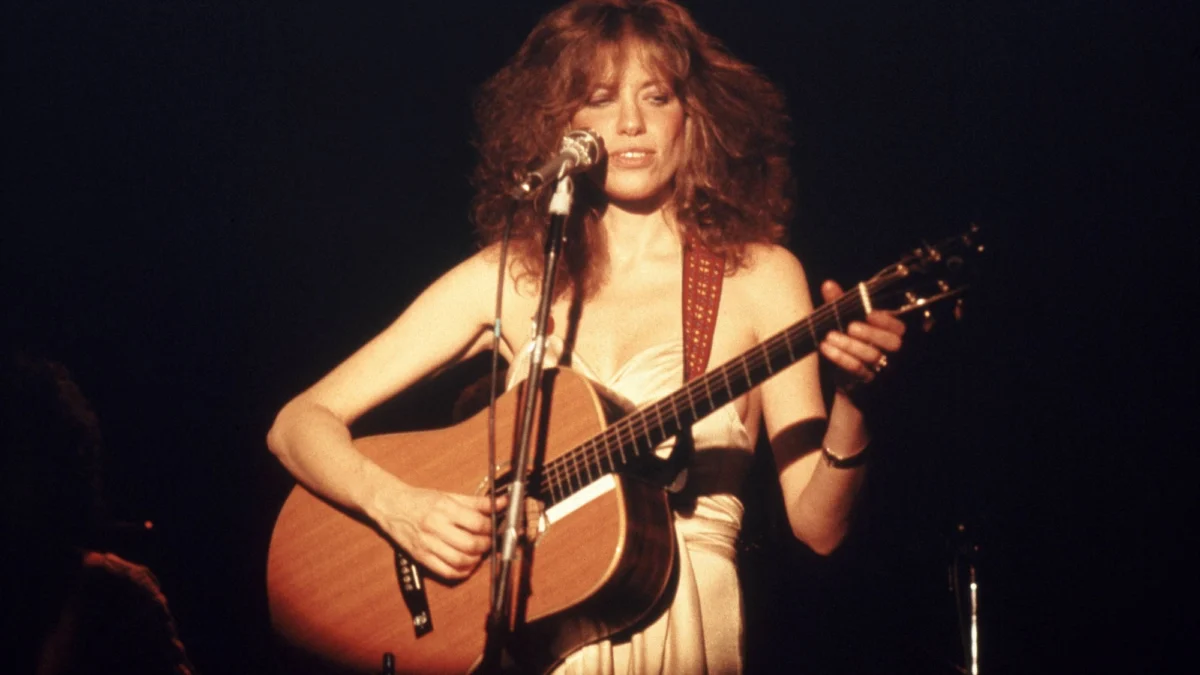
The union of Carly Simon and James Taylor in the early 1970s represented more than a celebrity marriage; it was the convergence of two of the most influential forces in the American singer-songwriter movement. Both artists were at the zenith of their commercial and critical power when they wed in November 1972, creating a public image of a "folk-rock royalty" that captivated the music industry and fans alike. However, beneath the harmonious veneer of their collaborative tracks and shared stage appearances lay a complex relationship defined by creative synergy, personal struggle, and eventual estrangement. While their marriage concluded in divorce in 1983, the discography produced during and after their time together serves as a permanent, lyrical record of their evolution. Through her 2015 memoir, Boys in the Trees, and various interviews, Simon has provided a transparent look at how Taylor served as the primary muse for some of her most poignant compositions.
A Chronology of the Simon-Taylor Union
The relationship between Carly Simon and James Taylor began during a period of significant cultural transition in the United States. Taylor had already established himself as a sensitive, introspective voice with the 1970 release of Sweet Baby James, while Simon had ascended to stardom with her self-titled debut and the follow-up, Anticipation. The two first met as children in Wellfleet, Massachusetts, but their romantic involvement did not begin until April 1971, following a performance by Taylor at Carnegie Hall.
The couple married on November 3, 1972, in a small, private ceremony held at Simon’s apartment in Manhattan. At the time, Simon was promoting her landmark album No Secrets, which would go on to spend five weeks at the top of the Billboard 200 chart. Their marriage saw the birth of two children, Sarah "Sally" Maria Taylor in 1974 and Benjamin Simon Taylor in 1977, both of whom would eventually follow their parents into the music profession.
Despite the public’s perception of a domestic idyll, the marriage was strained by several factors, including Taylor’s well-documented struggle with substance abuse and the pressures of maintaining two high-profile careers simultaneously. By the late 1970s, the emotional distance between the two had become a recurring theme in Simon’s songwriting. They officially separated in 1981, and their divorce was finalized in 1983. In the decades following the split, communication between the two became nearly non-existent, a fact Simon confirmed during promotional circuits for her memoir in 2015.
The Early Optimism of The Right Thing To Do
One of the most enduring artifacts of the early stages of their relationship is the hit single "The Right Thing To Do." Released on the 1972 album No Secrets, the song reached number 17 on the Billboard Hot 100 and served as a public declaration of Simon’s commitment to Taylor. The track is notable not only for its lyrical content but also for the collaborative spirit in which it was finalized.
According to Simon’s historical accounts, she had written the majority of the song herself, but Taylor, who was her husband at the time, played a crucial role in its final structure. Taylor suggested a revision to the original third verse, an edit that Simon ultimately accepted. This interaction highlights the creative cross-pollination that defined the early years of their marriage.
The lyrics of "The Right Thing To Do" address Taylor’s previous romantic difficulties and Simon’s unwavering belief in their future together. Lines such as "I know you’ve had some bad luck with ladies before / They drove you or you drove them crazy" acknowledge Taylor’s past while the chorus reinforces a sense of moral and emotional certainty: "Lovin’ you’s the right thing to do / Lovin’ you’s the right thing." In a conversation with biographer Stephen Davis, Simon confirmed that the song was written a mere three months into their relationship, capturing the initial "undisputed" clarity of her feelings.
Legend In Your Own Time and the Burden of Fame
While "The Right Thing To Do" captured the intimacy of their romance, the song "Legend In Your Own Time" from the 1971 album Anticipation offered a more analytical perspective on Taylor’s burgeoning status as a cultural icon. Though written before their marriage, Simon has since confirmed in her memoir, Boys In The Trees, that the subject of the song was indeed James Taylor.
The track explores the dichotomy between the public "legend" and the private individual. Simon’s lyrics paint a portrait of a man whose professional success is not fully understood or validated by those closest to him, specifically his mother. The chorus serves as a poignant commentary on the isolation of the artist: "But you’re a legend in your own time / A hero in the fourth lights / Playing tunes to fit your rhyme / But a legend’s only a lonely boy / When he goes home alone."
This song provides significant insight into Simon’s perception of Taylor as a figure of quiet tragedy. It suggests that even before they were legally bound, she recognized the emotional weight he carried as a performer. The "lonely boy" imagery would become a recurring motif in how the public and critics viewed Taylor’s persona—a man who could command an audience of thousands but remained fundamentally introspective and solitary.
The Breakdown of Communication in We’re So Close
By the end of the 1970s, the tone of Simon’s work regarding her marriage shifted from optimism to a profound sense of isolation. The 1979 song "We’re So Close," featured on the album Spy, is cited by Simon as perhaps the saddest composition of her career. The song serves as a clinical examination of the "irony of proximity"—the state of being physically near a partner while being emotionally lightyears apart.
Simon’s memoir provides the specific context for the song’s creation. It was written in 1979 on Martha’s Vineyard during a moment of domestic frustration. While waiting in a car for over an hour as Taylor tended to his sailboat, Simon channeled her feelings of neglect and invisibility into the lyrics. She recounts that upon his return to the vehicle, she felt a desperate urge to read the lyrics to him, yet she was paralyzed by the realization that his reaction would likely be indifferent. "What would James have done if I’d read him those lyrics aloud? Most likely nothing," she reflected.
The song’s power lies in its relatability to anyone who has experienced the slow erosion of a long-term partnership. It moved away from the specific "legend" of James Taylor and focused instead on the universal pain of failing to communicate with the person who is supposed to know you best.
Supporting Data and Market Impact
The musical output of the Simon-Taylor era was not only artistically significant but also commercially dominant. During the years of their marriage (1972–1983), the couple collectively influenced the trajectory of the Billboard charts.
- No Secrets (1972): Certified Platinum, this album established Simon as a premier solo artist, with "The Right Thing To Do" serving as a key single.
- Mockingbird (1974): Their most famous direct collaboration, a cover of the Inez and Charlie Foxx hit, reached number 5 on the Billboard Hot 100. It remains a staple of 1970s radio and demonstrated the commercial viability of their "brand" as a couple.
- The Vineyard Influence: Much of their creative work was influenced by their time on Martha’s Vineyard, which became a hub for the singer-songwriter community, including figures like Jackson Browne and Linda Ronstadt.
Broader Implications and Artistic Legacy
The relationship between Carly Simon and James Taylor remains a subject of fascination because it mirrored the complexities of the era’s "confessional" songwriting movement. Unlike the polished, detached pop of previous decades, the work of Simon and Taylor was intensely autobiographical. Their marriage and its eventual dissolution were documented in real-time through their lyrics, providing a blueprint for future generations of artists who would use their personal lives as primary source material.
Simon’s 2015 admission to People magazine—that she still harbors love for Taylor despite decades of silence—speaks to the enduring impact of their bond. Taylor, for his part, has remained largely private regarding the specifics of their marriage in recent years, though his music from the same era, such as the tracks on Gorilla (1975) and In the Pocket (1976), also reflects the domestic shifts occurring at the time.
In a broader sense, the songs Simon wrote about Taylor represent a masterclass in the evolution of a relationship, moving from the infatuation of "The Right Thing To Do" to the psychological observation of "Legend In Your Own Time," and finally to the stark reality of "We’re So Close." These tracks do more than just tell the story of two celebrities; they provide a factual, emotional history of a decade in American music where the personal and the professional were inextricably linked. For historians and fans alike, these compositions remain the most authentic record of a union that, while no longer active in person, remains eternally vibrant in song.
