

The decade of the 1960s represents perhaps the most significant metamorphosis in the history of popular music, transitioning from the structured, radio-friendly rock and roll of the 1950s into a sprawling, avant-garde art form. While the early years of the decade were characterized by a continuation of the "teen idol" era and the polished production of the Motown sound, the latter half witnessed a radical departure from convention. This shift was fueled by a confluence of technological advancements in the recording studio, the proliferation of psychedelic culture, and a growing desire among musicians to treat the long-playing record (LP) as a cohesive canvas rather than a collection of disparate singles. Three specific compositions—The Beatles’ "Tomorrow Never Knows," The Beach Boys’ "Good Vibrations," and Jefferson Airplane’s "White Rabbit"—serve as definitive milestones in this evolution. These tracks did not merely reflect the changing times; they actively dismantled the existing architecture of the music industry and established the blueprints for progressive rock, electronic music, and the modern recording process.
The Studio as a Musical Instrument: The Beatles and Tomorrow Never Knows
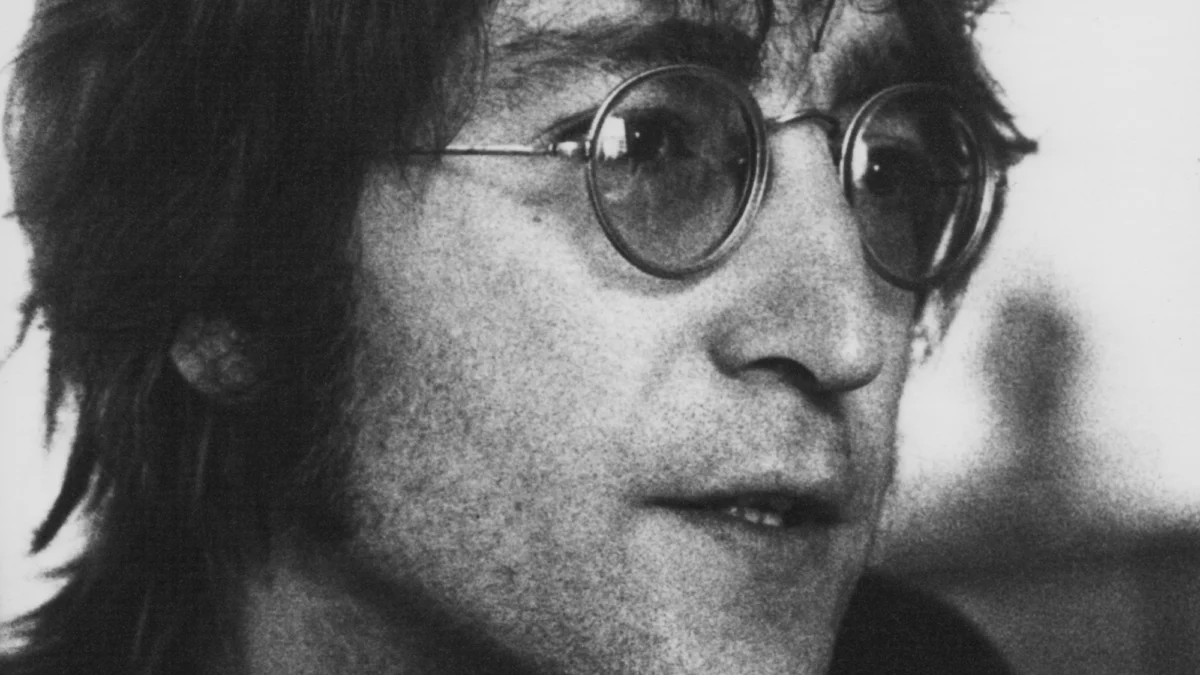
Released in August 1966 as the closing track of the seminal album Revolver, "Tomorrow Never Knows" marked the moment the recording studio ceased to be a mere room for capturing a performance and became an instrument in its own right. Composed primarily by John Lennon, the track was inspired by The Psychedelic Experience: A Manual Based on the Tibetan Book of the Dead by Timothy Leary, Ralph Metzner, and Richard Alpert. The song’s lyrical directive to "turn off your mind, relax and float downstream" signaled a departure from the romantic themes that had dominated the band’s earlier catalog.
Technologically, the production of "Tomorrow Never Knows" was unprecedented. Under the guidance of producer George Martin and engineer Geoff Emerick, The Beatles utilized techniques that were entirely foreign to pop music at the time. One of the most significant innovations was the use of tape loops. Each of the four band members and their staff created loops of saturated magnetic tape, which were then fed into the mixing console across multiple channels. Martin and Emerick "played" the faders of the mixing desk in real-time, fading the loops in and out to create a swirling, non-linear soundscape.
Furthermore, the track featured the first use of Artificial Double Tracking (ADT), a technique developed by Ken Townsend at Abbey Road Studios to automatically duplicate a vocal signal, giving it a thicker, more ethereal quality. To satisfy Lennon’s request that his voice sound like "the Dalai Lama singing from a hilltop," Emerick routed the vocal signal through a rotating Leslie speaker, a device normally reserved for Hammond organs. This created the oscillating, "underwater" effect that defines the track. The song’s rhythmic foundation—a heavy, compressed drum pattern played by Ringo Starr—remains a foundational influence on modern breakbeat and electronic dance music.
The Architecture of Sound: Brian Wilson’s Pocket Symphony
While The Beatles were experimenting in London, Brian Wilson of The Beach Boys was conducting a parallel revolution in Los Angeles. Released in October 1966, "Good Vibrations" was the culmination of Wilson’s "modular" recording method. Unlike traditional songs recorded in a few sessions, "Good Vibrations" was assembled over seven months across four different Hollywood studios: Gold Star, Western, Sunset Sound, and Columbia.
Wilson’s objective was to create what he termed a "pocket symphony." He recorded distinct sections of the song—the verses, the choruses, the bridge, and the coda—multiple times with different arrangements and instrumentations. He then edited these sections together, a process that was both physically and financially taxing. By the time of its completion, "Good Vibrations" had cost an estimated $50,000 to produce (equivalent to over $450,000 today), making it the most expensive single ever recorded up to that point.
The track’s instrumentation was equally radical for a pop hit. It featured a cello, a jaw harp, and most notably, the electro-theremin (often referred to as a Tannerin), which provided the eerie, high-pitched "woo-woo" sound during the choruses. This marked one of the first times an electronic instrument played a central role in a mainstream rock hit. Upon its release, the song reached number one on the Billboard Hot 100 and received universal acclaim from peers. Industry data indicates that the single sold over one million copies within months of its release, proving that the public was ready for complex, non-linear pop music. The success of "Good Vibrations" fundamentally changed how record labels viewed production budgets, granting artists greater autonomy and resources to pursue experimental visions.
The Counterculture Mainstreamed: Jefferson Airplane and the San Francisco Sound
As 1967 ushered in the "Summer of Love," the focus shifted to the burgeoning psychedelic scene in San Francisco’s Haight-Ashbury district. Jefferson Airplane’s "White Rabbit," released on the album Surrealistic Pillow, became the definitive anthem of this era. Written by Grace Slick while she was still a member of her previous band, The Great Society, the song utilized the imagery of Lewis Carroll’s Alice’s Adventures in Wonderland to provide a thinly veiled commentary on the sensory-altering effects of hallucinogenic drugs.
Musically, "White Rabbit" broke the standard pop mold by eschewing a traditional verse-chorus-verse structure. Instead, the song is a continuous, slow-building crescendo based on a Spanish bolero rhythm, heavily influenced by Maurice Ravel’s Boléro. The track begins with a brooding bassline and gradually adds layers of percussion and guitar, culminating in Slick’s powerful, operatic delivery of the final line: "Feed your head."
The song’s impact was twofold. First, it brought the subversive elements of the counterculture into the living rooms of mainstream America. Despite its overt drug references, "White Rabbit" reached number eight on the Billboard Hot 100, demonstrating that the "underground" sound had significant commercial viability. Second, it established Grace Slick as one of the first female rock stars to command the same level of authority and intensity as her male counterparts. Her vocal performance on "White Rabbit" paved the way for future generations of women in rock, from Janis Joplin to Patti Smith.
Chronology of Innovation: A Timeline of 1960s Sonic Shifts
To understand the magnitude of these changes, one must look at the timeline of the mid-to-late 1960s:
- 1964-1965: The "British Invasion" dominates the charts with traditional guitar-pop. The Beatles release Rubber Soul, showing the first signs of lyrical maturity and folk influence.
- April 1966: The Beatles begin recording "Tomorrow Never Knows," marking the start of the Revolver sessions.
- May 1966: The Beach Boys release Pet Sounds, an album that challenges the concept of the pop record and sets the stage for "Good Vibrations."
- August 1966: Revolver is released, introducing the world to studio-based experimentation.
- October 1966: "Good Vibrations" is released, redefining the complexity of the pop single.
- February 1967: Jefferson Airplane releases Surrealistic Pillow, featuring "White Rabbit."
- June 1967: The Monterey Pop Festival takes place, and The Beatles release Sgt. Pepper’s Lonely Hearts Club Band, solidifying the psychedelic era as a global phenomenon.
Broader Implications and Industry Legacy
The legacy of these three tracks extends far beyond their initial chart performance. They represent a fundamental shift in the "values" of the music industry. Before 1966, the single was the primary unit of currency in rock and roll. After the success of these experimental tracks, the "album-oriented rock" (AOR) era began. Musicians began to view the LP as a singular piece of art, leading to the rise of the concept album.
From a technical perspective, the innovations of George Martin, Brian Wilson, and the San Francisco scene laid the groundwork for entire genres. The multi-track layering and "modular" approach used in "Good Vibrations" became standard practice in the 1970s for bands like Queen and Pink Floyd. The tape loops and electronic manipulation in "Tomorrow Never Knows" are direct ancestors of ambient music, industrial rock, and hip-hop sampling.
Furthermore, the social implications were profound. These songs acted as a bridge between the avant-garde art world and the mass market. They proved that popular music could handle complex themes—philosophy, literature, and social rebellion—without losing its audience. The 1960s ended with rock music occupying a position of cultural prestige that it had never previously held. By 1969, the genre had moved from the "teen scream" era into the realm of "high art," a transition made possible by the adventurous spirit and technical curiosity of the artists who dared to experiment in the middle of the decade. Today, these three songs remain not just relics of a bygone era, but essential blueprints that continue to inform how music is written, recorded, and consumed in the 21st century.
