

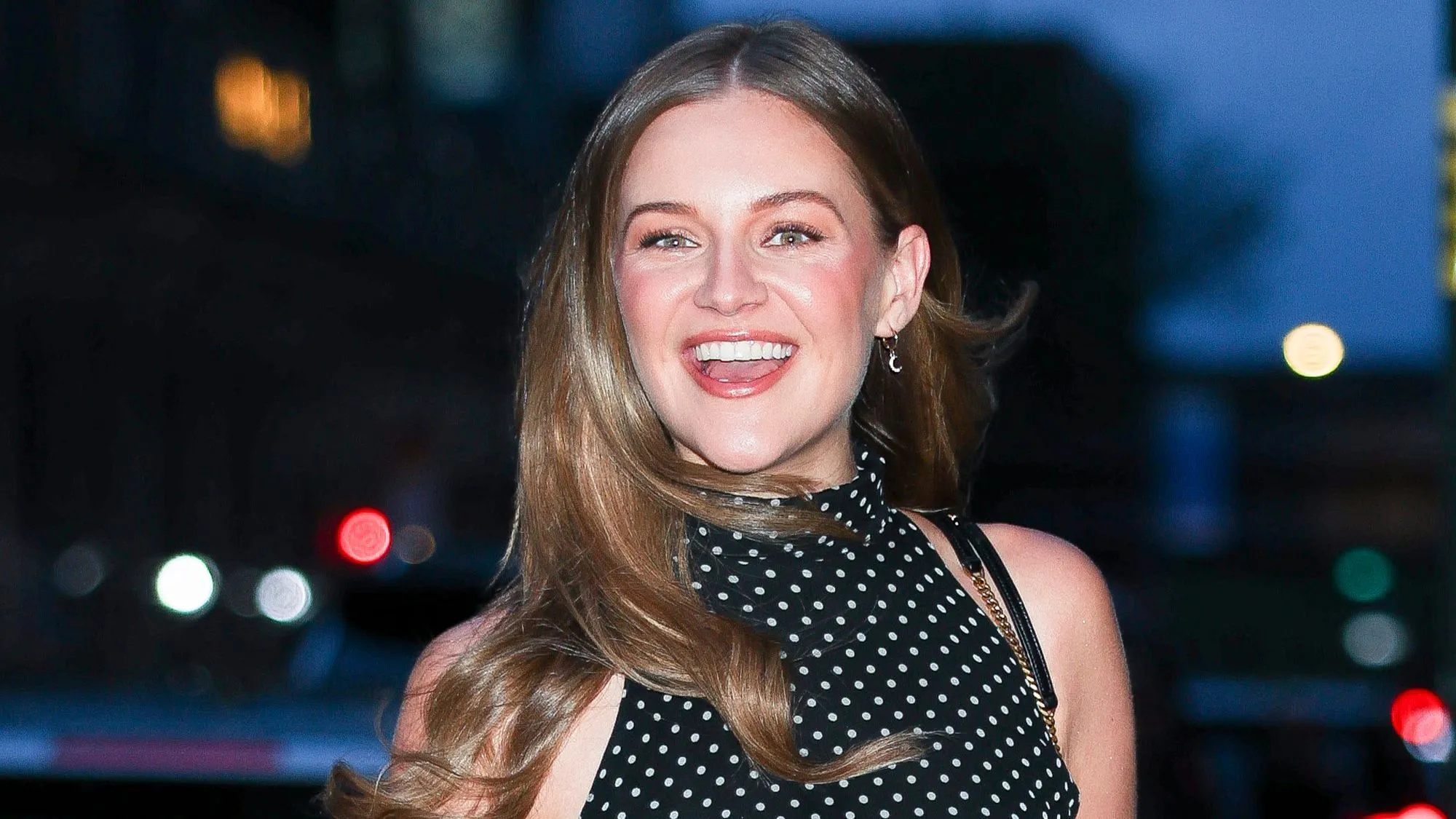
The landscape of American popular music has undergone a seismic shift over the last two decades, with country music transitioning from a regional preference to a dominant force on global streaming platforms. Central to this evolution is a specific subset of high-energy, "party-ready" tracks that serve as entry points for listeners who historically avoided the genre. These compositions, characterized by their rhythmic drive and universal lyrical themes, effectively dismantle the stereotypes often associated with Nashville’s output. By examining the works of Gretchen Wilson, Kelsea Ballerini, and Brooks & Dunn, industry analysts can trace the trajectory of country music’s broad appeal and its ability to capture a diverse demographic through the lens of celebratory, high-octane songwriting.
The Cultural Impact of Gretchen Wilson’s Here For The Party
In 2004, the country music industry was largely defined by polished, radio-friendly ballads and traditional narratives. Gretchen Wilson’s arrival signaled a paradigm shift. Her debut album, Here for the Party, and its title track, introduced a gritty, unapologetic persona that resonated with a demographic that felt underrepresented in the "Country Barbie" era of the late 1990s. The song "Here For The Party" serves as a masterclass in genre-blending, incorporating elements of Southern rock and classic honky-tonk while maintaining a tempo that appeals to mainstream rock and pop audiences.
Lyrically, the song focuses on the universal human desire for escapism. Wilson’s lyrics—"Well, I’m an eight ball shooting double-fisted drinking son of a gun"—established a rebellious, blue-collar identity that was both authentic and commercially viable. According to data from the Recording Industry Association of America (RIAA), the album Here for the Party was certified 5x Platinum, a rare feat for a debut artist in the genre. The title track peaked at number three on the Billboard Hot Country Songs chart and significantly crossed over into the mainstream consciousness, proving that "outlaw" energy could be packaged for a wide audience without losing its edge.
Wilson’s success paved the way for a more aggressive, female-led narrative in country music. Critics at the time noted that her "hard-partying" lyrics were not merely for shock value but represented a reclaiming of space for women in the genre who identified more with the "redneck" subculture than the suburban pop-country crossover movement. This authenticity is precisely what makes the track a "gateway" song; it offers a raw energy that transcends the "twang" that often deters new listeners.
Kelsea Ballerini and the Pop-Country Synthesis
If Gretchen Wilson brought the rock-and-roll edge to country, Kelsea Ballerini represents the sophisticated fusion of country storytelling with modern pop production. Her 2020 hit "Hole In The Bottle" exemplifies the evolution of the country party song for the social media age. While the song utilizes traditional country tropes—specifically the "drowning one’s sorrows" narrative—it does so with a wink and a nod, utilizing a playful, rhythmic cadence that mirrors the "whiskey-pop" trends of the early 2020s.
"Hole In The Bottle" was released during a period when the lines between genres were becoming increasingly blurred. Ballerini, who has frequently collaborated with pop artists like Halsey and The Chainsmokers, understands the sonic palette of the Gen Z and Millennial listener. The track’s success was bolstered by a high-profile remix featuring country legend Shania Twain, which served as a symbolic passing of the torch from one crossover pioneer to another.
From a data perspective, "Hole In The Bottle" became Ballerini’s sixth number-one single on the Billboard Country Airplay chart. Its performance on streaming services was equally impressive, garnering hundreds of millions of plays on Spotify and Apple Music. The song’s appeal lies in its relatability; it addresses heartbreak not through somber reflection, but through a lighthearted, self-deprecating excuse for a wild night. This emotional accessibility, paired with a beat that feels at home in both a Nashville honky-tonk and a metropolitan dance club, makes it a primary tool for genre conversion.
The Timeless Resonance of Brooks & Dunn’s Brand New Man
To understand the foundation of the modern country party anthem, one must look back to the early 1990s and the duo Brooks & Dunn. Their 1991 debut single, "Brand New Man," remains a staple of the genre and a testament to the enduring power of a high-energy "shuffle" beat. While the song’s lyrics focus on a transformative romantic experience—"I saw the light, I’ve been baptized / By the fire in your touch"—its musical arrangement is what truly drives its "party" status.
Brooks & Dunn were instrumental in the "Class of ’89" boom that brought country music to stadiums. "Brand New Man" spent two weeks at number one on the Billboard Hot Country Singles & Tracks chart and helped their debut album reach 6x Platinum status. The song’s longevity was further solidified in 2019 when the duo released a "rebooted" version featuring modern superstar Luke Combs. This collaboration introduced the track to a new generation of listeners, bridging the gap between the neo-traditionalism of the 90s and the stadium-country of the present day.
The song’s structure—characterized by Ronnie Dunn’s powerhouse vocals and a driving, rhythmic guitar line—provides an "upbeat, happiness-inducing" atmosphere that requires no prior knowledge of country music to appreciate. It is a quintessential example of how country music can utilize spiritual and redemptive metaphors within a secular, high-energy framework to create a "feel-good" anthem.
Supporting Data: The Rising Tide of Country Consumption
The effectiveness of these songs in converting non-fans is reflected in broader industry trends. According to the 2023 Luminate Midyear Music Report, country music consumption in the United States grew by 20.3% year-over-year, outpacing the growth of the overall music market. This surge is attributed largely to the "cross-pollination" of genres and the rise of artists who emphasize high-energy, relatable content over traditional genre boundaries.
Furthermore, a study by the Country Music Association (CMA) found that the "new country listener" is increasingly younger, more urban, and more diverse than in previous decades. These listeners often cite specific "anthem-style" songs as their entry point into the genre. Tracks like "Here For The Party," "Hole In The Bottle," and "Brand New Man" provide a familiar rhythmic structure that mimics pop and rock, making the transition into the broader country catalog more seamless for the uninitiated.
Analysis of Implications: Why the "Party Song" Formula Works
The success of these three tracks reveals a specific formula that Nashville has perfected to ensure the genre’s longevity. First, there is the element of "relatable rebellion." Whether it is Gretchen Wilson’s defiance of social norms or Kelsea Ballerini’s humorous take on self-medication, these songs allow listeners to inhabit a persona that is bold and uninhibited.
Second, the production quality of these tracks is designed for maximum sonic impact. Modern country production often employs the same compression and EQ techniques used in Top 40 pop, ensuring that the songs sound competitive when played on a multi-genre playlist. The "twang" is present, but it is balanced by heavy percussion and melodic hooks that are engineered for "earworm" status.
Finally, there is the "live" factor. Country music remains one of the most lucrative touring genres in the world. Songs like "Brand New Man" and "Here For The Party" are designed for the stadium environment. They encourage participation, sing-alongs, and a communal experience that is difficult to replicate in more introspective genres. This "live" energy translates through recordings and serves as a powerful advertisement for the genre as a whole.
Broader Impact on the Music Industry
The ability of country music to produce "party-ready" hits has forced other genres to take notice. The recent success of crossover projects—such as Beyoncé’s Cowboy Carter or Post Malone’s foray into country—is a direct result of the groundwork laid by these anthems. The industry has recognized that the "country" label is no longer a barrier to entry, but rather a stylistic choice that can enhance a song’s narrative depth and rhythmic appeal.
As streaming services continue to dominate music consumption, the "genre-less" playlist has become the standard. In this environment, a song’s "vibe" or "energy" is often more important than its categorical label. By leaning into the party-ready aesthetic, country music has secured its place in the global ear, ensuring that even those who claim to "hate country" find themselves singing along to the chorus of a Brooks & Dunn or Kelsea Ballerini hit.
The three songs discussed represent more than just chart-topping hits; they are cultural artifacts that illustrate the resilience and adaptability of the country genre. They prove that at its core, country music is about the human experience—the highs, the lows, and the celebrations in between. For the skeptic, these tracks offer an invitation to a party that, once joined, is difficult to leave.
