

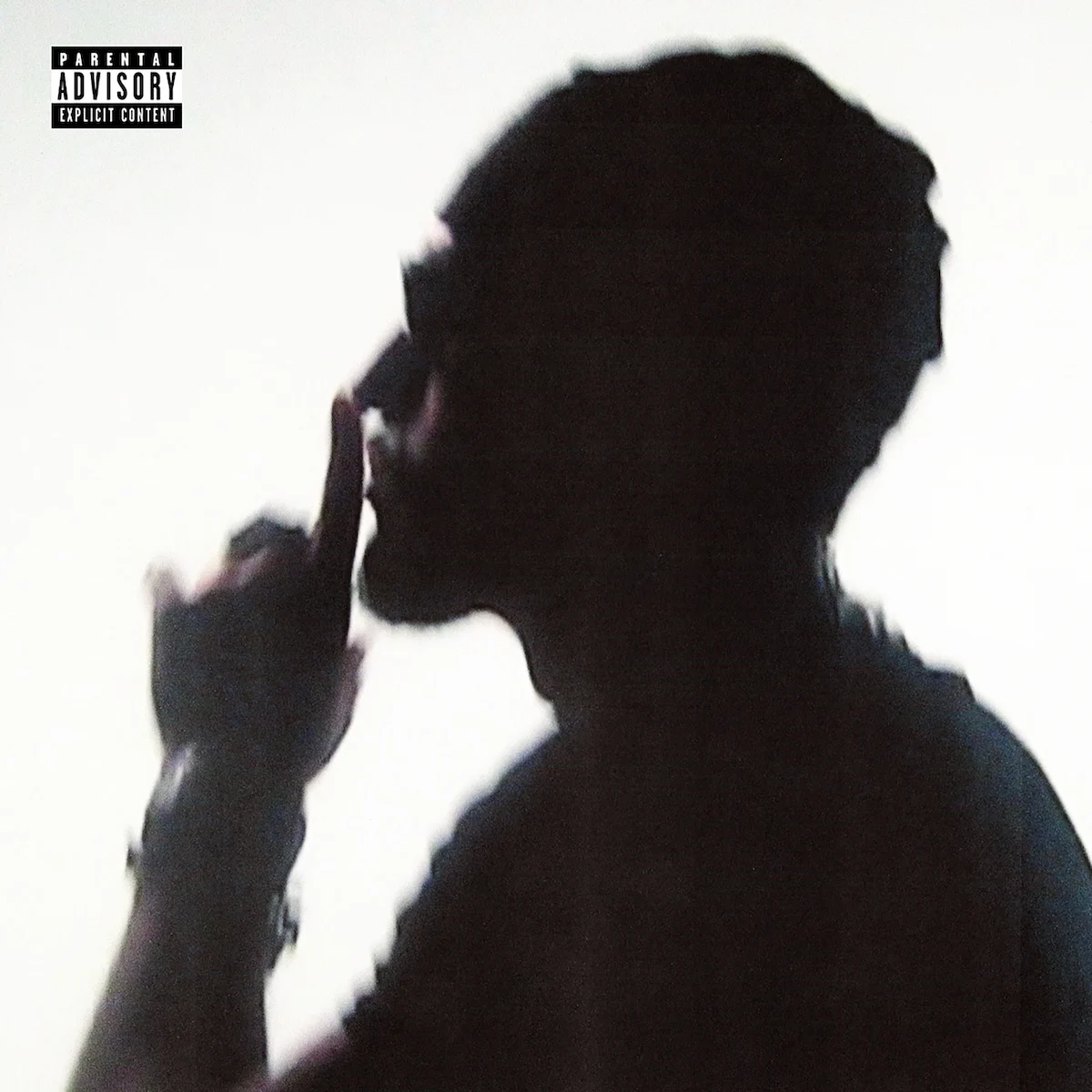
Earlier this week, the hip-hop community was abuzz with confusion and speculation following the mysterious disappearance of Yeat’s highly anticipated verse from Young Thug’s YSL Records compilation album, Slime Language 3. The removal, which occurred without public explanation, fueled intense rumors across social media platforms, with many speculating that a prominent artist had issued an ultimatum to Young Thug: either remove Yeat’s contribution or their own would be pulled from the project. This unfolding narrative has now taken a dramatic turn with the release of Yeat’s latest track, "ON NOTHING," which contains explicit lyrical jabs widely interpreted as direct accusations against superstar artist Travis Scott.
The track, which quickly gained traction upon its release, features Yeat repeatedly referencing Scott’s well-known alias, "La Flame," and delivering scathing criticisms that leave little room for ambiguity regarding his intended target. In the opening lines, Yeat raps, "I’ma put out that flame, it’s fin’ lame, uh, you goin’ out sad," setting an immediately confrontational tone. The lyrical assault intensifies as Yeat continues, "I don’t f with Flame, not a lot to say, if I saw a candle, I’d shush it/ What more could I say? You do what they tell you to say, you a motherf***in’ puppet." These lines, particularly the accusation of being a "puppet," strongly imply that the alleged ultimatum came from Scott, painting him as an artist who dictated terms and pressured Young Thug into making the controversial decision.
The Disappearing Verse: A Lingering Mystery
The initial controversy surrounding Yeat’s missing verse began subtly, with observant fans of the rising artist noticing its absence from various streaming platforms where Slime Language 3 was hosted. Yeat, known for his distinctive vocal delivery and innovative production choices, had been a significant addition to the YSL compilation, a series known for showcasing both established and emerging talent from Young Thug’s influential label and its affiliates. His appearance on such a high-profile project was seen as a major co-sign and a testament to his growing influence in the rap landscape.
The initial tracklist for Slime Language 3 had indeed featured Yeat, leading to considerable excitement among his fanbase. When the verse vanished, an immediate void was felt, and questions arose regarding the reasons behind such an unusual post-release alteration. Industry insiders and social media commentators quickly formulated theories, with the "ultimatum" rumor gaining the most traction. This theory posited that an unnamed, more established artist on the album, unhappy with Yeat’s presence or perhaps a perceived clash in artistic vision or market positioning, had leveraged their star power to force Young Thug to choose. The implications were significant, suggesting a hierarchical struggle within the collaborative environment of a major label project. For a verse to be removed after an album’s release is an uncommon occurrence, often indicative of significant behind-the-scenes pressure or unforeseen contractual disputes, intensifying the mystery and public curiosity.
Yeat’s Direct Accusation: A Lyrical Breakdown
"ON NOTHING" is not merely a subtle nod or a vague reference; it is a direct and forceful challenge. Yeat’s repeated use of "La Flame" is a critical identifier, a moniker synonymous with Travis Scott since the early days of his career. Scott himself has embraced the alias through song titles, ad-libs, and branding, making it instantly recognizable to anyone familiar with his work. By invoking this specific alias, Yeat removes any reasonable doubt about his target.
The lyrical content further solidifies the accusation. "I’ma put out that flame, it’s fin’ lame, uh, you goin’ out sad" is a direct attack on Scott’s artistic integrity and public image. The phrase "going out sad" in hip-hop parlance implies a loss of respect, a decline in stature, or behaving in a manner perceived as weak or desperate. This suggests Yeat views Scott’s alleged actions as undignified and petty. The subsequent lines, "I don’t f with Flame, not a lot to say, if I saw a candle, I’d shush it," reinforce his disdain and a desire to silence or diminish Scott’s influence.
Perhaps the most potent accusation comes with "What more could I say? You do what they tell you to say, you a motherf**in’ puppet." This line directly addresses the "ultimatum" rumor, portraying Scott not as the one making the demands, but as someone who is himself controlled by external forces or industry pressures, despite his superstar status. This angle adds a layer of complexity, suggesting that Scott might be a pawn in a larger game, or simply lacks the autonomy that his public persona suggests. This specific accusation, more than any other, provides a narrative link to the Slime Language 3* controversy, framing Scott as the artist who made the demand, but also implying a lack of genuine artistic freedom or authenticity on his part.
A Timeline of Controversy
The sequence of events leading to this public confrontation can be outlined as follows:
- Initial Release of Slime Language 3: The compilation album by Young Thug’s YSL Records is released, initially featuring a verse from Yeat. Fans anticipate and celebrate this collaboration, marking a significant moment for Yeat’s career trajectory.
- Early Week (Post-Release): Eagle-eyed fans and music consumers begin to notice that Yeat’s verse has been removed from Slime Language 3 across various streaming platforms. The alteration occurs quietly, without any official announcement or explanation from YSL Records or Young Thug.
- Mid-Week: Rumors begin to circulate widely across social media, particularly on Twitter and Reddit, suggesting that a major artist featured on the album issued an ultimatum to Young Thug, demanding Yeat’s verse be removed or they would pull their own contributions. The identity of this artist remained a subject of intense speculation, with several prominent names being thrown into the mix.
- Recent Days: Yeat releases "ON NOTHING." The track immediately goes viral due to its provocative lyrics, which directly target Travis Scott using his "La Flame" alias and specific accusations of being "lame" and a "puppet," thereby strongly implying Scott was the artist behind the alleged ultimatum. The music video for "ON NOTHING" is also released, providing a visual complement to the confrontational audio.
This rapid succession of events has effectively transformed a quiet editorial decision into a high-profile public dispute, showcasing the power of artist response in the digital age.
Industry Context: Power Dynamics and Rising Stars
This incident provides a stark illustration of the intricate power dynamics within the contemporary music industry. Yeat, while a rapidly ascending artist with a dedicated fanbase and unique sound, is still considered a newer force compared to Travis Scott, who commands global recognition, multi-platinum sales, and extensive brand partnerships.
Yeat’s rise to prominence has been characterized by his distinct "rage rap" sound, experimental production, and a strong online presence. Collaborating with Young Thug on Slime Language 3 was a significant milestone, solidifying his position as a noteworthy artist. For his verse to be removed would undoubtedly be perceived as a professional slight, potentially impacting future collaborations and industry relationships.
Travis Scott, on the other hand, is an undisputed titan of hip-hop, known for his elaborate live shows, innovative soundscapes, and significant cultural impact. His influence extends beyond music into fashion, gaming, and lifestyle. The idea of an artist of Scott’s stature issuing an ultimatum, while unconfirmed by his camp, highlights the considerable leverage top-tier artists hold over labels and fellow musicians, particularly when involved in collaborative projects. In the context of a compilation album, where multiple artists share space, potential conflicts of ego, branding, or creative direction are not uncommon, but rarely do they spill over into such a public confrontation.
Furthermore, the backdrop of Young Thug and YSL Records’ ongoing legal challenges (the RICO case) adds another layer of complexity. Young Thug’s current legal situation means that maintaining harmonious relationships with powerful artists and ensuring the continued success of YSL projects is paramount. This environment could potentially make the label more susceptible to demands from established figures, especially if those demands prevent further complications or ensure the participation of other key artists.
Silence from Key Players
As of the publication of this article, there has been no official statement or direct response from Travis Scott or his representatives regarding Yeat’s allegations. This silence is typical in such situations, as artists often prefer to let controversies subside naturally or respond through their own artistic output rather than engaging in direct public commentary, which can inadvertently legitimize the accusations.
Similarly, Young Thug and YSL Records have remained silent on the specific reasons behind the removal of Yeat’s verse from Slime Language 3. Given the sensitivity of the situation and Young Thug’s ongoing legal battles, a public statement addressing an internal artist dispute might be deemed strategically unwise. Any official comment could potentially fuel further speculation, create divisions, or even lead to contractual complications. The lack of official communication from either YSL or Scott’s camp leaves Yeat’s "ON NOTHING" as the primary public narrative regarding the incident.
Potential Ramifications and Broader Impact
The release of "ON NOTHING" and the ensuing controversy carry several potential ramifications for all parties involved and the broader hip-hop landscape:
- Escalation of Beef: The most immediate implication is the potential for an escalated feud between Yeat and Travis Scott. While Scott has yet to respond, the history of hip-hop is replete with diss tracks leading to extended lyrical battles, which can captivate audiences and generate significant media attention. A response from Scott, either directly or indirectly through music, would undoubtedly intensify the conflict.
- Public Perception: Yeat’s decision to directly address the issue through music could bolster his image as an artist unwilling to be disrespected or silenced, potentially endearing him further to his fanbase. Conversely, the allegations could cast a shadow over Travis Scott’s image, particularly the "puppet" accusation, if widely believed, suggesting a lack of artistic autonomy or an aggressive use of power.
- Commercial Impact: Diss tracks often generate significant buzz, leading to increased streams and sales for the involved artists. "ON NOTHING" is already seeing considerable attention, and any subsequent responses could further amplify this commercial effect, albeit stemming from controversy.
- Industry Standards for Collaborations: This incident could prompt discussions within the industry regarding the ethics and contractual specifics of artist collaborations, particularly concerning post-release alterations to albums. It highlights the often-opaque nature of label politics and artist agreements.
- Future Collaborations and Relationships: The incident could strain relationships between Yeat and artists associated with Travis Scott or YSL Records. While Young Thug and Yeat have previously collaborated, the lack of public support from YSL in this dispute might influence future decisions.
In conclusion, Yeat’s "ON NOTHING" has transformed a behind-the-scenes industry dispute into a very public declaration of war, specifically targeting Travis Scott. The track not only confirms the widely circulated rumors of an ultimatum but also adds a layer of accusation regarding artistic integrity. With no official statements from Travis Scott or YSL Records, the hip-hop community remains on edge, awaiting the next chapter in this unfolding saga, and pondering the long-term implications for the artists involved and the dynamics of power within the music industry. The embedded video for "ON NOTHING" below serves as Yeat’s unfiltered statement in this high-stakes confrontation.
