

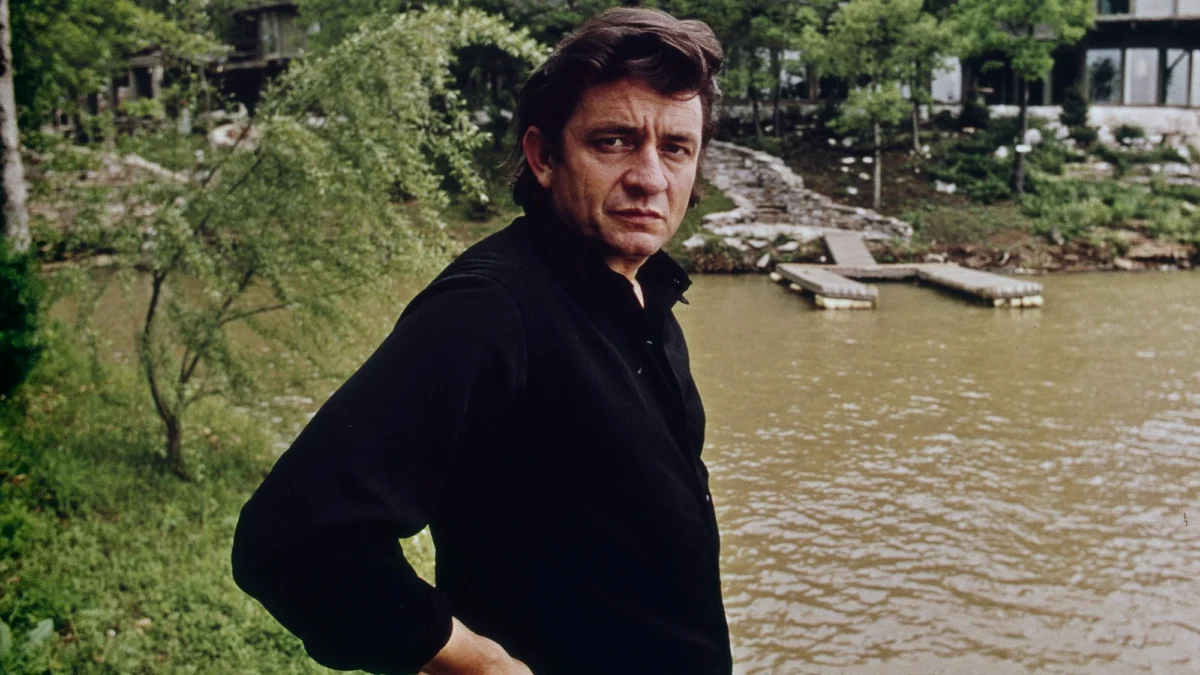
The year 1969 stands as a pivotal moment in the evolution of American country music, marking a transition from the polished "Nashville Sound" of the early 1960s to a more raw, socially conscious, and crossover-oriented era. As the United States grappled with the domestic upheaval of the Vietnam War, the Civil Rights Movement, and the burgeoning counterculture, country music emerged as a mirror reflecting the complexities of the American experience. This period saw the rise of the "Outlaw" movement’s precursors and the refinement of "Countrypolitan" production, which allowed the genre to achieve unprecedented success on pop charts. Central to this transformation were three landmark singles released in 1969: Johnny Cash’s "A Boy Named Sue," Loretta Lynn’s "Woman of the World (Leave My World Alone)," and Glen Campbell’s "Galveston." These tracks not only dominated the airwaves but also solidified the legendary status of their performers, leaving an indelible mark on the cultural landscape that resonates more than half a century later.
The Cultural and Political Landscape of 1969
To understand the impact of these songs, one must consider the historical backdrop of 1969. It was the year of the Apollo 11 moon landing, the Woodstock festival, and the inauguration of Richard Nixon. The "silent majority," a term coined by Nixon to describe conservative Americans who did not participate in the era’s protests, found their voice and their stories in country music. However, the genre was also expanding its reach. Television played a crucial role in this expansion, with The Johnny Cash Show and The Glen Campbell Goodtime Hour premiering in 1969. These programs brought country artists into the living rooms of urban and suburban families, breaking down regional barriers and proving that country music possessed a universal appeal.
Johnny Cash and the San Quentin Phenomenon
In February 1969, Johnny Cash recorded a live album at San Quentin State Prison, a follow-up to his highly successful At Folsom Prison (1968). The standout track from this session was "A Boy Named Sue," a humorous yet poignant narrative song written by the multidisciplinary artist Shel Silverstein. The song tells the story of a man whose father abandons him at age three, leaving him with only a guitar and the name "Sue." The protagonist grows up enduring ridicule, eventually hardening into a fighter and seeking vengeance against the father who gave him the feminine name.
The recording of the song was a high-stakes gamble. Cash had only recently received the lyrics from Silverstein and had not fully memorized them before the San Quentin performance. During the live recording, Cash can be seen reading from a lyric sheet placed on a music stand. The raw, unrehearsed nature of the performance resonated deeply with the incarcerated audience, who erupted in cheers when the protagonist finally confronts his father in a muddy alley.
Statistical Impact and Industry Recognition
"A Boy Named Sue" became Johnny Cash’s biggest hit on the Billboard Hot 100, peaking at No. 2 and spending three weeks at No. 1 on the Hot Country Songs chart. Its crossover success was a testament to Cash’s ability to bridge the gap between traditional country fans and the younger, rock-oriented generation. At the 1969 Country Music Association (CMA) Awards, Cash’s dominance was absolute; he won five awards, including Entertainer of the Year and Male Vocalist of the Year. "A Boy Named Sue" earned him the CMA for Single of the Year, a feat he would not repeat until 2003 with his haunting cover of Nine Inch Nails’ "Hurt."
The song also earned a Grammy Award for Best Country Vocal Performance, Male. Beyond the charts, the song contributed to the mythos of the "Man in Black" as a champion of the underdog and the marginalized. It demonstrated that country music could be irreverent, funny, and narratively complex all at once.
Loretta Lynn and the Voice of the Rural Woman
While Johnny Cash was addressing the struggles of the American male, Loretta Lynn was firmly establishing herself as the definitive voice for rural American women. Released in February 1969, "Woman of the World (Leave My World Alone)" became Lynn’s eighth No. 1 hit on the country charts. Unlike many of her previous hits, Lynn did not write this specific track; it was penned by Sharon Higgins. Nevertheless, the song fit perfectly into Lynn’s established persona of a fierce protector of her home and marriage.
The lyrics serve as a direct warning to a sophisticated, "city" woman who is attempting to seduce the narrator’s husband. The song highlights a class divide, contrasting the "bright lights" and worldliness of the antagonist with the simple, grounded life of the narrator. This theme of defending domestic stability against external threats was a recurring motif in Lynn’s 1969 output, which also included the Ernest Tubb duet "Who’s Gonna Take the Garbage Out" and the solo hit "To Make a Man (Feel Like a Man)."
Analysis of Gender Dynamics and Social Relevance
Loretta Lynn’s success in 1969 was part of a broader trend of female artists asserting more agency in Nashville. Although "Woman of the World" might appear traditional in its focus on domesticity, it showcased a woman taking an active, vocal role in managing her personal affairs. Lynn’s music often touched on controversial topics for the time, including birth control and divorce, though "Woman of the World" remained more within the bounds of conventional country themes.
By the end of 1969, Lynn was arguably the most successful woman in country music. Her ability to articulate the anxieties of working-class women—specifically the fear of losing one’s partner to the perceived glamour of urban life—ensured her a loyal fan base that would sustain her career for decades. The song spent 15 weeks on the country charts, peaking at the top spot in April 1969.
Glen Campbell and the Nuance of Galveston
Perhaps no song from 1969 captured the zeitgeist of the era more effectively than Glen Campbell’s "Galveston." Written by the prolific Jimmy Webb, the song is often cited as one of the greatest examples of the "Countrypolitan" style—a blend of country music with orchestral pop arrangements. "Galveston" is told from the perspective of a soldier stationed in a conflict zone, longing for his hometown in Texas and the woman he left behind.
While the song does not explicitly mention the Vietnam War, the context of its release made the connection inescapable for listeners. The lyrics "I clean my gun and dream of Galveston" and "I am so afraid of dying" struck a chord with a nation deeply divided over the ongoing military engagement in Southeast Asia. Campbell’s version was a significant departure from the original recording by Don Ho, which was slower and more somber. Campbell increased the tempo and added a driving rhythm section, creating a sense of urgency that reflected the tension of the time.
Chart Performance and Crossover Success
"Galveston" was a massive commercial success, reaching No. 1 on the Billboard Hot Country Singles chart and No. 4 on the Billboard Hot 100. It also topped the Adult Contemporary chart, illustrating Campbell’s broad appeal. The song served as the title track for his 1969 album, which was certified Platinum by the RIAA.
The success of "Galveston" was bolstered by Campbell’s television presence. As the host of The Glen Campbell Goodtime Hour, he utilized the medium to showcase his virtuoso guitar playing and clean-cut, approachable image. This "boy next door" persona made the song’s darker undertones regarding war and mortality even more impactful for the general public.
The Economic and Industrial Impact of 1969’s Hits
The success of these three singles contributed to a record-breaking year for the Nashville music industry. In 1969, country music record sales reached approximately $100 million, a staggering figure for the time. This economic boom led to increased investment in Nashville’s Music Row, with new recording studios and publishing houses opening to meet the demand.
Furthermore, the crossover success of Cash and Campbell paved the way for the "Country-Pop" era of the 1970s. It proved to major labels in New York and Los Angeles that country artists could move units in markets previously dominated by rock and pop. The 1969 CMA Awards, which were televised nationally for the second time that year, saw a significant increase in viewership, further cementing the genre’s status as a mainstream powerhouse.
Chronology of Key Releases in 1969
- February 1969: Loretta Lynn releases "Woman of the World (Leave My World Alone)."
- February 1969: Glen Campbell releases "Galveston."
- February 24, 1969: Johnny Cash records At San Quentin, including "A Boy Named Sue."
- March 1969: "Galveston" enters the Billboard Hot 100.
- April 1969: "Woman of the World" hits No. 1 on the Hot Country Songs chart.
- July 1969: Johnny Cash releases the single "A Boy Named Sue."
- August 1969: "A Boy Named Sue" reaches No. 1 on the Hot Country Songs chart and No. 2 on the Hot 100.
- October 1969: Johnny Cash sweeps the CMA Awards.
Legacy and Lasting Implications
The enduring popularity of these songs is evidenced by their continued presence in film, television, and digital streaming platforms. "A Boy Named Sue" remains a staple of American storytelling, frequently cited in discussions about the intersection of humor and music. "Woman of the World" is remembered as a cornerstone of Loretta Lynn’s legendary career, which saw her become the first woman to be named CMA Entertainer of the Year in 1972. "Galveston" was eventually designated the official anthem of the city of Galveston, Texas, and remains a haunting reminder of the personal costs of war.
In a broader sense, 1969 was the year country music grew up. It stopped being a niche regional genre and became a sophisticated, multi-billion-dollar industry capable of tackling complex social issues, experimenting with musical forms, and commanding the attention of the entire world. The artists who led this charge—Cash, Lynn, and Campbell—did more than just record hits; they defined the character of an era and ensured that country music would remain a vital part of the American cultural fabric for generations to come. Through the lens of these three songs, we see a genre at the height of its powers, navigating a changing world with grit, grace, and an unwavering commitment to the truth of the human experience.
