

The independent music sector has undergone a seismic shift over the last decade, transitioning from a peripheral segment of the entertainment world to a dominant force in the global market. According to recent industry reports, independent artists now represent one of the fastest-growing segments of the music business, collectively generating billions in annual revenue and outpacing the growth of major labels in terms of sheer volume of releases. However, this democratization of music production and distribution has created a saturated marketplace where talent alone is often insufficient for sustained success. In this high-competition environment, the ability to network effectively and forge strategic collaborations has become the primary differentiator between hobbyists and professional career musicians. Networking is no longer merely about "who you know" in a social sense; it is a critical business function that facilitates resource sharing, audience cross-pollination, and creative innovation.
The Evolution of the Independent Music Ecosystem
Historically, the path to musical success was linear and gatekept by a small number of record labels, radio programmers, and talent scouts. For an artist to expand their reach, they required an official introduction to these entities. The digital revolution of the 2000s and 2010s dismantled these barriers, but replaced them with the "paradox of choice." With over 100,000 tracks uploaded to streaming platforms like Spotify and Apple Music every day, the challenge has shifted from access to discovery.
Industry analysis suggests that collaborative tracks—songs featuring two or more artists—tend to perform 30% better on algorithmic playlists than solo releases. This is due to the "dual-audience" effect, where the followers of both artists are notified, doubling the initial engagement metrics that trigger platform recommendations. Despite these clear benefits, many independent musicians struggle with the logistical and psychological hurdles of networking. The following five strategies provide a framework for musicians to move beyond traditional social media interactions and build a robust professional network.
1. Cross-Disciplinary Engagement via Local Arts Scenes
One of the most overlooked avenues for musical networking is the broader local arts community. While musicians often gravitate toward other musicians, the most lucrative and unique opportunities frequently arise from cross-disciplinary partnerships. Local art galleries, independent theaters, and poetry collectives are rich environments for professional synergy.
For example, the rise of "immersive art experiences" has created a high demand for original soundscapes and atmospheric compositions. A musician who attends a gallery opening and connects with a visual artist may find an opportunity to score a three-month installation. This type of collaboration offers several professional advantages:
- Alternative Revenue Streams: Unlike streaming royalties, which require millions of plays to generate significant income, art installations and theater productions often provide upfront stipends or licensing fees.
- Diverse Audience Exposure: Performing or showcasing music in a non-traditional venue introduces the artist to a demographic that may not frequent local dive bars or music clubs.
- Brand Differentiation: Being associated with the high-art or theater world can elevate a musician’s brand, making them more attractive to sync licensing agents looking for "sophisticated" or "cinematic" sounds.
Chronologically, an artist’s integration into these scenes typically begins with attendance and observation, followed by "low-stakes" participation in open mics or community workshops, and eventually culminates in co-branded events or commissioned works.
2. Institutionalized Peer Review and Educational Workshops
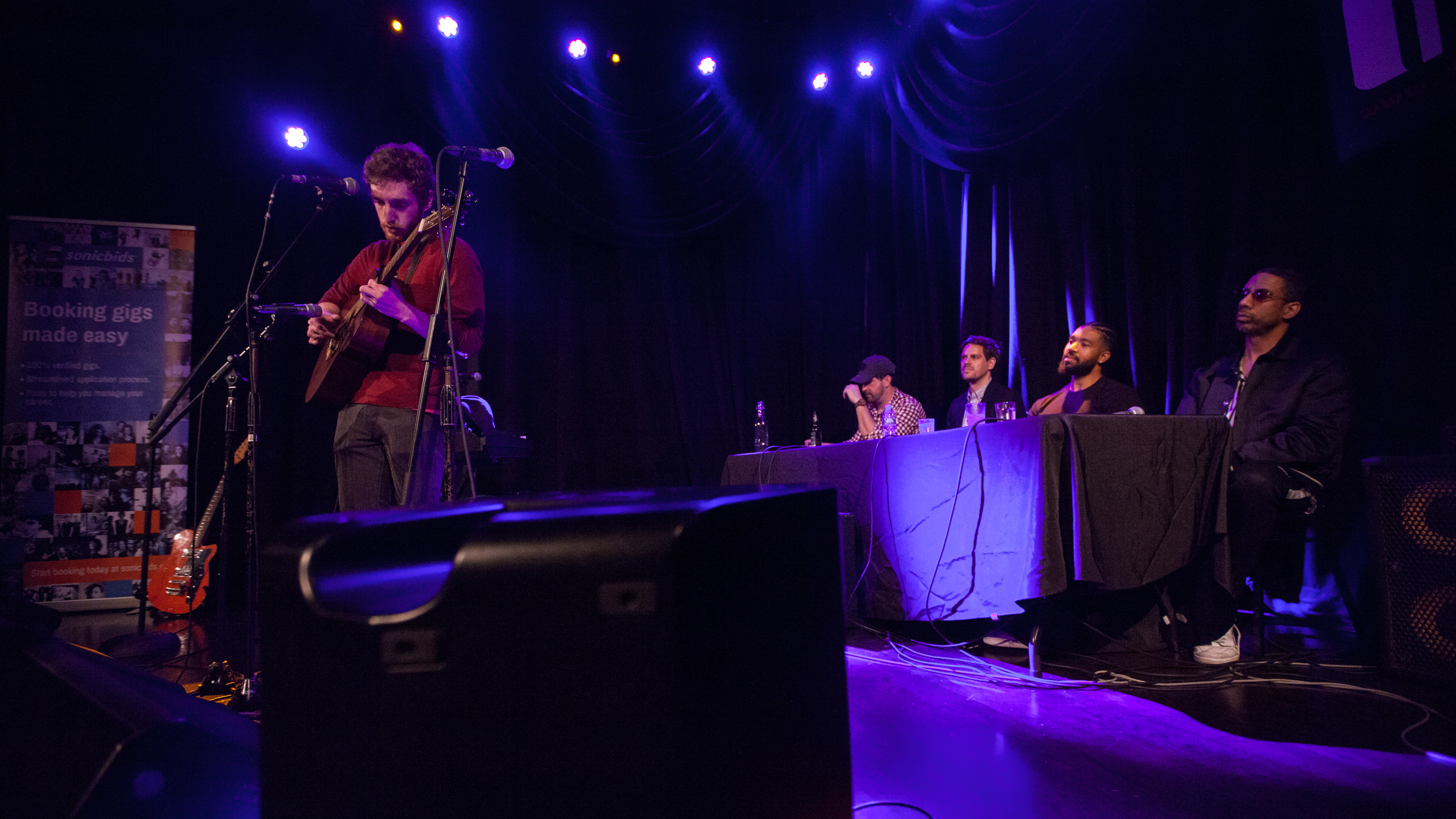
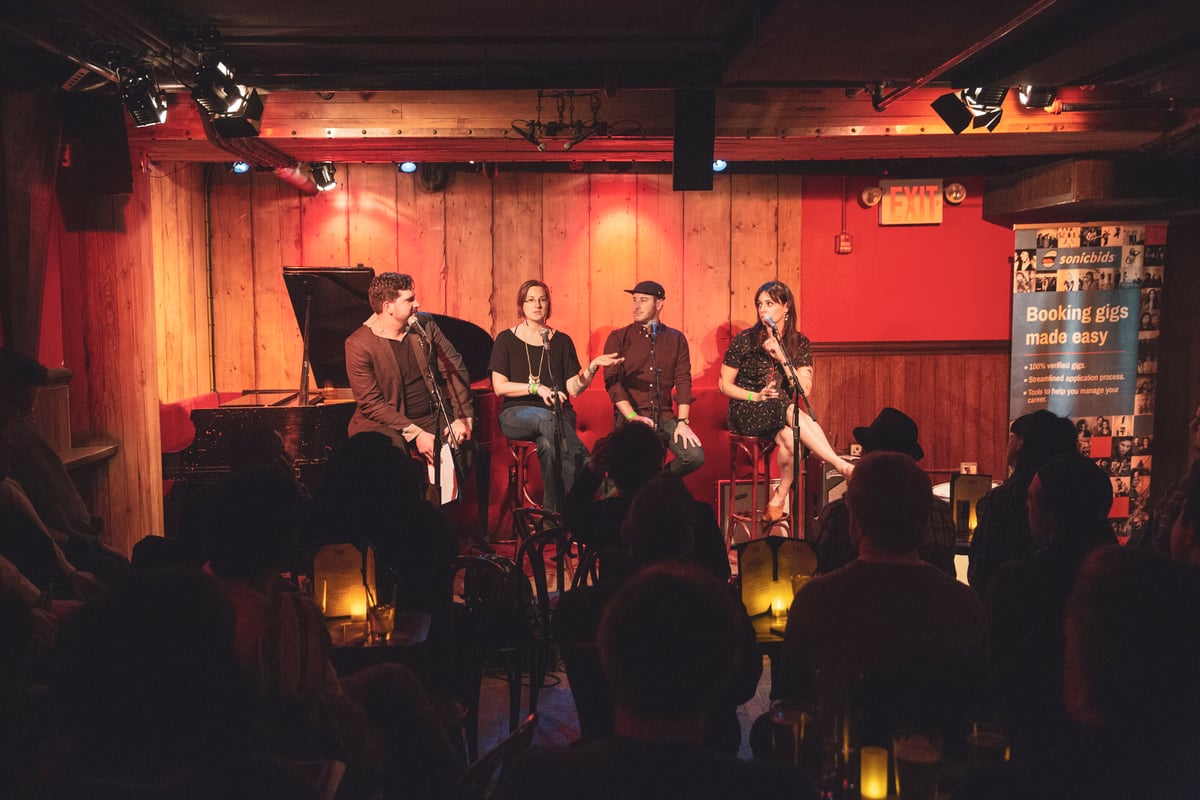
The "lonely genius" trope is increasingly being replaced by the "collaborative collective" model. Organizations like Sonicbids have pioneered events such as the Feedback Collective, which includes panel discussions and songwriting workshops. These structured environments remove the awkwardness of traditional networking by providing a shared objective: the improvement of the craft.
In a typical songwriting workshop, musicians are placed in small groups to critique each other’s work or co-write a piece within a set timeframe. This serves as a "stress test" for potential long-term collaborations. It allows an artist to assess a peer’s work ethic, technical proficiency, and personality before committing to a formal project.
Data from music education surveys indicate that artists who participate in regular peer-review sessions see a 40% faster improvement in their production quality compared to those who work in isolation. Furthermore, these workshops often feature industry professionals—producers, engineers, and managers—who use these sessions to scout for disciplined talent. The "Feedback Collective" model demonstrates that when the focus is placed on education and mutual growth, networking happens organically as a byproduct of professional development.
3. Leveraging Niche Online Platforms for Asynchronous Collaboration
While mainstream social media platforms like Instagram and TikTok are essential for fan engagement, they are often inefficient for professional networking due to high noise-to-signal ratios. Professional musicians are increasingly turning to specialized platforms such as BandLab, SoundCloud, and Discord servers dedicated to music production.
BandLab, which reported over 60 million users in 2023, provides a cloud-based Digital Audio Workstation (DAW) that allows musicians to collaborate on tracks in real-time or asynchronously from different parts of the world. This technological advancement has birthed the "global bedroom pop" movement, where a vocalist in Seoul can collaborate with a producer in Berlin and a guitarist in Nashville without ever meeting in person.
To maximize these platforms, artists should:
- Contribute Value First: Instead of asking for favors, musicians should offer their skills—such as providing a high-quality vocal hook or a drum loop—to existing projects.
- Maintain Professional Assets: Successful digital networking requires having "stems" (individual track files) and high-quality demos ready for immediate sharing.
- Engage in Metadata Literacy: Ensuring that all collaborative digital files are properly tagged with creator credits and contact information is vital for future royalty distribution.
4. Strategic Volunteering and the "Inside-Out" Access Model
Access to high-level industry professionals is often gated by "gatekeepers" like assistants and managers. However, music festivals and large-scale industry conferences (such as SXSW or NAMM) offer a unique loophole through volunteering.
Volunteering in departments like artist relations, stage management, or media hospitality places an independent musician in the same physical space as established artists and industry executives. This provides a "behind-the-scenes" perspective on how the industry functions at scale. A volunteer working in the artist lounge may have the opportunity to engage in a brief, professional conversation with a touring manager or a festival booker—connections that are nearly impossible to make via cold email.

Industry veterans often cite "reliability" as the most sought-after trait in a collaborator. By demonstrating professionalism as a volunteer—showing up on time, following directions, and handling high-pressure situations—a musician builds a reputation for reliability that precedes their music. This "inside-out" approach allows an artist to build a network based on demonstrated character rather than just promotional hype.
5. Fan-Centric Networking and the Direct-to-Fan (D2F) Model
The final, and perhaps most underutilized, networking resource is the artist’s existing fanbase. The modern music industry operates on the "1,000 True Fans" theory, which posits that an artist does not need mainstream stardom to be successful, but rather a dedicated core of supporters. These fans often have their own professional networks that can be leveraged.
Musicians can utilize surveys, Discord communities, or Patreon-style platforms to ask their audience for input on future collaborations. This does more than just provide data; it creates a sense of "psychological ownership" among fans. When a fan suggests a local artist for a collaboration and that project comes to fruition, that fan becomes a highly motivated brand ambassador for the song.
Furthermore, fans often include professionals from other industries—graphic designers, videographers, or legal experts—who may be willing to trade their services for exclusive access or credit. This "community-sourced" business model reduces the overhead costs for the independent musician while strengthening the bond with their audience.
Analysis of Implications and Future Trends
The shift toward hyper-collaboration has profound implications for the future of music copyright and revenue. As more tracks involve multiple stakeholders, the complexity of "split sheets" (documents defining ownership percentages) increases. This has led to the rise of automated royalty-splitting tools provided by distributors like DistroKid and UnitedMasters.

From a creative standpoint, the "de-siloing" of music genres is a direct result of these networking strategies. When a rock guitarist jams with a jazz saxophonist or a folk singer-songwriter collaborates with an EDM producer, the resulting "fusion" genres drive the evolution of popular music. This trend is reflected in the Billboard charts, where "genre-fluid" tracks are increasingly common.
For the independent musician, the message is clear: the era of the isolated artist is over. The modern industry rewards those who view themselves as part of a larger ecosystem. By engaging with local art scenes, participating in professional workshops, utilizing specialized digital tools, volunteering for industry access, and empowering their fanbase, musicians can build a resilient professional network. These connections do more than just "amplify" music; they provide the structural support necessary for a long-term, sustainable career in an ever-changing digital landscape. Networking, when executed with a professional and strategic mindset, is the most powerful tool in an independent artist’s arsenal.
