

The evolution of popular music has frequently been defined by the hook, a musical concept—often a short riff, passage, or phrase—specifically engineered to remain in the listener’s memory. Within the genre of classic rock, the efficacy of a track is often measured by the strength of its chorus, the recurring section that provides the emotional and melodic resolution to the narrative established in the verses. Commercial success in the rock medium historically relies on a synergy of sophisticated songwriting, technical proficiency in instrumentation, and a vocal delivery that resonates with a broad demographic. By examining pivotal releases from the mid-1960s to the mid-1990s, musicologists and industry analysts can identify how specific structural choices in the chorus contributed to the longevity and cultural dominance of certain compositions. This analysis focuses on the technical and historical foundations of some of the most enduring choruses in the rock canon, exploring their impact on the industry and their continued relevance in the digital age.
The 1960s Foundations: The Rolling Stones and the Distorted Hook
The year 1965 marked a significant turning point in the production of rock music with the release of "(I Can’t Get No) Satisfaction" by The Rolling Stones. While the 1960s were characterized by the "British Invasion," this specific track introduced a level of sonic grit that would eventually define the hard rock genre. The chorus of "Satisfaction" is built upon a foundation of structural simplicity and rhythmic repetition, a formula that has since become a standard in pop-rock composition.
According to historical recording accounts, the song’s primary riff—and the subsequent chorus hook—was conceived by guitarist Keith Richards in a dream. The technical innovation that propelled the chorus into the cultural zeitgeist was the use of the Gibson Maestro Fuzz-Tone FZ-1 pedal. At the time, the distorted "fuzz" sound was largely considered a mistake or a technical glitch. Richards initially intended the fuzz guitar to be a placeholder for a horn section, yet the visceral impact of the distorted riff combined with Mick Jagger’s aggressive vocal delivery created a template for the modern rock anthem.
The chorus serves as a socio-political statement, reflecting the growing disillusionment of the youth of the 1960s. Data from the era confirms the track’s immediate impact; it was the first Rolling Stones single to reach number one on the Billboard Hot 100, maintaining that position for four consecutive weeks. To date, the song remains a cornerstone of the band’s catalog, with over 500 million streams on digital platforms, illustrating the enduring power of a chorus that captures a specific cultural frustration through a repetitive, high-energy hook.
The 1970s Transition: The Beatles and the Anthemic Ballad
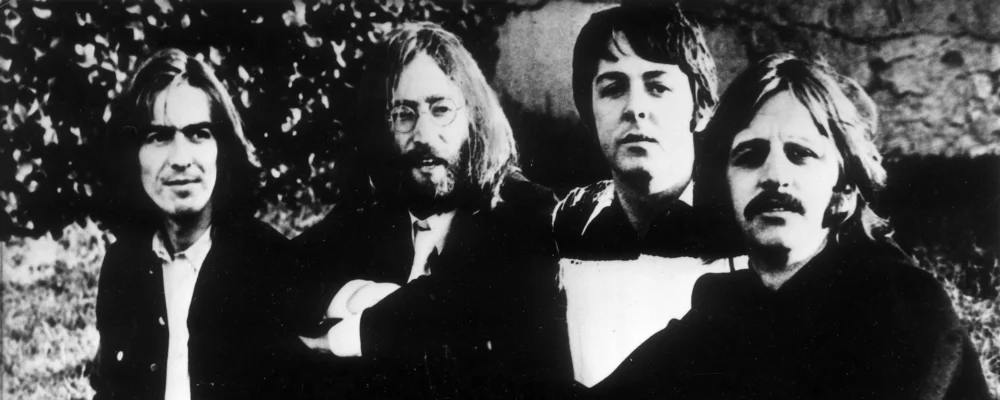
By 1970, the landscape of rock was shifting from the raw energy of the mid-60s toward more complex, emotive, and often orchestral arrangements. The Beatles’ "Let It Be" stands as a definitive example of the "anthemic ballad" chorus. Unlike the aggressive, riff-driven chorus of "Satisfaction," the chorus of "Let It Be" relies on a gospel-inspired chord progression (I–V–vi–IV) and a soaring vocal performance by Paul McCartney.
The recording history of "Let It Be" is intertwined with the internal dissolution of the band. Recorded during the "Get Back" sessions in early 1969 but not released as a single until March 1970, the song served as a symbolic bookend to the group’s career. The chorus is characterized by its communal quality, utilizing backing vocals that suggest a secular hymn. McCartney has stated in various interviews that the inspiration for the lyrics and the reassuring tone of the chorus came from a dream about his mother, Mary, during a period of intense professional stress.
The track’s commercial performance was substantial, debuting at number six on the Billboard Hot 100—the highest debut at the time—and eventually reaching the top spot. The structural brilliance of the "Let It Be" chorus lies in its accessibility; the melody is simple enough for mass participation, yet the arrangement, featuring Billy Preston on organ and a poignant guitar solo by George Harrison, provides a layer of musical depth that satisfied critical standards. This duality ensured the song’s placement in the Library of Congress’s National Recording Registry, cementing its status as a foundational text in rock history.
The 1990s Revival: Oasis and the Britpop Wall of Sound
The mid-1990s saw a resurgence of the classic rock aesthetic through the Britpop movement, with Oasis emerging as the primary architects of the era’s most recognizable choruses. Their 1995 single "Don’t Look Back In Anger" is frequently cited as a masterclass in melodic construction. Written by Noel Gallagher, the track moved away from the more cynical "grunge" sound dominant in the United States, favoring a celebratory, expansive sound reminiscent of 1970s arena rock.
The chorus of "Don’t Look Back In Anger" is notable for its dynamic shift. While the verses remain relatively restrained, the chorus explodes into a high-register vocal delivery that demands audience participation. Technically, the song utilizes a standard pop-rock structure but enhances the chorus through "the wall of sound" production technique, layering multiple guitar tracks and heavy percussion to create a sense of grandiosity.
In terms of market impact, the single was a massive success, becoming the band’s second number-one single in the United Kingdom and reaching multi-platinum status. A significant aspect of the song’s legacy is its "escape from memification." Unlike the band’s other major hit, "Wonderwall," which became the subject of various internet parodies, "Don’t Look Back In Anger" has maintained a level of prestige as a serious rock anthem. This was evidenced in 2017 when the song became an impromptu anthem of resilience following the Manchester Arena bombing, demonstrating how a powerful chorus can transition from a commercial product to a tool for social cohesion.
Comparative Chronology and Industry Impact
To understand the trajectory of these choruses, one must look at the timeline of rock’s evolution and the data surrounding these releases.
- 1965: "(I Can’t Get No) Satisfaction" introduces the riff-based chorus, peaking at No. 1 in both the US and UK. It establishes the "fuzz" sound as a legitimate tool in rock production.
- 1970: "Let It Be" introduces the piano-led, gospel-influenced chorus to the rock mainstream, peaking at No. 1 and signaling the transition to the more polished production of the 1970s.
- 1995: "Don’t Look Back In Anger" revitalizes the 60s/70s anthem for a new generation, peaking at No. 1 in the UK and becoming a definitive track of the Britpop era.
Data from the Recording Industry Association of America (RIAA) and the Official Charts Company (UK) indicates that these three tracks share a commonality in their "long-tail" performance. While many hits experience a sharp decline in listenership after their initial release, these songs have maintained high levels of radio airplay and digital consumption for decades. Industry analysts attribute this to the "harmonic resonance" of their choruses—the way the melody and lyrics interact to create a feeling of familiarity even upon first listen.
Technical Analysis of the "Hair-Back" Effect
The phrase "blow your hair back" in a musical context refers to the visceral, often physical reaction a listener has to a sudden increase in volume, harmonic complexity, or emotional intensity. In the three aforementioned tracks, this is achieved through specific engineering and compositional techniques:
- Dynamic Range: In "Don’t Look Back In Anger," the transition from the pre-chorus to the chorus involves a significant increase in decibel levels and the introduction of crashed cymbals, creating a "burst" effect.
- Vocal Texture: In "Satisfaction," Mick Jagger uses a raspier, more percussive vocal style in the chorus compared to the verses, which increases the "edge" of the track.
- Harmonic Resolution: In "Let It Be," the chorus provides a resolution to the tension of the verses by returning to the root key in a way that feels emotionally satisfying, a technique often used in liturgical music to evoke a sense of peace.
Broader Implications and Cultural Legacy
The success of these choruses has had a profound impact on how record labels and songwriters approach the creation of rock music. The "chorus-first" mentality dominated the industry throughout the 1980s and 90s, leading to the era of the "power ballad" and "stadium rock." However, the examples set by The Rolling Stones, The Beatles, and Oasis remain the gold standard because they balanced commercial accessibility with genuine artistic innovation.
From a journalistic perspective, the enduring nature of these songs suggests that while production trends change—moving from mono recording to multi-track analog and finally to digital—the fundamental human response to a well-crafted melody remains constant. The chorus is the bridge between the artist’s personal expression and the audience’s collective experience. As the music industry continues to fragment into niche genres and streaming-driven micro-trends, the "classic rock chorus" stands as a testament to the power of a universal hook to unify diverse audiences across generations.
The historical data, combined with technical analysis of song structure and vocal performance, confirms that the effectiveness of these choruses is not accidental. It is the result of a deliberate blend of innovation and tradition. Whether through the distortion of a 1965 guitar pedal, the gospel chords of a 1970 piano, or the 1995 revival of the grand anthem, these songs continue to define the parameters of what a successful rock composition can achieve. They are not merely tracks on an album but cultural artifacts that continue to influence the technical and emotional landscape of modern music.
