

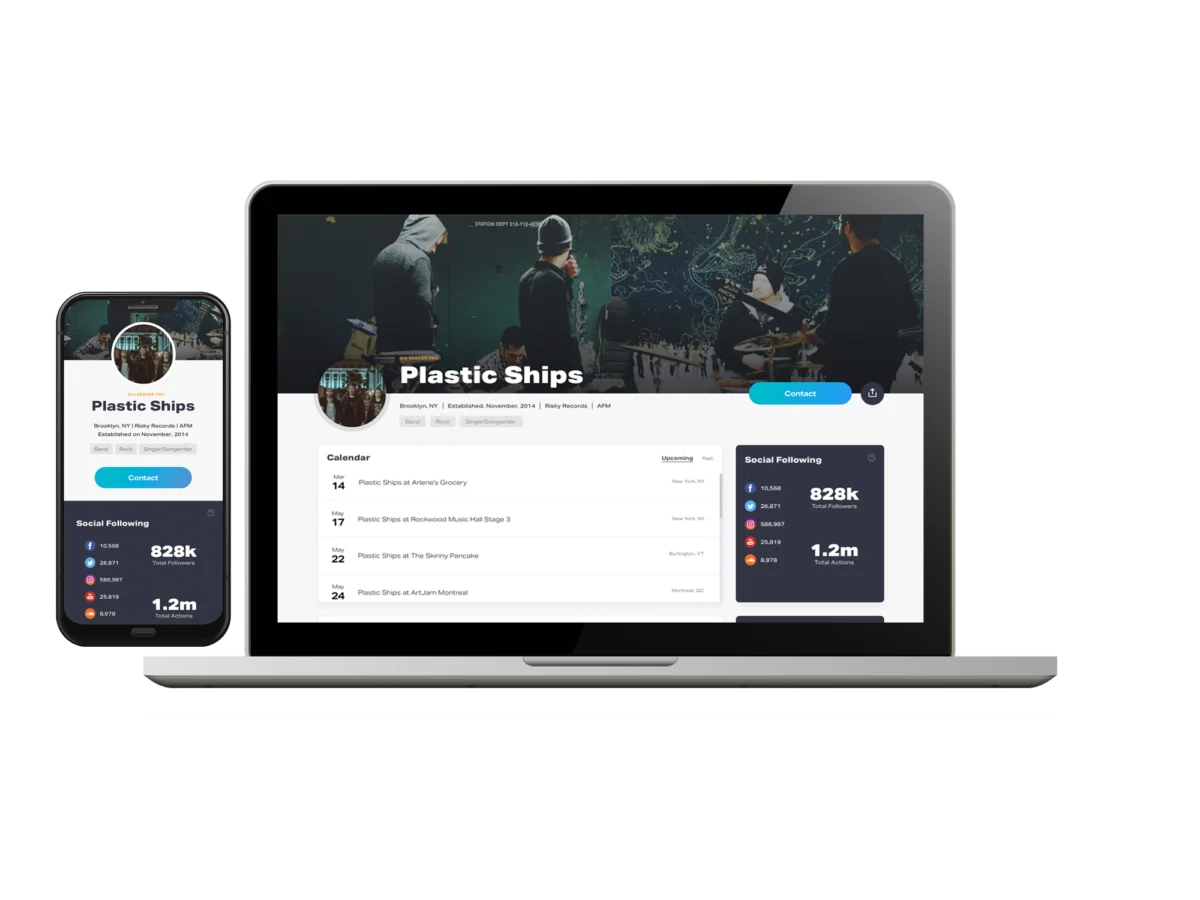
The contemporary music industry is characterized by an unprecedented volume of content production, with data indicating that over 100,000 new tracks are uploaded to streaming platforms every day. In this saturated environment, the Electronic Press Kit (EPK) has emerged as a fundamental professional requirement for independent artists seeking to transition from local performers to internationally recognized professionals. Far more than a mere digital portfolio, the EPK serves as a centralized hub of information that synthesizes an artist’s branding, musical output, and commercial viability into a single, accessible format. As the industry continues to evolve away from traditional gatekeeping models toward a more data-driven and decentralized structure, the ability of an artist to present a cohesive and professional image via an EPK has become a primary determinant of success in securing bookings, press coverage, and representation.
The Historical Evolution of Music Industry Promotion
To understand the current necessity of the EPK, one must examine the historical context of artist promotion. Prior to the digital revolution of the late 1990s and early 2000s, independent artists relied on physical press kits. These "press packs" typically consisted of a physical CD or cassette tape, a printed biography, a high-gloss 8×10 photograph, and a folder of photocopied newspaper clippings. The logistical burden of these kits was significant; artists faced high costs for printing and postage, while industry professionals—including A&R executives and festival talent buyers—found themselves overwhelmed by physical storage requirements.
The transition toward digital kits began in earnest in 2001 with the launch of platforms such as Sonicbids, which standardized the digital submission process for major festivals like South by Southwest (SXSW). This shift marked a turning point in the industry, moving from a "physical-first" model to a "digital-only" standard. Today, the EPK is no longer a secondary option but the primary interface through which the professional music world interacts with new talent. The modernization of this tool has allowed for the integration of real-time streaming data, social media metrics, and high-definition video, providing a comprehensive view of an artist’s trajectory that was impossible in the era of physical media.
The Architecture of a High-Impact Electronic Press Kit
A professional EPK must function as a concise representation of an artist’s creative and commercial identity. Industry experts suggest that the effectiveness of an EPK is often determined within the first thirty seconds of a professional’s review. Consequently, the structure must be intuitive and the content high-quality.
The foundational elements of a modern EPK include a professionally written biography, which should be offered in varying lengths—a "tweet-sized" elevator pitch, a one-paragraph summary, and a full-length narrative. This allows journalists and promoters to quickly find the version that fits their specific needs. Following the biography, the music section remains the centerpiece. Rather than providing a link to an entire discography, successful EPKs highlight the artist’s strongest tracks, often accompanied by streaming statistics. For example, an artist who has achieved 10,000 streams within the first month of a release provides a quantifiable metric of audience engagement that signals market potential to a booking agent.
Visual assets are equally critical. High-resolution promotional photos (300 DPI for print) and professional music videos or live performance footage are essential for media outlets and festival organizers. These visual components allow talent buyers to assess the artist’s "stage presence" and aesthetic fit for specific events. Finally, the inclusion of "social proof"—such as press quotes, awards, and testimonials from reputable venues—serves to validate the artist’s credibility in a crowded marketplace.
Streamlining Communication in a High-Velocity Market
One of the most significant advantages of a well-maintained EPK is the optimization of communication between artists and industry professionals. In a professional environment where talent buyers and music journalists receive hundreds of inquiries daily, the friction caused by missing information or broken links can result in an immediate rejection of an artist’s pitch.
The EPK solves this by consolidating all necessary assets into a single URL. This "one-stop-shop" approach respects the time of busy professionals. Instead of an artist sending multiple emails with large attachments—which often trigger spam filters or exceed inbox limits—they can provide a single, professional link. This streamlined workflow is particularly vital for booking agents who may be coordinating lineups for dozens of venues simultaneously. By providing a ready-to-use kit, the artist effectively does the preliminary work for the promoter, making it easier for the promoter to say "yes."
Establishing Professional Credibility and Market Authority
In the independent sector, where artists lack the institutional backing of major labels, the EPK serves as a proxy for a management team. A polished, comprehensive EPK signals that an artist is serious about their career and understands the business side of the industry. This perception of professionalism is a key differentiator in the selection process for high-profile opportunities.
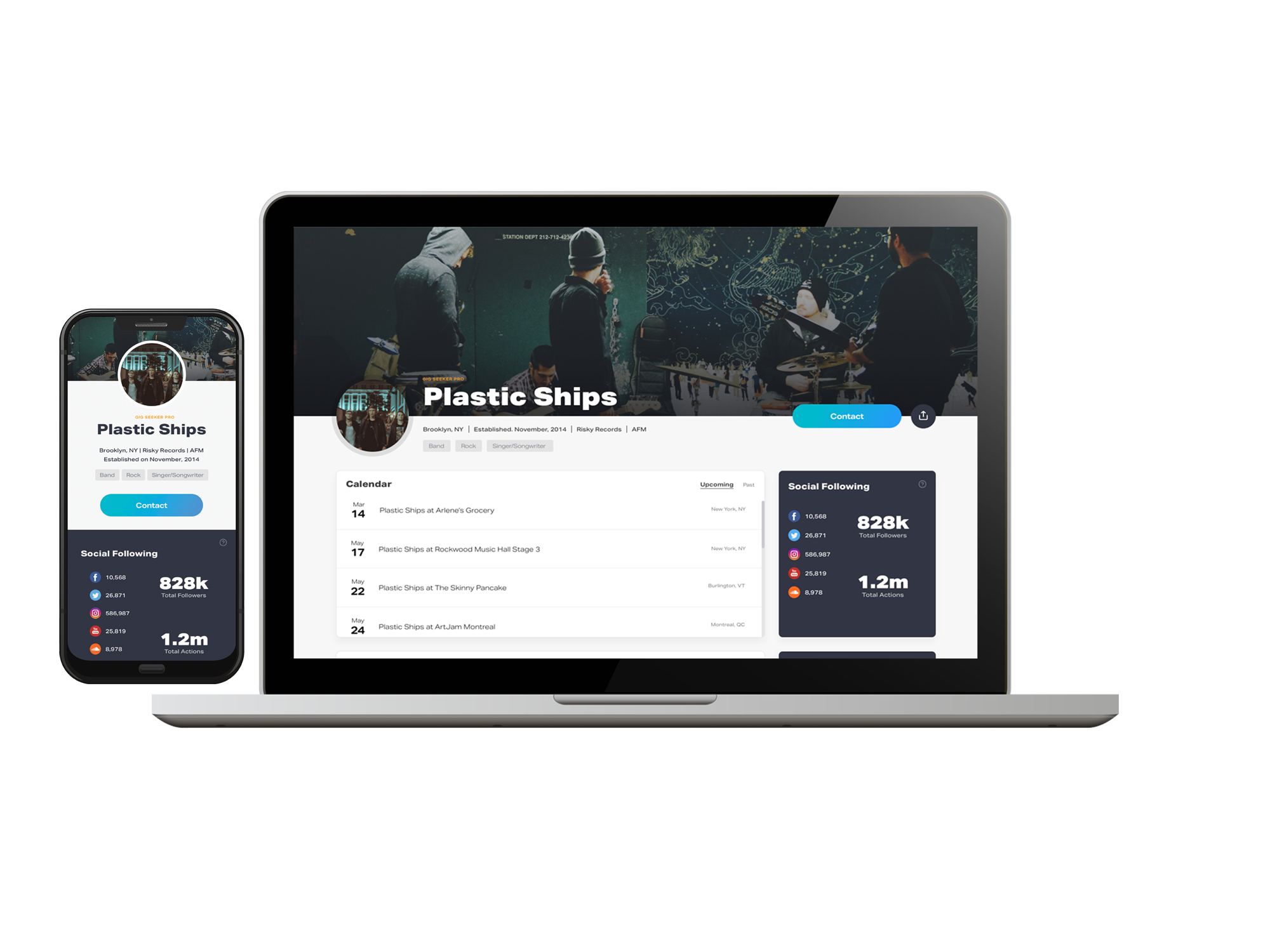
Industry analysts note that talent buyers are risk-averse; they prefer to book artists who demonstrate reliability and a clear brand identity. When an EPK features endorsements from recognized media outlets or highlights successful past performances, it mitigates the perceived risk for the promoter. Furthermore, the presence of a professional EPK distinguishes an artist from the "hobbyist" tier of performers. In a field where talent is abundant, the distinction often lies in the presentation. An artist who presents a professional digital resume is viewed as a partner in the promotion of an event, rather than just a service provider.
Accessibility and the Global Reach of Digital Portfolios
The digital nature of the EPK ensures that an artist’s materials are accessible 24/7, across all geographical boundaries. This global accessibility is a cornerstone of modern music discovery. A talent buyer in London can review the kit of an artist in Nashville at any hour, without the delays associated with time zones or physical shipping.
Moreover, the mobile-friendly nature of contemporary EPK platforms allows industry professionals to review talent on the go. Whether at a conference, on a tour bus, or in a meeting, an agent can access an artist’s music and statistics with a few taps on a smartphone. This constant availability maximizes the "window of opportunity" for an artist. In many cases, a sudden vacancy in a festival lineup or a last-minute opening for a touring act requires a rapid decision. Artists with a prepared, shareable EPK are the only ones capable of responding to these high-speed opportunities.
The EPK as a Dynamic Platform for Career Scaling
Unlike a static resume, a successful EPK is a living document that evolves alongside the artist’s career. This capacity for continuous growth is essential for maintaining relevance in a fast-moving industry. As an artist achieves new milestones—such as a viral social media moment, a significant increase in monthly listeners, or a successful regional tour—the EPK must be updated to reflect these developments.
This dynamic nature allows artists to build a narrative of momentum. When a promoter sees an EPK that has been recently updated with fresh press coverage or new tour dates, it conveys a sense of activity and "buzz." This narrative of growth is often what attracts the attention of larger entities, such as booking agencies or independent labels, who are looking for artists that have already demonstrated an ability to build and sustain an audience. The EPK thus serves as a historical record of an artist’s professional journey, providing a clear trajectory that stakeholders can analyze.
Future Implications: Data Integration and AI Discovery
Looking ahead, the role of the EPK is expected to become even more integrated with data analytics and artificial intelligence. Many EPK platforms are already incorporating API hooks that pull real-time data from Spotify, YouTube, and Instagram. This automation ensures that the kit is always accurate without requiring manual updates for every new follower or stream.
Furthermore, as talent discovery increasingly relies on algorithmic filtering, the metadata contained within an EPK—such as genre tags, "sounds-like" comparisons, and geographic performance data—will play a crucial role in how artists are discovered by AI-driven scouting tools. The EPK is evolving from a simple presentation tool into a data-rich node in the global music ecosystem.
Conclusion: The Non-Negotiable Standard for Success
The transition of the music industry into a predominantly digital and data-driven landscape has made the Electronic Press Kit an indispensable tool for the independent artist. By providing a concise representation of artistry, simplifying professional communication, and establishing credibility, the EPK functions as the foundational infrastructure for a modern music career. It is no longer a luxury for the established; it is a prerequisite for the emerging.
As the industry continues to densify, the artists who succeed will be those who combine creative excellence with professional rigor. The EPK remains the most effective bridge between these two worlds, allowing artists to tell their stories in a language that the industry understands. For any independent musician serious about scaling their operations and reaching a wider audience, the creation and maintenance of a high-quality EPK is not merely a recommendation—it is a strategic necessity.
