

The contemporary music industry has undergone a radical transformation, shifting from a centralized, label-driven model to a decentralized "creator economy" where independent artists now represent the fastest-growing segment of the market. According to recent industry reports from MIDiA Research, independent artists generated over $1.2 billion in 2023, a significant increase that highlights the power of self-distribution and DIY marketing. However, this democratization of music production has led to a saturated marketplace, where over 100,000 new tracks are uploaded to streaming platforms daily. In this environment, the ability to network and collaborate effectively has transitioned from a supplementary skill to a fundamental necessity for professional survival and growth.
For the independent musician, networking is often perceived through a lens of intimidation or transactional exchange. Yet, industry analysts argue that the most successful "indie" careers are built not on solitary effort, but on the cultivation of "scenius"—a term coined by musician Brian Eno to describe the collective intelligence of a community of artists. By moving beyond traditional methods and embracing unconventional networking strategies, musicians can bypass traditional gatekeepers and build sustainable ecosystems for their art.
The Shift Toward Interdisciplinary Collaboration in Local Art Scenes
One of the most effective, yet frequently overlooked, avenues for networking is the local non-musical arts scene. While musicians often gravitate toward other musicians, the integration of music with visual arts, theater, and performance poetry offers a unique competitive advantage. The logic behind this is rooted in the "attention economy": by placing music in a different context, such as an art gallery or a theatrical production, an artist can reach a demographic that is already predisposed to valuing creative work but may not be reached through standard digital algorithms.
At a local gallery opening, for example, the presence of a musician provides a "soundscape" that enhances the visual experience. For the artist, this is an opportunity to connect with curators and visual artists who often require original scores for digital installations or promotional content. These cross-disciplinary partnerships often lead to "sync" opportunities—the licensing of music for use in other media—which remains one of the most lucrative revenue streams for independent creators. By attending local art festivals and open mic nights outside of their specific genre, musicians position themselves as versatile collaborators capable of adding value to diverse projects.
Structured Community Building: The Role of Workshops and Jam Sessions
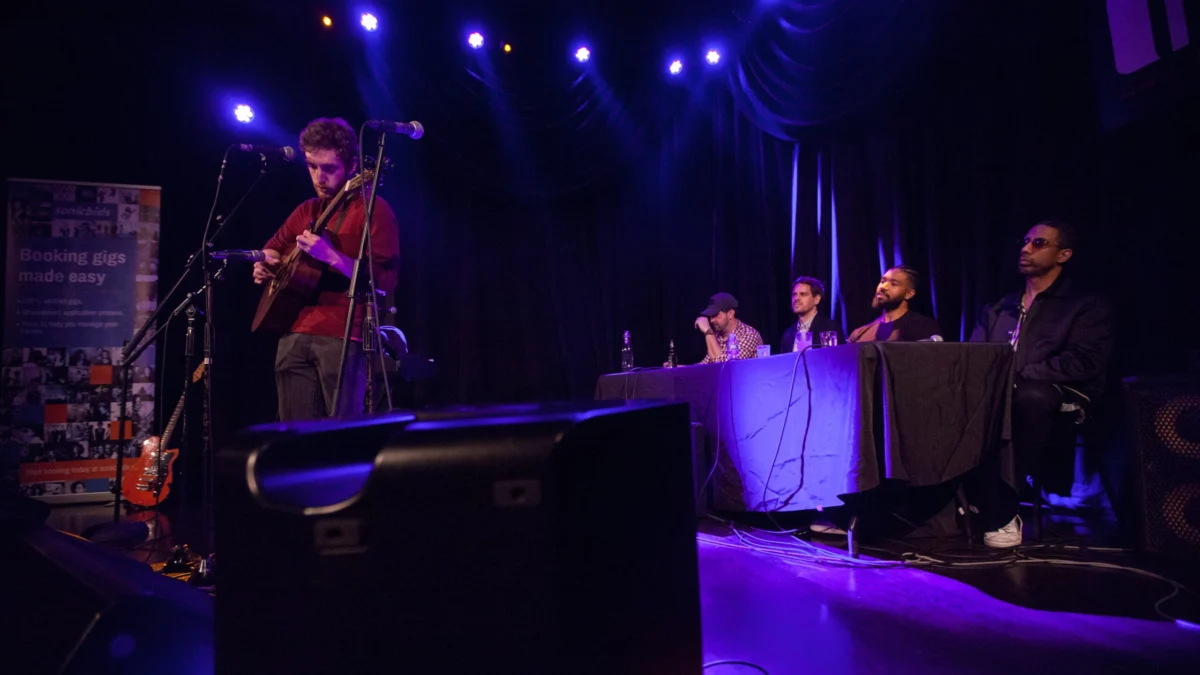
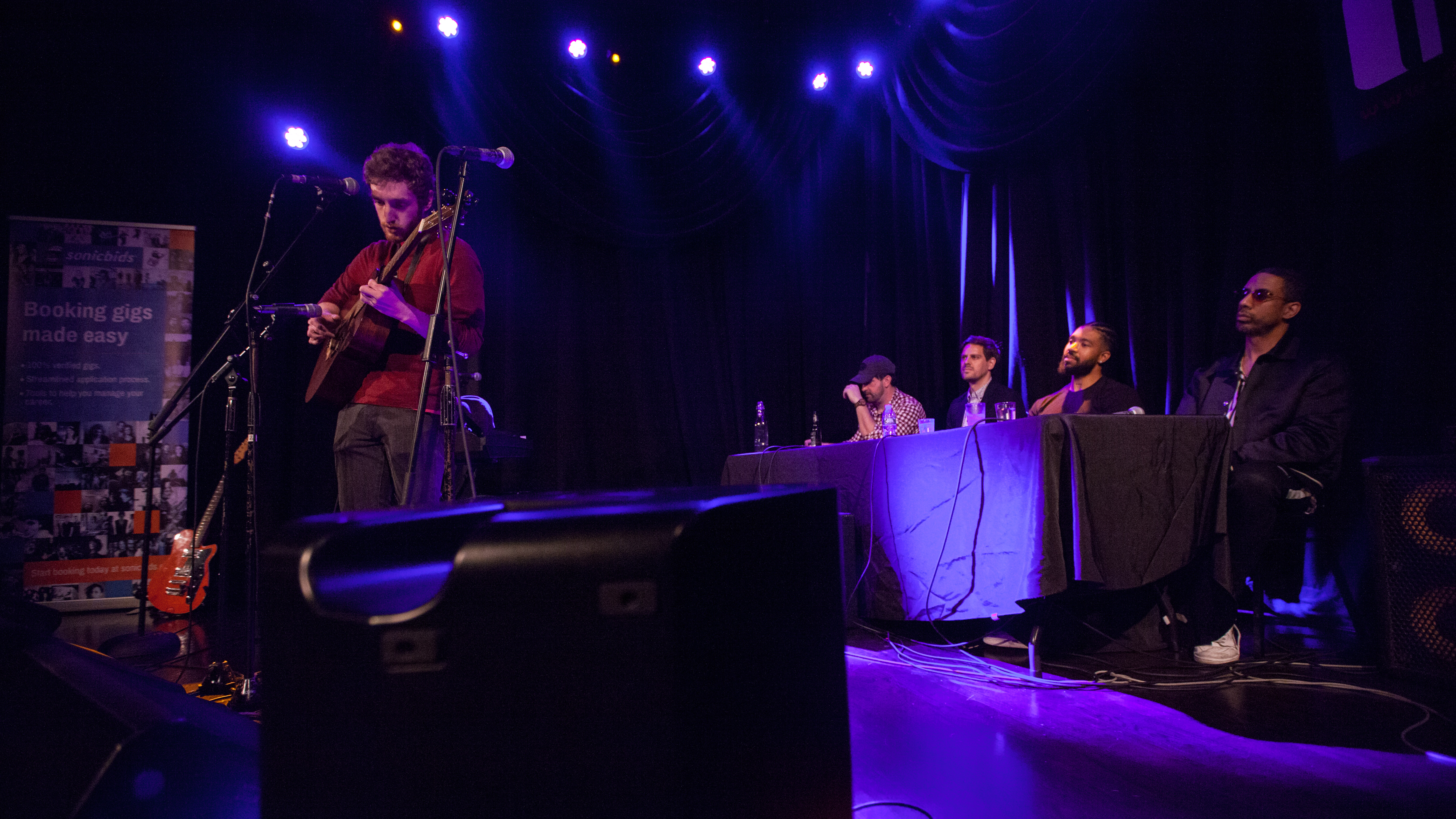
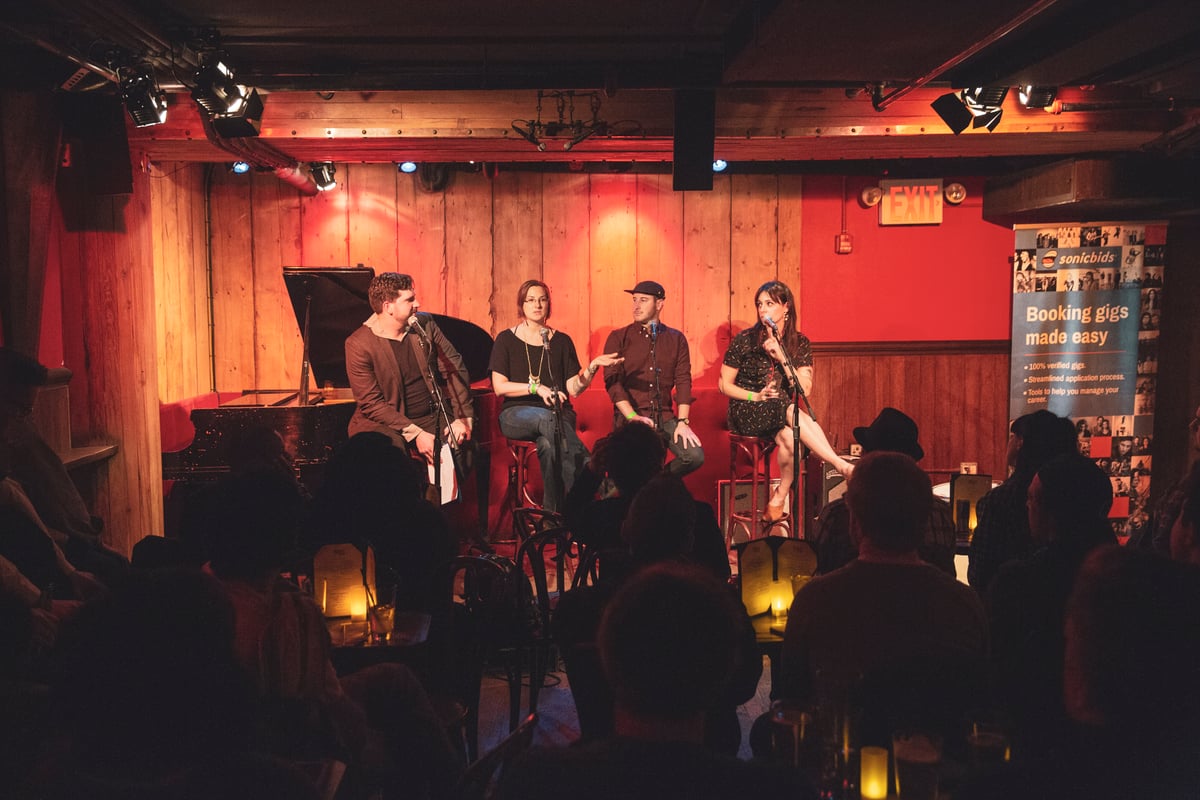
While organic networking is valuable, the rise of structured community events, such as the Sonicbids "Feedback Collective," demonstrates a growing demand for organized professional development. These events, which often include panel discussions and songwriting workshops, provide a framework for musicians to interact in a low-pressure environment. The "Feedback Collective" model emphasizes the importance of peer review and collaborative problem-solving, moving away from the "pitching" mentality toward a "learning" mentality.
Hosting a jam session or a workshop serves a dual purpose: it establishes the host as a community leader and creates a space for serendipitous creative discovery. When a rock guitarist interacts with a jazz saxophonist in a controlled, collaborative setting, the resulting "genre-blending" is often what drives innovation in the modern music scene. Data from streaming services indicates that cross-genre collaborations are more likely to appear on diverse editorial playlists, thereby expanding the reach of both artists involved. Furthermore, these sessions serve as informal auditions, allowing musicians to assess each other’s professional reliability and technical skill before committing to long-term projects.
Digital Networking Beyond Mainstream Social Media
While platforms like Instagram and TikTok are essential for fan engagement, they are often less effective for deep professional networking due to their high noise-to-signal ratio. Professional musicians are increasingly turning to specialized platforms like BandLab, SoundCloud, and Discord to find collaborators. BandLab, in particular, has seen a surge in usage, reporting over 60 million users who utilize the platform’s cloud-based Digital Audio Workstation (DAW) to collaborate on tracks in real-time across different continents.
The chronology of digital networking has evolved from the static profiles of MySpace in the early 2000s to the "asynchronous collaboration" models of today. In this modern framework, a producer in London can lay down a beat, a vocalist in Los Angeles can record a top-line, and a multi-instrumentalist in Tokyo can add textures—all within the same project file. This globalized approach to networking allows independent musicians to tap into international markets without the need for a physical tour. To succeed on these platforms, experts suggest a "contribution-first" strategy: leaving insightful, technical feedback on other artists’ work rather than simply posting links to one’s own music. This builds social capital and establishes the musician as a serious peer within the digital community.
Strategic Volunteering and Industry Access at Music Festivals
The music festival circuit remains one of the most concentrated hubs of industry talent, including event organizers, booking agents, and established performers. For an independent artist, volunteering at these events provides a "backstage" perspective that is impossible to gain from the audience. This "boots-on-the-ground" approach allows musicians to observe the logistical complexities of large-scale productions while making face-to-face connections with the people who manage them.
A timeline of career progression for many successful independent artists often includes a period of "paying dues" through event production or festival logistics. These roles provide a natural setting for introductions. However, the key to successful networking in these environments is professionalism. Industry professionals are more likely to remember a volunteer who was reliable and helpful than one who was constantly pushing a demo tape. The goal of festival networking is to build rapport; the musical exchange should follow only after a foundation of mutual professional respect has been established.
Leveraging the Fanbase as a Collaborative Resource
In the age of Web3 and direct-to-consumer models, the relationship between the artist and the fan has shifted from a one-way broadcast to a two-way dialogue. Independent musicians often overlook their existing fanbase as a source of professional networking. This "community-led growth" involves treating fans as active participants in the creative process rather than passive consumers.

Surveys, polls, and interactive live streams allow artists to gather data on who their fans are listening to, which can provide a roadmap for future collaborations. Furthermore, the "six degrees of separation" rule is particularly potent within a dedicated fanbase. A fan may have professional connections to a recording studio, a graphic designer, or another musician. By fostering an environment where fans feel like stakeholders in the artist’s success, musicians can unlock a network of resources that would otherwise be inaccessible. This strategy not only strengthens fan loyalty—increasing the "Life Time Value" of each listener—but also democratizes the A&R (Artists and Repertoire) process, allowing the community to help shape the artist’s trajectory.
Economic and Psychological Implications of Artistic Community
The broader impact of these networking strategies extends beyond mere career advancement; there are significant economic and psychological benefits to being part of a robust creative community. Economically, collaboration allows for "resource pooling." Independent musicians can share the costs of rehearsal spaces, marketing campaigns, and touring vans, effectively reducing the overhead of their individual businesses.
Psychologically, the "lonely artist" trope is being replaced by a model of collective resilience. The independent music path is fraught with uncertainty and high rates of burnout. A strong network provides a support system of peers who understand the unique challenges of the industry. This emotional labor-sharing is crucial for long-term career sustainability. When musicians view their peers as collaborators rather than competitors, the entire local ecosystem becomes more resilient against market fluctuations.
The Future of Independent Music Networking
As the music industry continues to evolve, the distinction between "networking" and "community building" will likely blur further. The most successful independent musicians of the next decade will be those who view every interaction—whether it is with a visual artist, a festival coordinator, or a dedicated fan—as an opportunity to strengthen the web of their creative world.

The shift toward "hyper-local" scenes combined with "hyper-global" digital collaboration represents a new frontier for the independent artist. By embracing local art events, hosting workshops, utilizing collaborative digital platforms, volunteering for industry access, and engaging their fanbase, musicians can move from the periphery of the industry to the center of their own thriving ecosystems. Networking, once a daunting task of "breaking in," has become a creative adventure of "building up." For the modern independent musician, the message is clear: the instrument is only half of the equation; the community is the other. By amplifying their networking efforts, artists can ensure that their music not only reaches an audience but also resonates within a sustainable and supportive professional landscape.
