

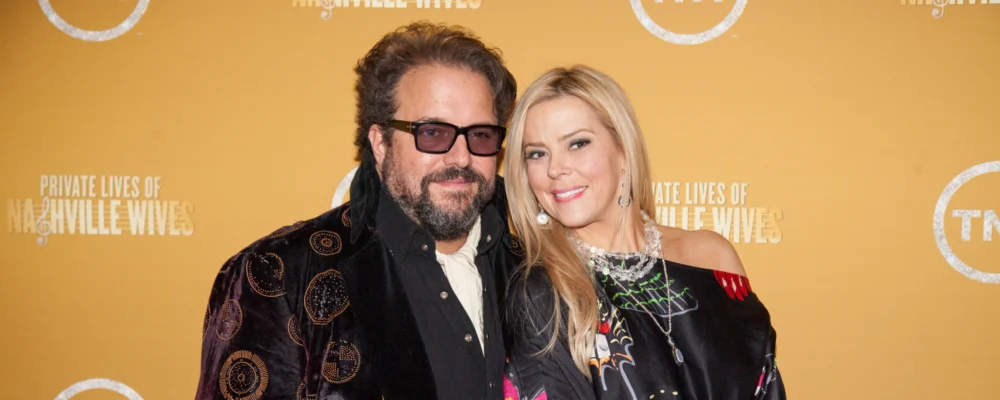
Three months after the music world mourned the loss of Raul Malo, the legendary frontman of The Mavericks, his widow, Betty Malo, has shared a poignant reflection on the enduring void left by his departure. In a heartfelt update shared via social media, Betty Malo detailed the emotional challenges of the past ninety days, describing a household forever altered by the absence of the singer’s voice and presence. Raul Malo, a Grammy-winning artist celebrated for his genre-defying vocals and multicultural contributions to American music, passed away on December 8, 2024, at the age of 60, following a brief but aggressive battle with a rare form of cancer known as leptomeningeal disease (LMD).
Writing to friends, family, and a global community of fans on Facebook, Betty Malo expressed the profound sense of dislocation that accompanies the loss of a partner of more than three decades. The couple, who shared 34 years of marriage and raised three sons together, had been a cornerstone of the Nashville music community. "It’s been three months since Raul passed, and nothing is the same," she wrote, articulating the quiet grief of seeing his instruments remain untouched. She noted that she often finds solace in imagining him on a "heavenly tour," guitars in hand, accompanied by their late dog, Clementine. The statement underscored the suddenness of his decline, noting that while the family was aware of his health struggles, the final progression of his illness was devastatingly rapid.
The Medical Reality of Leptomeningeal Disease
The tragedy of Raul Malo’s passing is compounded by the rarity and severity of his diagnosis. Malo first disclosed his cancer diagnosis to the public in June 2024, initially expressing optimism about his treatment plan. However, the condition eventually evolved into leptomeningeal disease (LMD), a complication that occurs when cancer cells spread to the cerebrospinal fluid and the leptomeninges—the thin layers of tissue that cover and protect the brain and spinal cord.
According to medical data from the Cleveland Clinic and the National Institutes of Health, LMD occurs in approximately 5% to 10% of patients with solid tumors. It is notoriously difficult to treat because the blood-brain barrier often prevents systemic chemotherapy from reaching the affected areas effectively. Symptoms can include headaches, seizures, cognitive changes, and motor weakness, often progressing with a speed that leaves families little time for adjustment. Betty Malo’s description of the "horrific" nature of the disease aligns with clinical assessments of LMD, which is frequently categorized as one of the most challenging neurological complications in oncology.
The sudden turn in Malo’s health served as a reminder of the fragility of life, a sentiment Betty emphasized in her tribute. "Losing him to LMD—such a rare and horrific cancer—reminds us how fragile life truly is and how important it is to cherish every moment," she wrote. The family has since committed to keeping his memory alive through his vast discography and the love he fostered within his domestic life.
A Timeline of a Final Year
The timeline of Raul Malo’s final months illustrates a courageous attempt to balance his artistic obligations with an increasingly dire health prognosis.
In June 2024, Malo released a video message to fans explaining that doctors had discovered "some cancerous spots" during a routine check-up. At that time, he remained active, and The Mavericks continued to perform, embodying the "show must go on" spirit that defined Malo’s 35-year career. However, as the year progressed, the diagnosis became more specific and the treatment more grueling.
By the late autumn of 2024, it became clear that the cancer had reached the meninges. Despite the diagnosis, the music community rallied around the singer. Just days before his death in December, The Mavericks performed two emotional benefit shows at the Ryman Auditorium in Nashville. While Malo was unable to perform at the level he once had, the events served as a living tribute to his impact on the industry.
Raul Malo passed away on December 8, 2024, surrounded by his family. His funeral mass, which Betty recently highlighted by sharing video footage, was a testament to his deep roots in the Nashville music scene. The service featured moving performances by the McCrary Sisters, who sang "Amazing Grace" and "Call Me When You Get to Heaven." Betty recalled the atmosphere of the service, noting that the music "poured through the church and wrapped around all of us," providing a momentary sanctuary for those in mourning.
The Architectural Voice of The Mavericks
Raul Malo’s professional legacy is inextricably linked to his role as the founder and lead singer of The Mavericks. Formed in Miami in 1989, the band broke traditional genre barriers by blending country, rock and roll, Tex-Mex, and Latin rhythms. Malo, the son of Cuban immigrants, brought a unique cultural perspective to the Nashville scene, utilizing his rich, operatic baritone—often compared to Roy Orbison and Elvis Presley—to craft a sound that was both nostalgic and revolutionary.
The Mavericks’ commercial peak in the mid-1990s was defined by hits such as "What a Crying Shame," "All You Ever Do Is Bring Me Down," and "Dance the Night Away." Their 1995 album, Music for All Occasions, and the subsequent Trampoline (1998) earned critical acclaim and cemented their status as a premier live act. The band won a Grammy Award in 1995 for Best Country Performance by a Duo or Group with Vocal and multiple awards from the Country Music Association (CMA) and the Academy of Country Music (ACM).
Beyond the commercial success, Malo was respected for his artistic integrity. After a hiatus in the mid-2000s, during which Malo pursued a successful solo career exploring jazz and Latin standards, the band reunited in 2012. Their later work, including the 2020 album En Español, which topped the Billboard Latin Pop Albums chart, proved that Malo’s vision was timeless. He was not merely a country singer; he was a multicultural ambassador whose voice bridged the gap between Havana and Nashville.
Industry Reactions and Broader Impact
The passing of Raul Malo sent shockwaves through the music industry, prompting tributes from peers across multiple genres. The Mavericks issued a formal statement shortly after his death, describing him as a "force of human nature" with an "infectious energy." The band emphasized that his contributions to American and Latin music would be everlasting, noting that his "towering creative contributions and unrivaled, generational talent created the kind of multicultural American music reaching far beyond America itself."
Industry analysts have noted that Malo’s death represents the loss of one of the last great "stylists" in popular music—a singer whose voice was immediately identifiable regardless of the arrangement. His ability to navigate the complexities of the Americana genre while maintaining a mainstream appeal allowed The Mavericks to endure for over three decades, a rare feat in an industry often defined by fleeting trends.
The loss also highlights the ongoing challenges faced by independent and veteran touring musicians when dealing with catastrophic health crises. The benefit concerts held at the Ryman Auditorium underscored the necessity of community support in the face of rising medical costs and the physical toll of a lifelong career on the road.
A Legacy Continued Through Family and Music
For Betty Malo and her three sons, the mourning process is intertwined with the public nature of Raul’s legacy. In her recent reflection, she thanked the global fan base for their "continued support, love, and friendship," acknowledging that the outreach from fans has provided a measure of comfort during the family’s darkest days.
The silence Betty described in their home—the "silence he left behind"—is a stark contrast to the vibrant, boisterous music Raul Malo created throughout his life. However, his family remains dedicated to ensuring that his artistic contributions continue to resonate. The Mavericks have signaled their intent to honor Malo’s memory through future projects, ensuring that the "spirit" the band spoke of continues to influence the next generation of musicians.
As the three-month mark passes, the focus for the Malo family shifts from the immediacy of loss to the long-term preservation of a monumental legacy. Raul Malo’s story is one of cultural synthesis, vocal mastery, and a deep-seated love for the craft of songwriting. While the "heavenly tour" Betty imagines may be a comfort to those left behind, the earthly recordings he left behind remain a vibrant, living testament to a man who changed the landscape of American music. Through his sons and his songs, the voice of the "Maverick" will continue to be heard, ensuring that even in his absence, the music never truly stops.
