

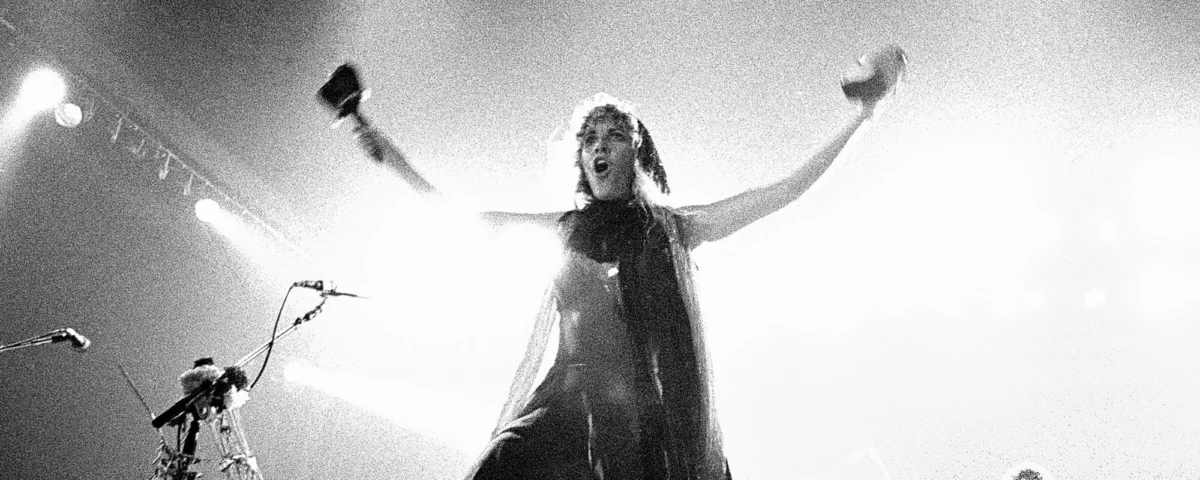
The landscape of contemporary music is characterized by a rapid turnover of trends, yet certain compositions possess an inherent gravitational pull that transcends the era of their inception. Within the rock genre, three specific tracks—Led Zeppelin’s "Stairway to Heaven," Fleetwood Mac’s "Dreams," and Jeff Buckley’s "Hallelujah"—stand as definitive examples of songs that command immediate and total attention from listeners. These works are not merely popular recordings; they are cultural touchstones that have demonstrated an unusual ability to disrupt the routine of the listener, demanding a level of engagement that few modern tracks can replicate. Industry data and historical analysis suggest that the longevity of these songs is rooted in a combination of technical mastery, narrative depth, and a unique set of circumstances surrounding their creation and subsequent re-emergence in the digital age.
The Architectonics of an Epic: Led Zeppelin’s Stairway to Heaven
Released in November 1971 as part of the untitled fourth studio album, commonly known as Led Zeppelin IV, "Stairway to Heaven" is frequently cited as the quintessential rock epic. The song’s construction is a masterclass in progressive arrangement, beginning as a gentle acoustic folk piece and culminating in a high-energy hard rock crescendo. This eight-minute journey was never released as a single, yet it became the most requested song on FM radio throughout the 1970s, a testament to its organic grip on the public consciousness.
The chronology of the song’s creation began in late 1970 at Bron-Yr-Aur, a remote cottage in Wales, where guitarist Jimmy Page and lead singer Robert Plant were seeking inspiration away from the pressures of touring. The composition truly took shape at Headley Grange, a Victorian estate in Hampshire, where the band utilized a mobile recording unit. Plant has famously recounted that the lyrics emerged through a process akin to automatic writing. While sitting by a fire, Plant found himself transcribing lines about a "lady who’s sure all that glitters is gold." The suddenness of the lyrical delivery startled even the songwriter himself, suggesting a moment of creative synchronicity that happens once in a career.
From a technical perspective, the song’s impact is driven by its gradual tempo increase and the layering of instruments. It begins with a recorder ensemble—an unusual choice for a rock band—and builds through Page’s intricate acoustic work into one of the most celebrated guitar solos in history, performed on a 1959 Fender Telecaster. Data from the American Society of Composers, Authors and Publishers (ASCAP) indicates that the song has been played over three million times on the radio, despite its length posing a challenge to traditional broadcasting formats. The song’s "scene-stealing" nature remains so potent that it has become a trope in music retail culture, famously referenced in the film Wayne’s World as the "forbidden" song for amateur guitarists to test in shops.
The Viral Renaissance of Fleetwood Mac’s Dreams
While "Stairway to Heaven" represents the epic side of rock, Fleetwood Mac’s "Dreams" serves as a benchmark for atmospheric precision and emotional resonance. Released in 1977 on the diamond-certified album Rumours, "Dreams" reached number one on the Billboard Hot 100, becoming the band’s only chart-topping hit in the United States. However, its significance extends far beyond its initial 1970s success.
The background context of "Dreams" is inextricably linked to the interpersonal turmoil within the band. Written by Stevie Nicks during a period of romantic dissolution with bandmate Lindsey Buckingham, the song was composed in a small, dark studio at the Record Plant in Sausalito, California. Nicks reportedly spent only ten minutes crafting the core of the song while sitting on a velvet bed in a space once used by Sly Stone. The resulting track is a minimalist masterpiece, driven by Mick Fleetwood’s steady percussion and John McVie’s hypnotic bassline, providing a canvas for Nicks’ ethereal vocals.
The song’s power was reaffirmed for a new generation in 2020 when a viral video featuring Nathan Apodaca skateboarding to the track caused a massive resurgence in streaming. According to Nielsen Music/MRC Data, "Dreams" saw a 242% increase in streams and a 1,180% increase in digital sales in the weeks following the video’s release. This "gateway drug" effect, where younger listeners utilize a 40-year-old track to pivot their interests toward classic rock, highlights the song’s timeless crossover appeal. It is a rare example of a song that feels modern regardless of the decade in which it is played, maintaining a "cool" factor that eludes many of its contemporaries.
The Definitive Reinterpretation: Jeff Buckley’s Hallelujah
The inclusion of Jeff Buckley’s "Hallelujah" in the pantheon of transformative rock songs is unique because it is a cover. Originally written and recorded by Leonard Cohen for his 1984 album Various Positions, the song was initially overlooked by his label. It wasn’t until John Cale’s 1991 reimagining that the song’s potential as a secular hymn was realized. However, it was Jeff Buckley’s 1994 version, featured on his only completed studio album, Grace, that solidified the song as a global phenomenon.
Buckley’s "Hallelujah" is characterized by its raw vulnerability and virtuosic vocal range. The track was recorded at Columbia Studios in New York City, where Buckley used a Fender Telecaster to create a shimmering, melancholic atmosphere. Unlike Cohen’s original, which leaned into a synthesizer-heavy, baritone delivery, Buckley’s version is intimate and haunting. The chronology of the song’s rise is bittersweet; it did not become a major hit until after Buckley’s tragic death by accidental drowning in 1997.
Statistical analysis of "Hallelujah" reveals its status as a cultural staple. Buckley’s version was inducted into the Library of Congress’s National Recording Registry in 2013, and it has appeared in countless television shows and films, often used to underscore moments of profound grief or epiphany. The song’s ability to "bend the listener to its will," as noted by critics, stems from Buckley’s phrasing and the way he explores the intersection of spirituality and sensuality. It has become a standard for aspiring vocalists, though few have managed to capture the specific "edgier" quality that Buckley brought to Cohen’s poetry.
Broader Impact and Industry Implications
The enduring relevance of these three tracks provides significant insight into the mechanics of the music industry and the psychology of listening. In an era dominated by algorithmic recommendations, these songs function as "anchor tracks." They are the foundation upon which streaming services build rock and "evergreen" playlists. For music publishers, these songs represent immense financial value; the catalogs of Led Zeppelin, Fleetwood Mac, and the estate of Jeff Buckley are among the most valuable in the world due to the consistent royalty streams generated by these specific hits.
Furthermore, the "stop-and-listen" nature of these songs suggests a shift in how listeners interact with media. While much of modern music is consumed as background noise, these tracks demand a focused experience. They serve as a reminder of the power of the "slow build" in songwriting—a technique that has become increasingly rare in a market that favors immediate hooks to prevent listeners from skipping within the first five seconds.
From a journalistic perspective, the reaction to these songs across different demographics indicates a shared cultural language. Whether it is the mythic storytelling of "Stairway to Heaven," the rhythmic solace of "Dreams," or the emotional catharsis of "Hallelujah," these tracks provide a sense of continuity in a fragmented media environment. They are not just songs; they are historical artifacts that remain vibrantly alive.
Chronology of Influence: A Timeline of Permanence
- 1971: Led Zeppelin releases "Stairway to Heaven." Despite its length, it becomes the most-played song in the history of FM radio.
- 1977: Fleetwood Mac releases Rumours. "Dreams" hits number one on the Billboard Hot 100, defining the "California Sound."
- 1984: Leonard Cohen releases the original "Hallelujah," which goes largely unnoticed by mainstream audiences.
- 1994: Jeff Buckley releases Grace. His version of "Hallelujah" begins a slow climb toward legendary status.
- 1997: Following Buckley’s death, "Hallelujah" becomes a symbol of his lost potential and enters the cultural mainstream.
- 2000s: "Stairway to Heaven" is consistently voted the greatest rock song of all time in various magazine polls (e.g., Guitar World, Rolling Stone).
- 2020: A TikTok trend propels "Dreams" back into the Top 10 of the Billboard charts, proving the song’s intergenerational viability.
In conclusion, the power of these three songs lies in their ability to transcend the circumstances of their creation. They have moved beyond the status of mere recordings to become essential components of the human experience. As long as listeners seek music that provides a "shock to the system" or a moment of profound emotional clarity, "Stairway to Heaven," "Dreams," and "Hallelujah" will continue to hold their place at the center of the musical canon. Their presence ensures that the legacy of rock music remains not just a memory of the past, but a living, breathing force in the present.
