

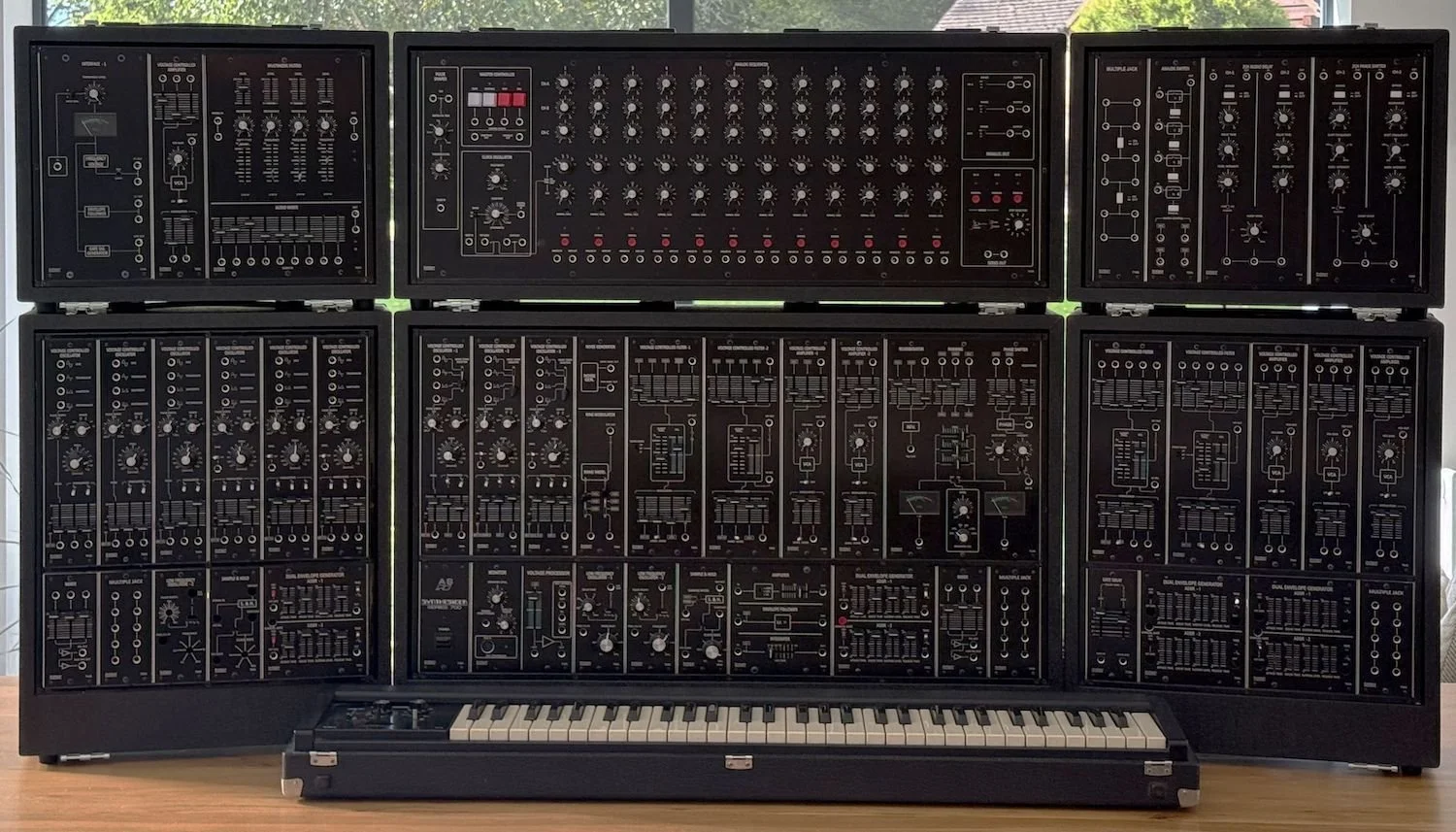
Analogue Solutions, the British boutique synthesizer manufacturer led by founder Tom Carpenter, has officially announced the launch of the Series 700, a massive large-format analog modular system. This new instrument is a meticulous recreation of the legendary Roland System 700, a seminal modular synthesizer first introduced in 1976 that became a cornerstone of high-end electronic music production during the late 1970s and early 1980s. The Series 700 aims to provide modern musicians and sound designers with the exact circuitry, physical presence, and sonic character of the original Japanese masterpiece, which remains one of the rarest and most sought-after synthesizers in history.
The Series 700 is not merely a modern approximation but a deep-dive engineering project designed to honor the original schematics. By adhering to the layout and physical dimensions of the vintage unit, Analogue Solutions offers a tactile experience that mirrors the original 1970s workflow. The system is housed in substantial wooden cabinetry, reflecting the "Lab-style" aesthetic that defined the era of professional modular synthesis. This release marks a significant milestone for Analogue Solutions, a company that has spent decades establishing a reputation for uncompromising analog signal paths and "no-menu" interface designs.
Technical Architecture and Modular Configuration
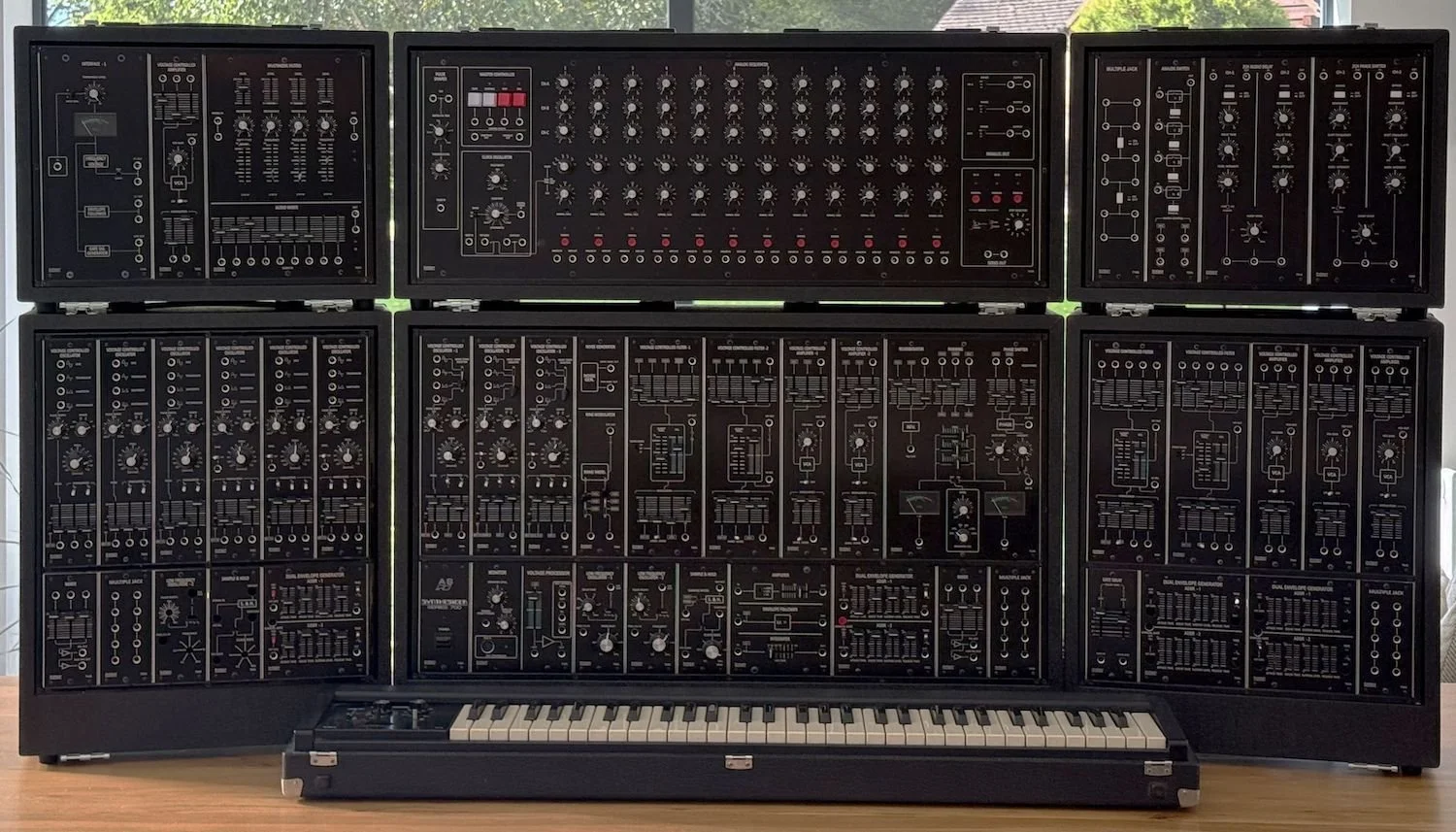
The Series 700 is structured into six distinct blocks, each serving a specific role in the signal chain and control path. This modular approach allows for the reproduction of the System 700’s expansive capabilities, which originally required a central console and multiple "wing" cabinets to achieve full polyphonic or complex monophonic results.
Sound Generation and Oscillation
The heart of the Series 700 lies in its Voltage Controlled Oscillators (VCOs). Recreated from the original 1976 blueprints, these oscillators are designed to provide the same tuning stability and harmonic richness found in the original Roland hardware. The oscillators offer multiple simultaneous waveforms, including saw, square (with pulse width modulation), and triangle waves. The engineering team at Analogue Solutions has taken great care to source components that match the electrical characteristics of the original transistors and op-amps, ensuring that the "beat" frequencies and inter-oscillator interactions remain authentic.
Filtering and Signal Processing
The Voltage Controlled Filter (VCF) section is perhaps the most critical component in defining the "Roland Sound." The Series 700 features a recreation of the classic 24dB/octave low-pass filter, known for its smooth resonance and ability to maintain low-end weight even when the resonance is pushed to the point of self-oscillation. In addition to the primary VCF, the system includes high-pass filters and band-pass options, allowing for the complex subtractive synthesis techniques that made the original System 700 a favorite for film composers like Hans Zimmer and electronic pioneers like Vangelis.
Modulation and Temporal Control
For movement and articulation, the Series 700 includes a comprehensive array of Low-Frequency Oscillators (LFOs) and Envelope Generators. The envelopes are modeled after the original ADSR (Attack, Decay, Sustain, Release) units, which were praised for their "snappiness." This fast response time is essential for creating percussive sounds and tight, sequenced basslines. The LFOs provide a wide range of frequencies, from slow, evolving sweeps to audio-rate modulation for FM-style (Frequency Modulation) textures.
Sequencing and Control Voltage
One of the most recognizable features of the original System 700 was its integrated step sequencer. Analogue Solutions has replicated this functionality, providing a multi-row sequencer that allows for the creation of intricate melodic patterns and rhythmic modulation. This block is essential for those looking to recreate the "Berlin School" style of electronic music, where evolving sequences form the backbone of the composition.
Mixing, Effects, and Connectivity
The final stages of the Series 700 involve a sophisticated mixing section and an effects block that includes a recreation of the original spring reverb and specialized output modules. While the system remains predominantly faithful to 1976 technology, Analogue Solutions has introduced a concession to modern studio environments: a high-quality single-channel MIDI-to-CV converter. This allows the Series 700 to be easily integrated into modern Digital Audio Workstations (DAWs) while maintaining a purely analog sound engine.
Historical Context: The Legacy of the Roland System 700
To understand the significance of the Series 700, one must look back at the landscape of 1976. At the time, the Roland System 700 was Japan’s answer to the large-format modular systems being produced in the United States by Moog and ARP. It was an immensely expensive instrument, costing as much as a small house, which limited its ownership to prestigious universities, top-tier recording studios, and the world’s most successful musicians.
The original System 700 was utilized extensively by the Yellow Magic Orchestra (YMO), particularly by Hideki Matsutake, who was often referred to as the "fourth member" of the band due to his mastery of the system’s sequencing capabilities. It also found a home in the studios of Tangerine Dream and The Human League. Unlike the later, more portable System 100 and 100M, the 700 was designed for maximum flexibility and sonic power, featuring a massive patch bay that encouraged experimental routing.
By recreating this system, Analogue Solutions is filling a void in the market. While many companies have produced "clones" of individual modules in the smaller Eurorack format, few have attempted to recreate the entire system in its original large-format glory. The Series 700 represents a return to "big iron" synthesis, where the physical size of the instrument contributes to the inspiration and ease of use.
Engineering Philosophy and Component Sourcing
Tom Carpenter and the Analogue Solutions team are known for their "pure analog" philosophy. In the development of the Series 700, the primary challenge was the obsolescence of certain electronic components from the mid-1970s. The company has stated that where original parts were no longer available, they utilized modern equivalents that strictly adhere to the original performance specifications.
A key aspect of the Series 700 is the avoidance of Surface Mount Device (SMD) technology where possible, favoring through-hole components that are more reminiscent of vintage manufacturing. This approach not only aids in the "vintage" sound—due to the specific tolerances and electrical behaviors of larger components—but also ensures that the instruments are serviceable for decades to come.
The decision to offer the system in six modular blocks is a strategic one. It allows users to build their system incrementally. Given the likely high cost of a full Series 700 setup, this "block-by-block" approach makes the instrument accessible to a wider range of professionals who may wish to start with a basic voice architecture and expand into complex sequencing and effects later.
Market Analysis and Industry Implications
The release of the Series 700 comes at a time of renewed interest in vintage synthesis. However, the market is currently divided between low-cost, mass-produced recreations and high-end boutique offerings. Analogue Solutions clearly occupies the latter category. By focusing on the Roland System 700—a system far more complex than the more commonly cloned Moog Model D or ARP 2600—Analogue Solutions is targeting a niche of "purist" collectors and high-end studios.
Industry analysts suggest that the Series 700 will compete directly with other high-end recreations, such as the Moog System 35 and 55 reissues. However, the unique "Japanese" character of the Roland circuitry offers a different sonic palette—often described as "cleaner" and "more precise" than the American counterparts—which may appeal to a different segment of the electronic music community.
Furthermore, the physical scale of the Series 700 addresses a growing fatigue among some musicians regarding the small knobs and cramped layouts of the Eurorack format. The large-format (often referred to as 5U or MU) provides a more ergonomic experience, allowing for more expressive performance and easier patch manipulation during live use.
Production Status and Availability
Analogue Solutions has confirmed that the Series 700 is currently in production at their facility in the United Kingdom. Due to the labor-intensive nature of building such large-format systems, production is expected to be limited, with units built to order.
The company has not publicly listed a single "all-in" price for the complete system on their main landing page, as the final cost depends on the specific configuration of blocks chosen by the customer. However, interested parties are encouraged to contact the manufacturer directly through their official website to secure a spot in the production queue.
The arrival of the Series 700 is a testament to the enduring appeal of 1970s analog technology. In an era dominated by digital software and "in-the-box" production, the Series 700 stands as a physical monument to the power of voltage-controlled sound. For the professional composer or the dedicated synthesist, it represents an opportunity to own a piece of history, rebuilt for the requirements of the 21st century.
