

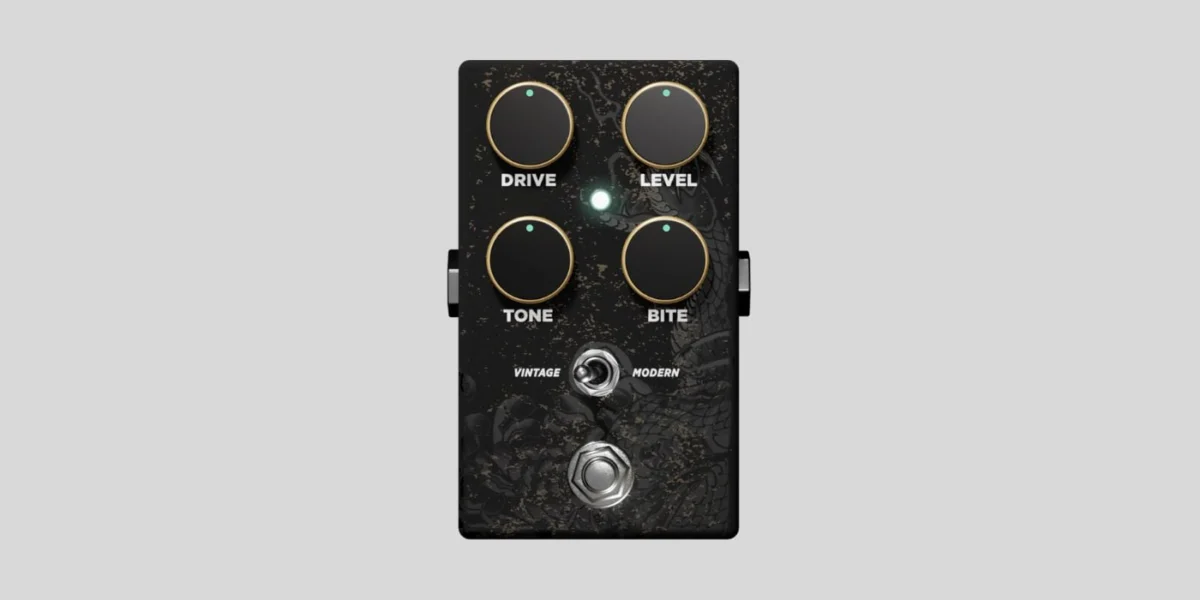
fedDSP has officially released RAIJU, a sophisticated zero-latency saturator plugin compatible with both macOS and Windows operating systems. In a strategic move to broaden its user base and introduce its latest innovation, fedDSP is offering RAIJU completely free of charge until August 20th, 2026, at 9 PM UK time. Following this extensive introductory period, the plugin will revert to its standard retail price of £30. This release marks another significant step in fedDSP’s rapid development cycle, following a series of acclaimed plugin introductions over the past several months, further solidifying its presence in the competitive digital audio workstation (DAW) plugin market.
A Chronology of fedDSP’s Rapid Innovation
The launch of RAIJU is not an isolated event but rather the latest in a carefully orchestrated series of releases by fedDSP, showcasing a consistent commitment to delivering high-performance audio tools. The developer has maintained a remarkably swift development and release schedule, establishing a distinct brand identity through a cohesive design philosophy and a focus on critical mixing and production functionalities.
The company’s recent trajectory began notably on March 5th, 2026, with the introduction of ELEGANTE, a free overdrive plugin that quickly garnered attention for its tonal qualities and accessibility. ELEGANTE set a precedent, demonstrating fedDSP’s willingness to offer high-quality tools without an initial financial barrier, a strategy that appears to be replicated with RAIJU.
This initial offering was swiftly followed by MORSO, released on March 11th, 2026, which further expanded fedDSP’s portfolio of tonal shaping tools. A week later, on March 18th, 2026, the company launched SNAPPER, another addition to its growing collection of effects pedals. The rapid succession of these releases underscored fedDSP’s agility and its capacity for continuous product development.
Towards the end of March, specifically on March 25th, 2026, fedDSP introduced SHI, a saturator plugin specifically designed with a frequency-focused approach, indicating a deeper exploration into the nuances of harmonic enhancement. SHI’s release foreshadowed the capabilities that would eventually be integrated and expanded upon in RAIJU.
The culmination of these individual "pedal-style" plugins came on April 17th, 2026, with the unveiling of fedZEP. This comprehensive amp plugin was designed to integrate and expand upon the functionalities of the previously released pedals, offering a more complete solution for guitarists and producers seeking a versatile amplifier simulation with built-in effects. fedZEP showcased fedDSP’s vision for creating an interconnected ecosystem of plugins, where individual tools can stand alone or be combined for enhanced capabilities.
RAIJU now joins this esteemed lineup, positioned as a versatile saturator that builds upon the core strengths observed in SHI, while offering a distinct character and expanded functionality. Its release continues fedDSP’s trend of providing professional-grade tools within a compact, intuitive interface, reinforcing the brand’s dedication to both performance and user experience. The consistent release pattern suggests a strategic roadmap aimed at systematically addressing various aspects of audio production, from subtle tonal enhancement to aggressive sound shaping.
Technical Specifications and Operational Versatility
RAIJU embodies fedDSP’s signature compact, pedal-style interface, a design choice that prioritizes intuitive control and visual familiarity. Despite its minimalist aesthetic, the plugin offers a robust set of parameters designed to provide significant flexibility in sound shaping, extending beyond typical guitar overdrive applications to function as a versatile mix tool.
The plugin’s primary control panel features five core knobs: Dist, Tone, Level, and Bark, alongside a toggle switch to select between Modern and Vintage modes. Each control is meticulously engineered to contribute to RAIJU’s overall sonic character and adaptability.
The Dist knob dictates the intensity of the signal hitting the overdrive stage, allowing users to dial in anything from subtle warmth to aggressive distortion. The Tone control offers broad shaping of the driven sound’s color, enabling adjustments to brightness or darkness to fit various sonic contexts. The Level knob, standard across most gain-staging plugins, manages the output volume, ensuring proper gain staging within a mix. A unique parameter, Bark, is designed to introduce an upper-midrange bite, enhancing a sound’s presence and helping it cut through a dense mix. This feature is particularly useful for instruments or vocals that require additional forward projection.
RAIJU’s dual operational modes, Modern and Vintage, provide distinct sonic profiles to suit different production needs. The Modern mode is engineered for an aggressive response, making it ideal for scenarios where rhythm guitars demand precision, focus, and speed. This mode excels at tightening transients and delivering a punchy, contemporary sound. Conversely, the Vintage mode aims for a fuller response, characterized by increased body and a richer, more organic grind. This mode is well-suited for adding warmth, depth, and a classic saturated texture to instruments.
The fundamental design philosophy behind RAIJU centers on its ability to simultaneously tighten the low end, push the midrange forward, and add a desirable "bite" to a sound, all within a single, efficient plugin. This multi-faceted capability makes it a powerful tool for corrective and creative processing.
Beyond its core front-panel controls, RAIJU incorporates a suite of advanced features that significantly enhance its utility in a professional mixing environment. These include:
- High-Pass and Low-Pass Filters: These filters can be positioned either before or after the main pedal stage, offering precise control over the frequency spectrum entering or exiting the saturation process. This pre/post filtering capability allows for nuanced tonal sculpting, preventing unwanted muddiness or harshness.
- Parallel Blend: A crucial feature for modern mixing, the parallel blend control allows users to mix the saturated signal with the original dry signal. This enables subtle harmonic enhancement without completely losing the dynamics or integrity of the unprocessed sound, providing greater flexibility in achieving desired effects.
- Polarity Flip: This utility control can be essential for correcting phase issues that might arise when combining processed and unprocessed signals, or when dealing with multi-miked sources.
- Delay Alignment: In digital audio, processing can sometimes introduce minute delays. The delay alignment feature helps to maintain phase coherence, particularly important when using RAIJU on individual tracks within a larger, time-sensitive mix.
- Stereo or Dual-Mono Operation: This option provides flexibility for processing stereo tracks as a unified stereo image or independently as two mono channels, catering to diverse mixing scenarios.
- Final Limiter: An integrated output limiter with selectable Safe and Aggro modes provides crucial peak handling. The Safe mode offers cleaner, more transparent control over peaks, while the Aggro mode provides a more aggressive, character-inducing form of peak management, useful for adding grit or maximizing perceived loudness.
RAIJU’s versatility extends across a wide range of applications. For guitarists, it can be strategically placed in front of an amplifier to push its input stage harder, or used to enhance a direct input (DI) signal, imbuing it with character and warmth before further processing. In a broader mixing context, fedDSP explicitly suggests its application on bass guitar to add growl and definition, on drum overheads and room mics to enhance sustain and punch, on vocals for added presence and aggression, and on synthesizers, loops, and samples when a sound requires additional edge or harmonic richness.
Crucially, like all fedDSP plugins, RAIJU is engineered for zero-latency operation and low CPU usage. These attributes make it exceptionally suitable for tracking sessions, where real-time feedback is paramount, and for high instance counts in larger, complex mixing projects where CPU resources are often at a premium. The commitment to efficiency ensures that RAIJU can be seamlessly integrated into demanding workflows without imposing significant strain on the host system.
Regarding licensing, fedDSP has implemented a user-friendly system. After initial installation, RAIJU is offline-ready, eliminating the need for constant internet connectivity for authorization. The licensing scheme is free from restrictive hardware dongles or iLok accounts, streamlining the user experience. Each license for RAIJU includes support for up to three simultaneous activations, providing flexibility for users across multiple studio setups or personal devices.
RAIJU is available in multiple plugin formats to ensure broad compatibility across professional DAWs. For macOS users, it supports VST3, AU, and AAX formats, requiring macOS 10.13 or higher and compatible with both Intel and Apple Silicon Macs. Windows users can access RAIJU in VST3 and AAX formats, compatible with 64-bit Windows 10 and 11. This comprehensive format support ensures that a vast majority of audio professionals and hobbyists can integrate RAIJU into their existing production environments.
Market Context and Strategic Implications
The release of RAIJU, particularly its extended free availability, positions fedDSP uniquely within the highly competitive audio plugin market. The saturator category itself is crowded, with numerous developers offering various forms of harmonic exciters, distortion units, and tape/tube emulations. However, fedDSP’s approach combines several key strategic elements that differentiate its offerings.
Firstly, the consistent emphasis on zero-latency operation and low CPU usage is a direct response to the evolving demands of modern music production. As projects become more complex and track counts increase, resource-efficient plugins are highly valued. This focus on performance ensures that fedDSP plugins are not just sonically capable but also practically viable for real-time tracking and large-scale mixing, addressing a critical need for professional and semi-professional producers alike.
Secondly, fedDSP’s rapid and methodical release schedule, coupled with a cohesive "pedal-style" design language, suggests a deliberate strategy to build a recognizable and trusted brand identity. By releasing individual, focused tools that later integrate into larger platforms like fedZEP, the company encourages users to invest in an ecosystem rather than just standalone products. This modular approach allows users to acquire tools as needed, while also seeing a clear path to more comprehensive solutions.
Thirdly, the decision to offer RAIJU for free for an exceptionally long period—until August 2026—is a bold marketing move. While offering free plugins is a common tactic for brand awareness, extending the free period for over two years from the article’s last update date (August 6, 2026) indicates a deeper market penetration strategy. This extended availability aims to:
- Maximize User Adoption: Providing ample time for producers to discover, download, and integrate RAIJU into their workflows, fostering habituation.
- Build Brand Loyalty: By offering a high-quality, professional tool without cost, fedDSP cultivates goodwill and encourages users to explore their other paid offerings.
- Gather Extensive Feedback: A larger user base over a longer period can provide invaluable feedback, allowing fedDSP to refine future products and address potential issues.
- Establish Market Presence: In a crowded market, a prolonged free offering ensures that fedDSP’s name and product are widely recognized and discussed within the audio production community.
This strategy suggests that fedDSP is prioritizing long-term market establishment and community building over immediate revenue generation for specific products. The £30 price point post-free period is also accessible, reflecting a commitment to providing value without exorbitant costs.
Inferred Developer Perspective and Industry Impact
While fedDSP has not issued specific public statements regarding RAIJU’s release beyond its product page, the strategic decisions inherent in its launch allow for logical inferences about the developer’s intent and philosophy. It can be inferred that fedDSP is aligning its product strategy with accessibility and performance, aiming to democratize access to high-quality audio processing tools.
The consistent emphasis on "zero-latency operation" and "low CPU usage" across their product line, including RAIJU, strongly indicates a clear understanding of the technical demands placed on modern digital audio workstations. This recurring commitment to efficiency suggests a design philosophy that prioritizes seamless integration into demanding workflows, particularly for live tracking and complex mixing sessions where resource management is critical.
Furthermore, the decision to offer RAIJU free for such an extended period, echoing previous successful free releases like ELEGANTE, points towards a concerted effort to expand their user base significantly. This approach likely aims to foster a vibrant community around fedDSP products, allowing producers of all levels—from hobbyists to seasoned professionals—to experience the company’s commitment to quality and innovation without an initial financial barrier. This strategy is not merely about giving away software; it’s about building a foundation of satisfied users who, having experienced the quality of fedDSP’s free offerings, will be more inclined to invest in their paid products or recommend them to peers.
The broader implications for the plugin market are noteworthy. fedDSP’s aggressive pricing and release strategy contribute to an increasingly competitive environment, potentially pressuring other developers to re-evaluate their own monetization models and product offerings. The trend of offering high-quality tools for free, or through prolonged introductory offers, challenges traditional pricing structures and encourages innovation across the board. For producers, this translates into greater access to sophisticated tools, enriching their sonic palettes and enabling higher production quality without prohibitive costs.
RAIJU’s versatility, designed to enhance everything from guitars and bass to vocals and synthesizers, underscores a focus on providing multi-purpose tools that can become indispensable parts of a producer’s toolkit. This holistic approach, combined with robust technical performance and a user-friendly licensing model, positions fedDSP as a significant and forward-thinking player in the evolving landscape of audio software development. The company is not just releasing plugins; it is actively shaping the expectations of what modern audio software can and should deliver.
RAIJU is available for download now, free of charge until August 20th, 2026, offering a substantial opportunity for producers to integrate a powerful and versatile saturator into their production arsenal.
