

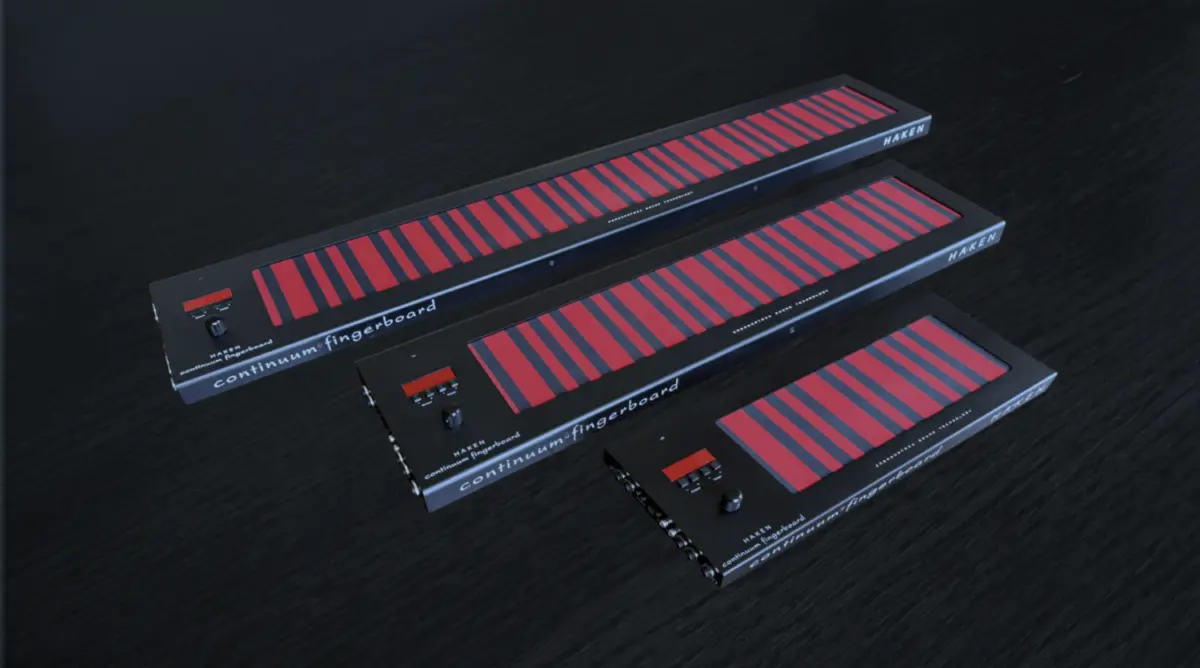
Haken Audio, a pioneering force in the development of expressive electronic musical instruments, has officially launched an international video competition designed to identify and reward musicians who demonstrate exceptional technical mastery and innovative performance styles. The competition, which is hosted on the YouTube platform, seeks to bridge the gap between traditional instrumental proficiency and the future of electronic music expression. By offering three of its flagship Slim Continuum Fingerboard synthesizers as prizes, Haken Audio aims to discover "musical pioneers" who have developed unique personal techniques on their chosen instruments and possess the potential to translate that virtuosity to the highly sensitive Continuum interface.
The competition structure is designed to evaluate both the execution of a musical technique and the intellectual process behind its development. Participants are required to submit two distinct videos, each under one minute in duration. The first video must showcase a unique playing technique that the contestant has developed and mastered on any instrument, whether acoustic, electric, or electronic. The second video must serve as a pedagogical or narrative supplement, explaining the evolution of the technique and the specific challenges the performer overcame to achieve mastery. This dual-submission requirement ensures that the winners are not only skilled performers but also individuals who possess a deep understanding of the mechanics of their craft.
Competitive Framework and Prize Distribution
The rewards for the competition represent a significant investment in the musical community, as the Continuum Fingerboard is widely regarded as one of the most expensive and sophisticated expressive controllers on the market. The prize tiers are organized as follows:
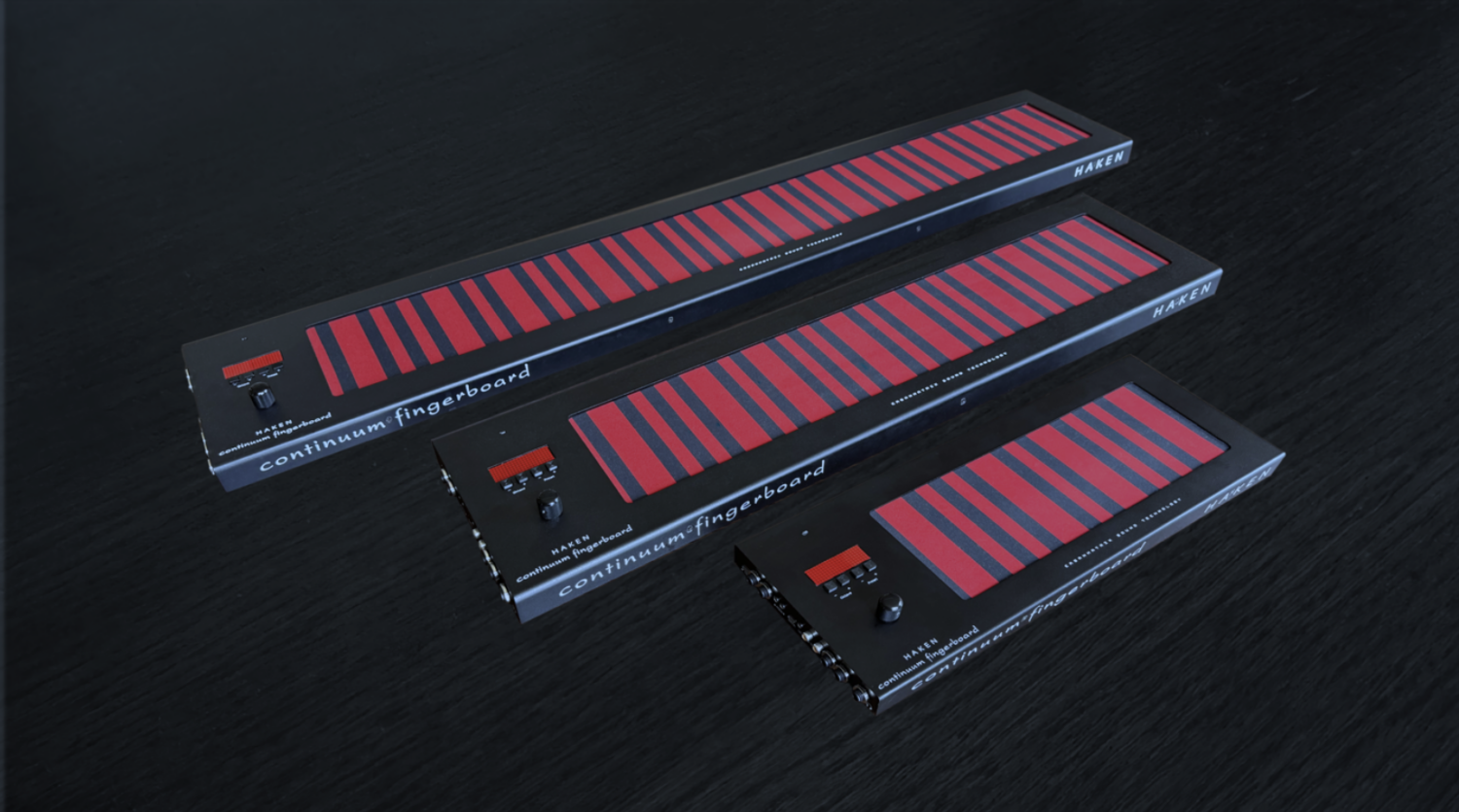
- First Prize: The Slim70 Continuum. This is the flagship model of the Slim series, featuring nearly six octaves (70 semitones) of continuous pitch control. The Slim70 is valued for its expansive playing surface and its ability to handle complex, multi-timbral arrangements within the EaganMatrix sound engine.
- Second Prize: The Slim46 Continuum. A mid-sized model offering nearly four octaves (46 semitones), the Slim46 balances portability with a professional range, making it a favorite for touring musicians and studio producers who require high-resolution tactile feedback.
- Third Prize: The Slim21 Continuum. The most compact version in the lineup, the Slim21 offers nearly two octaves (21 semitones). Despite its smaller footprint, it retains the same high-resolution internal sensors and sound engine as its larger counterparts.
All entries must be uploaded to YouTube with the hashtag #ContinuumCompetition in the title and must tag the official @HakenAudio account. The submission window is currently open and will conclude on November 16. In an effort to maintain engagement throughout the contest period, Haken Audio has committed to featuring standout performances on their official YouTube channel at the end of each week, providing contestants with immediate visibility within the electronic music community.
Technical Background: The Evolution of the Continuum Fingerboard
To understand the significance of this competition, one must look at the history and technical specifications of the Haken Continuum. Developed by Dr. Lippold Haken, a professor at the University of Illinois, the Continuum Fingerboard began as a research project in the late 1970s and early 1980s. Dr. Haken’s goal was to create an electronic instrument that offered the same level of nuance and continuous control found in fretless string instruments or the human voice.
Unlike a standard MIDI keyboard, which is discrete—meaning it operates in "on/off" steps for pitch and velocity—the Continuum is a continuous surface. It utilizes a sophisticated array of Hall-effect sensors to track the position of the player’s fingers across three axes:
- X-axis (Horizontal): Provides continuous pitch control, allowing for seamless glissandi and vibrato that is not constrained by semitone steps.
- Y-axis (Vertical): Typically mapped to timbre or filter cutoff, allowing the player to change the character of the sound by moving their finger up or down the width of the playing surface.
- Z-axis (Pressure): Measures the depth of the touch with extreme precision, controlling volume, brightness, or initial attack.
The transition from the original "full-size" Continuum to the current "Slim" models represented a major hardware overhaul. The Slim series features a more compact internal chassis and upgraded processing power to run the EaganMatrix, a digital modular synthesis engine developed by Edmund Eagan specifically for the Continuum. The EaganMatrix is unique because it is designed from the ground up to respond to the high-density data stream generated by the fingerboard’s sensors, allowing for a level of "organic" sound manipulation that traditional synthesizers struggle to replicate.
Judging Philosophy and Institutional Goals
Haken Audio has been explicit in stating that the competition is not a traditional talent show. The company’s official statement emphasizes that the winners will not be selected based on a subjective judgment of who is the "better" musician in a general sense. Instead, the judging panel—which includes the creators of the instrument—will look for performers whose existing techniques suggest a high degree of "fit" for the Continuum.
"We want to shine a light on the amazing and talented musical pioneers out there who have dared to create something completely unique with their technique and really taken the time and dedication to master it," the company stated. "The winners are not a judgment in any way about who is a better musician. It will be based on who the judges think will be the best fit for learning and mastering the Continuum."
This approach reflects a broader philosophical stance within the niche of expressive electronic instruments (often categorized under the MIDI Polyphonic Expression or MPE umbrella). Manufacturers like Haken Audio, Expressive E, and Roger Linn Design often face the challenge of a "virtuosity gap." While the hardware is capable of extreme nuance, the learning curve is steep, and the repertoire for such instruments is still being written. By identifying musicians who have already mastered a unique technique on another instrument, Haken Audio is essentially scouting for the next generation of virtuosos who can push the boundaries of what the Continuum can do.
Chronology and Key Dates
The competition timeline is structured to foster a month-long celebration of musical innovation:
- Launch Date: The competition was announced in mid-October, immediately drawing interest from the experimental and modular synthesis communities.
- Weekly Highlights: Starting from the first week of the announcement, Haken Audio began curating "Favorite Performances" from the pool of entries, showcasing them every Friday on their social media platforms.
- Final Deadline: November 16. All entries must be time-stamped on YouTube before the end of this day to be eligible for the three grand prizes.
- Winner Announcement: While a specific date for the winner announcement has not been finalized, it is expected to occur in late November following a comprehensive review by the judging panel.
Broader Impact on the Electronic Music Industry
The Haken Audio Continuum Competition arrives at a pivotal moment for the music technology industry. Over the past decade, there has been a resurgence of interest in "expressive" controllers. The adoption of the MPE standard by major DAWs (Digital Audio Workstations) like Ableton Live, Logic Pro, and Bitwig Studio has brought polyphonic pitch bend and pressure control into the mainstream.
However, the Haken Continuum remains in a category of its own due to its hardware-software integration. By offering these instruments as prizes, Haken Audio is effectively lowering the barrier to entry for talented artists who might otherwise be unable to afford the multi-thousand-dollar investment required for a high-end fingerboard. This "democratization of virtuosity" helps ensure that the instrument’s legacy is carried forward by performers rather than just collectors.
Furthermore, the requirement for an "explanation video" serves an educational purpose for the wider community. As contestants share the secrets of their techniques—whether it involves microtonal guitar tapping, specialized woodwind embouchures, or complex percussion patterns—they contribute to a collective knowledge base of how humans interact with physical interfaces to produce sound.
Analysis of Implications for Contestants
For prospective entrants, the competition represents more than just a chance to win hardware. It is an opportunity for professional validation from a company that sits at the intersection of high-end engineering and avant-garde art. The Continuum has been used by world-renowned artists such as A.R. Rahman, Jordan Rudess of Dream Theater, and film composer Hans Zimmer. Being recognized by Haken Audio as a "best fit" for this instrument places a musician in a lineage of performers who prioritize tactile expression over programmed sequences.
The 60-second limit on videos presents a unique challenge: contestants must be concise and impactful. This format favors those who can distill complex musical ideas into a "hook" that demonstrates immediate technical proficiency. The emphasis on "unique personal technique" also encourages diversity, potentially attracting players of traditional folk instruments, custom-built experimental rigs, or unconventional vocalists.
As the November 16 deadline approaches, the #ContinuumCompetition tag on YouTube is expected to become a significant archive of contemporary instrumental innovation. Regardless of who takes home the Slim70, Slim46, and Slim21, the competition succeeds in its primary mission: highlighting the dedication required to master an instrument in an era where digital shortcuts are increasingly common. Through this initiative, Haken Audio reinforces the idea that while technology can provide the platform, the soul of the music remains in the disciplined hands of the performer.
