

The Cultural and Commercial Climate of 1995
To understand the impact of these tracks, one must analyze the commercial landscape of the mid-1990s. By 1995, the music industry was reaching a financial zenith, driven by the mass adoption of the CD format and the pervasive influence of MTV and VH1. According to historical RIAA data, the mid-90s saw record-breaking shipments of physical units, and the "Soundscan era"—which began in 1991—provided a more accurate, data-driven look at what consumers were actually purchasing. This era was characterized by the "crossover" hit, where a song could simultaneously dominate Top 40, Adult Contemporary, and R&B or Rock charts.
The three songs in question represent the diverse sonic palette of the time. While they differ in genre—ranging from neo-soul and baroque pop to roots rock and vocal harmony R&B—they share a common thread of emotional earnestness. This period was the last era before the digital revolution fundamentally altered music consumption, meaning these songs were experienced collectively through terrestrial radio and high-rotation music videos, creating a unified cultural experience for the youth of the time.
Seal and the Atmospheric Complexity of Kiss From A Rose
Seal’s "Kiss From A Rose" stands as one of the most unlikely success stories in modern pop history. Originally written in 1987 and included on his 1994 self-titled sophomore album, the track initially failed to gain significant traction as a lead single. However, its inclusion on the soundtrack for the 1995 blockbuster Batman Forever catapulted the song into the global stratosphere.
Produced by the legendary Trevor Horn, the track is a masterclass in baroque pop production. It features a complex 3/4 time signature—reminiscent of a waltz—and layers of Seal’s own vocals, creating a lush, choral effect. The lyrics, "Baby, I compare you to a kiss from a rose on the grey / Ooh, the more I get of you, stranger it feels, yeah," utilized metaphorical depth that resonated with listeners seeking more than the standard pop tropes of the era.
The song’s trajectory was meteoric following the film’s release. It reached number one on the Billboard Hot 100 in August 1995 and remained on the charts for nearly a year. Its critical peak occurred at the 38th Annual Grammy Awards in 1996, where it won Record of the Year, Song of the Year, and Best Male Pop Vocal Performance. For the teenagers of 1995, the song’s dramatic flair and gothic undertones provided a sophisticated backdrop for the heightened emotions of early romance.
Hootie & The Blowfish and the Rise of Roots-Rock Accessibility
While Seal provided the drama, Hootie & The Blowfish provided the relatability. Their 1994 debut album, Cracked Rear View, remains one of the best-selling albums in history, certified 21x Platinum by the RIAA. The single "Only Wanna Be With You," released in mid-1995, became the quintessential anthem for the "everyman" romance.
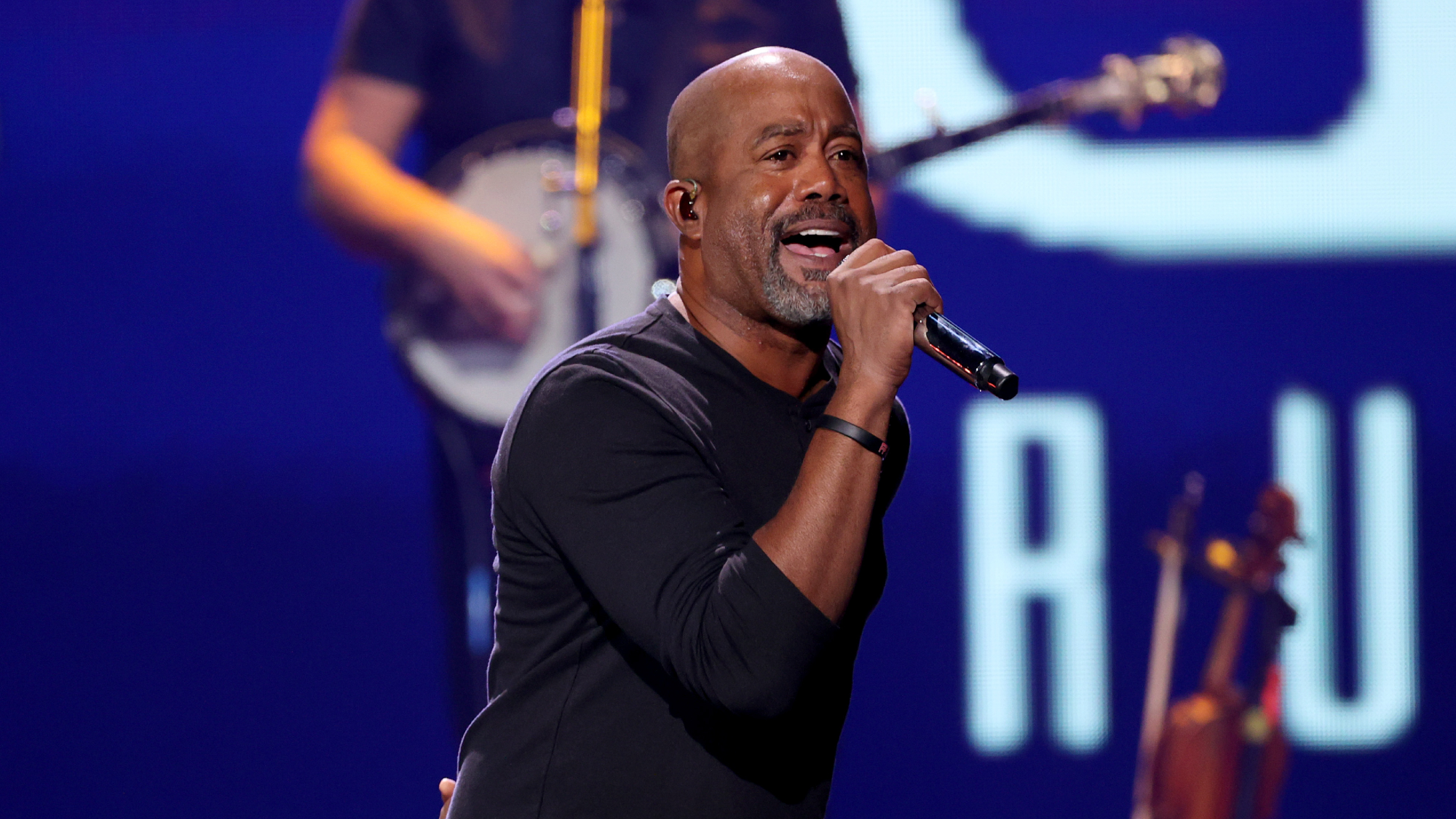
Musically, the track utilized a bright, acoustic-driven arrangement that stood in stark contrast to the distorted guitars of the early 90s. Frontman Darius Rucker’s soulful, baritone delivery lent the song an air of sincerity and warmth. The lyrics—"I moan and pout at you until I get my way / I won’t dance, you won’t sing / I just wanna love you, but you wanna wear my ring"—captured the playful, often clumsy nature of young devotion.
The song’s success was bolstered by a high-profile music video featuring various ESPN personalities, which helped bridge the gap between music culture and mainstream sports culture. "Only Wanna Be With You" peaked at number six on the Billboard Hot 100 and held the number one spot on the Mainstream Top 40 chart. Analysis of the song’s impact suggests that its success was a precursor to the "Triple-A" (Adult Album Alternative) radio boom, proving that listeners were hungry for melodic, lyrically transparent songs that celebrated the simpler aspects of companionship.
All-4-One and the Perfection of the R&B Crossover Ballad
The third pillar of this romantic trifecta is All-4-One’s "I Can Love You Like That." Released in 1995, the song followed the group’s massive success with "I Swear" the previous year. "I Can Love You Like That" was a cover of a country song by John Michael Montgomery, a common practice in the 90s where R&B groups would "urbanize" country hits to reach a broader pop audience.
The track is built on a foundation of intricate four-part harmonies and a polished mid-tempo production style typical of the mid-90s R&B "boy band" era. The lyrics leaned heavily into fairytale imagery: "They read you Cinderella / You hoped it would come true / That one day your Prince Charming / Would come rescue you." This direct appeal to romantic idealism made the song a staple at high school proms and on "dedication" radio segments.
"I Can Love You Like That" reached number five on the Billboard Hot 100 and was a top-tier hit on the Hot R&B/Hip-Hop Songs chart. The group’s ability to blend traditional R&B vocal techniques with mainstream pop sensibilities allowed them to capture a demographic that spanned multiple age groups and backgrounds. For the youth of 1995, All-4-One represented the aspirational side of romance—the promise of a love that mirrored the grand narratives of cinema and literature.
Chronology of a Chart-Topping Year
The dominance of these three tracks can be mapped across the 1995 calendar, showcasing how they shared the airwaves during a singular cultural moment:
- May 1995: All-4-One releases "I Can Love You Like That" as the lead single from their album And the Music Speaks. It begins a steady climb up the charts, peaking in July.
- June 1995: Batman Forever is released in theaters. Seal’s "Kiss From A Rose" is re-released as a single with a new music video directed by Joel Schumacher, featuring scenes from the film.
- July 1995: Hootie & The Blowfish release "Only Wanna Be With You" as the third single from Cracked Rear View. It enters high rotation on MTV.
- August 1995: Seal hits number one on the Billboard Hot 100. Simultaneously, Hootie & The Blowfish and All-4-One are both in the Top 10, marking a rare moment where roots rock, baroque pop, and R&B balladry shared the highest echelons of the charts.
- Late 1995: All three songs remain in the Top 40, transitioning into "recurrent" status on Adult Contemporary radio, where they would remain for years to come.
Industry Impact and the Evolution of the Mixtape Culture
The success of these tracks had broader implications for the music industry. They validated the "multi-format" strategy, where labels sought to break artists across several different radio charts simultaneously. This era also represented the peak of the "mixtape" as a social currency. Before the advent of digital playlists, teenagers in 1995 recorded songs off the radio or dubbed them from CDs onto cassette tapes to give to romantic interests.
"Kiss From A Rose," "Only Wanna Be With You," and "I Can Love You Like That" were essential components of these physical playlists. They provided a spectrum of emotional expression: Seal for the intense and dramatic, Hootie for the lighthearted and fun, and All-4-One for the sentimental and devoted. This practice of curating music for another person solidified these songs’ places in the personal histories of the "Generation X" and "Millennial" bridge demographic.
Broader Implications and Legacy
Decades later, the legacy of these 1990s staples continues to be felt. In the era of streaming, these tracks maintain high "recurrent" play counts on platforms like Spotify and Apple Music, often appearing on "90s Nostalgia" and "Wedding First Dance" playlists. Seal’s "Kiss From A Rose" has undergone a critical re-evaluation, now recognized as a sophisticated piece of composition that transcends its tie-in with a superhero franchise. Darius Rucker of Hootie & The Blowfish successfully transitioned into a massive country music career, a move that was foreshadowed by the rootsy, accessible nature of his mid-90s output.
From a sociological perspective, these songs reflect a pre-internet earnestness. They were released at a time when pop culture was still a "monoculture"—a period where a large portion of the population was listening to the same songs at the same time. This collective listening experience fostered a sense of shared emotional vocabulary. While today’s music landscape is highly fragmented, the romantic anthems of 1995 remain universal, serving as a reminder of a period when the charts were defined by a unique blend of vocal prowess, melodic craftsmanship, and unapologetic sentimentality.
In conclusion, the intersection of Seal, Hootie & The Blowfish, and All-4-One in the mid-1990s was not merely a coincidence of scheduling, but a reflection of a culture seeking emotional resonance in a rapidly changing world. These tracks did more than just occupy space on the Billboard charts; they became the auditory framework for a generation’s first experiences with love, loss, and the enduring power of a well-crafted melody.
