

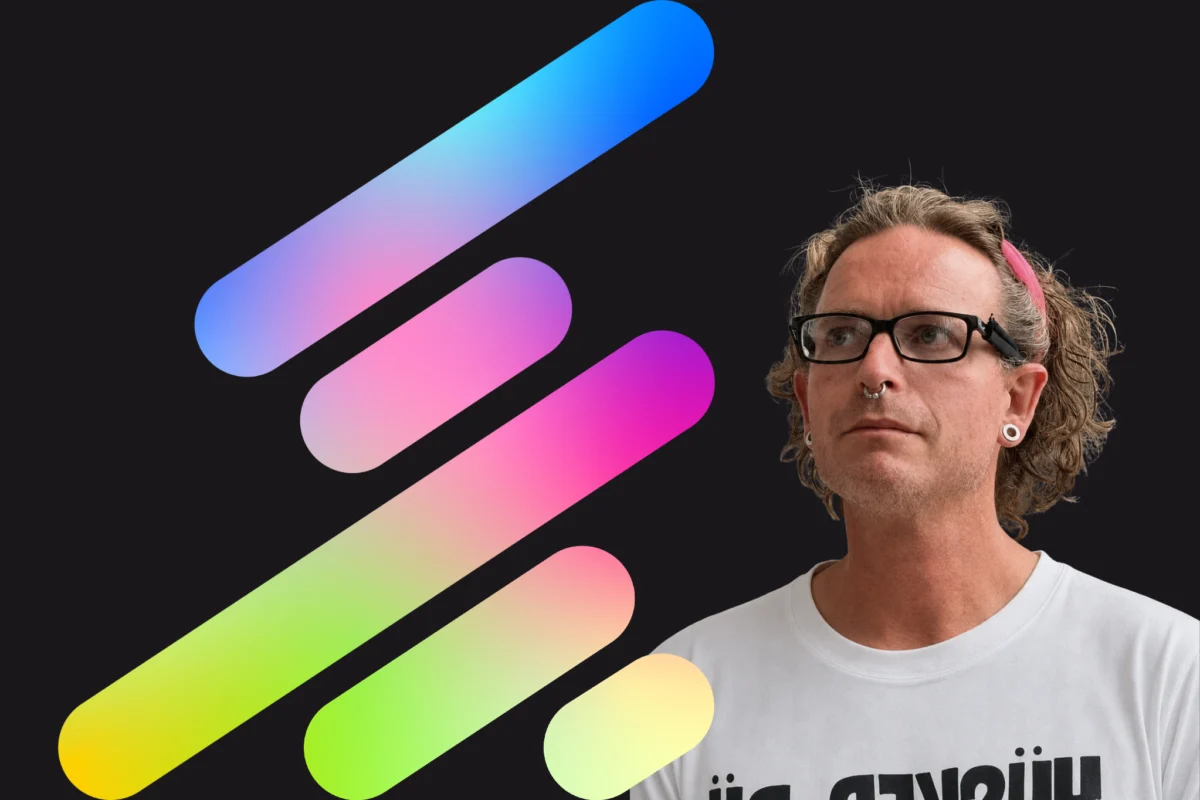
The upcoming LEAT Con 26, scheduled to take place from October 6 to October 8, 2026, has officially announced a headline session featuring Oliver Zöphel, a veteran of the live entertainment industry with over two decades of experience in global touring. Zöphel’s presentation, titled after his extensive career "on the road," is set for October 8 at the "Live Stage" from 12:45 to 13:15. This session aims to pull back the curtain on the technical, emotional, and logistical complexities that define the modern touring landscape. As the live event industry continues to navigate a post-pandemic era marked by rapid technological advancement and shifting labor dynamics, Zöphel’s insights are expected to provide a critical roadmap for both newcomers and seasoned professionals.
The Evolution of the Live Entertainment and Technology Convention
LEAT Con has established itself as a premier European hub for the live entertainment and technology sector. By 2026, the convention has grown to encompass not only the traditional pillars of sound, lighting, and stagecraft but also the burgeoning fields of immersive audio, sustainable logistics, and AI-driven production management. The inclusion of speakers like Oliver Zöphel highlights a strategic shift in the convention’s programming: a move toward addressing the "human element" of the industry. While technical specifications and equipment demonstrations remain central to the event, the 2026 program emphasizes the sustainability of the workforce itself.
The live events sector has seen a projected global market valuation exceeding $1.5 trillion by 2026, driven by a renewed consumer appetite for experiential entertainment. However, this growth has come at a cost. The industry has faced significant challenges, including a shortage of skilled labor, rising transport costs, and an increasing awareness of the mental health toll associated with high-pressure touring environments. Zöphel’s session is positioned as a cornerstone of the LEAT Con 26 "People and Culture" track, designed to foster a more resilient and sustainable industry culture.
Two Decades on the Road: The Career of Oliver Zöphel
Oliver Zöphel’s career spans a transformative period in live music history. Entering the industry in the mid-2000s, Zöphel witnessed the transition from predominantly analog systems to the fully integrated digital ecosystems that define today’s stadium tours. His twenty-year tenure has seen him navigate the complexities of international logistics, the intricacies of artist relations, and the physical demands of year-round travel.
Zöphel’s talk is not merely a retrospective of technical achievements but a candid exploration of the "touring lifestyle." In the preview for the event, organizers noted that Zöphel will address the duality of the profession: the exhilaration of executing a flawless large-scale production versus the reality of personal sacrifice. The session is expected to cover the period from 2006 to 2026, a timeframe that saw the industry survive the 2008 financial crisis, the total shutdown of 2020-2022, and the subsequent "Great Resignation" that forced a re-evaluation of working conditions in the event sector.
The Economic and Logistical Landscape of Modern Touring
To understand the significance of Zöphel’s insights, one must look at the data surrounding the 2026 touring environment. According to industry reports released in early 2026, the cost of staging a mid-to-large-scale tour has risen by approximately 35% over the last four years. Factors such as fuel surcharges, the premium on specialized technicians, and the demand for "green" touring initiatives have compressed margins for many production companies.
In this context, the role of a production lead has shifted from purely technical oversight to complex project management. Zöphel’s experience in managing these shifting variables is of high value to the LEAT Con audience. Industry analysts note that the average tour now requires 20% more lead time for planning compared to a decade ago. This "pre-production creep" has extended the working hours of senior staff, making the discussion about personal boundaries and mental health more relevant than ever.
Addressing the Mental Health and Sustainability Crisis
One of the most anticipated segments of Zöphel’s talk involves the discussion of personal limits and the "darker" side of the industry. For years, the live events sector operated under a "show must go on" ethos that often prioritized production success over staff well-being. However, by 2026, the conversation has shifted. Initiatives such as "Crew Nation" and various European mental health charters have begun to institutionalize support systems for road crews.
Zöphel is expected to share personal anecdotes regarding the pressure of high-stakes environments. The "Live Stage" session will specifically delve into how the industry can reach personal limits and what strategies can be implemented to mitigate burnout. This reflects a broader trend at LEAT Con 26, where several panels are dedicated to "Human-Centric Production." Data from 2025 indicated that nearly 60% of touring professionals reported high levels of stress, leading to a turnover rate that threatens the stability of the sector. Zöphel’s advocacy for healthy work-life balances within the touring circuit is seen as a necessary intervention for the industry’s long-term viability.
A Chronology of Industry Transformation: 2006–2026
The twenty years Zöphel will cover in his talk represent a complete metamorphosis of the live experience.
- 2006–2011: The era of the "Digital Transition." Consoles and lighting desks moved from analog to digital. Touring grew in scale as the recording industry’s revenue shifted toward live performance.
- 2012–2019: The "Spectacle Boom." Integration of massive LED walls, automated rigging, and complex pyrotechnics became the standard for arena tours. Global logistics became more streamlined, allowing for faster "back-to-back" scheduling.
- 2020–2022: The "Great Pause." The industry faced an existential threat. This period forced a rethink of safety protocols and highlighted the lack of social safety nets for freelance technicians.
- 2023–2026: The "Resilience Era." A focus on sustainability, carbon-neutral touring, and the integration of augmented reality. This period also saw the rise of the "Well-being Rider," where crew health became a contractual consideration.
Zöphel’s presence at LEAT Con 26 serves as a bridge between these eras, providing historical context to current technological trends.
Broader Implications for the Live Entertainment Sector
The significance of Zöphel’s presentation extends beyond the half-hour slot on the Live Stage. It represents a maturation of the live event industry’s self-perception. By discussing the "intensive phases of work" and the "changing locations" that define a life on the road, Zöphel is contributing to a professionalization of the touring craft.
Industry leaders have reacted positively to the announcement. "The industry has long needed voices like Oliver’s to speak openly about the realities of our work," stated a spokesperson for a leading German event production association. "We have the best technology in the world, but without the people to run it—and without those people being healthy and motivated—the technology is useless."

Furthermore, the session is expected to influence how younger technicians approach their careers. As educational programs for event technology become more standardized across Europe, the inclusion of "soft skills" and "career longevity" in the curriculum has become a priority. Zöphel’s session provides a real-world case study for these academic frameworks.
Technical Innovation and the Human Interface
While much of the focus is on the lifestyle, Zöphel’s 20 years of experience also cover the technical evolution of the stage. On the October 8th session, he is likely to touch upon how the increasing complexity of gear has changed the physical demands on the crew. In 2006, a standard tour might have traveled with two trucks of equipment; by 2026, that same artist might require ten trucks, including specialized servers for real-time visual rendering and immersive sound processors.
The "Live Stage" at LEAT Con is designed to showcase these very technologies, creating a fitting backdrop for a talk that balances the "what" of production with the "how" of the human experience. The convention organizers have noted that the 12:45 PM timeslot was chosen specifically to capture the midday peak of attendees, ensuring maximum visibility for Zöphel’s message.
Conclusion and Future Outlook
As LEAT Con 26 approaches, the industry remains at a crossroads. The demand for live experiences is at an all-time high, but the infrastructure—both physical and human—is under unprecedented strain. Oliver Zöphel’s talk on October 8th represents more than just a career recap; it is a vital check-in for an industry that must learn to balance its spectacular output with the sustainable management of its most valuable asset: its people.
For the attendees of LEAT Con 26, the insights gained from twenty years of touring will likely serve as both a cautionary tale and an inspirational guide. As the "live stage" lights up in Hamburg this October, the focus will not just be on the brightness of the LEDs or the clarity of the line arrays, but on the enduring spirit of the individuals who work in the shadows to make the magic happen. Zöphel’s contribution ensures that the conversation about the future of touring is as much about the heart as it is about the hardware.
