

The modern music industry operates on a model of immediate gratification, where data-driven metrics and social media virality often dictate the longevity of a recording contract. In the contemporary landscape, a debut single that fails to gain traction on streaming platforms can lead to an artist being dropped by their label within a single release cycle. However, the history of rock and roll provides a starkly different narrative regarding artist development. During the 1970s, record executives frequently practiced a degree of patience that would be unrecognizable today, allowing artists to cultivate their sound, build a touring base, and refine their identity over several years and multiple albums. This era of "artist development" produced some of the most enduring figures in music history—artists who did not find their commercial footing until well into their careers.
By examining the trajectories of Bob Seger, the Steve Miller Band, Journey, and REO Speedwagon, it becomes evident that the path to multi-platinum success was often a marathon rather than a sprint. These acts navigated lineup changes, shifting musical trends, and periods of relative obscurity before achieving the breakthroughs that would eventually define the classic rock canon.
Bob Seger: The Long Road from Detroit to National Prominence
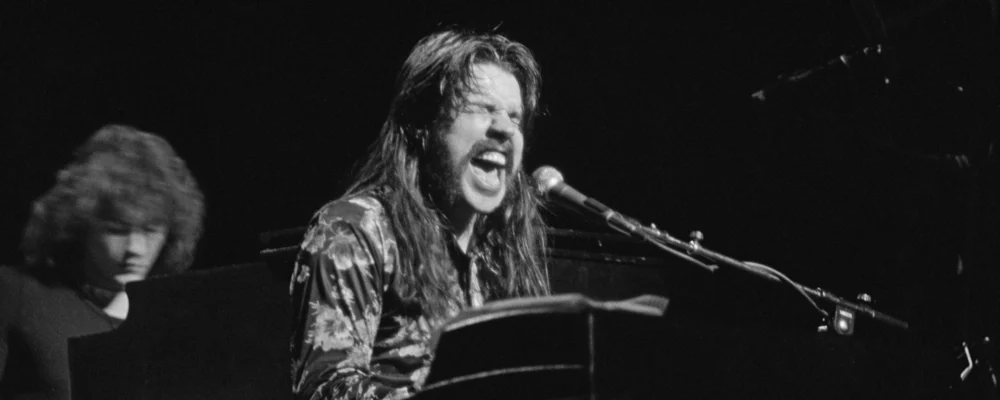
Bob Seger’s ascent to superstardom is perhaps the most cited example of the "slow burn" career path. While Seger is now recognized as a quintessential American songwriter, his journey to the top of the Billboard charts took nearly a decade of regional grinding and professional setbacks. Seger first gained significant attention in the late 1960s within the fertile Detroit rock scene. In 1968, his group, The Bob Seger System, released "Ramblin’ Gamblin’ Man," which peaked at No. 17 on the Billboard Hot 100. At the time, it appeared Seger was on the verge of a national breakthrough.
However, the momentum did not hold. For the next seven years, Seger released a string of albums—including Mongrel, Brand New Morning, and Back in ’72—that failed to replicate his early success. Despite his lack of national sales, Seger remained a powerhouse in the Midwest, where he toured relentlessly. This regional loyalty became his greatest asset. In the mid-1970s, Seger formed the Silver Bullet Band, a tight-knit unit capable of translating his blue-collar rock sensibilities into a high-energy live show.
The turning point came in 1976 with the release of Live Bullet. Recorded at Detroit’s Cobo Hall, the album captured the raw energy of Seger’s live performance and began to garner attention outside of Michigan. Later that same year, Seger released Night Moves, his ninth studio album. The title track, a nostalgic mid-tempo rocker, became a massive hit, reaching No. 4 on the charts. This success was not an overnight fluke but the result of 15 years of songwriting evolution. The subsequent decade saw Seger release a string of multi-platinum albums, including Stranger in Town and Against the Wind, cementing his status as a rock icon.
The Steve Miller Band: From Psychedelic Blues to Pop Dominance
The Steve Miller Band followed a trajectory that saw them transition from the experimental fringes of the San Francisco psychedelic scene to becoming one of the most reliable hit-making machines of the 1970s. Founded by Steve Miller, a virtuoso guitarist who had cut his teeth in the Chicago blues scene alongside Buddy Guy and Muddy Waters, the band initially prioritized musical exploration over commercial viability.
Between 1968 and 1970, the band released five albums that performed respectably on the charts, fueled by the "underground" FM radio format that favored long-form tracks and instrumental prowess. However, the early 1970s brought a period of commercial decline. Albums like Rock Love and Recall the Beginning… A Journey from Eden failed to resonate with the broader public, and Miller himself suffered a broken neck in a car accident, followed by a bout of hepatitis.
During his recovery, Miller reassessed his musical direction. He moved away from the sprawling, blues-heavy arrangements of his early work toward a more concise, hook-oriented sound. The result was the 1973 album The Joker. The title track, with its laid-back groove and "space cowboy" lyrics, became a global phenomenon, hitting No. 1 on the Billboard Hot 100. Capitol Records’ decision to maintain their relationship with Miller during his fallow period paid off handsomely; Miller followed The Joker with the back-to-back masterpieces Fly Like an Eagle (1976) and Book of Dreams (1977), which produced a relentless stream of hits such as "Rock’n Me," "Take the Money and Run," and "Jet Airliner."
Journey: The Transformation from Fusion to Arena Rock
Journey’s path to success is unique because it required a fundamental shift in the band’s musical DNA. Formed in San Francisco in 1973 by former members of Santana—guitarist Neal Schon and keyboardist Gregg Rolie—Journey was initially conceived as a jazz-fusion ensemble. Their first three albums, Journey, Look into the Future, and Next, showcased technical virtuosity and progressive arrangements but failed to find a significant audience. By 1977, Columbia Records was reportedly considering dropping the band unless they adopted a more commercial sound and hired a dedicated frontman.
The arrival of Steve Perry in late 1977 changed the band’s trajectory forever. Perry’s soaring tenor and melodic sensibilities provided the perfect counterpoint to Schon’s aggressive guitar work. The 1978 album Infinity marked the beginning of their commercial ascent, featuring hits like "Lights" and "Wheel in the Sky." However, it was the 1979 single "Lovin’, Touchin’, Squeezin’" from the album Evolution that gave the band its first Top 20 hit.
The final piece of the puzzle arrived in 1980 when keyboardist Jonathan Cain joined the group, replacing Rolie. Cain brought a pop-oriented songwriting approach that, combined with Perry’s vocals and Schon’s rock foundation, resulted in the 1981 album Escape. That record went to No. 1 and sold over 10 million copies in the U.S. alone, producing the cultural anthem "Don’t Stop Believin’." The Journey story serves as a case study in how strategic personnel changes and a willingness to evolve can salvage a struggling career and turn it into a multi-generational legacy.
REO Speedwagon: A Decade of Persistence and the Power of the Ballad
REO Speedwagon’s breakthrough is a testament to the sheer endurance of the "bar band" ethic. For the entirety of the 1970s, the Illinois-based group was a staple of the Midwestern touring circuit, playing hundreds of shows a year but failing to make a dent in the national consciousness. Between 1971 and 1979, REO Speedwagon released nine albums, none of which reached the Top 20. Frontman Kevin Cronin even left the band for a period in the mid-70s before returning to help steer their creative direction.
The band’s label, Epic Records, continued to support them despite the lack of a major hit, banking on their reputation as a formidable live act. Minor progress was made with 1978’s You Can Tune a Piano, but You Can’t Tuna Fish, but the band remained largely a regional phenomenon.
The breakthrough occurred in late 1980 with the release of Hi Infidelity. The album featured a departure from their standard hard-rock fare in the form of "Keep On Loving You," a power ballad written by Cronin. Despite initial skepticism from the label and even some members of the band regarding the song’s softer direction, it became a massive No. 1 hit. Hi Infidelity spent 15 weeks at the top of the Billboard 200 and became the best-selling album of 1981. REO Speedwagon had spent ten years in the trenches before becoming the biggest band in America, proving that a single song can change the trajectory of a career if the foundation has been properly laid.
Broader Impact and Industry Implications
The success stories of these four acts highlight a fundamental difference between the music industry of the 1970s and the digital age. The concept of "artist development" allowed musicians the luxury of failure. By allowing Bob Seger to release nine albums before hitting it big, or giving REO Speedwagon a decade to find their sound, labels were investing in long-term brand equity rather than short-term quarterly gains.
From a sociological perspective, these bands also benefited from the growth of FM radio and the burgeoning arena rock circuit. This infrastructure allowed artists to build "grassroots" support that was largely invisible to the national charts but provided the financial stability necessary to keep recording.
In today’s market, the "middle class" of the music industry—artists who tour successfully but lack a massive hit—is increasingly squeezed. The data suggests that major labels are now less likely to sign an artist based on potential and more likely to sign them based on existing social media engagement. While this reduces the financial risk for the label, it also limits the opportunity for the kind of creative evolution seen in Journey or the Steve Miller Band.
Ultimately, the legacies of these four acts serve as a reminder that commercial success is often a byproduct of persistence and the willingness to adapt. Their music remains a staple of radio programming decades later, not because they were instant successes, but because they were given the time to grow into the legends they eventually became. For the music industry of the future, the lesson of the 1970s remains clear: sometimes the greatest returns come from the longest investments.
